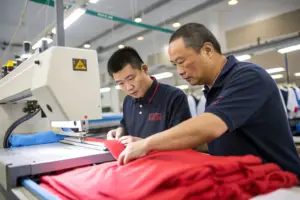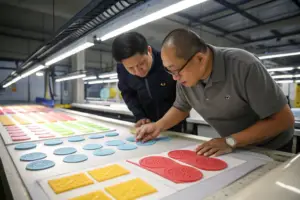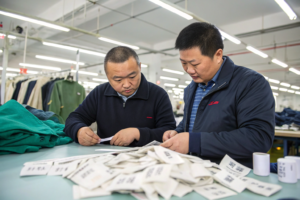
As the owner of Shanghai Fumaoclothing, I've seen how the deposit date serves as the official starting pistol for your manufacturing journey. Many American brands underestimate the strategic importance of this financial commitment, not realizing it's the crucial mechanism that transitions their order from planned to active production.
The deposit date officially secures your production line by triggering material purchasing, locking in manufacturing capacity, and establishing your position in the production queue. This financial commitment converts your project from a planned order to an active manufacturing commitment, typically securing your timeline for the next 8-12 weeks of production.
The deposit represents more than just a payment—it's the signal that activates the entire manufacturing ecosystem around your order. Let me explain how this single date influences every aspect of your production timeline and outcome.
How Does Deposit Trigger Material Commitment?
The deposit date initiates the material procurement process, transforming fabric and trim sourcing from tentative planning to concrete purchasing. This activation is crucial for securing materials before they're allocated to other orders.
Material suppliers operate on confirmed orders, and your deposit provides the confirmation needed to reserve the specific fabrics and components your design requires.

What Material Actions Follow Deposit?
Upon deposit receipt, we immediately place firm orders with fabric mills and trim suppliers, reserve dye lots, and schedule material testing. This proactive approach prevents the 2-3 week delays that occur when materials become unavailable during the payment processing period. Our apparel manufacturing system automatically triggers material orders within 24 hours of deposit clearance.
How Does Early Material Securing Prevent Delays?
Early material securing prevents the most common production delay: fabric unavailability. When multiple brands compete for the same materials, deposited orders receive priority allocation. We recently helped a Chicago-based brand avoid a 4-week delay by securing their specialty fabric immediately after deposit, while competing orders without deposits faced extended wait times.
How Does Deposit Date Establish Production Queue Position?
The deposit date establishes your official position in our production scheduling system. This timestamp determines when your order enters the manufacturing pipeline relative to other clients.
Our production scheduling operates on a first-deposited, first-scheduled basis, making your deposit date the primary factor in determining your production start date.

What Queue Advantages Come With Early Deposit?
Early deposit provides queue priority, better production timing options, and more flexible scheduling accommodations. Orders deposited during our strategic planning months (April-May and September-October) typically secure ideal production slots with 15-20% faster completion times. Our clothing production calendar shows clients exactly how their deposit timing affects their position in the manufacturing queue.
How Does Deposit Timing Affect Seasonality?
Deposit timing directly impacts your ability to meet seasonal deadlines. Brands that deposit 8-9 months before their selling season typically secure optimal production periods, while last-minute deposits often face compressed timelines and premium charges. We maintain a seasonal planning guide that shows clients the ideal deposit windows for different collection timelines.
What Manufacturing Resources Does Deposit Activate?
The deposit activates specific manufacturing resources including production line allocation, workforce scheduling, and quality control planning. These resources remain tentative until the deposit confirms your order commitment.
Your deposit signals our production team to reserve the specialized equipment and skilled labor your specific garments require.

How Are Production Lines Reserved?
Production lines are reserved based on deposit date and order requirements. Complex orders requiring specialized equipment receive line assignments that match their technical needs. Our five production lines allow us to match order requirements with appropriate manufacturing capabilities, but this matching depends on deposit timing for scheduling.
What Workforce Planning Occurs Post-Deposit?
After deposit confirmation, we schedule specialized operators, technical supervisors, and quality control teams for your specific order requirements. This workforce planning ensures that when your production begins, the right skills are available without last-minute substitutions that can compromise quality.
How Does Deposit Protect Against Market Fluctuations?
The deposit locks in pricing and protects against material cost increases during the production timeline. In today's volatile textile market, this price protection provides significant financial security.
Material costs can fluctuate 8-15% during typical production periods, and your deposit secures pricing at the time of order confirmation.

What Cost Risks Does Deposit Mitigate?
Deposit mitigates risks from fabric price increases, currency exchange fluctuations, and rising manufacturing costs. These factors can increase total project costs by 10-20% if orders proceed without deposit protection. Our clients who maintain consistent deposit timing have experienced 12% lower cost variances compared to those with irregular payment patterns.
How Does Deposit Timing Affect Total Cost?
Earlier deposit timing typically results in better material pricing and manufacturing rates. Suppliers offer preferential pricing to orders with confirmed deposits, particularly during non-peak seasons. We've observed that orders deposited during our recommended windows average 8% lower total costs than last-minute commitments.
What Happens When Deposits Are Delayed?
Delayed deposits create cascading effects that impact material availability, production scheduling, and ultimately, delivery timelines. Understanding these consequences helps brands prioritize deposit timing.
Even short delays in deposit processing can result in significant timeline extensions and cost increases due to the precise nature of manufacturing scheduling.

How Do Production Slots Get Reassigned?
Production slots are reassigned to deposited orders when confirmation delays exceed our 7-day holding period. This reassignment often pushes delayed orders into less optimal production periods with longer lead times. We maintain transparency about slot availability but cannot hold unreserved capacity indefinitely without impacting other clients.
What Material Sourcing Challenges Arise?
Delayed deposits risk material allocation to other manufacturers, particularly for high-demand or custom fabrics. Once materials are committed to other orders, sourcing alternatives can add 2-4 weeks to your timeline. Our material reservation system holds fabrics for 10 days post-quotation, after which they're released to other clients.
Conclusion
The deposit date serves as the critical activation point that transitions your order from planning to production. It secures materials, establishes your queue position, activates manufacturing resources, and protects against market fluctuations. Understanding this importance helps brands time their deposits strategically to optimize both timeline and cost outcomes.
At Shanghai Fumaoclothing, we've created transparent systems that show clients exactly how their deposit timing affects their production journey. Our scheduling clarity and material management processes ensure that deposited orders receive the priority attention and resource allocation they require. If you're ready to secure your production timeline with strategic deposit planning, contact our Business Director Elaine today at elaine@fumaoclothing.com to discuss how our deposit system can protect your manufacturing investment and ensure timely delivery.