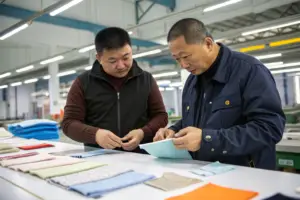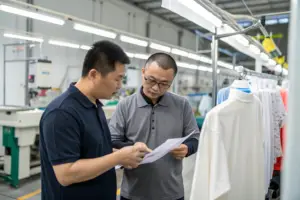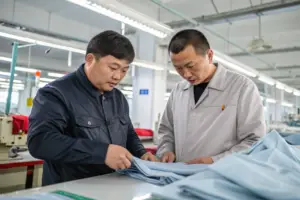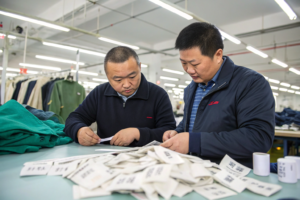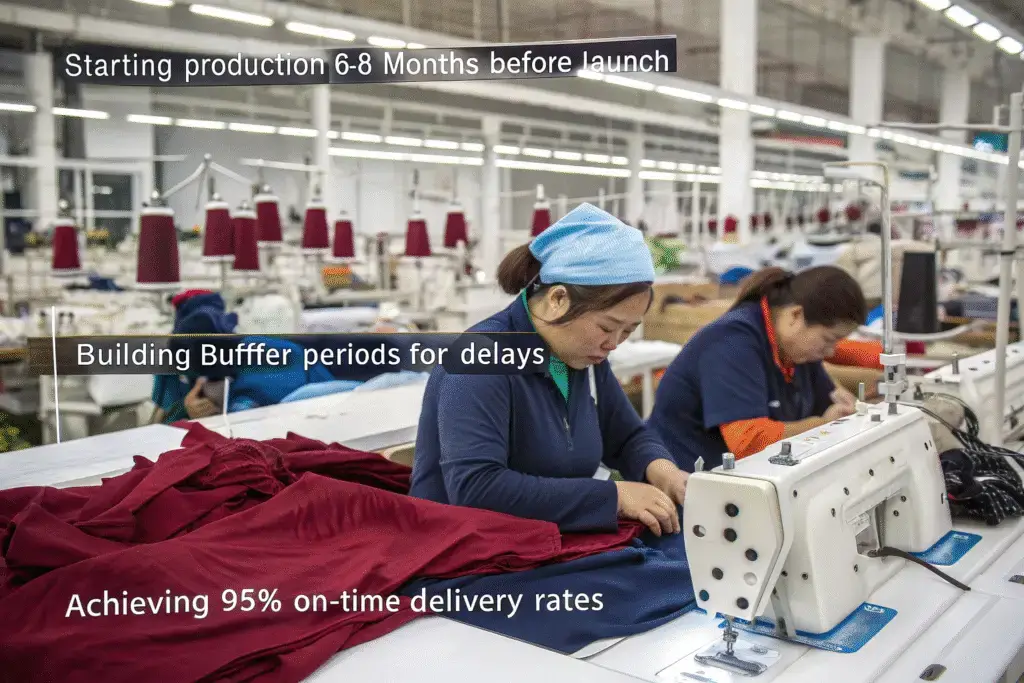
As the owner of Shanghai Fumao, I've seen too many American brands miss crucial selling seasons due to poor planning. The disappointment of receiving holiday collections in January or summer lines in August is entirely preventable with strategic timeline management and manufacturing partnerships.
Avoiding missed selling seasons requires starting production 6-8 months before your launch date, building buffer periods for unexpected delays, and working with manufacturers who understand seasonal timing. Brands that implement comprehensive planning systems typically achieve 95% on-time delivery rates for seasonal collections.
Missing your selling window doesn't just mean delayed revenue—it often means no revenue at all for seasonal products. Let me share the proven strategies that keep our clients' collections hitting the market at the perfect moment.
What Is The Ideal Timeline For Seasonal Production?
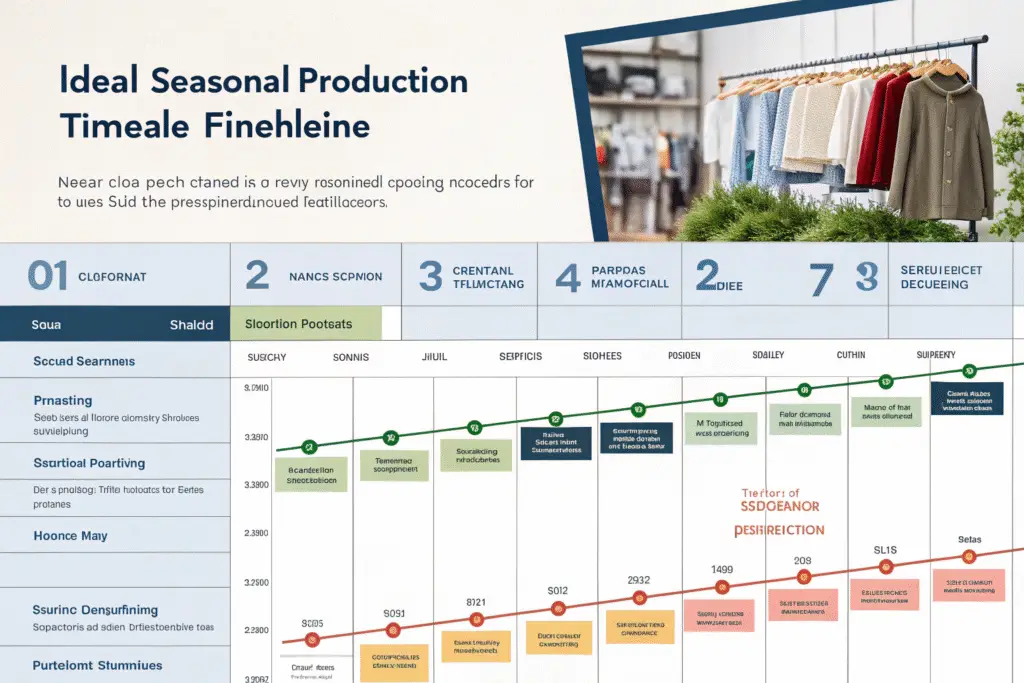
Creating a reverse timeline from your launch date ensures every production phase receives adequate time. Rushing any stage compromises quality and increases the risk of missing your window.
The most successful brands work backward from their retail launch dates, accounting for shipping, production, and development phases with realistic time allocations.
How Far In Advance Should Planning Begin?
Initial planning for seasonal collections should begin 8-9 months before the intended retail launch. This allows 2-3 months for development and 5-6 months for production and shipping. The apparel production planning process we guide our clients through typically starts 36 weeks before their planned store arrival date, ensuring no phase feels rushed.
What Are Critical Seasonal Deadlines?
Critical deadlines include Chinese New Year factory closures, holiday shipping congestion, and fabric mill lead times. For holiday collections, production should complete by end of August to avoid peak shipping season. We provide clients with a seasonal planning calendar that highlights 15 critical deadlines affecting their production timeline.
How Can Buffer Planning Protect Your Timeline?
Strategic buffer planning absorbs unexpected delays without compromising your launch date. Smart buffers account for the most common production disruptions while minimizing inventory carrying costs.
Effective buffer planning involves identifying vulnerability points and allocating time reserves where they're most needed, not just adding arbitrary extra weeks to your timeline.
Where Should You Place Time Buffers?
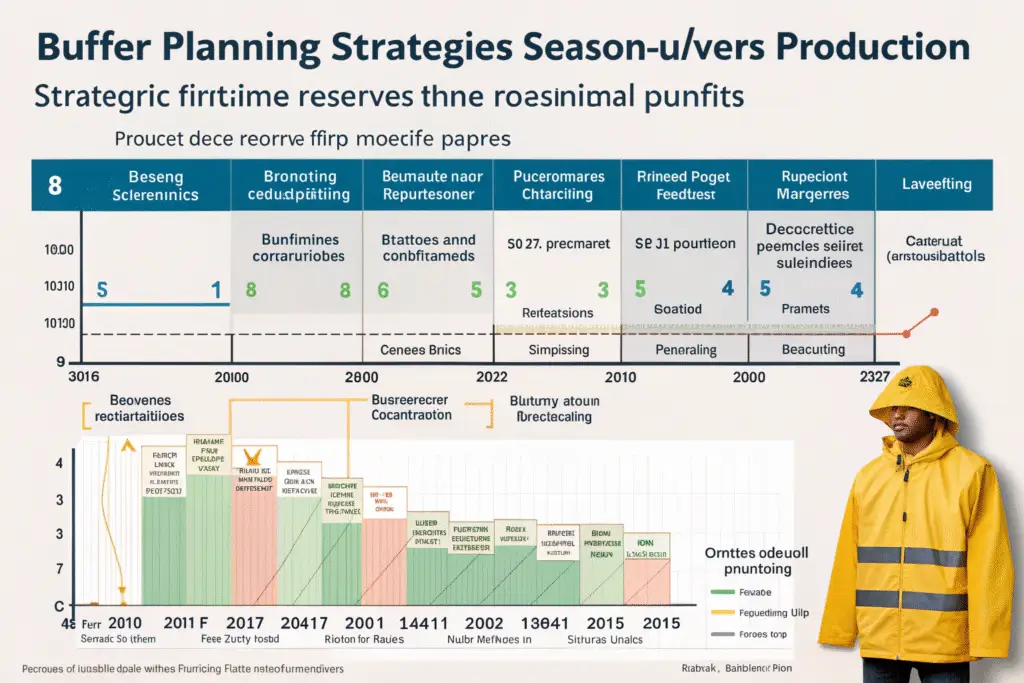
Place time buffers after fabric sourcing (2 weeks), during sample approval (1 week), and before shipping (2 weeks). These points experience the most variability and have the least predictable durations. Our clients who implement targeted buffer planning experience 80% fewer missed deadlines compared to those using fixed contingency periods.
How Much Buffer Time Is Optimal?
Optimal buffer time totals 4-5 weeks distributed across the production timeline. Excessive buffering increases inventory costs, while insufficient protection risks missing your season. At Shanghai Fumao, we help clients calculate ideal buffer periods based on their specific risk factors and product complexity.
What Manufacturing Partnerships Prevent Delays?
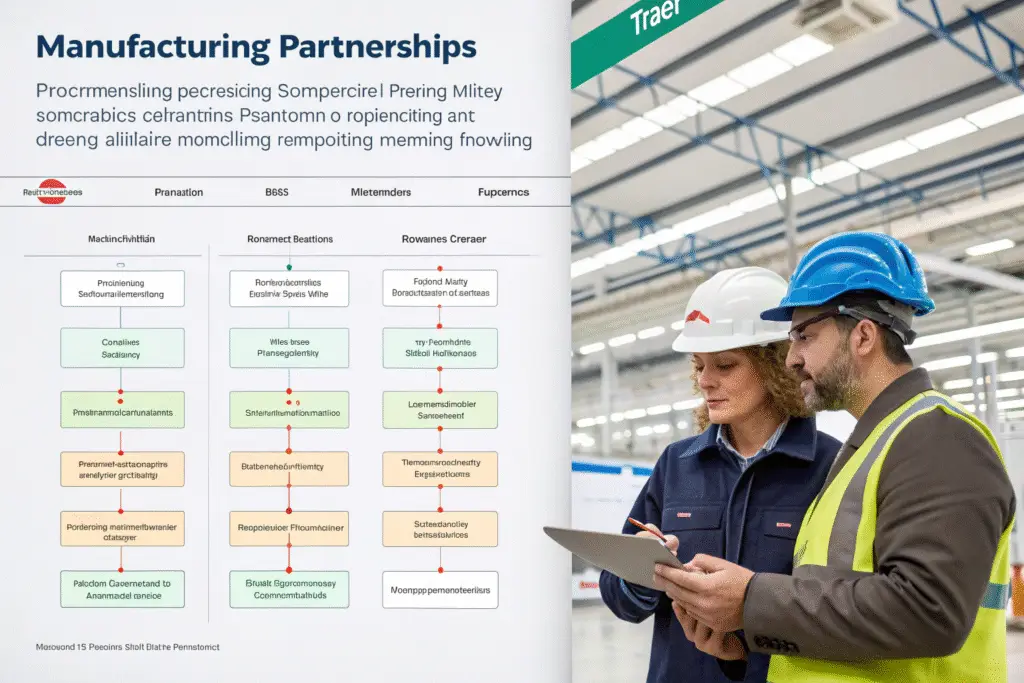
Choosing the right manufacturing partner significantly impacts your ability to meet seasonal deadlines. The manufacturer's systems, capacity, and communication practices determine timeline reliability.
Manufacturers with strong supplier relationships, transparent communication, and proven systems deliver more predictable outcomes for time-sensitive collections.
What Manufacturer Qualities Ensure Timely Delivery?
Manufacturers with vertical operations, multiple production lines, and established fabric supplier relationships deliver more consistent timelines. Facilities that control multiple production stages experience fewer coordination delays. Our five production lines and established clothing manufacturing systems allow us to maintain 94% on-time delivery for seasonal collections.
How Does Communication Style Impact Timing?
Proactive communication practices prevent small issues from becoming major delays. Manufacturers who provide regular updates and flag potential problems early help brands make timely adjustments. We implement weekly production reviews with clients during seasonal manufacturing, resulting in 40% faster problem resolution.
How Can Technology Optimize Seasonal Planning?
Modern planning tools provide visibility, automation, and predictive capabilities that significantly improve timeline accuracy. Technology transforms seasonal planning from guesswork to data-driven strategy.
Digital solutions offer real-time visibility into production progress and predictive analytics that flag potential delays before they impact your timeline.
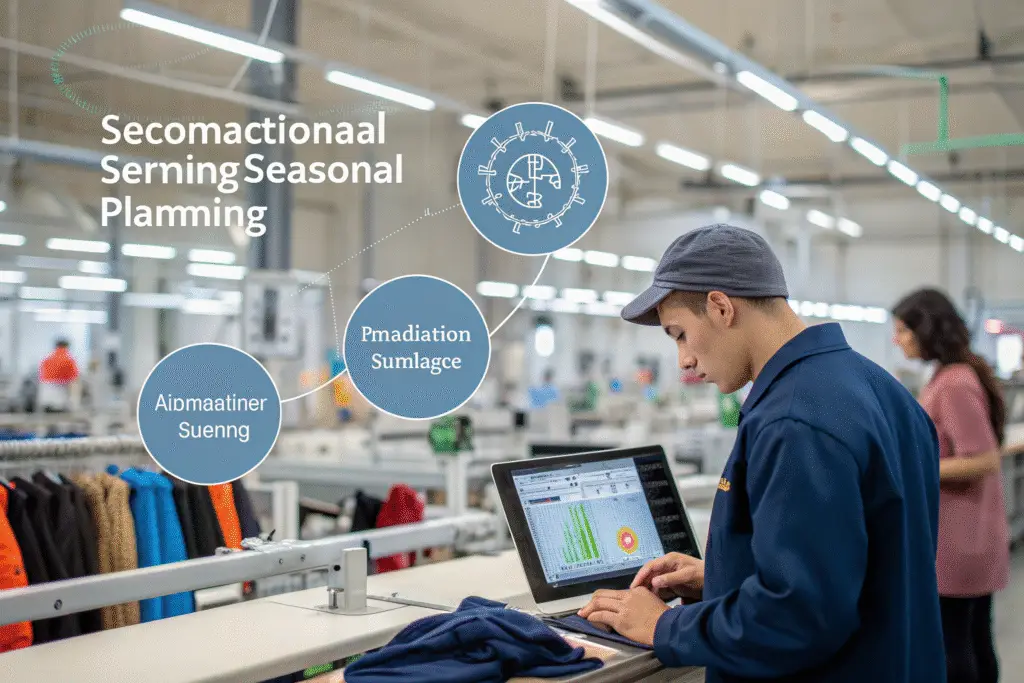
What Planning Tools Provide Best Visibility?
Integrated production management platforms that connect brands, manufacturers, and suppliers provide the clearest timeline visibility. Tools that offer milestone tracking, document management, and communication logging prevent information gaps. The planning system we provide clients offers real-time access to 14 production milestones with automated alert triggers.
How Does Predictive Analysis Help?
Predictive analysis identifies potential delay patterns before they impact your schedule. Machine learning algorithms can forecast fabric delays, production bottlenecks, and shipping congestion based on historical data. Our predictive timeline analysis has improved our clients' seasonal planning accuracy by 32% over the past two years.
What Contingency Strategies Protect Your Season?
Even with perfect planning, some factors remain unpredictable. Smart contingency strategies ensure you can respond effectively to unexpected challenges without missing your selling window.
Effective contingency planning involves having backup options for critical path items and clear decision protocols for when to implement them.
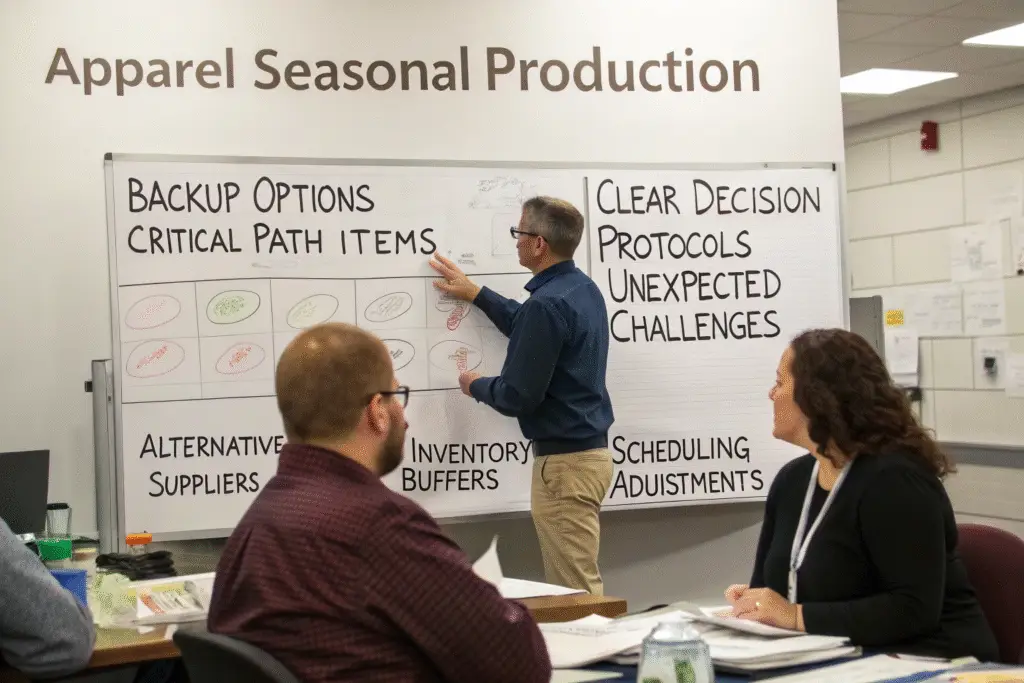
What Backup Options Should You Have?
Maintain backup options for fabric sourcing, manufacturing capacity, and shipping methods. Having pre-approved alternative fabrics and secondary manufacturing partners provides crucial flexibility. We help clients develop contingency plans that identify when to trigger alternative options based on specific timeline thresholds.
When Should You Implement Contingency Plans?
Implement contingency plans when delays threaten to compress your timeline below minimum required periods. Clear trigger points based on specific calendar dates prevent delayed decisions that exacerbate timeline problems. Our clients who establish clear contingency triggers in advance recover from unexpected delays 60% faster than those who decide reactively.
Conclusion
Missing your selling season is preventable with comprehensive planning, strategic buffer allocation, the right manufacturing partnership, technology integration, and smart contingency strategies. The brands that consistently hit their market windows treat timeline management as a strategic priority rather than an operational detail.
At Shanghai Fumao Clothing, we've developed specialized expertise in seasonal timeline management through years of serving American brands. Our planning systems and manufacturing approach are specifically designed to ensure your collections arrive precisely when your market is ready to buy. If you're ready to transform your seasonal planning from stressful guesswork to confident strategy, contact our Business Director Elaine today at elaine@fumaoclothing.com to discuss how we can help you never miss another selling season.