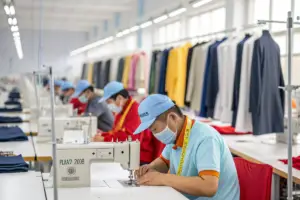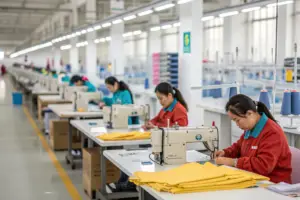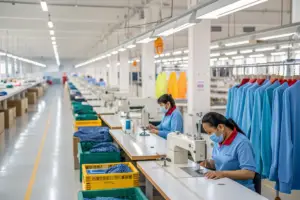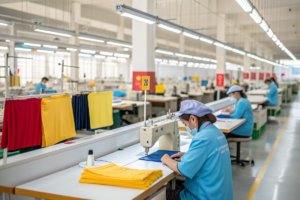
As the owner of Shanghai Fumao with extensive experience serving American brands, I understand that accurate lead time planning is crucial for men's wear collections. Getting these timelines right affects everything from marketing launches to inventory management and seasonal selling windows.
Men's wear manufacturing lead times typically range from 8 to 16 weeks, depending on garment complexity, fabric availability, and order quantity. Basic items like t-shirts and polo shirts may require 6-8 weeks, while tailored pieces such as suits and technical outerwear often need 12-16 weeks for proper development and production.
Understanding these timeframes helps brands plan their collections strategically and avoid costly rush charges or missed seasonal opportunities. Let's examine the specific factors that influence men's wear production schedules.
How Does Garment Complexity Affect Manufacturing Time?
The complexity of men's wear designs directly impacts production timelines. Simple garments with standard constructions progress much faster than technical pieces requiring specialized manufacturing processes.
Basic knitwear and woven items follow streamlined production paths, while tailored garments demand multiple fitting stages and precision craftsmanship that naturally extend timelines.
What Are Typical Timelines for Basic Men's Wear?
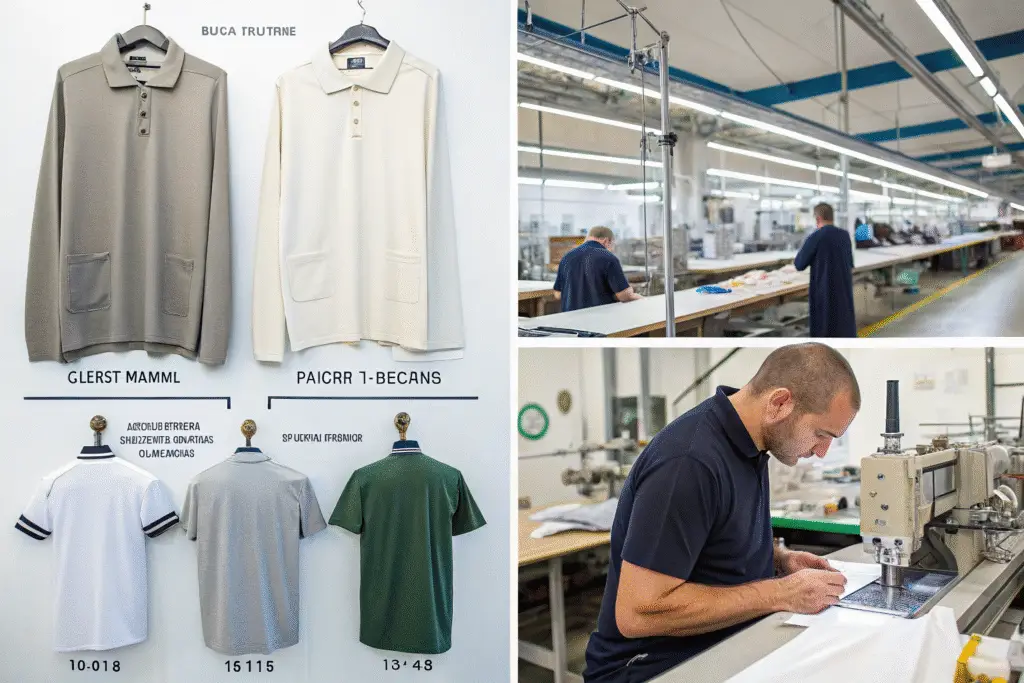
Basic men's wear items including t-shirts, polo shirts, and simple woven shirts typically require 6-8 weeks from order confirmation to shipment. These garments benefit from standardized patterns, established construction methods, and readily available materials. The men's apparel manufacturing process for basic items at our facility averages 45 days, allowing for proper fabric sourcing, production, and quality control.
How Long Do Complex Garments Require?
Complex men's wear such as tailored suits, technical outerwear, and detailed jackets typically need 12-16 weeks for complete production. These timelines account for multiple fitting samples, specialized construction techniques, and additional quality checks. We recently completed a technical jacket collection for a New York brand that required 14 weeks due to performance fabric sourcing and intricate construction details.
What Role Does Fabric Selection Play in Lead Times?
Fabric availability and characteristics significantly influence men's wear production schedules. The sourcing phase can vary dramatically based on material selection and supplier relationships.
Common fabrics with stock availability accelerate timelines, while specialty materials requiring custom development or international sourcing extend production schedules considerably.
How Do Stock Fabrics Affect Timelines?
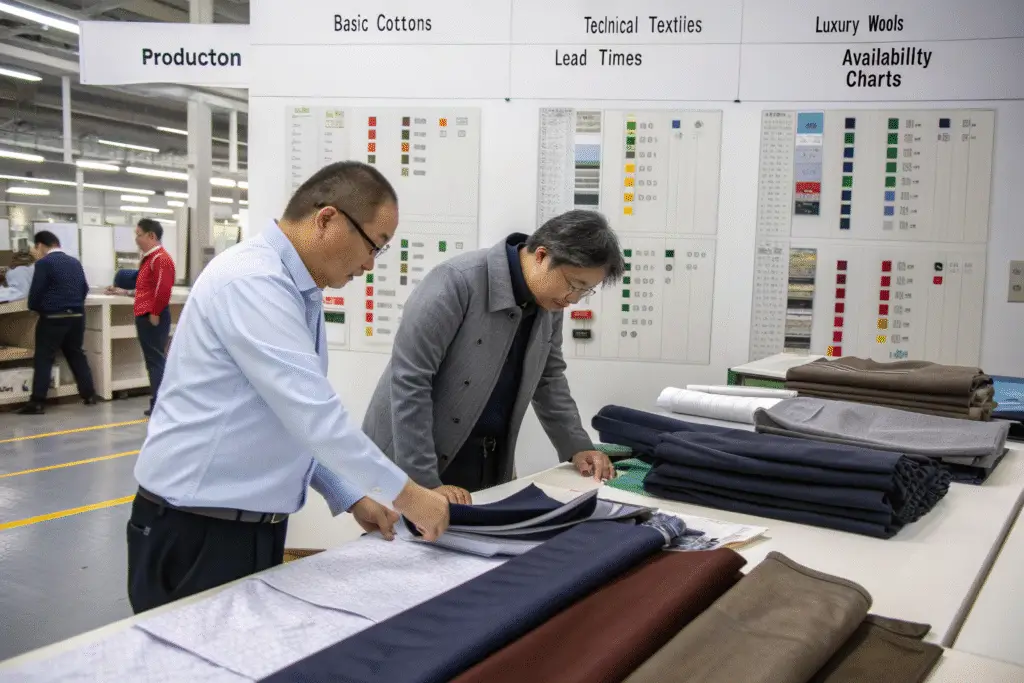
Stock fabrics readily available from mill partners can reduce lead times by 2-3 weeks compared to custom-developed textiles. Our extensive fabric library at Shanghai Fumao contains over 500 pre-approved materials suitable for men's wear, allowing clients to select from available options and begin production within days rather than waiting for fabric development.
What Delays Occur with Custom Fabrics?
Custom fabric development typically adds 4-6 weeks to production timelines. This includes sample development, testing, and bulk production at textile mills. One of our Los Angeles-based clients learned this when they insisted on custom fabric weaving for their dress shirt collection, extending their total timeline from 10 to 16 weeks but achieving a unique product in the market.
How Does Order Quantity Influence Production Speed?
Production volume directly affects manufacturing duration, but the relationship isn't always linear. Understanding quantity thresholds helps in planning realistic delivery expectations.
Smaller orders sometimes progress faster through production lines, while larger quantities require extended time for cutting, sewing, and quality control operations.
What Are Lead Times for Small to Medium Orders?
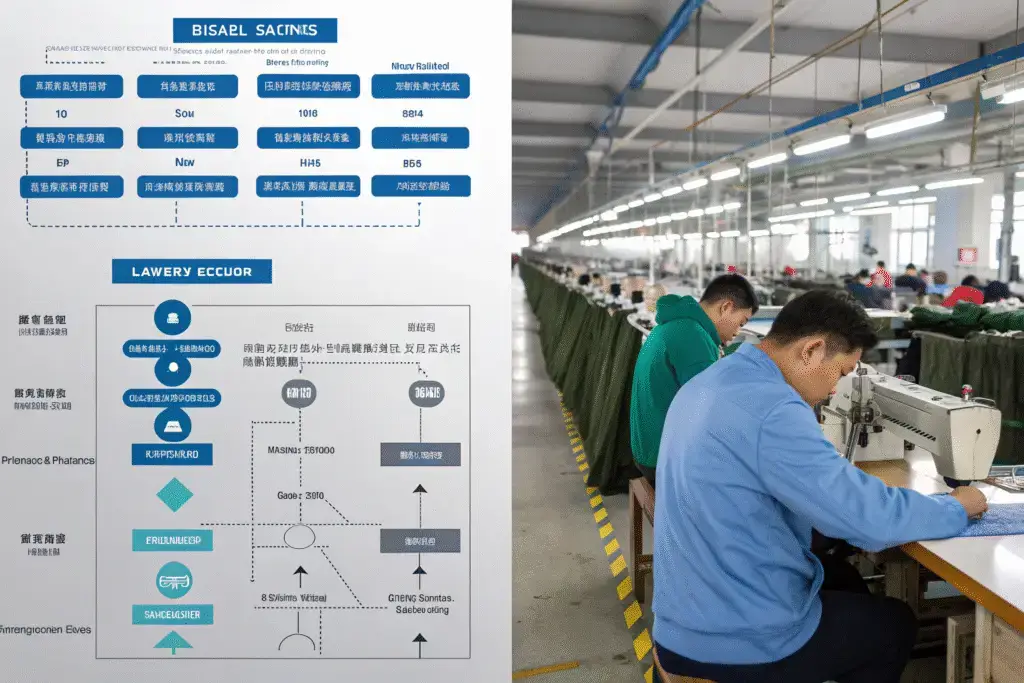
Orders ranging from 500 to 2,000 pieces typically require 8-10 weeks for complete production. These quantities balance efficiency with manageable production complexity. The clothing manufacturing process for medium-sized orders at our facility averages 9 weeks, including 2 weeks for pre-production activities and 7 weeks for bulk manufacturing and quality control.
How Do Large Volume Orders Impact Scheduling?
Large orders exceeding 5,000 pieces generally need 12-14 weeks for completion. These extended timelines account for fabric procurement in larger quantities, extended cutting and sewing operations, and comprehensive quality control. We recently managed a 10,000-piece order of men's trousers that required 13 weeks from order confirmation to shipment readiness.
What Seasonal Factors Affect Men's Wear Production?
The apparel industry follows predictable seasonal rhythms that dramatically influence manufacturing capacity and lead times. Understanding these patterns helps brands plan around peak production periods.
Factories experience highest demand during specific windows corresponding to retail selling seasons, creating natural compression and expansion of available production slots.
When Are Peak Production Periods?
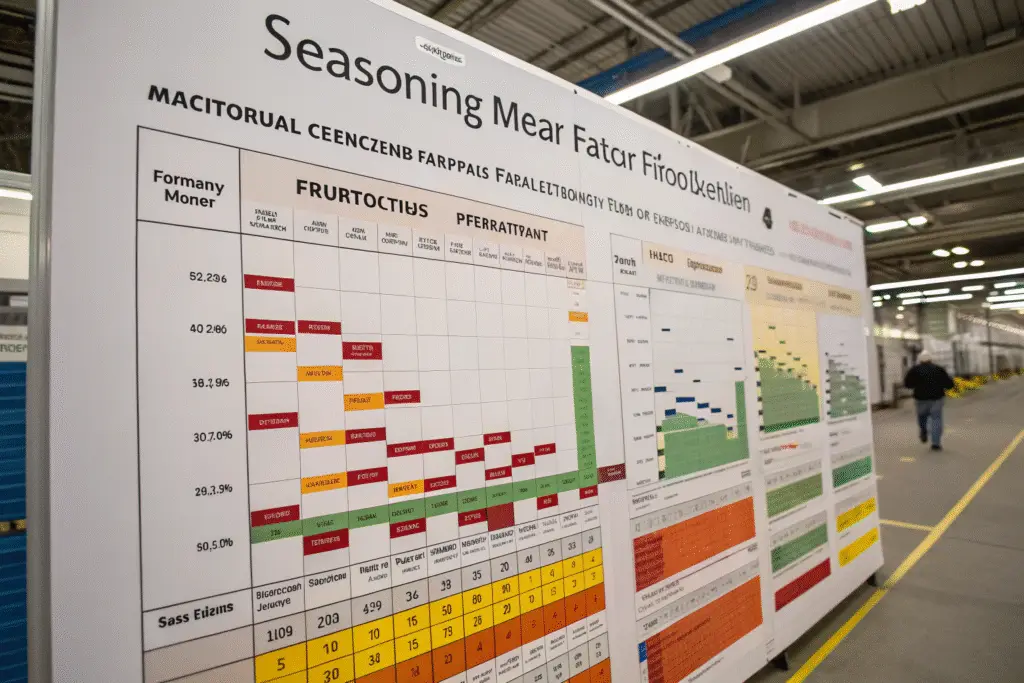
Peak manufacturing periods typically occur January-March for summer collections and June-August for holiday season deliveries. During these windows, lead times may extend by 2-3 weeks due to high factory utilization. Brands that plan outside these peak periods often benefit from 15-20% faster turnaround times and more focused production attention.
How Can Strategic Timing Optimize Lead Times?
Strategic scheduling during traditionally slower months can compress lead times by 10-15%. April-May and September-October typically offer more flexible production capacity. At Shanghai Fumao, we maintain a production calendar that helps clients visualize these fluctuations and plan their men's wear production for optimal timing and efficiency.
Conclusion
Understanding men's wear manufacturing lead times requires considering multiple variables including garment complexity, fabric selection, order quantity, and seasonal factors. While basic items may complete in 6-8 weeks and complex pieces might need 12-16 weeks, strategic planning and partner selection can significantly optimize these timelines.
At Shanghai Fumao Clothing, we've developed specialized expertise in men's wear manufacturing timelines through years of serving American brands. Our production planning systems account for these variables, providing clients with accurate forecasts and reliable delivery schedules. If you're seeking a manufacturing partner who understands the nuances of men's wear production timing, contact our Business Director Elaine today at elaine@fumaoclothing.com to discuss how we can help you plan your collection with confidence and precision.