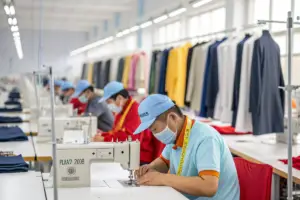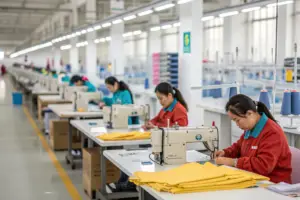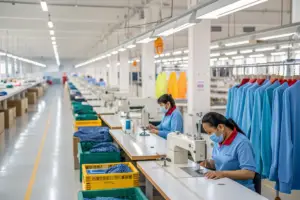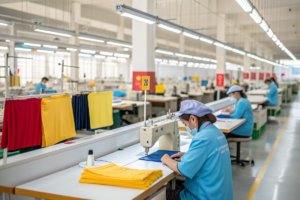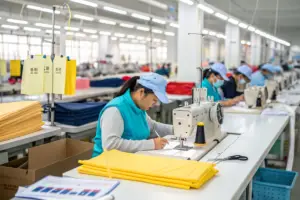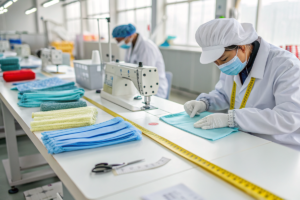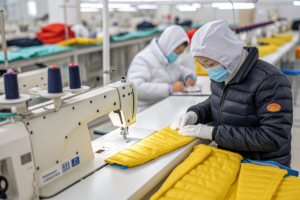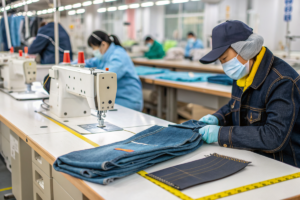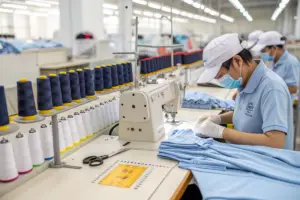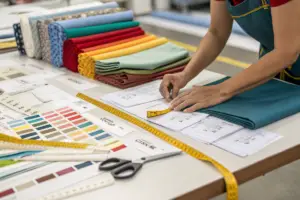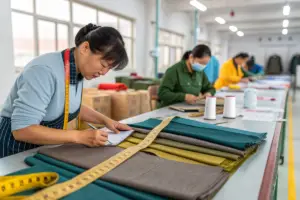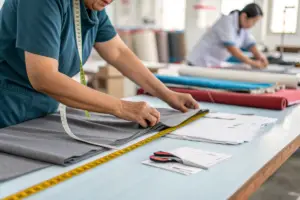
As the owner of Shanghai Fumao, I've learned through years of experience that precise timing in apparel development begins with one critical moment: when materials physically arrive at our facility. Many American brands misunderstand this fundamental principle, often believing the clock starts when they approve designs or send payment.
Material receipt marks the true start of the development clock because it represents the point when all necessary components become available for production. This approach prevents false starts, ensures accurate scheduling, and creates realistic timelines that brands can depend on for their market planning.
Understanding why we use this specific starting point helps brands plan more effectively and avoids the frustration of seemingly extended development timelines. Let me explain the crucial reasons behind this industry standard.
How Does Material Availability Impact Production Scheduling?
Material availability dictates the entire production workflow. Without physical materials present, manufacturing cannot proceed beyond preliminary planning stages.
Scheduling production without materials on-site creates unreliable timelines and compromises quality control processes. We've seen brands lose entire seasons by assuming development could begin before materials arrived.
Why Can't Pattern Making Begin Earlier?
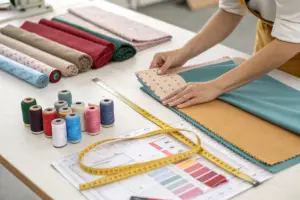
Pattern making requires physical fabric samples to account for specific characteristics like stretch, weight, and drape. Digital designs and technical specifications provide guidance, but physical interaction with materials is essential. The apparel development process at Shanghai Fumao begins pattern making within 24 hours of material receipt, but attempting this earlier leads to costly fit corrections later.
What Scheduling Risks Come From Early Starts?
Initiating development before material receipt creates cascading scheduling risks. Without confirmed material properties, subsequent steps often require rework. One of our Dallas-based clients learned this lesson when they insisted on starting pattern development during fabric production overseas. The actual fabric behaved differently than anticipated, requiring complete pattern redevelopment and adding three weeks to their timeline.
How Does Material Verification Affect Quality Assurance?
Material verification upon receipt establishes the foundation for consistent quality throughout production. This critical step ensures that what enters production matches specifications exactly.
Quality assurance begins the moment materials arrive at our facility. This verification process protects both manufacturers and brands from costly quality issues downstream.
What Specific Checks Occur Upon Receipt?
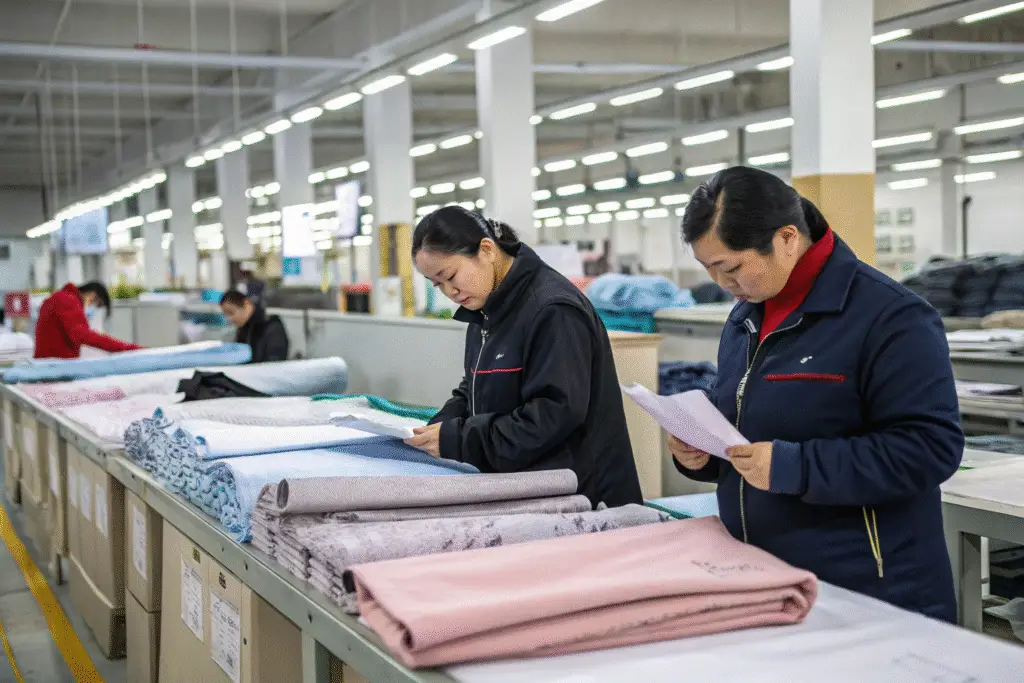
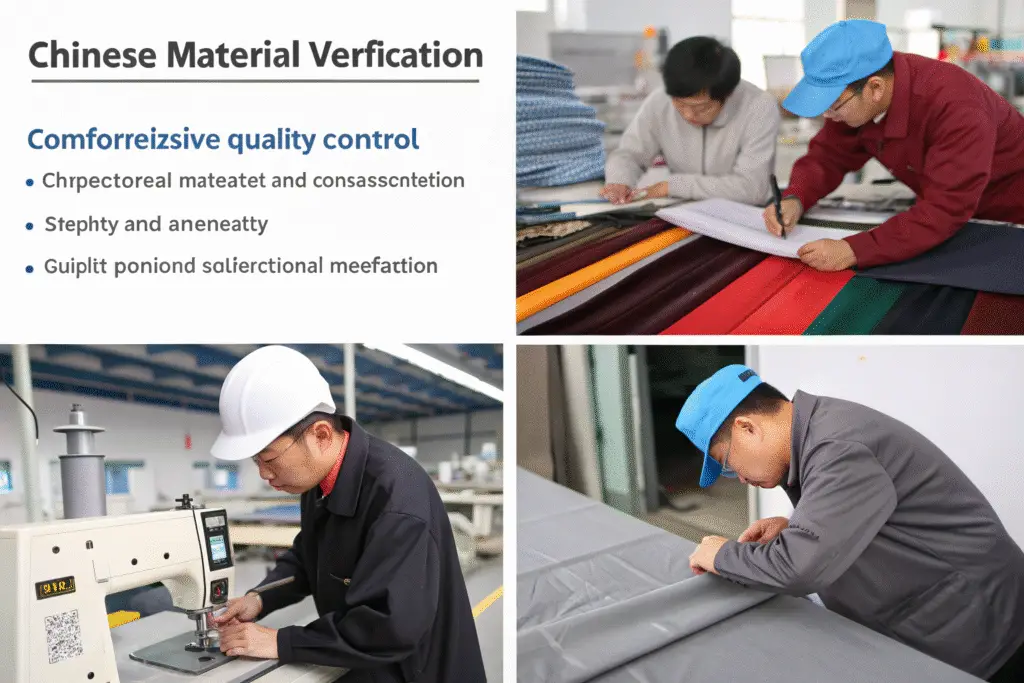
Our material receipt process includes twelve distinct verification checks covering fabric weight, width, color consistency, stretch recovery, shrinkage potential, and defect identification. The quality control team at Shanghai Fumao rejects approximately 8% of incoming fabric shipments due to failure to meet specifications, preventing these issues from affecting final product quality.
How Does Early Material Testing Prevent Delays?
Conducting material tests immediately upon receipt identifies potential production issues before they can impact timelines. Tests for colorfastness, shrinkage, and performance characteristics guide subsequent production decisions. We recently identified a shrinkage issue with a new fabric blend during initial testing, allowing us to adjust pattern dimensions before cutting and avoid what would have become a 15% defect rate in finished garments.
Why Does Material Timing Influence Cost Accuracy?
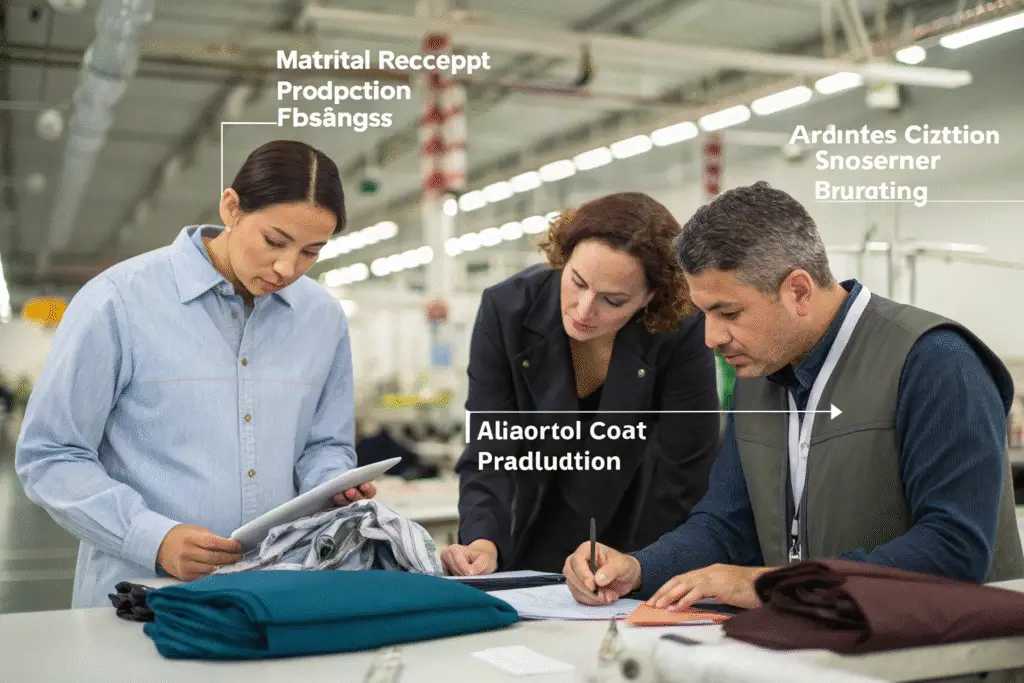
Accurate cost calculation depends on confirmed material availability and characteristics. Estimating costs before material receipt often leads to budget variances and unexpected expenses.
Material costs represent 50-70% of total apparel production expenses. Until materials are physically received and verified, true costs remain uncertain.
How Do Material Variations Affect Pricing?
Material variations significantly impact production costs. The same fabric from different production batches can vary in weight, width, or performance characteristics, affecting yield and production efficiency. At Shanghai Fumao, we've observed that material variations can alter production costs by 12-18%, making precise costing impossible before material verification.
What Hidden Costs Emerge Without Material Confirmation?
Proceeding without confirmed materials often reveals hidden costs including production delays, material substitution premiums, and expedited shipping charges. A Chicago sportswear brand discovered this when their planned fabric failed quality checks upon arrival, requiring last-minute substitution that increased their material costs by 22% and added two weeks to their timeline.
How Does Material Coordination Impact Overall Timeline?
Material receipt synchronizes all production elements, creating a reliable starting point that coordinates pattern making, cutting, sewing, and finishing operations.
Effective manufacturing requires precise coordination between multiple departments and processes. Material receipt provides the synchronization point that aligns these complex operations.
What Departments Depend on Material Receipt?
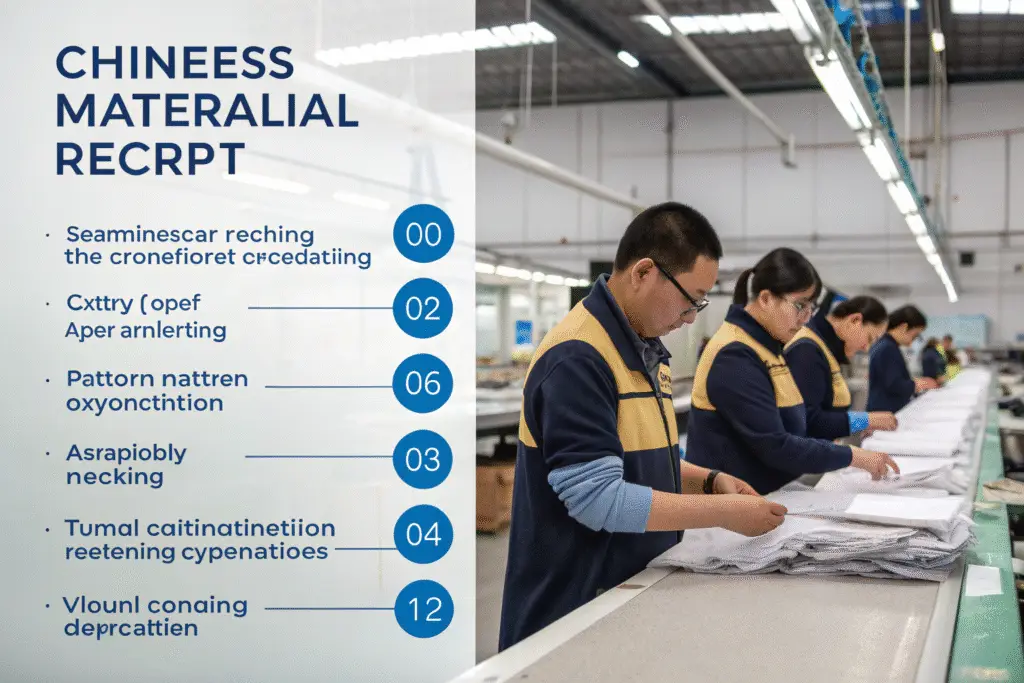
Seven distinct departments await material receipt before commencing their specific tasks: quality control, pattern making, fabric relaxation, cutting, sewing, finishing, and packaging. The clothing manufacturing process at our facility maintains optimal efficiency when all departments begin their work with confirmed materials, reducing inter-departmental waiting time by 65% compared to staggered starts.
How Does Staggered Material Arrival Affect Scheduling?
Staggered material arrival creates production bottlenecks and inefficiencies. When components like fabrics, trims, and labels arrive at different times, production cannot flow smoothly. We've developed a consolidated receiving system that coordinates all material arrivals, typically reducing total production time by 23% compared to piecemeal material receipt.
Conclusion
Material receipt legitimately starts the development clock because it represents the moment when theoretical planning transitions to practical execution. This approach creates reliable timelines, ensures quality consistency, maintains cost accuracy, and enables efficient production coordination.
At Shanghai Fumao Clothing, our commitment to starting the clock only when materials are physically present and verified has built trust with American brands seeking predictable manufacturing partnerships. This principle ensures that the timelines we provide reflect reality rather than optimism, allowing brands to plan their market activities with confidence. If you're looking for a manufacturing partner who values transparency and reliability in development scheduling, contact our Business Director Elaine today at elaine@fumaoclothing.com to discuss how our material-driven timeline approach can bring certainty to your production planning.