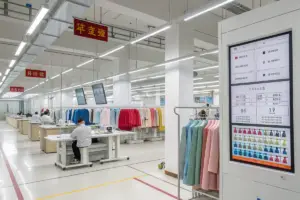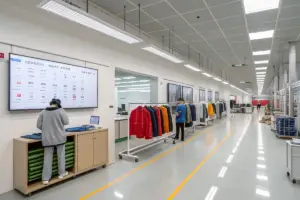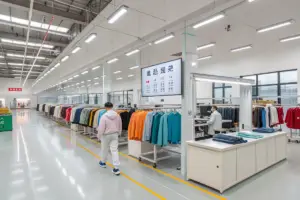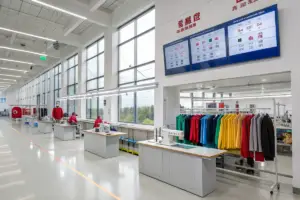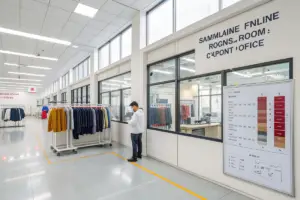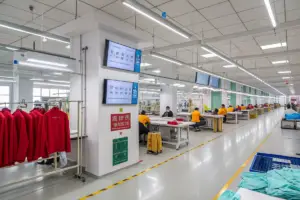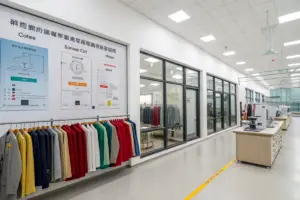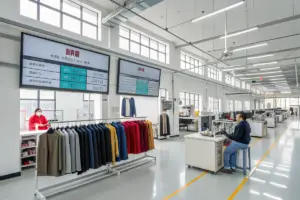
As the owner of Shanghai Fumao with over a decade in apparel manufacturing, I understand that sample development timing is one of the most common concerns for American brands. Getting this phase right sets the foundation for successful production, but understanding the realistic timeframes is crucial for planning your collections effectively.
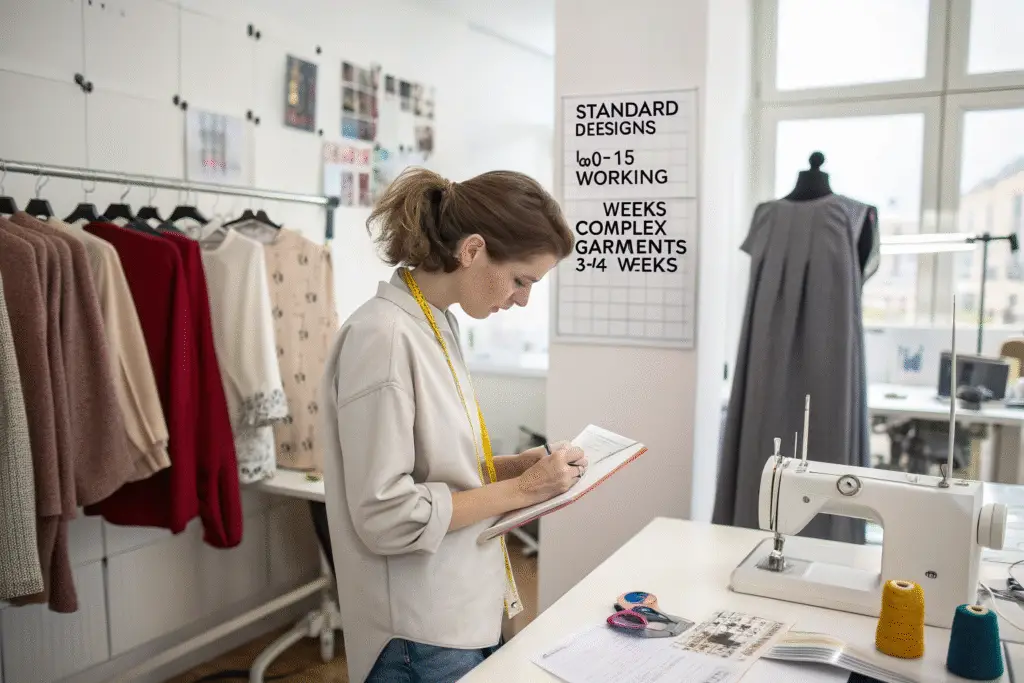
The lead time for clothing sample development typically ranges from 2 to 6 weeks, depending on design complexity, fabric availability, and revision requirements. At Shanghai Fumao, we’ve optimized our sample development process to deliver initial samples within 10-15 working days for standard designs, while complex technical garments may require 3-4 weeks.
Sample development represents the critical bridge between your design concept and mass production. Understanding what influences these timelines helps brands plan more effectively and avoid costly delays in their product development cycle.
What Factors Determine Sample Development Duration?
Multiple variables influence how long your sample development will take. Recognizing these factors helps set realistic expectations and identifies opportunities for timeline optimization.
The sample development process isn’t one-size-fits-all. A basic t-shirt sample might take just 7-10 days, while a technical outerwear piece with multiple components could require a month or more.
How Does Design Complexity Impact Sample Timing?
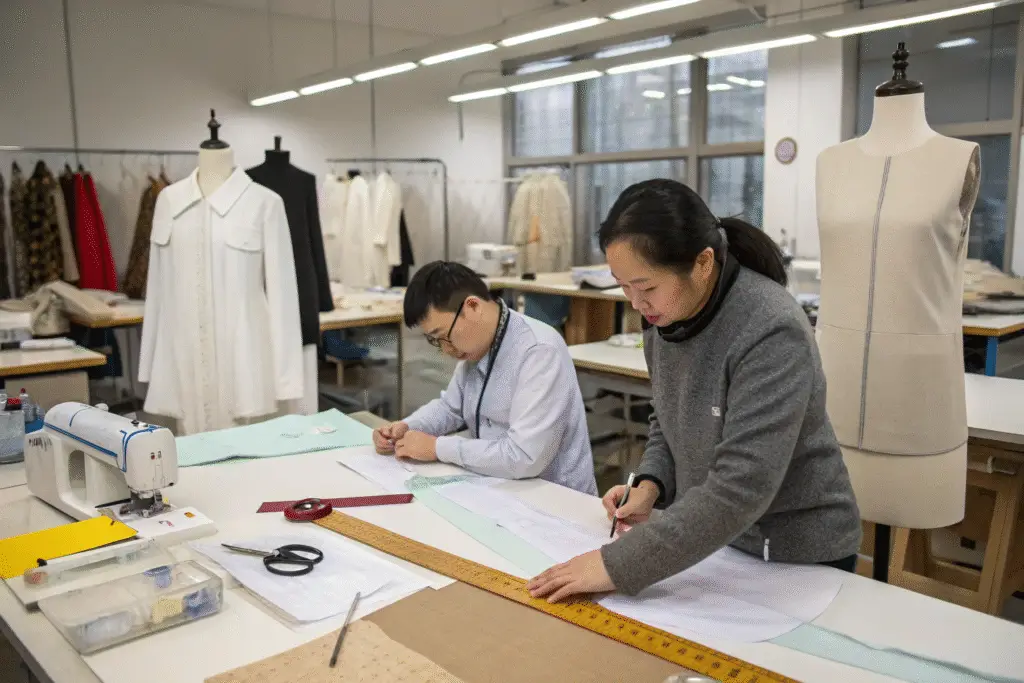
Design complexity significantly affects sample development duration. Simple designs with standard construction techniques progress quickly, while intricate designs with special features require additional time. Elements like complex pattern-making, specialized construction methods, or unique finishing details all extend the timeline. The garment sampling process for a basic woven shirt typically takes 10-12 days at our facility, while a technical jacket with multiple components and performance features might require 18-25 days.
What Role Does Fabric Sourcing Play in Sample Timing?
Fabric availability directly impacts how quickly sample development can begin and proceed. Using stock fabrics from our extensive library can shave days off your timeline, while sourcing special or custom-developed textiles adds significant time. We recently helped a Los Angeles-based activewear brand reduce their sample development time from 6 weeks to just 3 weeks by guiding them toward equally suitable but more readily available fabric alternatives.
How Can You Streamline Your Sample Development Process?
Efficient sample development requires proactive planning and clear communication. Brands that master these elements consistently achieve faster sample turnaround without compromising quality.
Streamlining begins long before the first pattern is cut. Preparation and clarity at the initial stages prevent delays throughout the development cycle.
What Preparation Accelerates Sample Development?
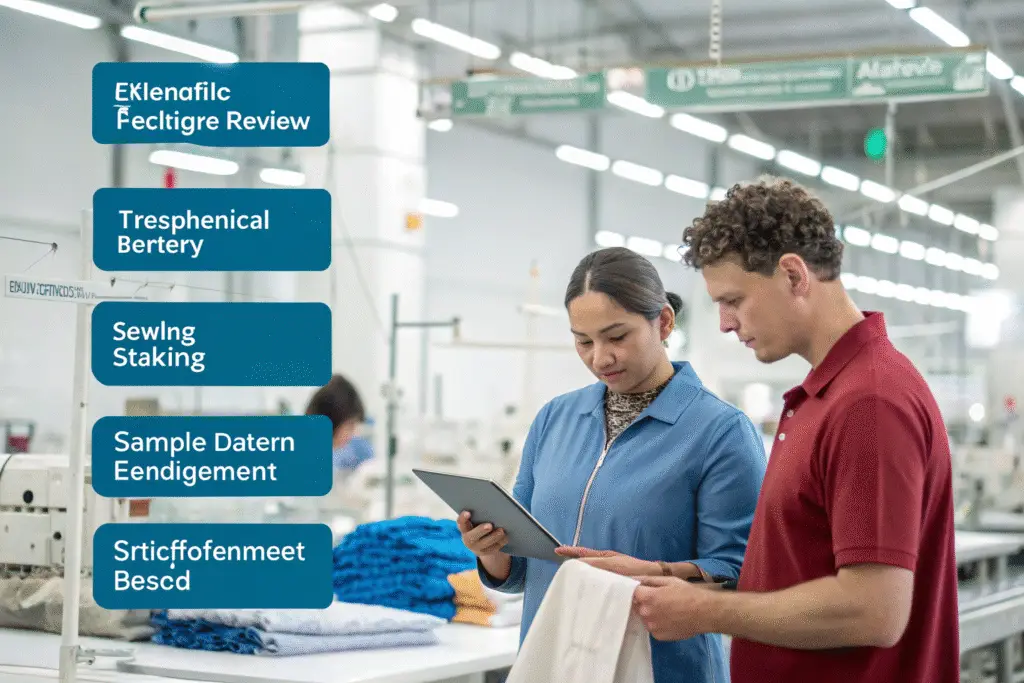
Comprehensive technical packages dramatically reduce sample development time. When designs include detailed specifications, accurate measurements, clear construction details, and precise fabric information, the sample team can work efficiently without seeking clarifications. At Shanghai Fumao, we provide clients with detailed templates that capture all necessary information, typically reducing sample revision cycles by 30-40% compared to projects with incomplete specifications.
How Does Digital Sampling Save Time?
Digital sampling technology has revolutionized the initial approval process, significantly compressing development timelines. While physical samples remain essential for final validation, 3D digital samples allow for rapid iteration on fit and design details before cutting physical prototypes. We’ve integrated 3D sampling into our development process at Shanghai Fumao, allowing clients to review and approve basic design elements within days rather than weeks.
What Is Realistic For Sample Revision Timelines?
Sample revisions are a normal part of the development process, but understanding realistic timeframes for each revision round helps manage expectations and project planning.
Most projects require 2-3 sample revisions before final approval. Each round typically adds 5-10 business days to the overall timeline, depending on the complexity of changes required.

How Long Do Fit Revisions Typically Take?
Fit revisions generally require 5-7 business days for standard adjustments. More complex fit issues involving pattern re-engineering may extend to 7-10 days. The clothing sample development timeline for fit revisions depends on the garment type and the extent of changes needed. We’ve developed a systematic approach to fit corrections that has reduced our average fit revision time by 25% over the past two years.
What’s The Timeline for Design Detail Revisions?
Revisions to design details like trims, embroidery, or construction elements typically take 4-6 business days. These revisions often require sourcing alternative materials or adjusting production techniques. One of our Chicago-based clients reduced their design revision time from 10 days to 4 days by utilizing our extensive trim library rather than sourcing custom components for their initial samples.
How Does Sample Complexity Affect Development Time?
Different garment categories require varying development timeframes. Understanding these differences helps in planning your product development calendar more accurately.
The sample development timeline varies significantly across product categories, with technical garments naturally requiring more time than basic styles.
What Are Typical Timelines for Basic versus Technical Garments?
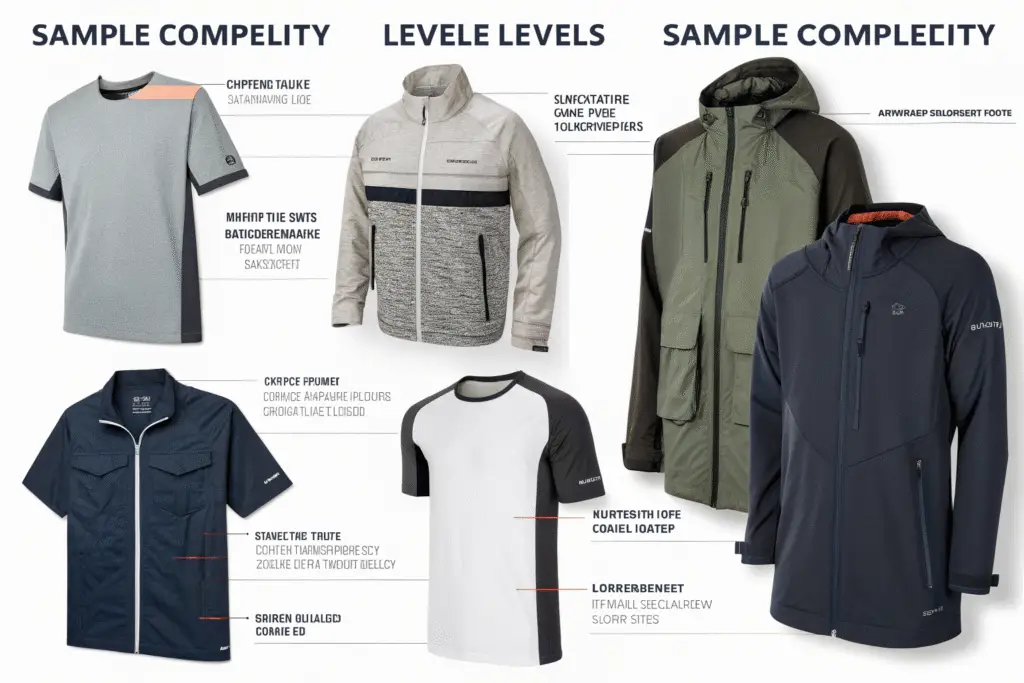
Basic garments like t-shirts and simple woven tops typically require 7-14 days for initial samples. Technical garments like jackets, performance wear, or complex dresses generally need 15-30 days. The apparel sample development for a basic knit style at our facility averages 10 days, while a technical snowboard jacket with multiple fabrications and performance features typically requires 22-28 days.
How Do Special Techniques Impact Development Time?
Special manufacturing techniques like intricate embroidery, complex printing, or unique fabric treatments add significant time to sample development. Embroidery samples typically add 3-5 days, while complex print development can add 5-7 days. We helped a New York fashion brand navigate this challenge by developing their intricate embroidery designs concurrently with their basic garment patterns, saving them 8 days in their overall development timeline.
Conclusion
Understanding sample development lead times is essential for successful clothing production planning. While standard samples typically take 2-3 weeks and complex designs may require 4-6 weeks, numerous factors can influence these timeframes. Proper preparation, clear communication, and strategic decisions about design complexity and materials can significantly optimize your development schedule.
At Shanghai Fumao Clothing, we’ve refined our sample development process through years of serving American brands, creating systems that deliver high-quality samples within competitive timeframes. Our experienced team understands how to balance speed with quality, ensuring your samples accurately reflect your vision while maintaining realistic development schedules. If you’re looking for a manufacturing partner who values both efficiency and excellence in sample development, contact our Business Director Elaine today at elaine@fumaoclothing.com to discuss how we can streamline your sampling process and accelerate your path to production.