As the owner of Shanghai Fumao, I've witnessed numerous American apparel brands face costly delays in their custom garment production. These setbacks often result in missed market opportunities and diminished profitability. The good news is that there are proven strategies to accelerate your manufacturing timeline without compromising quality.
Expediting custom garment production requires strategic planning, streamlined communication, and leveraging manufacturer expertise. By implementing pre-production protocols, optimizing design decisions, and maintaining collaborative relationships, brands can significantly reduce lead times while maintaining quality standards.
Many brands approach manufacturing with unrealistic expectations, but through years of serving the U.S. market, we've identified concrete methods that deliver faster turnaround times. Let's explore practical approaches that actually work.
What Pre-Production Strategies Speed Up Manufacturing?
Proper preparation before production begins is the most effective way to compress your timeline. Brands that master pre-production often see 20-30% faster completion times.
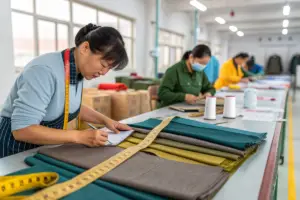
Pre-production encompasses all activities before bulk manufacturing, including fabric sourcing, technical package preparation, and sample approval. We recently worked with a New York-based startup that implemented our pre-production checklist and reduced their overall timeline from 16 to 11 weeks while actually improving quality outcomes.
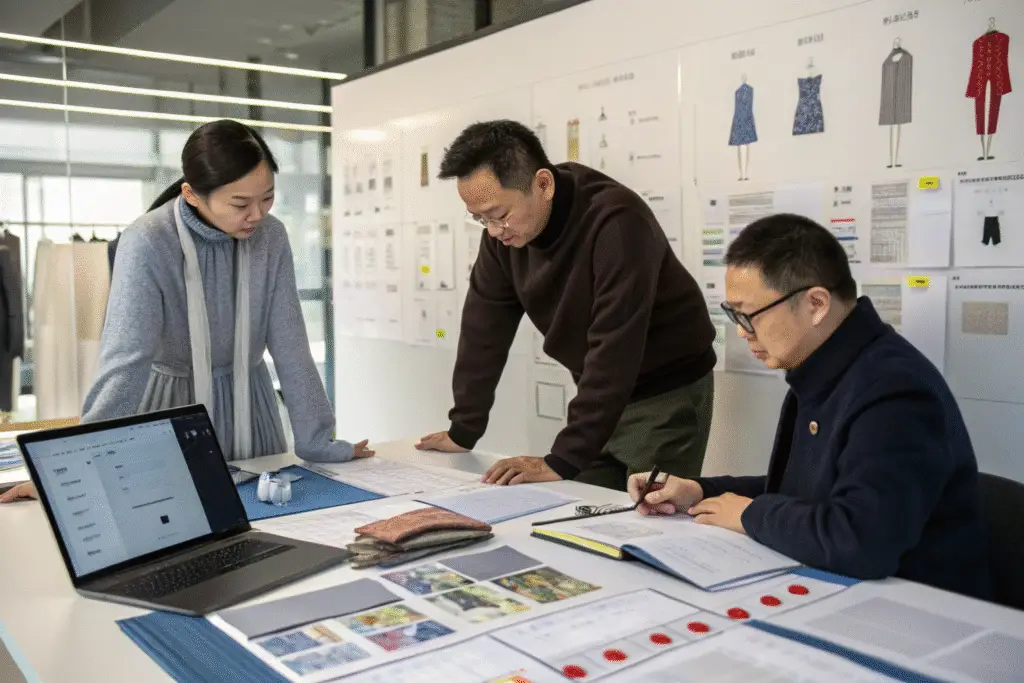
How Can Better Technical Packages Accelerate Production?
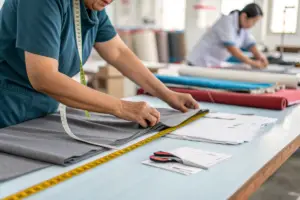
A comprehensive technical package is your blueprint for efficient manufacturing. Incomplete or unclear specs cause significant delays through repeated clarifications and sample revisions. The apparel production process flows smoothly when technical packages include detailed garment measurements, construction details, fabric specifications, and trim requirements. At Shanghai Fumao, we provide clients with standardized templates that capture all necessary information, reducing pre-production delays by up to 40% compared to unstructured approaches.
What Role Does Fabric Selection Play in Timeline Reduction?
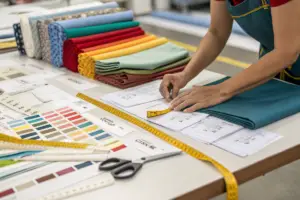
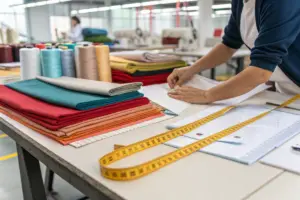
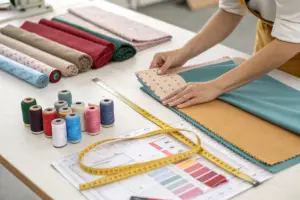
Strategic fabric choice dramatically impacts production speed. Opting for materials that are readily available from mill partners can shave weeks off your timeline. We maintain a database of regularly stocked fabrics with reliable availability, allowing clients to make informed selections. One of our Miami-based clients reduced their sourcing time from 5 weeks to just 10 days by selecting from our pre-vetted fabric library rather than pursuing custom textile development.
How Does Design Optimization Impact Production Speed?
Design complexity directly correlates with manufacturing time. Simplifying designs at strategic points can dramatically accelerate production without sacrificing aesthetic appeal.
Every design element carries production implications. Complex constructions, intricate details, and difficult-to-source components all extend timelines. Through value engineering, we help clients identify where simplification can save time while maintaining design integrity.
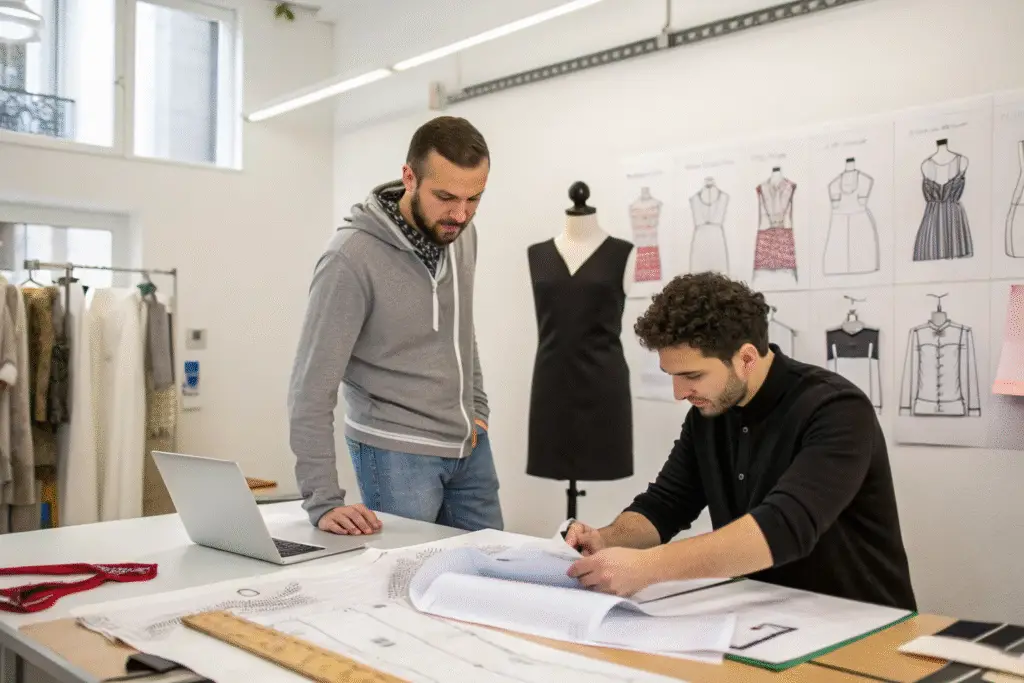
Which Design Elements Typically Cause Delays?
Certain design features consistently create production bottlenecks. These include complex embroidery, custom-developed trims, hand-applied details, and unconventional constructions. We helped a Chicago-based brand modify their embroidery designs to reduce stitch count by 35%, cutting production time by four days per batch while maintaining visual impact. Understanding which elements to prioritize and where to simplify is key to garment manufacturing efficiency.
How Can Standardization Speed Up Custom Production?
Leveraging standardized components across multiple styles creates significant time savings. Using consistent size specs, common trims, and established construction methods allows factories to optimize their processes. At Shanghai Fumao, we encourage clients to develop style families with shared components, which typically reduces sampling time by 50% and production time by 15-20% compared to completely unique designs.
What Manufacturing Partnerships Accelerate Timelines?
Choosing the right production partner and maintaining effective collaboration are critical factors in expediting your schedule. The manufacturer's capabilities and communication practices directly impact timeline reliability.
Not all factories are equal in their ability to accommodate expedited timelines. Manufacturers with vertical operations, multiple production lines, and established supply chains typically deliver more predictable and often faster turnaround times.
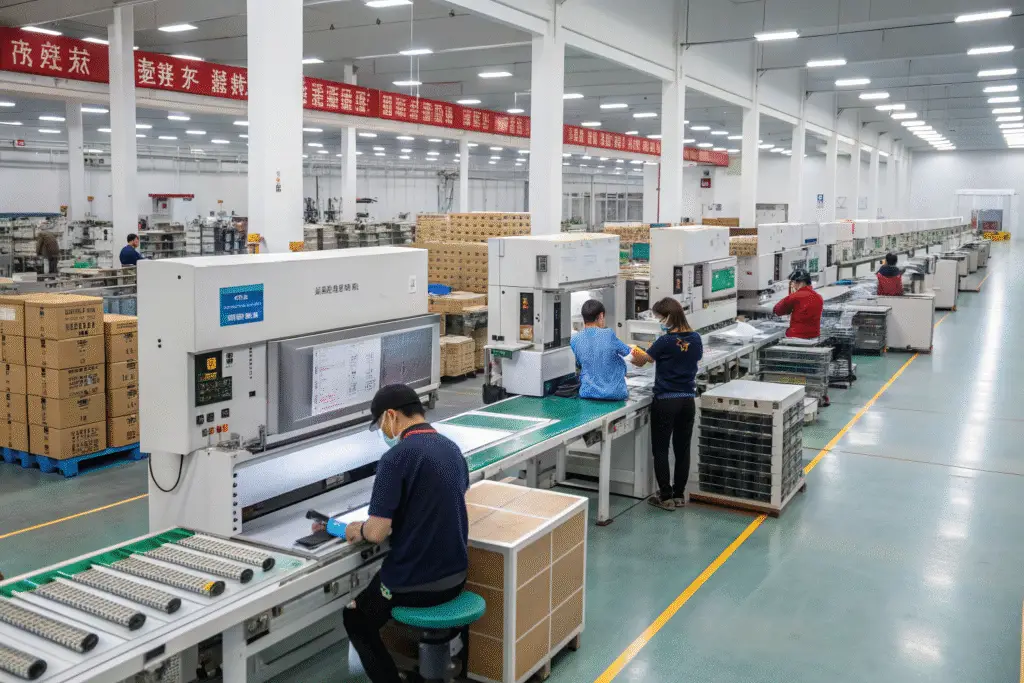
How Does Factory Selection Impact Production Speed?
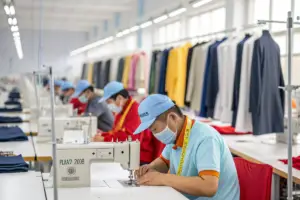
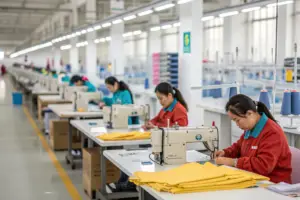
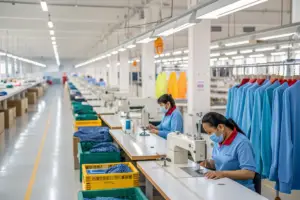
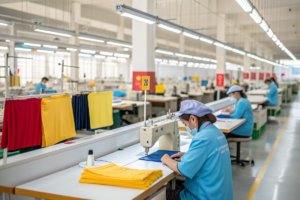
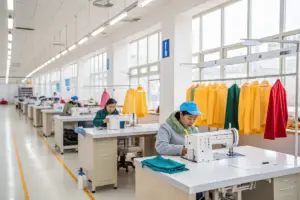
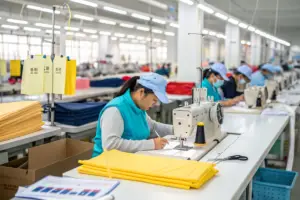
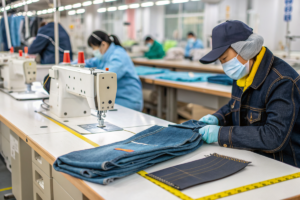
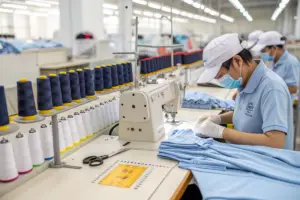
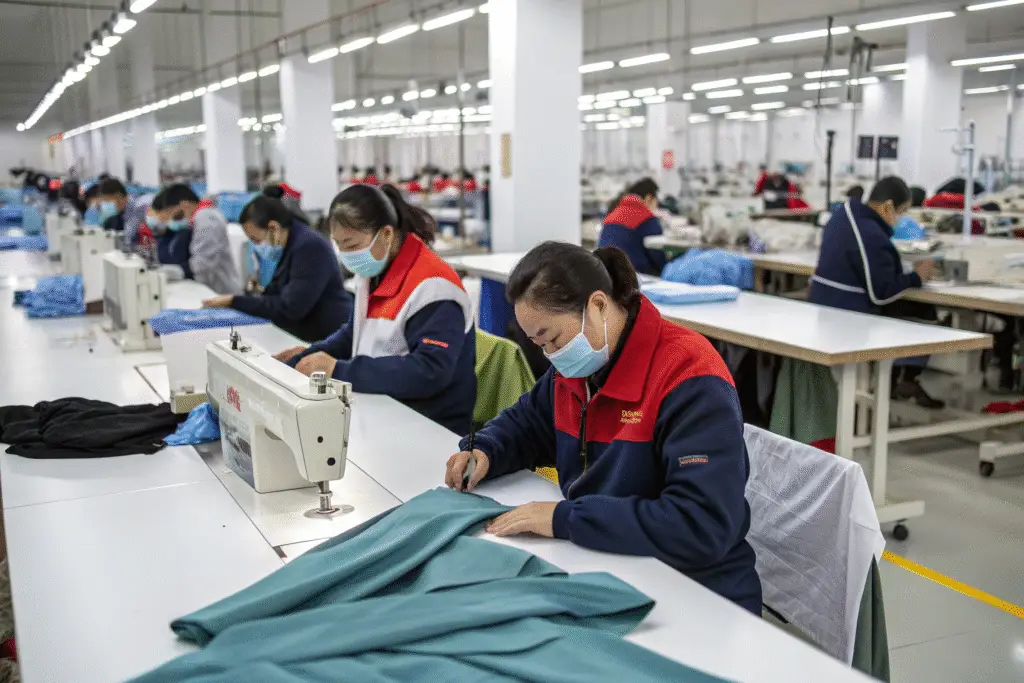
Manufacturers with integrated services typically deliver faster turnaround times. Facilities that handle cut and sew operations, embroidery, printing, and finishing under one roof eliminate coordination delays between multiple vendors. Our five production lines at Shanghai Fumao allow us to run concurrent processes, typically reducing overall production time by 25% compared to facilities that must outsource certain production stages.
What Communication Practices Reduce Delays?
Streamlined communication protocols prevent misunderstandings that cause rework and delays. We implement weekly production updates with photographic evidence and maintain a centralized digital platform for all client communications. A Texas-based brand we work with reduced their approval cycle from 5-7 days to 48 hours by adopting our structured communication system and designated point-of-contact approach.
How Can Technology and Planning Expedite Production?
Leveraging digital tools and strategic scheduling can significantly compress your production timeline. Technology addresses many traditional bottlenecks in the manufacturing process.
Modern manufacturing increasingly relies on digital solutions for speed and accuracy. From 3D sampling to production monitoring systems, technology offers numerous opportunities to accelerate timelines while maintaining quality control.
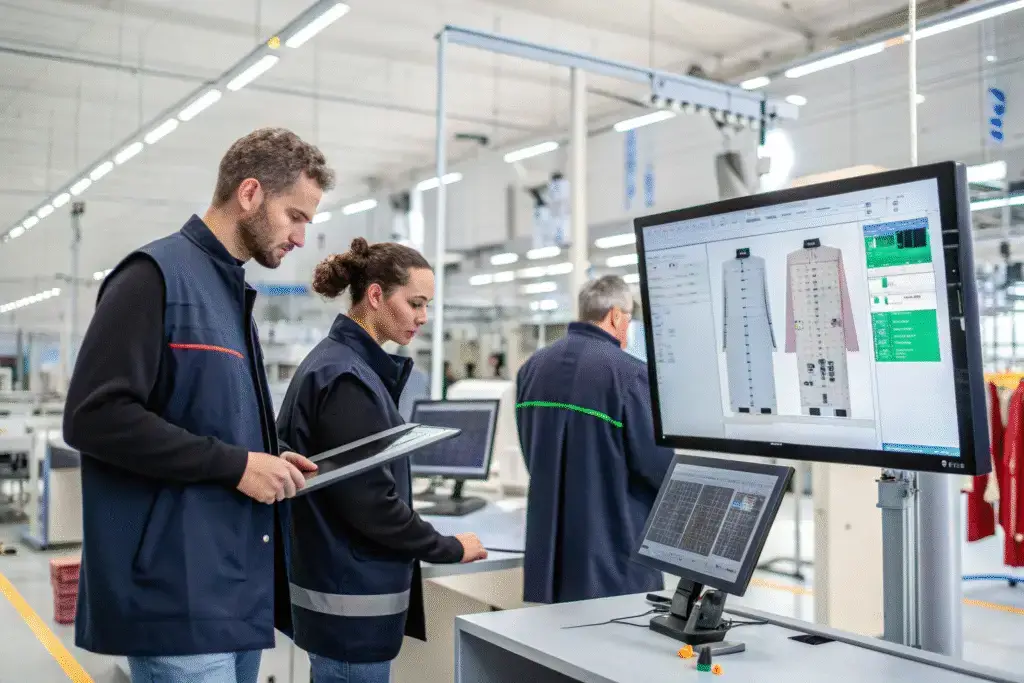
Can Digital Sampling Really Save Time?
3D sampling technology has revolutionized the approval process, dramatically reducing traditional sampling time. While physical samples remain necessary for final validation, digital samples allow for rapid iteration on fit and design details. We've integrated 3D sampling into our process at Shanghai Fumao, typically reducing the sampling phase from 4-6 weeks to 10-14 days for our clients. This approach also supports more sustainable fashion manufacturing practices by reducing material waste.
What Planning Strategies Prevent Delays?
Strategic scheduling that accounts for factory capacity and seasonal fluctuations prevents many common delays. We maintain a production calendar that identifies optimal timing for different order types and help clients plan around peak manufacturing periods. Brands that schedule production during traditionally slower months often benefit from 15-20% faster turnaround times and more focused attention from production teams.
Conclusion
Expediting custom garment production requires a comprehensive approach that addresses pre-production planning, design optimization, partnership selection, and technological integration. The most successful brands recognize that speed and quality aren't mutually exclusive when the right systems are in place.
At Shanghai Fumao Clothing, we've refined our processes specifically to help American brands achieve faster turnaround times without compromising their standards. Our integrated manufacturing approach, combined with strategic guidance and transparent communication, ensures that your custom garments reach the market at the optimal time. If you're ready to streamline your production schedule while maintaining quality, contact our Business Director Elaine today at elaine@fumaoclothing.com to discuss how we can accelerate your next collection.