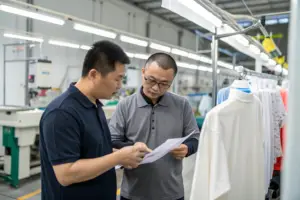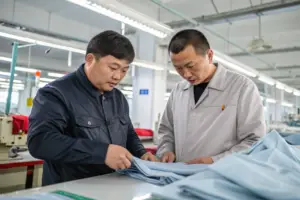
As a seasoned apparel manufacturer, I've seen countless American brands struggle with unpredictable production schedules, especially for kids' wear. This inconsistency often leads to missed selling seasons and frustrated clients. Understanding why these timelines fluctuate is crucial for maintaining a competitive edge in the fast-paced fashion industry.
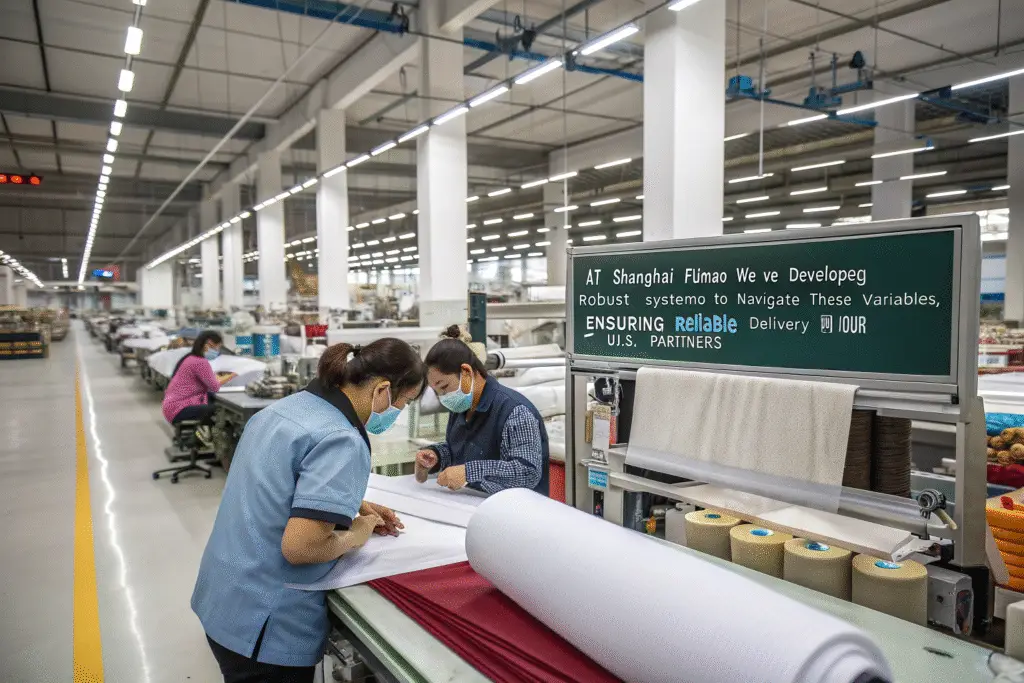
The variation in kids wear manufacturing lead times stems from multiple factors including fabric sourcing complexity, design intricacy, order quantity fluctuations, and seasonal production peaks. At Shanghai Fumao, we've developed robust systems to navigate these variables, ensuring reliable delivery for our U.S. partners.
Many apparel buyers assume manufacturing timelines are straightforward, but the reality involves numerous moving parts that can significantly impact production schedules. Let's explore the key reasons behind these variations and how you can better plan your collections.
What Fabric Factors Affect Production Timelines?
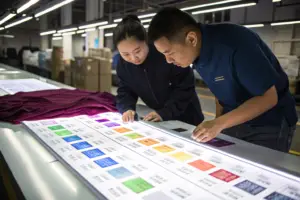
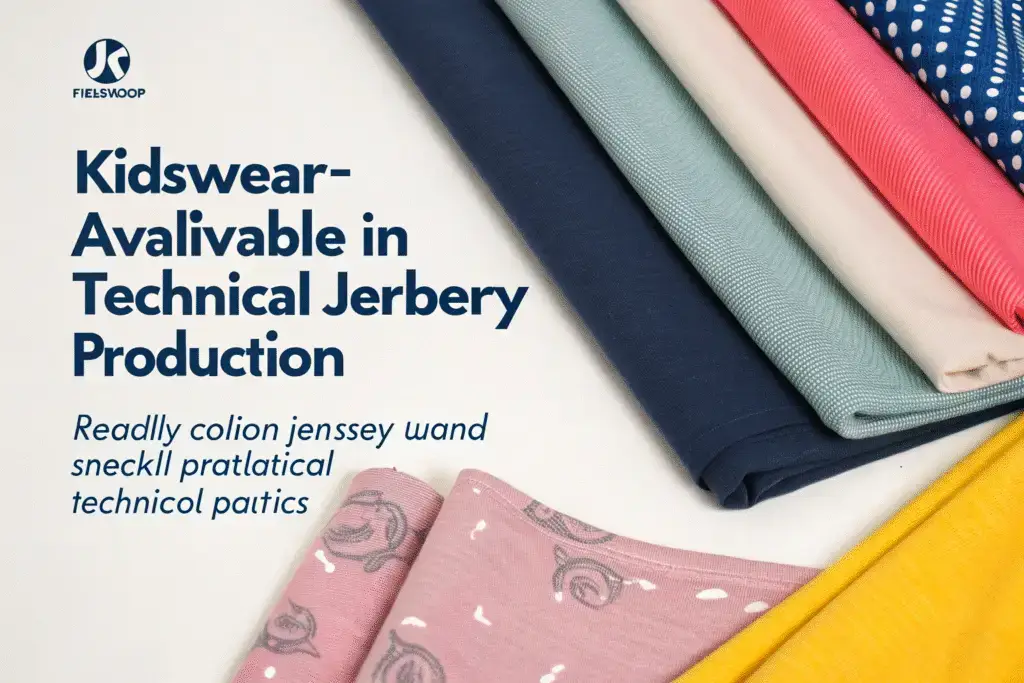
Fabric selection represents one of the most significant variables in kidswear production. The timeline difference between using readily available cotton jersey versus specialized technical fabrics can span several weeks.
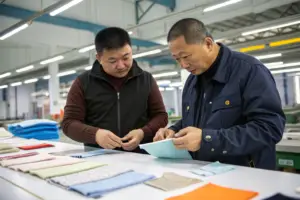
Common fabrics like basic cotton knits typically have shorter lead times since they're regularly stocked by mills. However, specialty materials like organic cotton, performance fabrics, or custom-dyed textiles require additional processing time. We recently worked with a children's activewear brand that needed moisture-wicking fabric with specific safety certifications, which added three weeks to their timeline compared to using standard materials.
How Does Fabric Availability Impact Scheduling?
Fabric availability directly influences production start dates. When mills have materials in stock, manufacturing can begin immediately. However, custom-developed fabrics require extended lead times. The global textile supply chain faces frequent disruptions, affecting material availability. We maintain strong relationships with multiple certified suppliers to mitigate these risks. For instance, we always recommend clients planning holiday collections to initiate fabric sourcing by early spring to avoid autumn delays.
What Role Do Fabric Certifications Play?
Safety certifications add another layer to timeline considerations. Children's wear requires rigorous testing for flammability, chemical content, and physical safety. At Shanghai Fumao, we streamline this process through pre-certified fabrics and established relationships with testing facilities. Last year, we helped a startup brand navigate Oeko-Tex and CPSIA certification requirements, compressing the typical 4-week testing process to just 10 days through careful pre-planning and documentation.
How Do Design Complexities Create Delays?
The transition from design concept to production-ready patterns significantly affects manufacturing schedules. Simple designs with standard measurements move quickly, while intricate styles demand more development time.
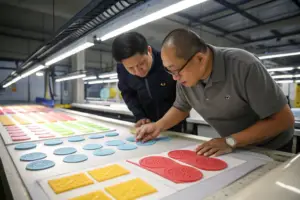
Design complexity encompasses multiple elements including pattern difficulty, trim sourcing, and construction methods. Basic t-shirts might require just 2-3 days for pattern making, whereas detailed dresses with multiple components could need 2-3 weeks. We've observed that designs incorporating special elements like embroidery, appliqué, or complex printing naturally extend timelines.
Why Does Sample Approval Take So Long?
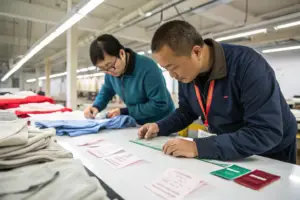
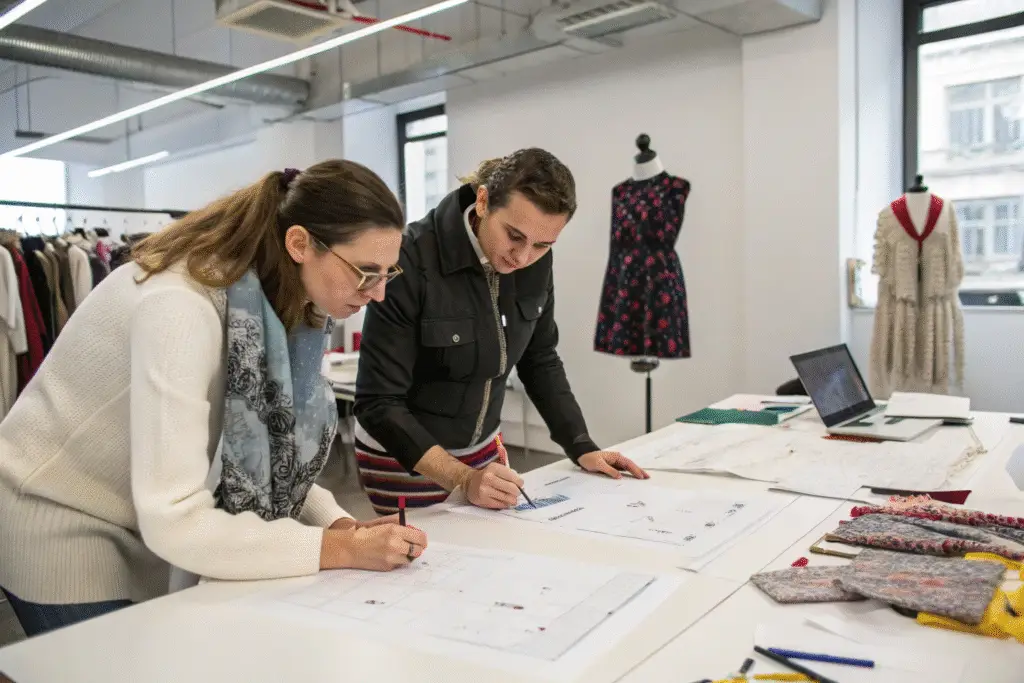
The sampling process involves multiple iterations between design teams and manufacturers. Each sample round typically adds 7-10 days to the timeline. Complex designs often require 3-4 rounds before final approval. Effective communication during this phase is crucial - we've reduced sample rounds for our partners by implementing detailed feedback systems and virtual fitting sessions. This approach helped one of our Los Angeles-based clients cut their development time by 30% compared to their previous manufacturer.
How Do Technical Requirements Affect Timelines?
Technical specifications like size grading, safety standards, and construction methods significantly impact schedules. Children's wear requires particular attention to detail regarding drawstrings, fasteners, and seam strength. The implementation of quality control measures throughout production ensures compliance but adds time to the process. We integrate these checks throughout manufacturing rather than just at the end, catching issues early and preventing larger delays.
What Production Factors Cause Timeline Variations?
Manufacturing capacity, order quantity, and production methods create significant schedule fluctuations throughout the year. Understanding these variables helps set realistic expectations.
Production timelines naturally expand and contract based on factory workload, order volume, and complexity. During peak seasons (typically January-March for summer collections and June-August for holiday), facilities operate at maximum capacity, extending lead times. Smaller orders sometimes progress faster through production lines, while larger quantities require more time.
How Does Order Quantity Influence Manufacturing Speed?
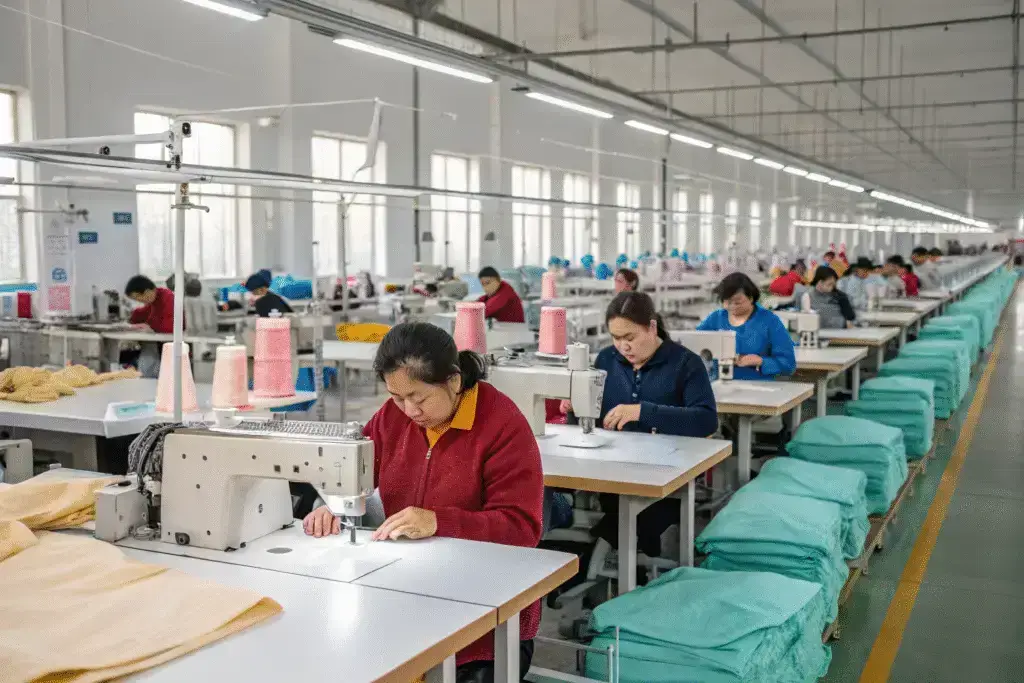
Order volume directly affects production duration. Smaller runs (under 1,000 pieces) might complete in 2-3 weeks, while larger quantities (10,000+) typically require 6-8 weeks. However, this isn't always linear - we've optimized our production lines at Shanghai Fumao to handle multiple smaller batches efficiently, providing flexibility for emerging brands. Our five dedicated production lines allow us to run concurrent orders without compromising on timing or quality.
What Impact Does Seasonal Demand Have?
The apparel industry follows predictable seasonal rhythms that dramatically affect manufacturing capacity. Factories experience highest demand during:
- January-March: Summer collection production
- June-August: Holiday season manufacturing
These peaks typically add 2-3 weeks to standard lead times. Smart planning involves manufacturing transitional pieces during slower periods. We maintain a production calendar that helps clients visualize these fluctuations and plan accordingly.
How Can You Ensure More Predictable Lead Times?
Proactive planning, clear communication, and strategic partnerships are key to stabilizing manufacturing timelines. Experience has shown us that collaborative approaches yield the most reliable results.
Establishing predictable lead times requires understanding the entire production ecosystem and building buffers for critical path items. Through years of serving the U.S. market, we've identified several strategies that significantly improve timeline reliability.

What Planning Strategies Reduce Delays?
Advanced planning remains the most effective strategy for timeline management. We recommend clients initiate discussions 6-8 months before desired delivery dates. This allows adequate time for fabric sourcing, sample development, and production scheduling. Creating a detailed production timeline with clear milestones helps identify potential bottlenecks early. One of our most successful brand partners shares their annual collection plan each November, enabling us to reserve capacity and streamline their production throughout the year.
How Does Supplier Selection Impact Schedule Reliability?
Choosing the right manufacturing partner significantly affects timeline consistency. Established factories with multiple production lines and strong supplier relationships can navigate challenges more effectively. At Shanghai Fumao, our vertically integrated services and established apparel manufacturing processes provide stability that smaller operations cannot match. Our DDP (Delivered Duty Paid) service further simplifies logistics, ensuring smooth transit to U.S. destinations.
Conclusion
Understanding the variables affecting kids wear manufacturing lead times empowers brands to make smarter production decisions. From fabric selection to production planning, each element plays a crucial role in determining how quickly your garments move from concept to delivery. The most successful brands recognize that manufacturing timelines involve multiple interdependent factors requiring careful coordination.
At Shanghai Fumao Clothing, we've dedicated years to refining our processes specifically for the U.S. market, developing systems that navigate these variables while maintaining quality and reliability. Our expertise across diverse apparel categories, combined with competitive pricing and rigorous quality control, makes us the ideal partner for American brands seeking manufacturing stability. If you're looking to bring your kids wear visions to market with predictable timelines and exceptional quality, contact our Business Director Elaine today at elaine@fumaoclothing.com to discuss how we can become your trusted manufacturing extension.