Many fashion designers approach me frustrated that their creative visions seem impossible to produce in small quantities. They've been told their designs are "too complex for low MOQ" or that they need to compromise their aesthetic to work with smaller production runs. The truth is, low MOQ design isn't about limitation—it's about smart creativity that works with manufacturing realities.
Designing apparel for low minimum order quantities requires strategic simplification, modular thinking, fabric optimization, and understanding which design elements create cost efficiency without compromising aesthetic impact. The goal is maximizing design value while minimizing production complexity.
Successful low MOQ design balances creativity with manufacturing practicality, creating products that are both beautiful and economically viable to produce in small batches.
What Design Strategies Reduce Low MOQ Costs?
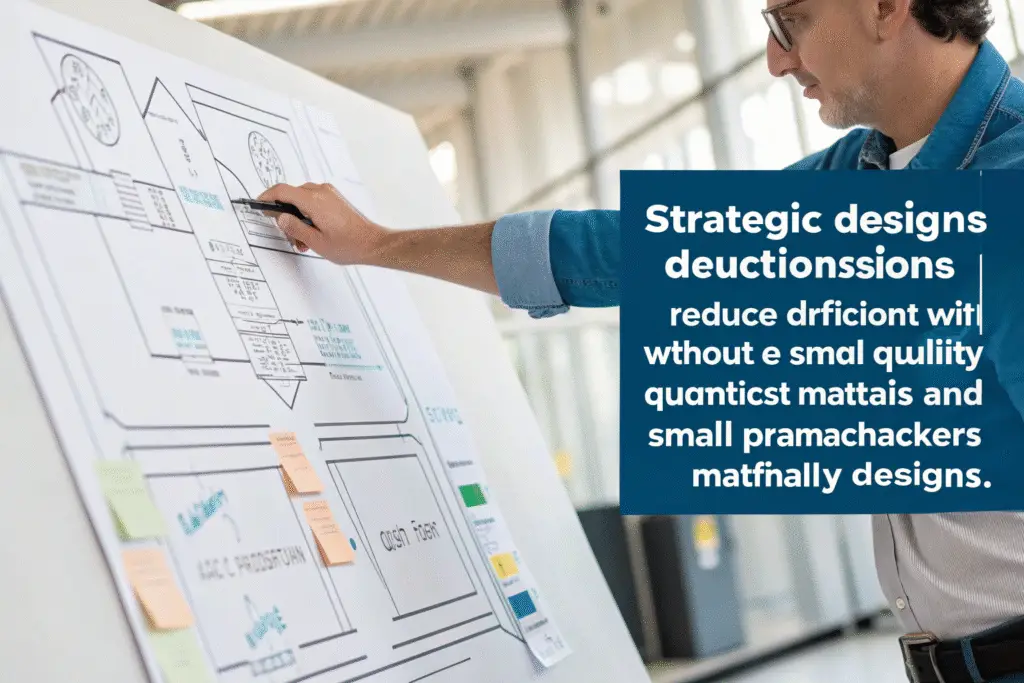
Strategic design decisions can dramatically reduce your production costs for small quantities without sacrificing the quality or aesthetic that defines your brand. The key is understanding which elements drive costs and how to achieve similar effects through more efficient methods.
A Los Angeles streetwear brand reduced their 100-unit production cost by 35% by redesigning their graphic tees to use stock fabrics and simplified printing techniques, while maintaining the bold aesthetic their customers loved.
How can you optimize garment construction for small batches?
Simplified garment construction with fewer pattern pieces and operations significantly reduces low MOQ costs. A Chicago brand redesigned their bestselling jacket from 18 pattern pieces to 12 by eliminating unnecessary seams and consolidating components. This change reduced their cutting and sewing time by 40%, making their 150-unit production economically viable while actually improving the garment's clean lines and comfort.
What role does trim and hardware selection play?
Strategic trim and hardware choices dramatically impact low MOQ feasibility. A Miami brand switched from custom-developed metal hardware to high-quality stock options, reducing their cost by 50% and lead time by 3 weeks. By selecting from our extensive stock trim library, they maintained their premium aesthetic while making their 120-unit production much more cost-effective. The key is choosing distinctive but available components that don't require custom manufacturing.
How Can Fabric Selection Optimize Low MOQ Production?
Fabric choice is the single most important factor in low MOQ cost efficiency. Strategic fabric selection can make the difference between a profitable small batch and an economically challenging one.
We helped a Portland brand reduce their fabric cost by 45% by switching from custom-woven fabric to a premium stock option with similar characteristics. The change made their 100-unit production profitable while maintaining their quality standards.
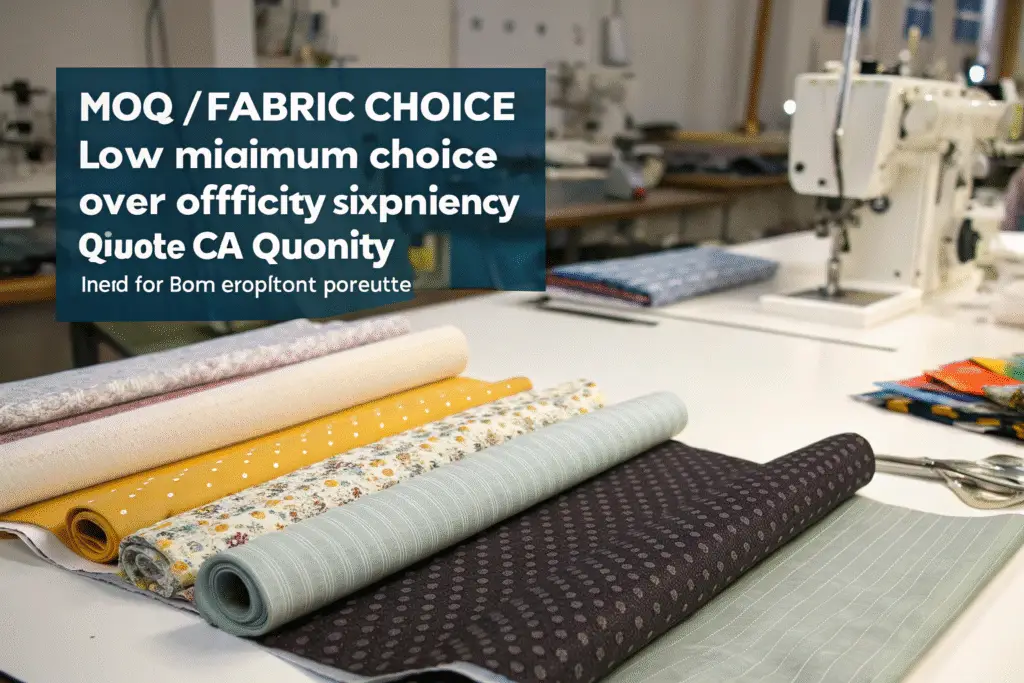
Why are stock fabrics advantageous for low MOQ?
Stock fabric utilization eliminates minimum order requirements and reduces lead times dramatically. A Seattle brand accesses our library of 200+ stock fabrics for their 150-unit collections, avoiding the 500-yard minimums that custom fabrics typically require. This approach has allowed them to launch 4 collections annually instead of 2, significantly increasing their revenue without increasing their inventory risk.
How can you maximize fabric efficiency in design?
Strategic pattern layout optimization increases fabric utilization, which is crucial for small batches where every yard counts. A Denver brand worked with our technical team to modify their pattern layouts, improving their fabric yield from 78% to 88%. This 10% improvement reduced their fabric cost by $4.50 per garment on their 140-unit order, directly improving their profit margin without changing their retail pricing.
What Is Modular Design And How Does It Help Low MOQ?
Modular design involves creating collections around shared components and design elements that can be mixed and matched. This approach maximizes variety while minimizing production complexity and cost.
A New York contemporary brand built their entire collection strategy around modular design, creating 12 distinct styles from just 3 base patterns through strategic variations in sleeves, necklines, and details.
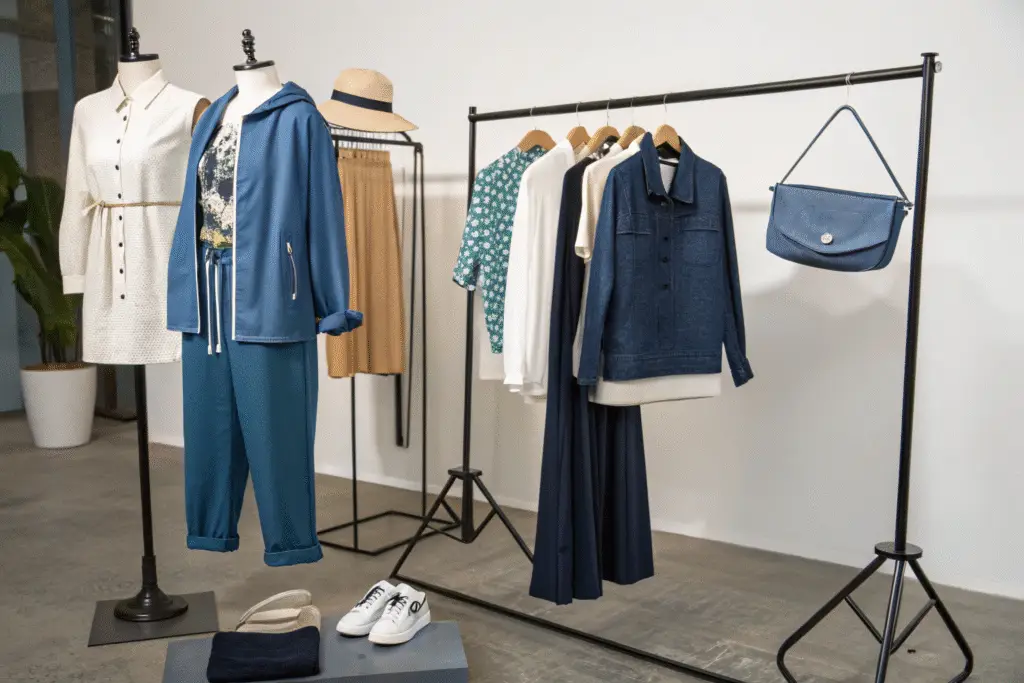
How does component sharing reduce costs?
Component standardization across multiple styles spreads development costs and increases production efficiency. A San Francisco brand designs their seasonal collections around shared pocket designs, placket styles, and cuff treatments. This approach reduced their pattern development cost by 60% across their 8-style, 150-unit-per-style collection, making their small batch production significantly more profitable.
What are smart color and print strategies?
Strategic color and print application can create visual variety without manufacturing complexity. A Boston brand uses the same garment base across multiple styles, varying only through strategic placement printing and color blocking. This approach allows them to produce 150 units total across 4 "styles" while only cutting and sewing one base garment, dramatically reducing their production cost and complexity.
How Can You Maintain Design Impact With Simplified Construction?
Design impact doesn't require complexity. Many of the most successful low MOQ designs achieve their visual appeal through clever use of color, texture, and strategic detailing rather than complex construction.
An Austin brand built their entire identity around minimalist designs with bold color stories and unexpected fabric combinations. Their simple silhouettes allowed them to produce profitably in 100-unit quantities while standing out in a crowded market.
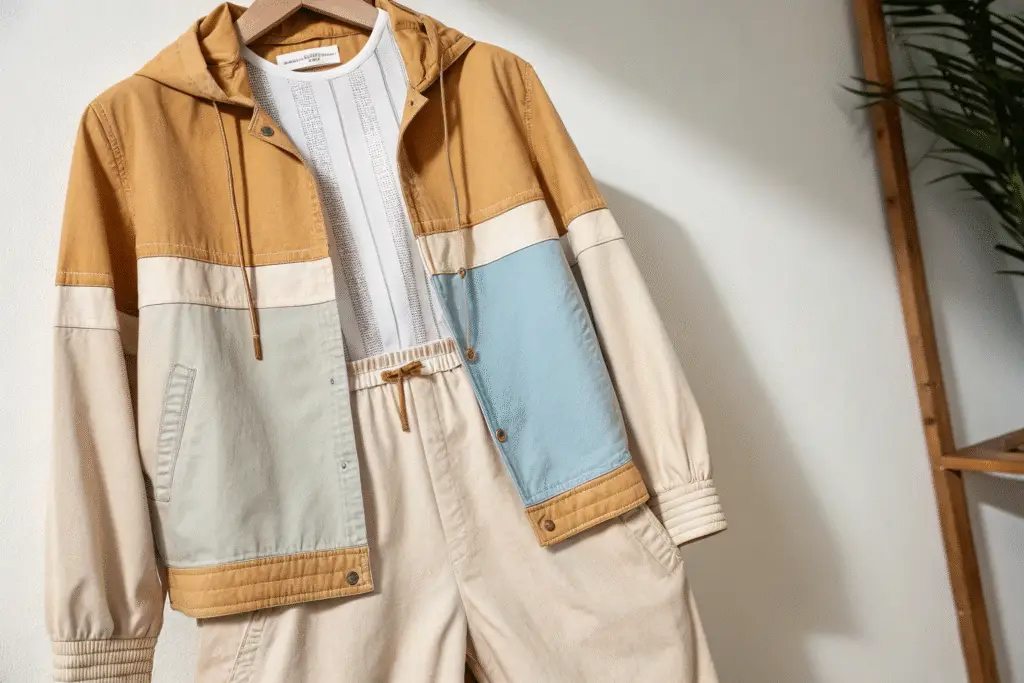
What detailing creates maximum impact with minimum cost?
Strategic design detailing like contrast stitching, strategic topstitching, or carefully placed labels can elevate simple garments significantly. A Nashville brand transformed basic tees into signature pieces through distinctive neckline finishing and custom woven labels at the side seam. These small touches created strong brand recognition while adding minimal cost to their 120-unit production.
How does fabric choice create design distinction?
Strategic fabric selection can differentiate your designs more effectively than complex construction. A Phoenix brand uses unusual fabric combinations—like technical nylon with soft cotton jersey—to create distinctive products from simple patterns. This approach has allowed them to maintain design uniqueness while producing profitably in 150-unit batches that larger competitors can't justify.
What Role Does Technical Design Play In Low MOQ Success?
Strong technical design is the foundation of successful low MOQ production. Clear, comprehensive technical packages prevent costly mistakes and revisions that disproportionately impact small batch economics.
We helped a Detroit brand develop technical package templates that reduced their sampling revisions from 3 rounds to 1, saving them 3 weeks and $2,500 on their 100-unit production.
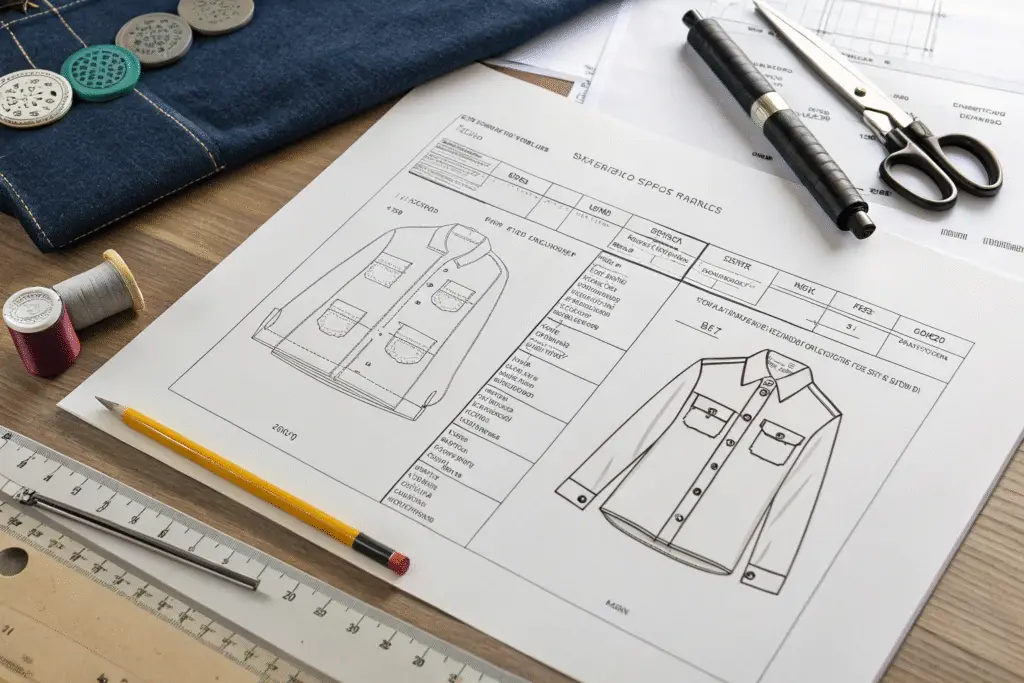
How do detailed tech packs prevent costly errors?
Comprehensive technical packages provide the clarity needed for right-first-time production. A Charlotte brand invested in professional technical drawings and detailed construction specifications, eliminating the misunderstandings that previously caused quality issues. This upfront investment paid for itself multiple times over by preventing a 30% defect rate on their 130-unit order that would have required costly rework.
What grading and sizing strategies work best for low MOQ?
Strategic size grading and size curve optimization ensure you produce the right quantity of each size. A Baltimore brand analyzed their sales data to create optimized size curves for their 150-unit productions, reducing their end-of-season leftover inventory from 25% to 8%. This data-driven approach dramatically improved their profitability by ensuring they produced quantities aligned with actual demand patterns.
Conclusion
Designing apparel for low minimum order quantities requires a shift in thinking from "what's possible" to "what's practical without compromising creativity." By focusing on strategic simplification, modular approaches, fabric optimization, and strong technical design, you can create compelling collections that are economically viable in small batches. The most successful low MOQ designers treat manufacturing constraints not as limitations but as creative challenges that often lead to more distinctive, commercially successful products.
If you're ready to design your next collection for low MOQ production success, our technical team can help you optimize your designs for manufacturing efficiency without compromising your creative vision. Contact our Business Director Elaine today at elaine@fumaoclothing.com to discuss how we can help you create beautiful, profitable apparel in quantities that match your business needs.