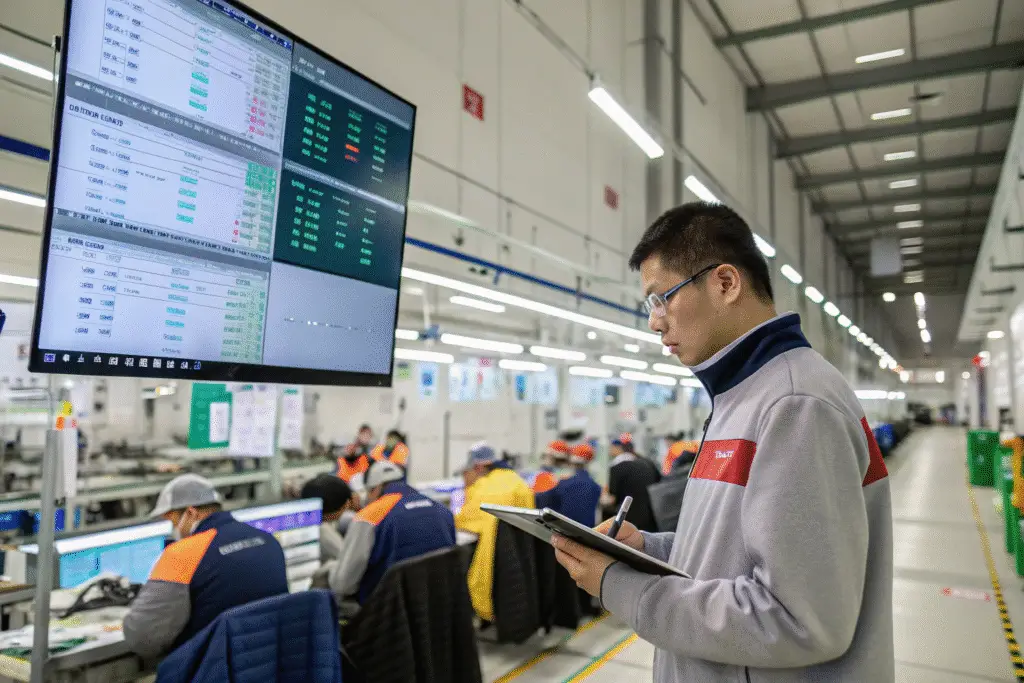
Many American fashion entrepreneurs ask me this question, often worried that small orders might get pushed behind larger productions or take unexpectedly long due to their limited quantity. The reality might surprise you—with the right manufacturing partner, 150-piece orders can move through production remarkably efficiently.
The lead time for a 150-piece MOQ order typically ranges from 4-6 weeks for production, plus 2-3 weeks for sampling and 1-2 weeks for shipping, resulting in a total timeline of 7-11 weeks from order confirmation to delivery. However, this varies based on fabric availability, design complexity, and seasonal factors.
Understanding what influences this timeline helps you plan effectively and set realistic expectations for your product launches and inventory planning.
What Factors Determine Your Specific Lead Time?
Lead time isn't a one-size-fits-all number—it's influenced by multiple variables that can either accelerate or delay your production. Understanding these factors helps you make decisions that optimize your timeline.
A streetwear brand from Austin reduced their typical lead time from 12 weeks to 6 weeks by making strategic choices about fabric selection and design simplification, allowing them to capitalize on a sudden social media trend that generated $25,000 in pre-orders.

How does fabric selection impact production timing?
Your fabric sourcing decision is the single biggest factor affecting lead time. Stock fabrics from our inventory can reduce fabric lead time from 4 weeks to just 2-3 days. A Chicago brand learned this when they switched from custom-developed fabric to our premium stock options—their 150-unit production timeline shortened by 28 days while maintaining their quality standards. We maintain an extensive stock fabric library specifically to support faster turnarounds for small batch clients.
What role does design complexity play in timing?
Complex designs with multiple components naturally require more production time. A Los Angeles brand producing 150-unit batches of technical outerwear found that simplifying their pocket constructions and reducing specialized operations cut their production time by 40%. The design for manufacturability approach maintained their aesthetic while making their timeline more predictable and responsive to market opportunities.
How Is The Production Timeline Structured?
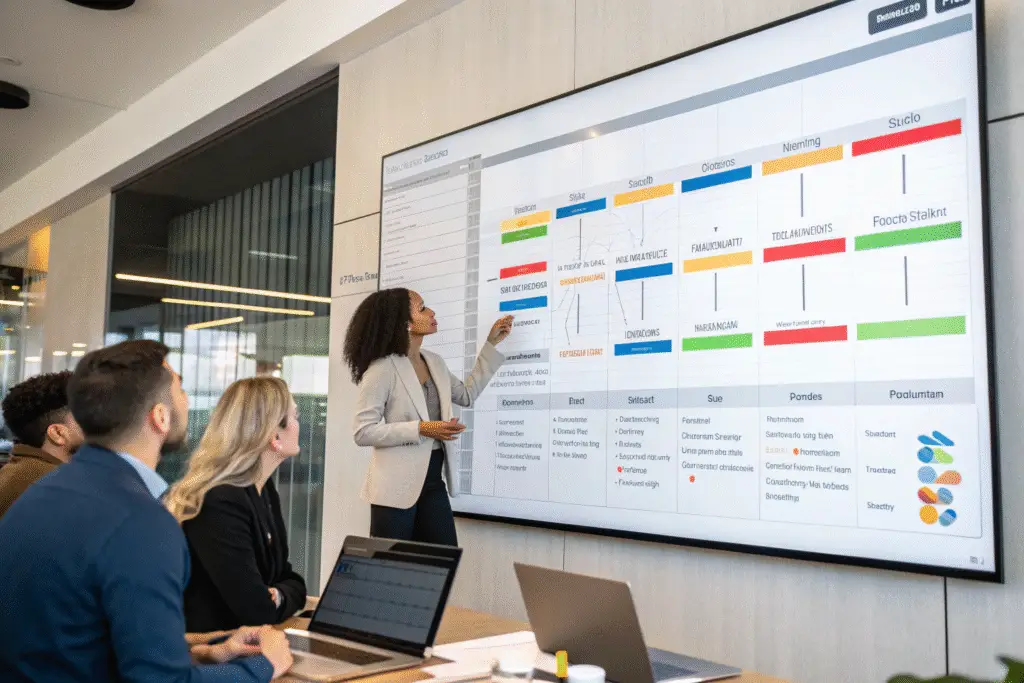
Understanding the breakdown of the 7-11 week timeline helps you plan each phase effectively and identify opportunities for acceleration when needed.
We provide clients with detailed timeline breakdowns that show exactly where time is allocated, enabling better planning for marketing, sales, and inventory management activities around their production schedule.
What happens during the pre-production phase?
The pre-production process typically requires 1-2 weeks and includes pattern making, sample development, and production planning. A Miami brand reduced this phase from 3 weeks to 8 days by providing comprehensive technical packages and clear reference samples. Their preparation eliminated the back-and-forth that often extends pre-production, getting their 150-unit order into production faster while maintaining quality standards.
How long does actual manufacturing take?
The production phase for 150 units typically requires 3-4 weeks in our optimized small batch system. A Seattle brand was surprised to learn that their previous manufacturer's 8-week production timeline included 3 weeks of queue time before production even began. Our dedicated small batch scheduling ensures your production starts promptly, with continuous progress once initiated.
Can Lead Times Be Accelerated When Needed?
Sometimes business opportunities demand faster turnarounds than standard timelines allow. Understanding acceleration options helps you respond to unexpected opportunities or tight deadlines.
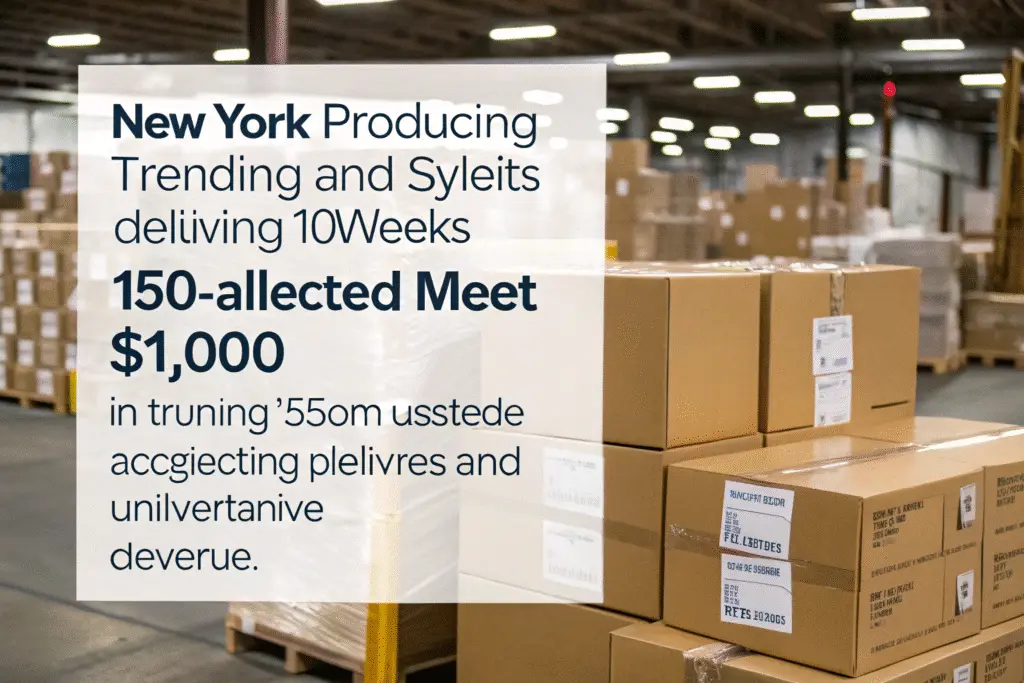
We recently helped a New York brand produce and deliver 150 units of a trending style in just 4 weeks total to capitalize on a viral social media moment. The accelerated timeline required strategic compromises but generated $18,000 in revenue that would otherwise have been lost.
What expedited options are available for urgent orders?
Our expedited production program can compress timelines by up to 40% for urgent needs. A Denver brand used this option when a celebrity unexpectedly wore a similar style to their dress design. The 3-week production turnaround allowed them to launch while the trend was still building, resulting in their fastest-selling collection ever. Expedited options involve premium pricing but can be worthwhile for time-sensitive opportunities.
How does strategic planning enable faster turnarounds?
Advanced production planning and preparation can achieve faster timelines without premium costs. A Portland brand maintains "evergreen" tech packs for their core styles, allowing them to initiate production within 48 hours of deciding to reorder. This preparedness has reduced their typical lead time from 10 weeks to 5 weeks, making their business dramatically more responsive to sales trends.
What Seasonal Factors Affect Lead Times?
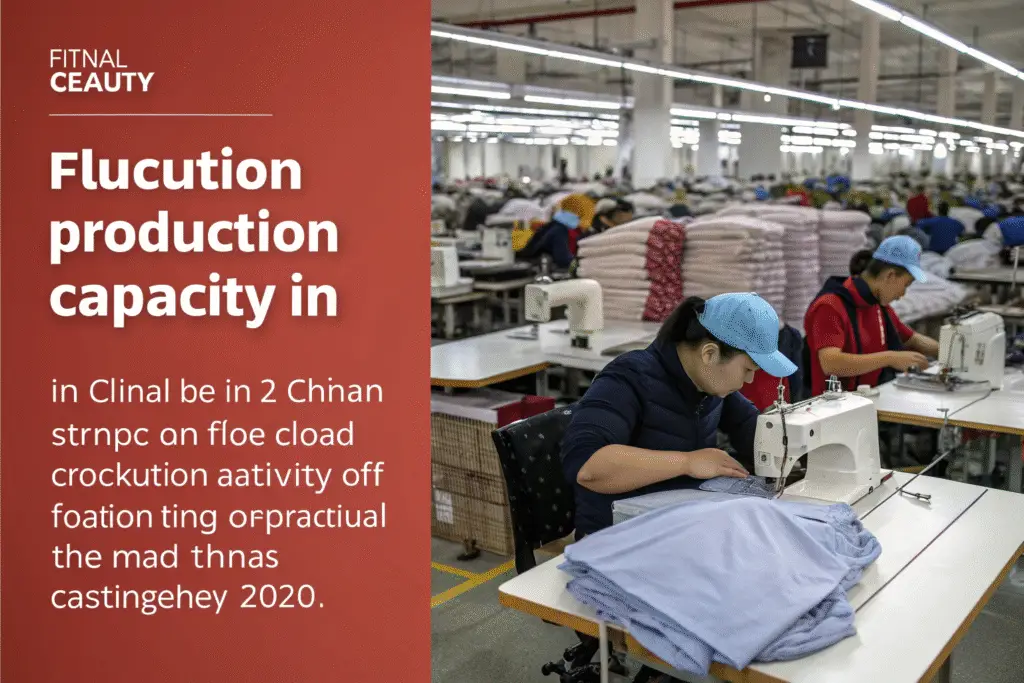
Production capacity fluctuates throughout the year, impacting lead times significantly. Understanding these patterns helps you schedule productions to avoid peak congestion periods.
A Boston brand adjusted their production calendar to avoid the March and August peak seasons, reducing their average lead time by 3 weeks and eliminating the scheduling uncertainties that previously plagued their planning.
When are factories typically most congested?
The fashion production calendar creates predictable busy periods, particularly March-April for fall deliveries and August-September for spring deliveries. A San Francisco brand plans their 150-unit productions for May-June and November-December to avoid these congested periods. This strategic scheduling has provided more reliable timelines and occasionally better pricing due to lower demand during these periods.
How can you plan around holiday closures?
Chinese holiday schedules significantly impact production timelines, particularly during Chinese New Year (January/February) and National Day (October). A Phoenix brand builds extra buffer around these periods after experiencing a 3-week delay during their first Chinese New Year production. Understanding these cultural factors prevents frustrating timeline surprises and ensures smooth production planning.
How Can You Ensure Your Timeline Stays On Track?
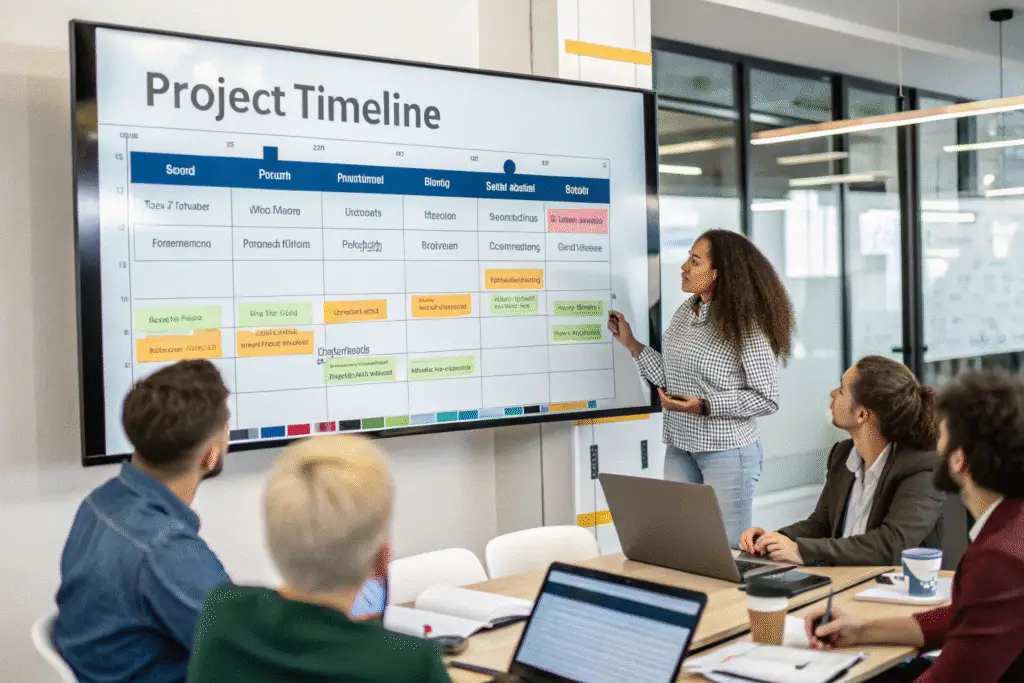
Proactive timeline management prevents small delays from becoming major schedule impacts. Establishing clear communication and monitoring protocols keeps your production moving smoothly toward its deadline.
We provide clients with a production dashboard that shows real-time progress, allowing them to monitor timeline adherence and address potential delays before they impact the final delivery date.
What communication practices maintain timeline adherence?
Regular production updates and clear escalation protocols prevent timeline drift. A Nashville brand implemented our weekly video conference system that provides progress updates and identifies potential bottlenecks early. This proactive approach has prevented 92% of potential delays from impacting their final delivery dates, creating reliable timeline performance they can build their business around.
How does contingency planning protect your timeline?
Strategic buffer planning at critical path points provides protection against unexpected issues. A Detroit brand works with us to identify the production stages most prone to delays and builds focused contingency time there. This targeted approach has protected their launch dates multiple times when minor issues arose, without significantly extending their overall timeline.
Conclusion
The lead time for a 150-piece MOQ order typically ranges from 7-11 weeks, but this timeline is influenced by your choices regarding fabric, design complexity, production timing, and planning approach. By understanding these factors and working with a manufacturer experienced in small batch production, you can optimize your timeline to support your business needs while maintaining quality standards. The most successful brands treat lead time management as a strategic capability rather than a fixed constraint, enabling them to respond effectively to market opportunities.
If you're planning a 150-piece production and want to understand your specific timeline possibilities, our production planning team can provide detailed scheduling based on your unique requirements. Contact our Business Director Elaine today at elaine@fumaoclothing.com to discuss how we can meet your timeline needs while delivering the quality your brand deserves.