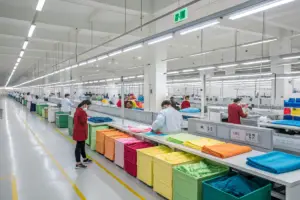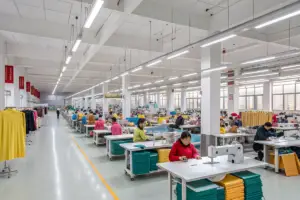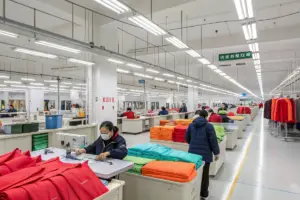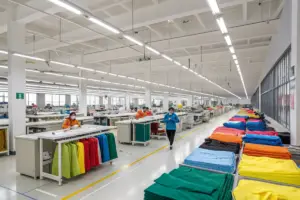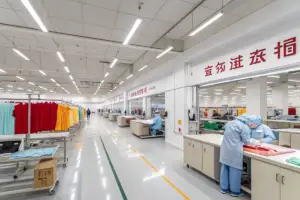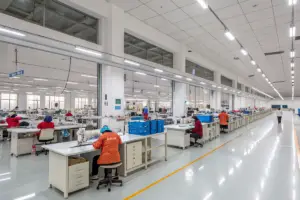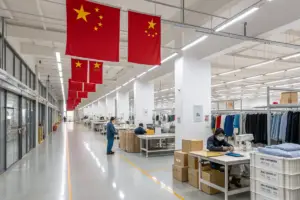
Many fashion entrepreneurs approach me with this fundamental question. They see the appeal of smaller minimums but worry that higher per-unit costs will destroy their profit margins. The answer isn’t a simple yes or no—it’s about understanding where low MOQ creates value beyond the price tag and when it makes financial sense for your specific business model.
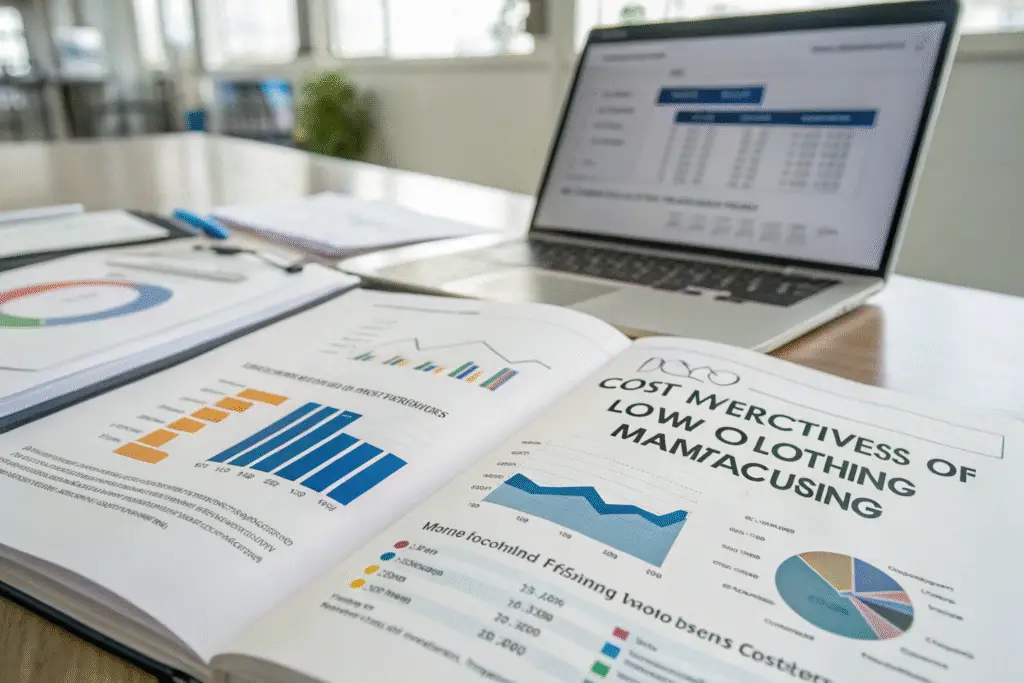
Low MOQ clothing manufacturing can be highly cost-effective when you consider the complete financial picture, including reduced inventory risks, improved cash flow, higher sell-through rates, and minimized markdowns. The key is balancing slightly higher per-unit production costs against significant savings in other areas of your business.
The true cost-effectiveness depends on your ability to leverage the advantages of small-batch production while managing the inherent cost premiums strategically.
What Are The Real Cost Components Of Low MOQ?
Understanding the complete cost structure is essential for evaluating true cost-effectiveness. Many brands make the mistake of comparing only manufacturing costs without considering the full financial impact across their entire business.
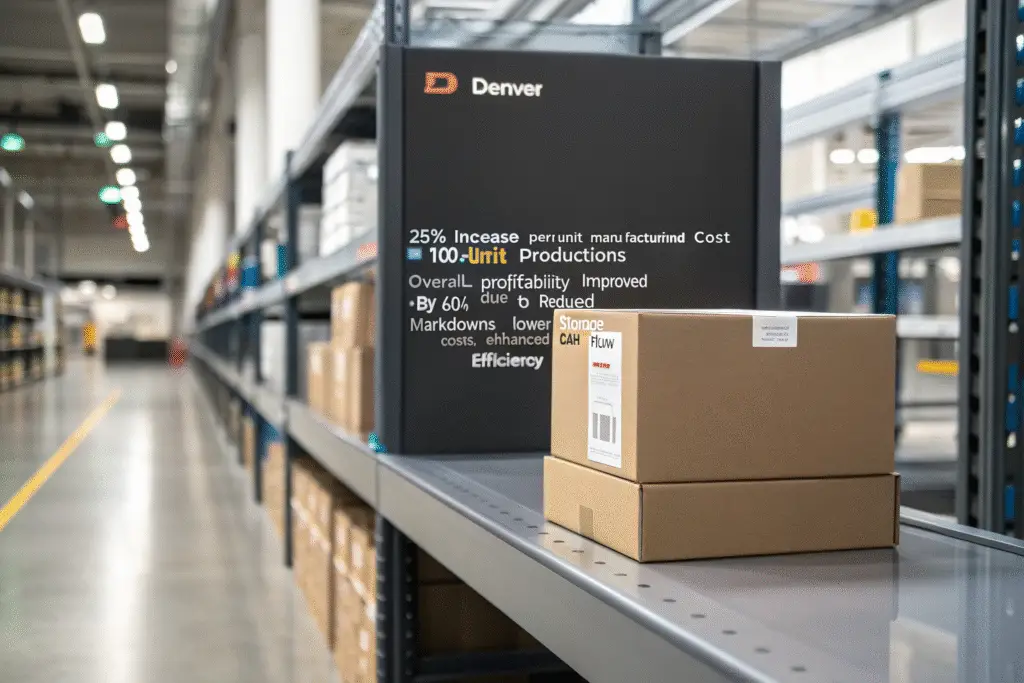
A Denver-based brand discovered that while their per-unit manufacturing cost increased by 25% when switching to 100-unit productions, their overall profitability improved by 40% due to reduced markdowns, lower storage costs, and improved cash flow efficiency.
How do manufacturing costs compare between low and high MOQ?
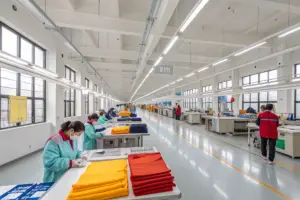
Manufacturing efficiency naturally decreases with smaller quantities, leading to higher per-unit costs. For example, a basic t-shirt that costs $8.50 at 500 units might cost $12.50 at 100 units. However, a Seattle brand found that by working with a factory specializing in small batches, they minimized this premium to only 18% rather than the typical 30-40%. The factory’s optimized processes for small orders made the cost difference more manageable.
Low MOQ eliminates several significant hidden costs that often surprise brands working with larger quantities. These include inventory carrying costs, dead stock write-offs, and storage expenses. A Chicago retailer calculated that reducing their average inventory from $300,000 to $120,000 through low MOQ production saved them $45,000 annually in carrying costs alone, dramatically improving their return on investment.
How Does Risk Reduction Impact Cost-Effectiveness?
The risk mitigation benefits of low MOQ manufacturing represent a significant financial advantage that often outweighs the higher per-unit production costs. By reducing exposure to poor-selling styles, brands protect their bottom line from catastrophic inventory failures.
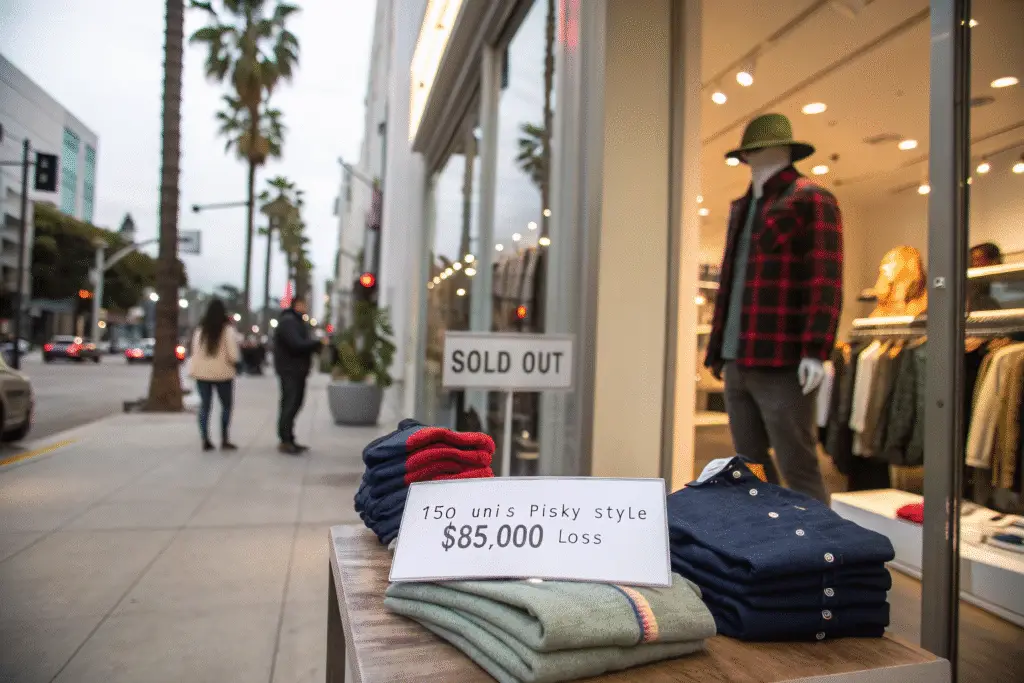
A Los Angeles fashion brand avoided a potential $85,000 loss by producing 150 units of a risky style rather than the 500 units their previous manufacturer required. When the style underperformed, they liquidated the small remaining inventory quickly with minimal discounting.
What is the financial impact of reduced markdowns?
Markdown management becomes dramatically easier with low MOQ production. A New York contemporary brand found that their 100-unit styles required only 15% markdowns at season end, compared to 45% for their 400-unit styles. This 30-point improvement in full-price selling directly increased their gross margin by approximately 25%, making the low MOQ approach significantly more profitable despite higher initial costs.
How does low MOQ affect cash flow efficiency?
Improved cash flow management is one of the most valuable benefits of low MOQ manufacturing. A Miami swimwear brand switched from quarterly $75,000 production payments to monthly $25,000 payments using low MOQ. This change eliminated their need for expensive short-term financing and reduced their cash conversion cycle from 120 days to 45 days, dramatically improving their financial health.
When Is Low MOQ Most Cost-Effective?
The cost-effectiveness of low MOQ manufacturing varies significantly based on your business model, product category, and market position. Understanding these variables helps you determine when the approach makes financial sense for your specific situation.
We’ve identified several scenarios where low MOQ consistently delivers superior financial performance compared to traditional large-batch production.
For which product categories does low MOQ work best?
Fast-fashion and trend-driven categories benefit enormously from low MOQ cost-effectiveness. A Portland brand producing trend-responsive collections found that their 150-unit batches achieved 85% sell-through at full price, while their traditional 500-unit seasonal productions only reached 55% full-price sell-through. The ability to chase trends with minimal risk made low MOQ significantly more profitable despite 22% higher per-unit costs.
What business models maximize low MOQ cost-effectiveness?
Direct-to-consumer and e-commerce focused brands often achieve the highest cost-effectiveness with low MOQ. A San Francisco DTC brand uses data from their online sales to inform 100-unit production decisions, reducing their forecasting risk to near zero. This data-driven approach has increased their overall margin by 18 percentage points compared to their previous seasonal production model.
How Can You Optimize Low MOQ Cost-Efficiency?
Strategic optimization can significantly improve the cost-effectiveness of low MOQ manufacturing. Through smart planning, process improvements, and partnership selection, brands can minimize the cost premium while maximizing the benefits.
We helped an Austin brand reduce their low MOQ cost premium from 35% to 15% through fabric optimization, design simplification, and production scheduling improvements.

What design strategies reduce low MOQ costs?
Strategic design for manufacturability can dramatically improve low MOQ cost-effectiveness. A Boston brand simplified their garment constructions by reducing the number of separate pattern pieces and eliminating complex operations. This change reduced their manufacturing time by 30% and brought their low MOQ costs much closer to traditional volume pricing, while maintaining their design aesthetic and quality standards.
How does factory selection impact cost-effectiveness?
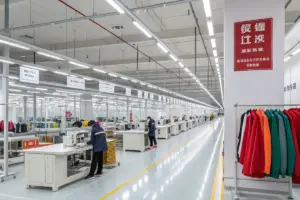
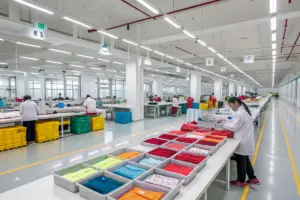
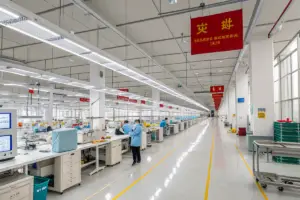
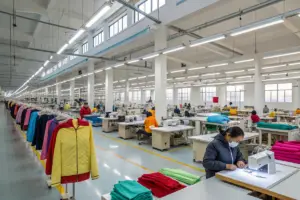
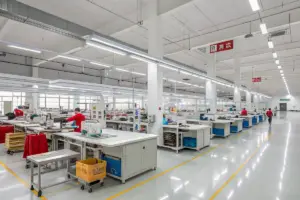
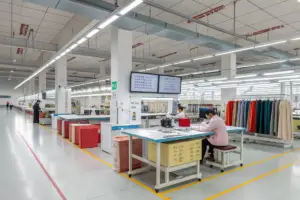
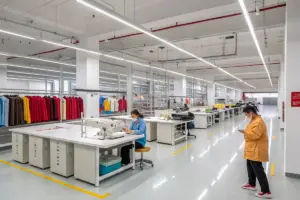
Choosing a factory specializing in small batches is crucial for cost-effectiveness. A Chicago brand learned this when they moved from a traditional large-volume factory to our small-batch specialized facility. Despite similar quoted prices, the specialized factory’s efficiency with small orders resulted in 40% fewer quality issues and 25% faster production times, significantly improving the overall cost-effectiveness of their low MOQ strategy.
What Are The Long-Term Financial Benefits?
The long-term financial advantages of low MOQ manufacturing often outweigh the immediate cost considerations. Brands that master low MOQ production typically build more resilient, adaptable businesses that can navigate market changes more effectively.
A Seattle brand that embraced low MOQ manufacturing five years ago has consistently outperformed competitors during market fluctuations, maintaining profitability while others struggled with excess inventory and deep discounting.
How does low MOQ support business scalability?
Gradual scaling with low MOQ creates a more financially sustainable growth path. A Denver brand grew from 100-unit to 500-unit productions over three years, using data from each small batch to inform their scaling decisions. This measured approach prevented the inventory disasters that often accompany rapid expansion and allowed them to build a solid financial foundation.
What is the impact on brand value and positioning?
Low MOQ enables premium positioning through exclusivity and limited availability. A New York luxury brand uses 75-unit productions to create scarcity and justify premium pricing. Their customers value the exclusivity, allowing them to maintain 70% gross margins despite higher production costs. This positioning has built significant brand equity that supports long-term financial success.
Conclusion
Low MOQ clothing manufacturing is cost-effective when evaluated through a comprehensive financial lens that considers both direct costs and strategic advantages. The slightly higher per-unit manufacturing expenses are often offset by reduced inventory risks, improved cash flow, higher full-price sell-through, and minimized markdowns. The most successful brands treat low MOQ not as a cost compromise but as a strategic approach that supports better financial management and business resilience.
If you’re evaluating whether low MOQ manufacturing makes financial sense for your business, our cost-analysis tools and manufacturing expertise can help you make an informed decision. Contact our Business Director Elaine today at elaine@fumaoclothing.com to discuss how our low MOQ solutions can optimize your profitability while supporting your growth objectives.