
Many fashion entrepreneurs struggle with profitability calculations when working with smaller production quantities. They often focus solely on the per-unit manufacturing cost without considering the complete financial picture. Understanding your true profitability at 150 units per style requires analyzing both direct costs and the strategic advantages that smaller batches provide.
Calculating profit with a 150-unit MOQ requires comprehensive cost analysis including manufacturing, shipping, duties, operational expenses, and accounting for the financial benefits of reduced inventory risk and improved cash flow that smaller quantities provide.
The key is recognizing that profitability isn't just about cost per unit—it's about how efficiently you can turn inventory into cash while minimizing risks and maximizing full-price sell-through.
What Costs Should You Include In Your Calculation?
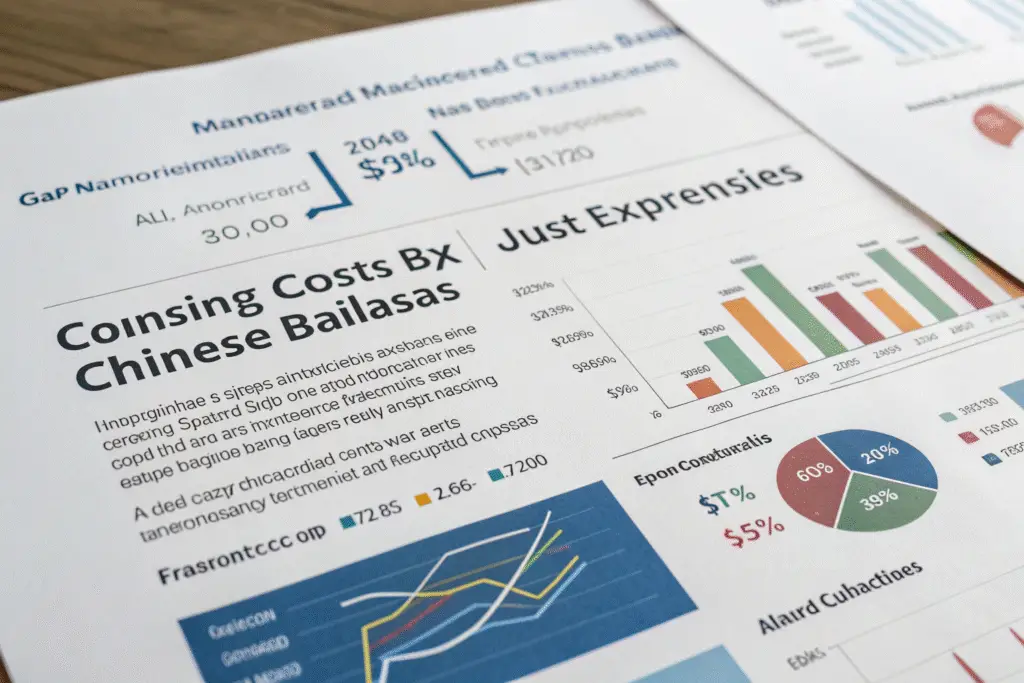
Most brands significantly underestimate their true costs when calculating profitability. A complete cost analysis must extend far beyond the simple manufacturing price to understand your actual profit potential with 150-unit productions.
A Dallas-based brand discovered they were missing 28% of their true costs by only considering manufacturing expenses. After implementing our comprehensive cost framework, they adjusted their pricing strategy and increased their net margin from 15% to 32% on their 150-unit collections.
What are the direct manufacturing costs?
Direct manufacturing costs include garment production, fabric, trims, labels, and packaging. For a 150-unit order of woven shirts, our clients typically see manufacturing costs ranging from $18-35 per unit depending on complexity. A Seattle brand producing 150-unit batches of technical trousers found that by simplifying their design slightly, they reduced their manufacturing cost by 22% while maintaining the premium quality their customers expected.
The most commonly overlooked costs include shipping and logistics, import duties, quality control, payment processing fees, and operational overhead. A Chicago brand learned this lesson when they discovered that shipping and duties added 18% to their landed cost, completely changing their profitability calculations. We now provide clients with a comprehensive cost calculator that includes all these variables for accurate profit forecasting.
How Does Inventory Management Affect Profitability?
Inventory management dramatically impacts profitability, especially with smaller production quantities. The financial benefits of reduced inventory risk and improved cash flow often outweigh the slightly higher per-unit manufacturing costs of 150-unit batches.
A Miami swimwear brand increased their annual profitability by 45% simply by switching from 500-unit to 150-unit productions. The reduction in end-of-season markdowns and storage costs more than compensated for the 15% higher per-unit manufacturing cost.

How do carrying costs impact overall profitability?
Inventory carrying costs typically represent 20-30% of inventory value annually. These include storage, insurance, capital costs, and obsolescence risk. A New York fashion brand calculated that reducing their average inventory from $400,000 to $150,000 through 150-unit productions saved them $62,500 annually in carrying costs alone. This saving directly improved their bottom line despite slightly higher production costs per unit.
What is the financial impact of improved sell-through rates?
Smaller batches typically achieve higher full-price sell-through rates, which dramatically improves profitability. A Los Angeles brand found that their 150-unit styles achieved 85% sell-through at full price, compared to only 55% for their 500-unit styles. This 30-point improvement in full-price sales increased their gross margin by 22 percentage points, making the smaller batches significantly more profitable despite higher per-unit costs.
What Pricing Strategy Maximizes 150-Unit Profitability?
Your pricing strategy must account for the unique characteristics of small-batch production. Rather than simply applying a standard markup, successful brands develop pricing models that reflect the value proposition of limited availability and reduced risk.
A Portland artisan brand implemented value-based pricing for their 150-unit collections, allowing them to command prices 40% above their competitors while maintaining strong sales velocity. Their customers appreciated the exclusivity and craftsmanship story that justified the premium pricing.

How should you calculate your target retail price?
The traditional keystone pricing method often fails for small batches. Instead, we recommend calculating backward from your target gross margin. A Denver outdoor brand targets 60% gross margin on their 150-unit styles. With a landed cost of $45 per unit, they set retail prices at $112.50 rather than the $90 that keystone pricing would suggest. This approach maintains their margin targets while accounting for higher per-unit costs.
What role does perceived value play in pricing?
Small-batch production creates inherent perceived value through exclusivity and limited availability. A San Francisco sustainable brand leverages this by positioning their 150-unit collections as "limited editions" with numbered tags and storytelling about their small-batch production philosophy. This positioning allows them to maintain premium pricing that supports healthy margins despite higher production costs.
How Can You Optimize Costs For 150-Unit Productions?
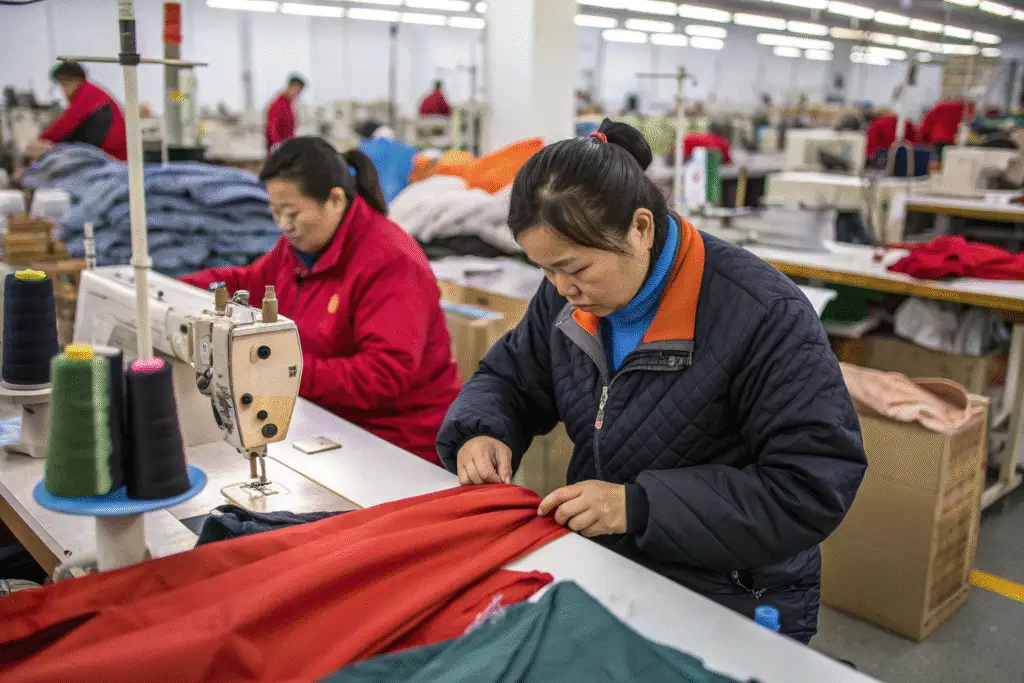
Cost optimization for smaller quantities requires different strategies than traditional large-scale production. The focus shifts from volume discounts to efficiency gains, smart fabric choices, and strategic design decisions.
We helped an Austin brand reduce their 150-unit production costs by 25% through fabric optimization and design simplification, while maintaining the quality and aesthetic that defined their brand identity.
What fabric strategies reduce costs for small batches?
Using stock fabrics rather than custom developments can dramatically reduce costs for 150-unit orders. A Boston brand switched from custom-dyed fabrics to our stock premium cotton selection, reducing their fabric cost by 40% while maintaining quality. The availability of immediate fabric also reduced their production timeline from 12 weeks to 6 weeks, improving their cash flow cycle.
How does design simplification impact profitability?
Strategic design optimization can significantly reduce production costs without compromising aesthetic appeal. A Chicago brand working with 150-unit MOQs simplified their garment construction by reducing the number of complex seams and specialized operations. This change reduced their manufacturing cost by 18% while actually improving the garment's durability and fit. The savings directly improved their profit margin on each collection.
What Financial Metrics Should You Track?
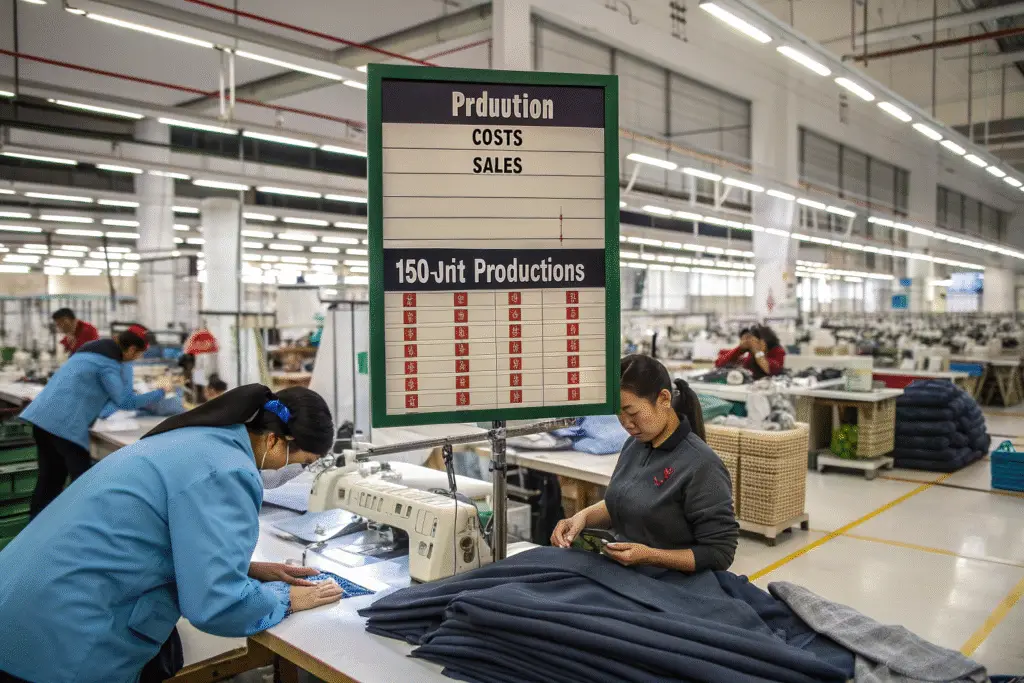
Tracking the right financial metrics is crucial for understanding your true profitability with 150-unit productions. Traditional retail metrics often need adjustment to account for the unique characteristics of small-batch manufacturing.
A Phoenix brand developed a custom dashboard tracking small-batch specific metrics, allowing them to identify profitability patterns and make data-driven decisions about their production quantities and pricing strategies.
How should you calculate inventory turnover?
Inventory turnover ratio becomes particularly important with small-batch production. A Seattle brand tracks their turnover rate religiously, targeting 6-8 turns annually with their 150-unit strategy. This high turnover rate means they're generating revenue from their inventory investment multiple times per year, significantly improving their return on investment compared to traditional seasonal production models.
What is the role of gross margin return on investment?
GMROI (Gross Margin Return on Investment) is a crucial metric for small-batch profitability. A New York brand discovered that their 150-unit styles generated 35% higher GMROI than their larger productions, despite the higher per-unit costs. The faster turnover and reduced markdowns more than compensated for the initial cost difference, making the smaller batches more profitable in terms of return on inventory investment.
Conclusion
Calculating profit with a 150-unit MOQ requires looking beyond simple per-unit costs to understand the complete financial picture. The higher manufacturing costs are often offset by reduced inventory risk, improved sell-through rates, better cash flow, and lower carrying costs. By implementing comprehensive cost tracking, strategic pricing, and continuous optimization, brands can achieve excellent profitability with small-batch production while building a more sustainable and responsive business model.
If you're ready to optimize your profitability with 150-unit productions, our financial planning tools and manufacturing expertise can help you build a successful small-batch strategy. Contact our Business Director Elaine today at elaine@fumaoclothing.com to discuss how we can help you maximize profits while minimizing risks.