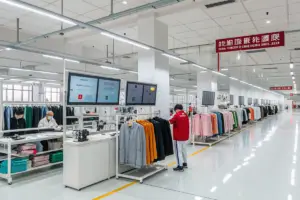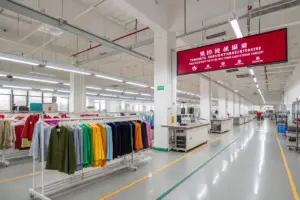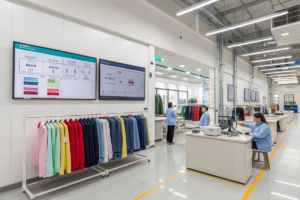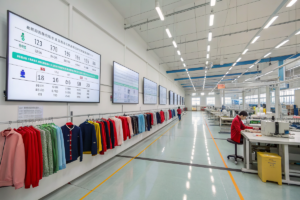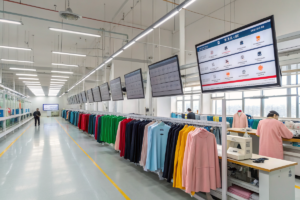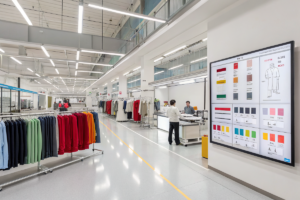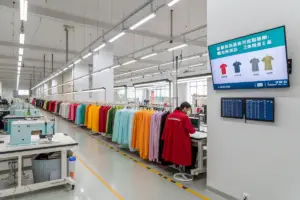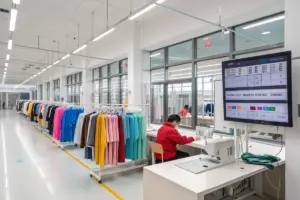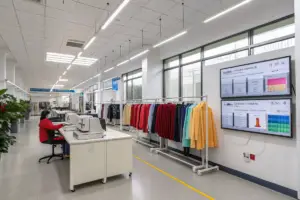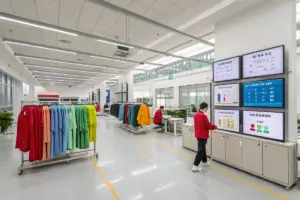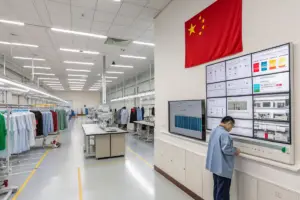
Many American apparel entrepreneurs feel intimidated by the prospect of working directly with Chinese manufacturers, especially for small orders. They worry about communication barriers, quality control, and whether their business is too small to be taken seriously. I understand these concerns completely, having helped hundreds of small brands successfully navigate their first manufacturing experience.
Placing a small order with a Chinese garment factory involves clear communication of your requirements, understanding minimum order quantities, providing comprehensive technical packages, and establishing quality control protocols from the beginning. The process is more accessible than most brands realize when approached strategically.
The key is understanding that factories like ours have adapted to serve the growing market of small and medium brands. We’ve developed specific systems to make small-order production efficient and successful for both parties.
What Preparation Is Needed Before Contacting Factories?
Proper preparation separates successful small orders from problematic ones. Investing time upfront in organizing your requirements saves significant time and prevents misunderstandings throughout the production process.
A Dallas-based startup spent two weeks preparing their tech packs and sample references before contacting us. This preparation allowed us to provide an accurate quote within 48 hours and begin sampling immediately after deposit. Their 200-unit order shipped three weeks ahead of schedule because of this thorough preparation.

What technical documents should you prepare?
A comprehensive technical package is your most important preparation. This includes detailed garment sketches, construction details, fabric specifications, measurement charts, and grading rules. For a recent 150-unit order from a Chicago brand, their detailed tech pack enabled us to identify potential production challenges early, saving them from costly mid-production changes. Include clear references for stitch types, seam finishes, and hardware placement to ensure your vision translates accurately.
How should you determine your quantity requirements?
Realistic quantity planning is crucial for small orders. Consider your production minimums alongside your sales projections and budget. A Portland brand carefully analyzed their sales data from previous small batches to determine optimal quantities for each size. Their data-driven approach resulted in a balanced size distribution that minimized leftover inventory while meeting customer demand across all sizes.
How To Communicate Effectively With Chinese Factories?
Clear communication bridges cultural and language gaps. Establishing effective communication protocols from the beginning prevents misunderstandings and builds strong working relationships.
We’ve developed a structured communication system specifically for our American clients, ensuring that even complex design details are understood and executed correctly, regardless of order size.

What information should you include in your initial inquiry?
Your initial inquiry should be detailed yet concise. Include your target price range, desired quantities, timeline, and basic product information. A Seattle brand provided mood boards, fabric preferences, and their target retail price in their first email. This allowed us to immediately assess feasibility and provide relevant options, moving the conversation forward efficiently. Clear initial communication prevents wasted time on both sides.
How can you ensure technical details are understood?
Visual communication is essential for technical understanding. Use annotated diagrams, photos of reference garments, and detailed measurement specs. For a complex 120-unit technical outerwear order, the client created video demonstrations of specific feature functionalities. This visual approach ensured our production team understood exactly how each component should work, resulting in perfect execution of complicated design elements.
What Is The Step-by-Step Ordering Process?
Understanding the standard ordering process helps you navigate each stage confidently. While variations exist between factories, most follow a similar structured approach that ensures quality and timeliness.
A Miami swimwear brand documented their entire first ordering process, creating an internal guide that streamlined their subsequent orders and reduced their production timeline by 40% on repeat business.
What happens during the sampling phase?
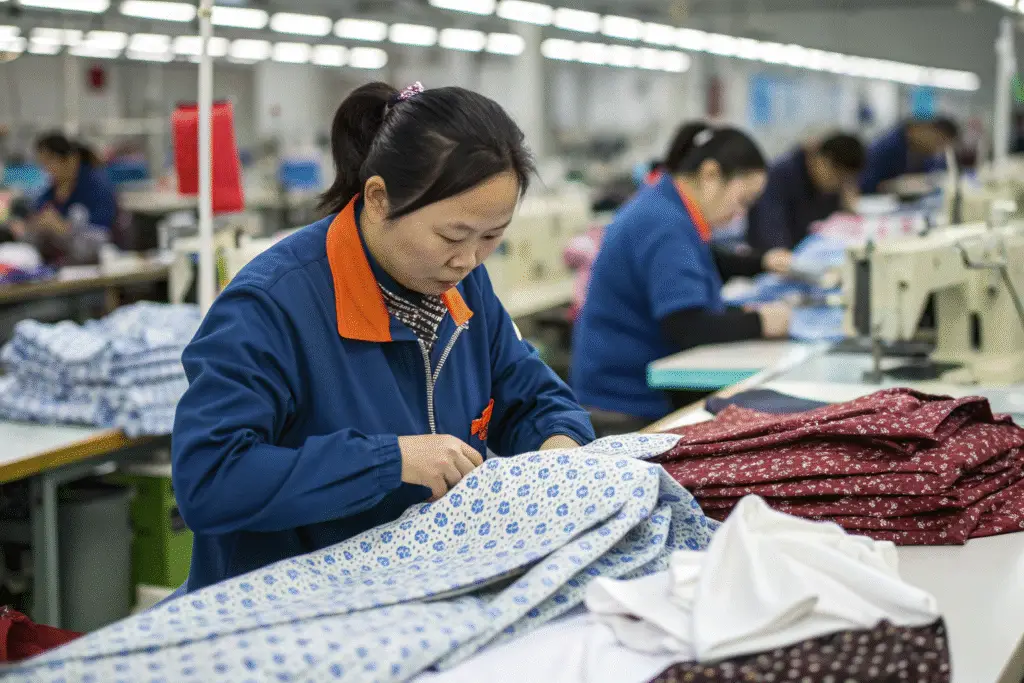
The sampling process typically involves prototype samples, fit samples, and pre-production samples. Each stage serves a specific purpose in refining your product. For a New York brand’s 180-unit dress order, we created two rounds of fit samples to perfect the silhouette before moving to production. This iterative process, though adding time upfront, prevented costly changes during mass production and ensured customer satisfaction with the final product.
How does payment and production scheduling work?
Most factories require a deposit before beginning production, with balance payment before shipment. A transparent production schedule should outline key milestones. For a Los Angeles client’s 250-unit order, we provided weekly progress reports with photos at each production stage. This regular communication built trust and allowed for minor adjustments before issues became significant problems.
How To Manage Quality Control For Small Orders?
Quality control for small orders requires special attention because each garment represents a larger percentage of your total inventory. Implementing rigorous QC protocols ensures consistency and protects your brand reputation.
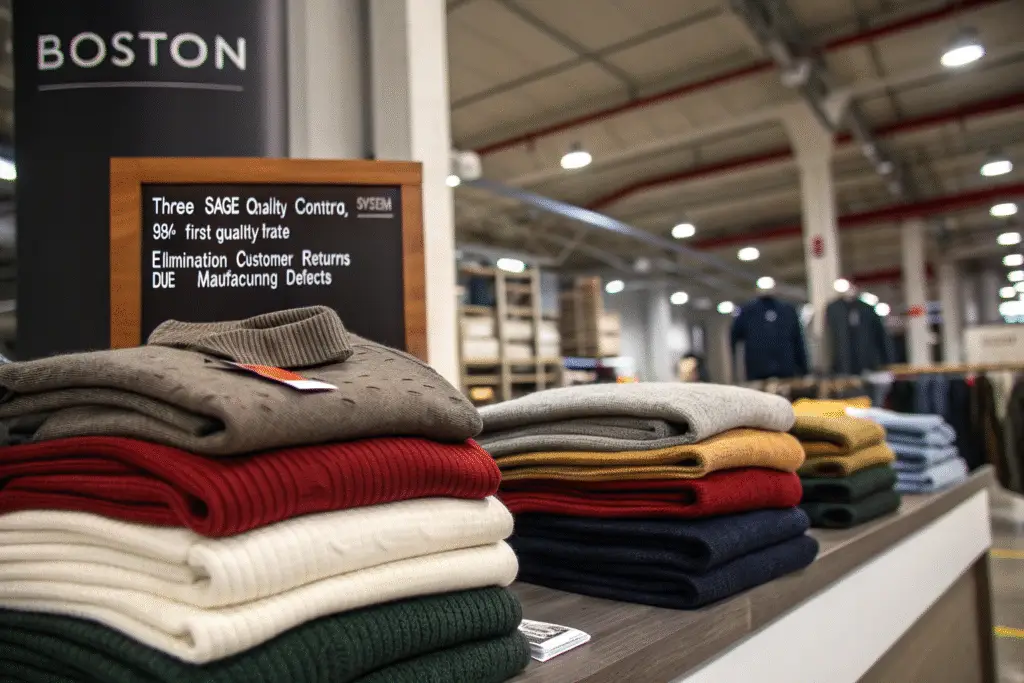
A Boston brand implemented our recommended three-stage quality control system for their 150-unit knitwear order, resulting in a 98% first-quality rate and eliminating customer returns due to manufacturing defects.
What in-process quality checks should you request?
In-process quality checks catch issues early. Request checks during cutting, sewing, and finishing stages. For a recent 130-unit denim order, our in-process inspections identified a stitching inconsistency after the first 20 pieces. The early detection allowed immediate correction before the entire batch was affected, saving the client from potential 100% rework costs.
How should final inspection be conducted for small batches?
For orders under 200 units, we recommend 100% inspection rather than statistical sampling. Each garment should be checked against approved standards. A San Francisco brand provided detailed inspection guidelines specifying tolerance levels for different types of defects. This clarity ensured our QC team applied their standards consistently, delivering products that met their exact quality requirements.
What Are Common Challenges And Solutions?
Understanding potential challenges helps you prepare solutions in advance. Most issues in small-order production are predictable and manageable with proper planning.
An Austin brand anticipated and planned for these common challenges in their first 100-unit order, resulting in a remarkably smooth production experience that formed the foundation for a long-term manufacturing partnership.
How can you handle fabric minimums and sourcing?
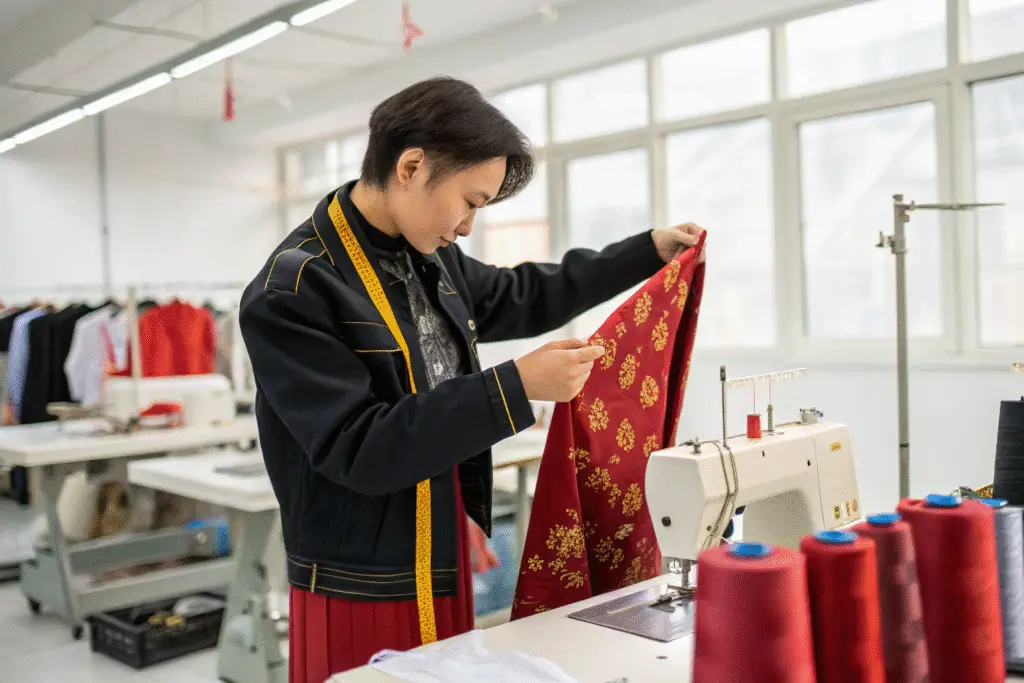
Fabric sourcing for small orders often requires creative solutions. We help clients navigate this through fabric pooling, stock fabric options, or deadstock materials. A Chicago brand accessed premium Italian fabric for their 120-unit collection by joining our fabric pooling program, sharing material costs with two other brands while maintaining their unique design identity.
What solutions exist for communication and timeline management?
Establish a single point of contact and schedule regular update meetings. Use collaborative tools that work across time zones. A Denver client implemented a shared digital dashboard showing real-time production progress. This project management approach provided transparency and early warning of potential delays, allowing for proactive problem-solving throughout their 160-unit order production.
Conclusion
Placing a small order with a Chinese garment factory is a manageable process when approached with proper preparation, clear communication, and realistic expectations. The key success factors include detailed technical documentation, understanding of production processes, proactive quality management, and building a collaborative relationship with your manufacturing partner. Small orders are not just tolerated by forward-thinking factories—they’re an essential part of our business model and future growth.
If you’re ready to start your small order production journey, our team specializes in helping American brands navigate the process smoothly. Contact our Business Director Elaine today at elaine@fumaoclothing.com to discuss how we can bring your apparel vision to life, regardless of your order size.