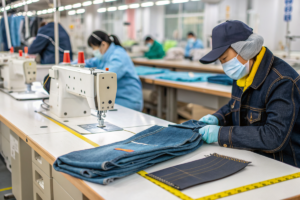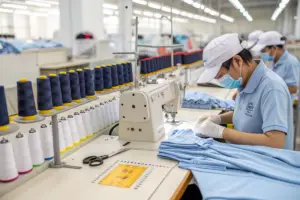
Many American menswear brand owners ask me this question daily. They want to create custom clothing lines but worry about high minimums that lock out smaller brands. The truth is, minimum quantities have evolved significantly in recent years, and the answer isn't as straightforward as you might think.
The minimum quantity for men's apparel customization typically ranges from 50 to 300 pieces per style, depending on fabric complexity, design details, and production method. However, strategic approaches can sometimes reduce this to as low as 30 pieces for basic items.
The actual minimum depends heavily on what type of garment you're producing and how customized it needs to be. Let me break down the real numbers based on our daily production experience.
What Factors Determine Minimum Order Quantities?
Minimum quantities aren't arbitrary numbers - they're calculated based on real production costs and efficiencies. Understanding these factors helps you negotiate better terms and plan your collections strategically.
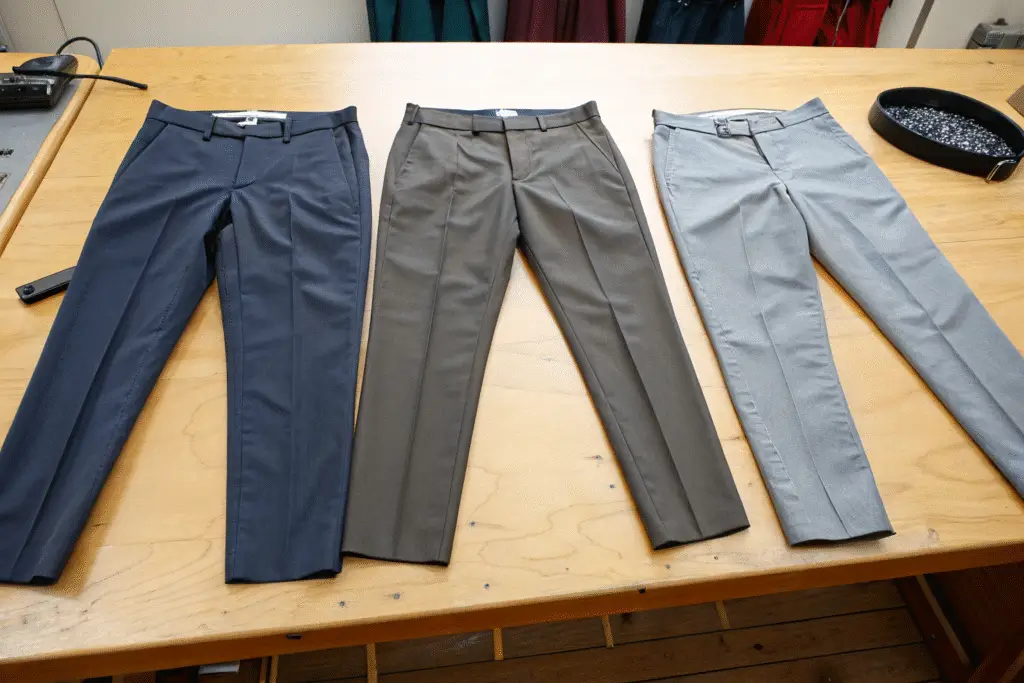
Last month, we worked with a startup from Austin that wanted to produce three different styles of custom trousers. By consolidating their fabric choices and using the same waistband construction across styles, we reduced their minimum from 150 to 75 pieces per style while maintaining their design integrity.
How does fabric selection impact MOQ?
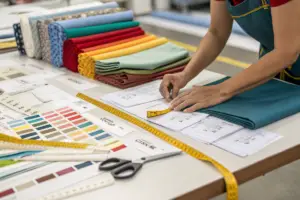
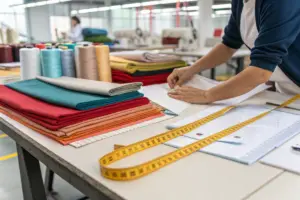
Fabric is the single biggest factor in determining your minimum quantity. Standard woven fabrics from our stock inventory can have MOQs as low as 50 pieces. However, custom-developed fabrics with unique compositions or proprietary finishes often require 500-yard minimums from mills, which typically translates to 300+ garments. For a recent client wanting custom stretch wool for suits, the mill MOQ required them to order 400 units - making it impractical for their small brand.
Why do design complexity and trims affect minimums?
Complex designs require more machine setups, specialized operators, and production time. A basic polo shirt might have an MOQ of 50 pieces, while the same shirt with custom embroidery designs, special pocket constructions, and unique placket details could require 150 pieces minimum. Each additional component - from custom buttons to specialized zippers - increases the setup time that must be justified by the order quantity.
What Are Realistic MOQs By Garment Type?
Different men's apparel categories have different production requirements and therefore different practical minimums. Understanding these category-specific thresholds helps you plan your product development roadmap.
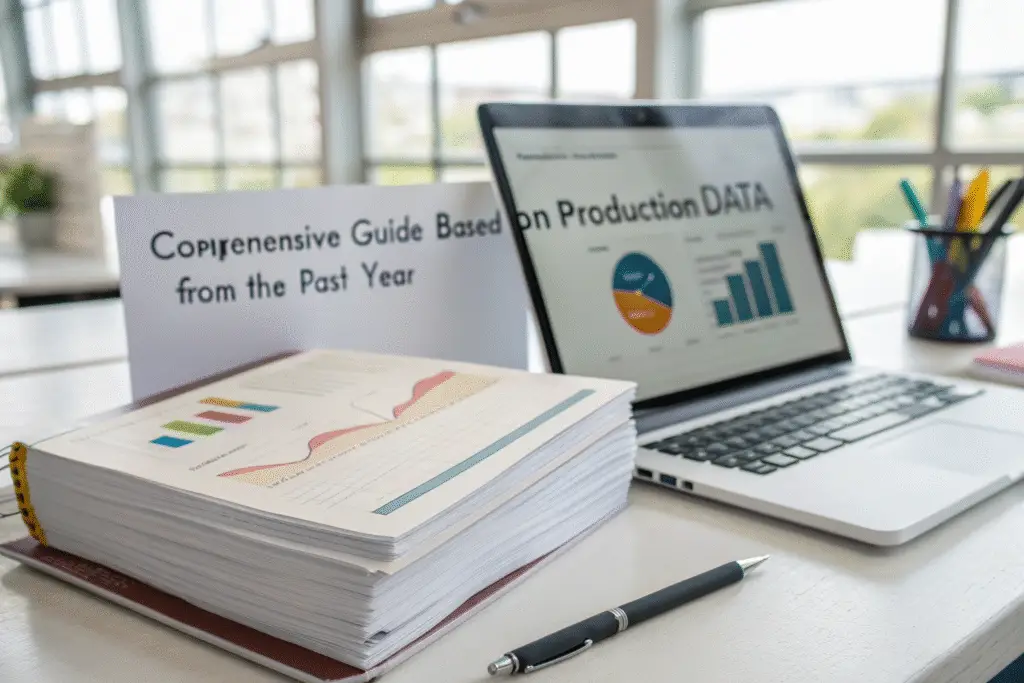
We've created a comprehensive guide based on our production data from the past year. This reflects actual minimums we've accepted for American clients, not theoretical numbers.
What are the MOQs for basic knitwear and woven shirts?
Basic men's t-shirts and polo shirts typically start at 50 pieces per color. For dress shirts and casual woven shirts, the minimum is usually 75-100 pieces due to more complex construction. However, these numbers assume you're using standard fabrics from our inventory. Last quarter, we produced a 60-piece run of custom polo shirts for a Miami golf brand by using our stock pique fabric and their custom embroidery - proving that strategic compromises can work for small batches.
What minimums apply to trousers and outerwear?
Trousers and men's shorts generally require 100 pieces minimum due to complex pattern pieces and multiple construction steps. Outerwear like jackets and coats often start at 75 pieces but can go higher for technical garments. We recently produced a 90-unit run of custom chore jackets for a Brooklyn brand by using a deadstock fabric and simplifying the lining construction. The key was flexibility in material selection while maintaining the core design aesthetic.
How Can You Reduce Minimum Order Quantities?
Smart strategies can significantly lower your minimums without sacrificing quality. The key is understanding where factories have flexibility and where they don't.
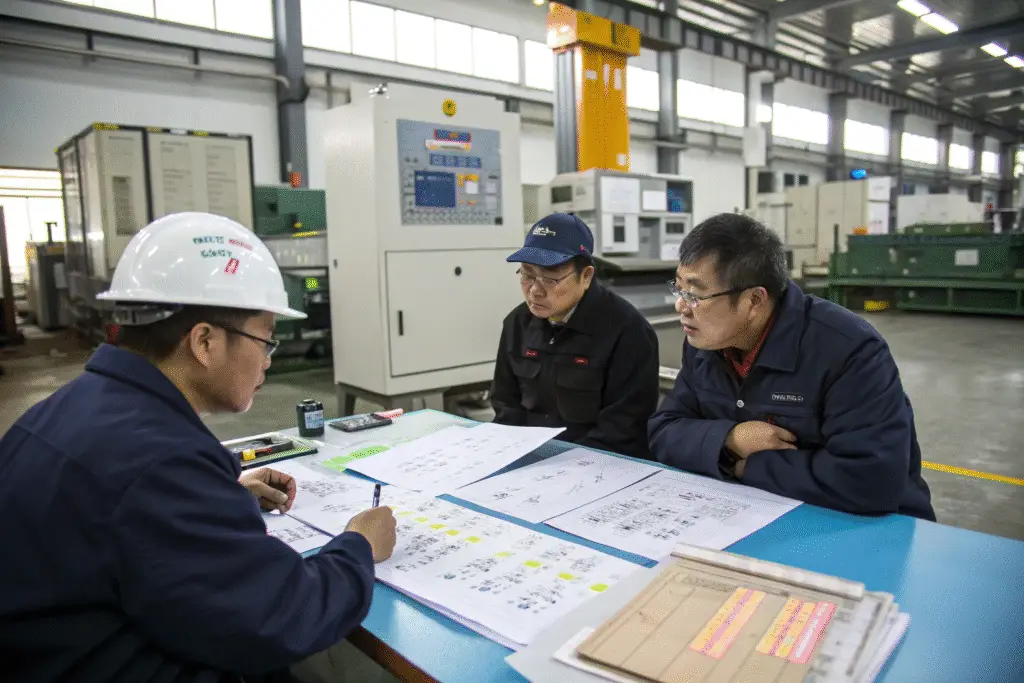
I've helped dozens of American brands navigate this challenge. The most successful approaches combine production efficiency with creative problem-solving.
What role does fabric selection play in reducing MOQs?
Choosing from our stock fabric inventory is the most effective way to lower minimums. We maintain thousands of fabric options that can be used for orders as small as 30 pieces. Another approach is participating in fabric group buys - we recently organized one where three brands shared a custom fabric development, reducing each brand's minimum from 300 to 100 pieces. This collaborative approach works particularly well for emerging brands wanting premium materials.
How does design simplification help with small orders?
Simplifying designs doesn't mean compromising your vision. It means identifying which elements truly define your garment and which can be adjusted for production efficiency. We worked with a Los Angeles brand that reduced their trouser MOQ from 150 to 80 pieces by switching from custom-developed metal hardware to a quality stock option and simplifying the pocket construction. The garment construction remained premium, but the changes made small-batch production feasible.
When Should You Consider Higher Minimums?
Sometimes, accepting a higher minimum quantity actually makes better business sense. The per-unit cost savings and production advantages can outweigh the larger initial investment.
Understanding these scenarios helps you make smarter financial decisions about your production strategy.

How do economies of scale affect pricing?
The cost per unit decreases significantly as quantities increase. For example, a 50-piece order of custom shirts might cost $38 per unit, while a 200-piece order of the same shirt could cost $22 per unit. This 42% reduction makes a compelling case for larger orders if your sales projections support it. We provide detailed breakdowns showing exactly how costs reduce at different quantity thresholds, helping our partners make informed decisions.
What are the quality benefits of larger production runs?
Larger runs often result in better quality consistency. Workers become more proficient with each garment, and machines require fewer adjustments throughout the run. For a recent 300-unit blazer order, the first 20 pieces showed some stitch inconsistency, but by piece 50, the quality had stabilized and remained perfect through the entire run. This production consistency is harder to achieve with very small batches where the learning curve represents a larger percentage of the total order.
Conclusion
Minimum quantities for men's apparel customization are more flexible than many brands realize. While standard MOQs range from 50-300 pieces depending on garment type and complexity, strategic approaches involving fabric selection, design optimization, and production planning can often reduce these thresholds. The key is finding a manufacturing partner who understands your business goals and can provide creative solutions for small-batch production.
If you're ready to start your men's apparel line but concerned about minimum order quantities, let's discuss your specific needs. Contact our Business Director Elaine today at elaine@fumaoclothing.com to explore how we can make your vision achievable, regardless of your order size.