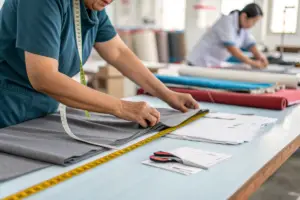
Many of our American brand partners ask me about shipping small orders. A 150-unit shipment sits in a challenging spot - too small for a full container, yet large enough to incur significant costs if not handled properly. Efficient logistics are crucial for protecting your profit margins and ensuring your products hit the market on time.
For a 150-unit apparel shipment, the most cost-effective method is typically LCL (Less than Container Load) shipping, combined with careful preparation of commercial documents and selecting the right Incoterms to balance cost and control.
Managing a small shipment requires different strategies than large-volume orders. Let me share the approaches we've developed through years of shipping to the US market.
What Is The Most Cost-Effective Shipping Method For 150 Units?
The shipping method depends entirely on your garment type and packaging. For most woven shirts or knitwear, 150 units will occupy 3-5 cubic meters. This makes LCL shipping the default choice. You share container space with other shippers, paying only for the volume you use.
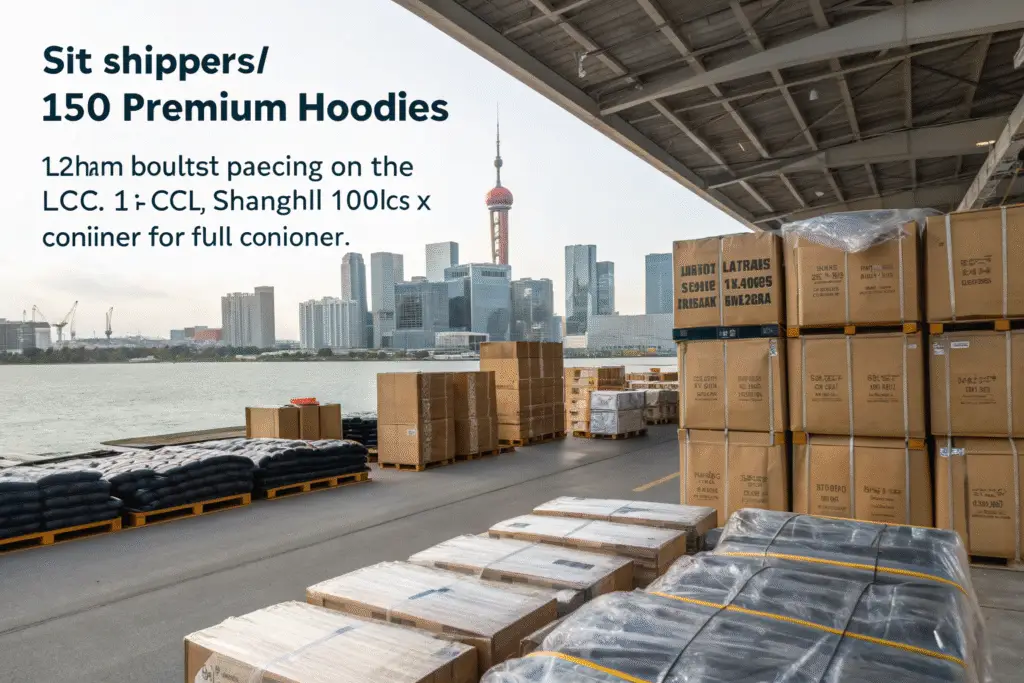
Last month, we shipped 150 premium hoodies to a Miami-based brand. The shipment occupied 4.2 cubic meters via LCL from Shanghai to Miami. The total cost was 60% less than if they had booked a full container. The savings were substantial for their startup budget.
How does LCL shipping work for small apparel orders?
LCL involves consolidating your goods with other shipments in the same container. At the origin port, a freight forwarder groups multiple LCL shipments into one full container. At the destination port, the container is deconsolidated, and each shipment continues to its final destination. The key advantage is cost-sharing for container space. However, transit times can be slightly longer due to the consolidation and deconsolidation processes. For time-sensitive fashion items, this requires careful planning.
When should you consider air freight for small shipments?
Air freight becomes worth considering when your goods have high value per unit or you're facing tight deadlines. For a recent shipment of 150 designer jackets valued at $150 each, air freight cost represented only 5% of the goods' value. The client needed to catch the early season selling window. While air cargo costs 4-6 times more than sea freight, it can save missed revenue opportunities. We typically recommend air freight for orders where the shipping cost is less than 10% of the total goods value and time is critical.
What Documentation Is Required For Small Shipments?
Proper documentation is non-negotiable, regardless of shipment size. For 150 units, you need the same core documents as larger shipments, just with different values. Missing or incorrect paperwork causes customs delays that can cost more than the shipping itself.
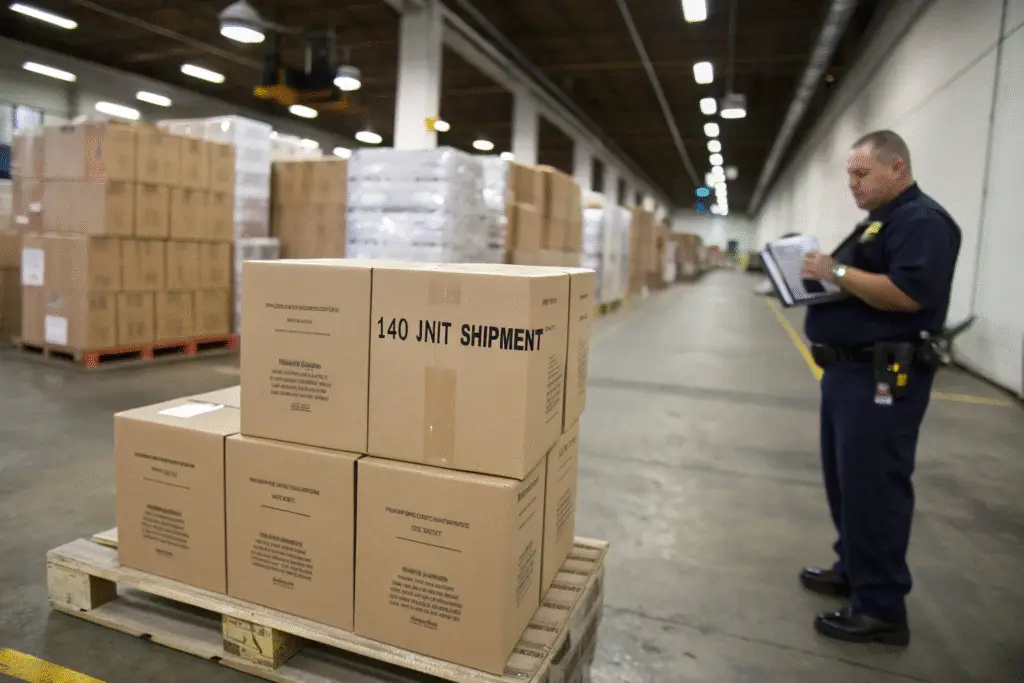
We once worked with a new brand that underestimated documentation. Their 140-unit shipment was held at customs for three weeks due to an incorrect harmonized system code. The storage fees alone exceeded their original shipping cost. Learning this lesson the hard way is expensive.
What are the essential commercial documents needed?
The commercial invoice and packing list are your most important documents. The commercial invoice must accurately describe the goods, quantity, and value for customs assessment. The packing list details how the goods are packed in each carton. For apparel shipments, you also need a certificate of origin if claiming preferential duty rates. Even for small shipments, these documents must be precise. We create these documents for our partners as part of our service, ensuring they meet customs requirements.
How do import regulations affect small apparel shipments?
US import regulations apply equally to all shipment sizes. Your 150 units must comply with customs regulations and labeling requirements. Textile products require specific documentation, including country of origin labeling. The FDA may regulate certain apparel if it contains medical claims. Additionally, if your products include materials like wool or leather, additional declarations are needed. Understanding these requirements beforehand prevents costly delays and penalties.
How Can You Optimize Packaging And Cartonization?
Smart packaging directly impacts your shipping costs for small orders. The dimensional weight of your cartons often matters more than actual weight for cost calculation. Well-planned cartonization maximizes space utilization and minimizes damage risk.
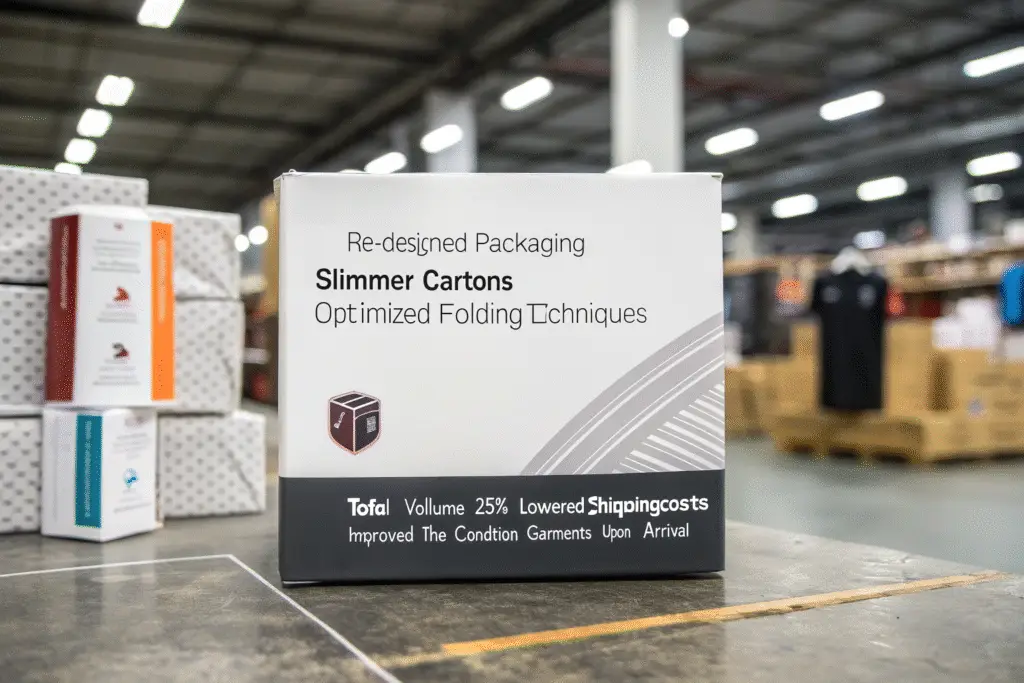
For a sportswear client, we redesigned their packaging for a 150-unit shipment. By using slimmer cartons and optimizing folding techniques, we reduced the total volume by 25%. This lowered their shipping cost by hundreds of dollars and improved the garments' condition upon arrival.
What packaging strategies reduce shipping volume?
Efficient folding and minimal packaging materials are key. We recommend flat packing garments instead of hanging where possible. This reduces volume significantly. Using slim polybags instead of boxes for individual garments also saves space. For 150 units, we typically use 3-5 master cartons instead of individual boxes. The right carton size should fit the garments snugly without excessive compression. We conduct packing tests during sampling to determine the optimal configuration.
How does cartonization affect freight costs?
Freight charges for LCL shipments are based on cubic meters (CBM). Better cartonization means lower CBM measurement. We calculate the volumetric weight for each shipment to optimize costs. For example, using two well-packed cartons instead of three partially filled ones can reduce your overall volume. We also consider stacking strength for container transport. Proper cartonization not only saves money but also protects your products during the multiple handlings of LCL shipping.
What Are The Best Incoterms For Small Shipments?
Incoterms define responsibility and cost sharing between buyer and seller. For 150-unit shipments, the right Incoterms can significantly simplify the process and reduce your administrative burden.
We generally recommend EXW (Ex Works) or FOB (Free On Board) for experienced importers, while DAP (Delivered At Place) works better for those new to importing. Each option balances control, cost, and convenience differently.

Why is FOB often recommended for small shipments?
FOB strikes a good balance for small to medium shipments. Under FOB terms, we're responsible for delivering goods to the port of shipment and loading them onto the vessel. You take ownership and responsibility once the goods are on the ship. This gives you control over the main ocean freight while we handle the local logistics. For 150 units, this often works well as you can choose your own freight forwarder while we manage the factory-to-port logistics efficiently.
When does DDP make sense for smaller importers?
DDP (Delivered Duty Paid) offers the simplest experience for importers. We handle everything from our factory to your designated address, including all duties and taxes. While the per-unit cost appears higher, it provides cost certainty. For a 150-unit shipment to a Chicago-based startup last quarter, we arranged DDP shipping. The client received one all-inclusive price and didn't need to deal with customs clearance. This simplified logistics approach allowed them to focus on marketing rather than import procedures.
Conclusion
Managing logistics for a 150-unit shipment requires careful planning and the right partnerships. The most successful brands approach small shipments with the same diligence as larger ones, recognizing that efficient logistics directly impact their bottom line and customer satisfaction. From selecting the appropriate shipping method to preparing accurate documentation, each element contributes to a smooth supply chain.
If you're planning a small shipment and want to ensure cost-effective, reliable logistics, our team has extensive experience shipping to the US market. Contact our Business Director Elaine today at elaine@fumaoclothing.com to discuss how we can streamline your next 150-unit shipment and beyond.