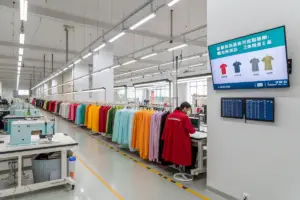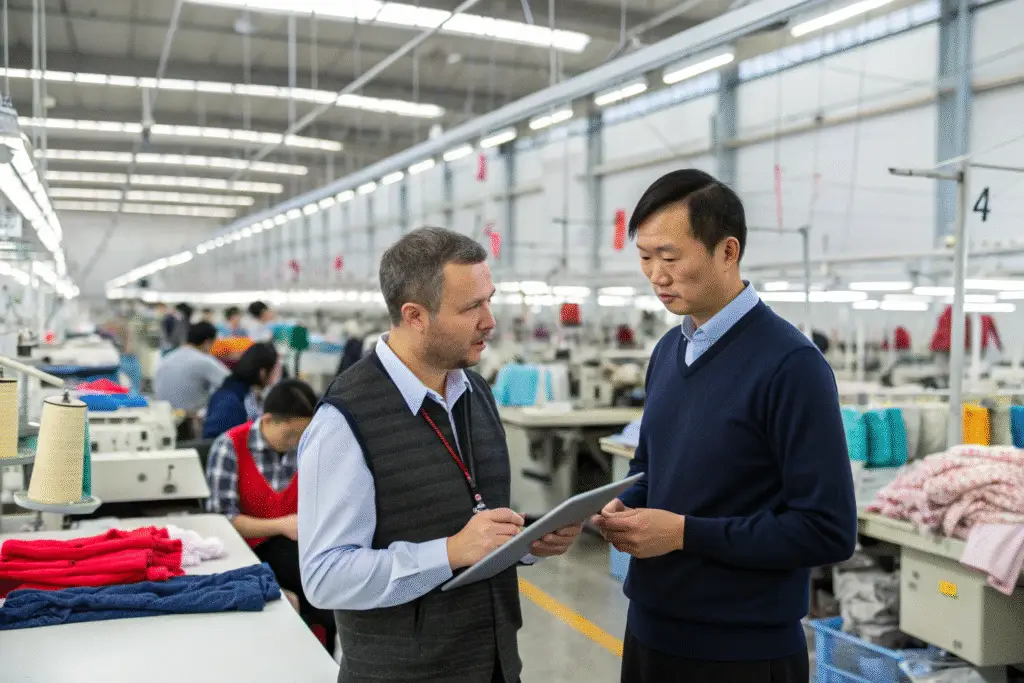
Many American apparel brand owners ask me about low MOQ orders. They want to start small to test the market. But they often do not know the full cost picture. A low Minimum Order Quantity can seem like a low-risk way to begin. However, the cost per unit can be surprisingly high. Understanding these costs helps you make better sourcing decisions and protects your profit margins.
Low MOQ orders often have higher per-unit costs due to fixed expenses like sample development, material sourcing, and production line setup being spread over fewer items. This can impact your overall profitability despite the lower initial investment.
Let’s explore the real costs behind low MOQ apparel production. We will break down where your money goes and how to manage these expenses effectively.
Why Does Per-Unit Cost Increase with Lower MOQ?
When you place a small order, the factory’s fixed costs do not change. We must cover our basic operations. These fixed costs get divided by the number of units you order. With a low MOQ, the share of these costs for each garment is much larger. This is the fundamental reason your price per piece goes up.
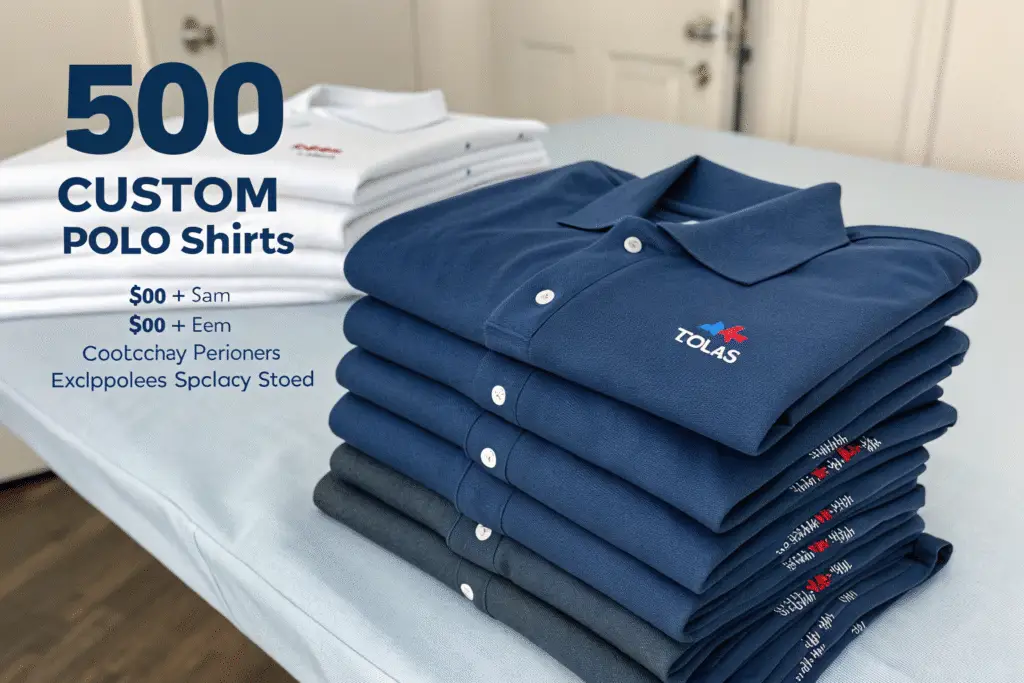
For a recent order of 500 custom polo shirts for a startup brand in Texas, the cost per shirt was 35% higher than it would have been for an order of 3000 units. The main reason was the sampling and pattern-making cost, which was a fixed amount.
What are the fixed costs in apparel manufacturing?
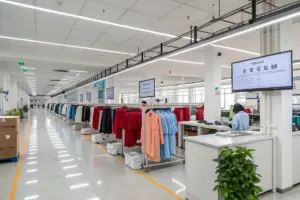
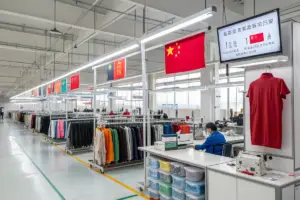
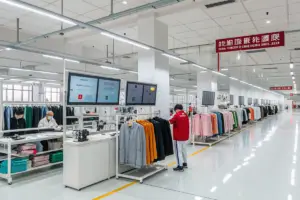
Fixed costs are expenses that stay the same no matter how many pieces you produce. For every new style, we have initial setup costs. These include technical design and pattern making. Our team must create a digital blueprint for your garment. We also make a physical sample for your approval. This process requires skilled labor and time. Another fixed cost is the production line setup. Our workers must adjust the machines for your specific fabric and design. This setup time is the same for 50 pieces or 500 pieces. The cost of this time is part of your order.
How does material sourcing affect small order pricing?
Material sourcing becomes less efficient with low MOQ. Most fabric mills have high minimum purchase requirements. For a small order, we cannot buy fabric at the best bulk price. Sometimes we must use a local fabric market, where prices are higher. We also face the same issue with trims like buttons, zippers, and labels. For a new client from Colorado, we sourced a special performance fabric. For their 300-unit order, the fabric cost was 50% higher per meter than for our standard larger orders. This significantly increased their final cost per jacket.
Beyond Unit Price: What Other Fees Can Appear?
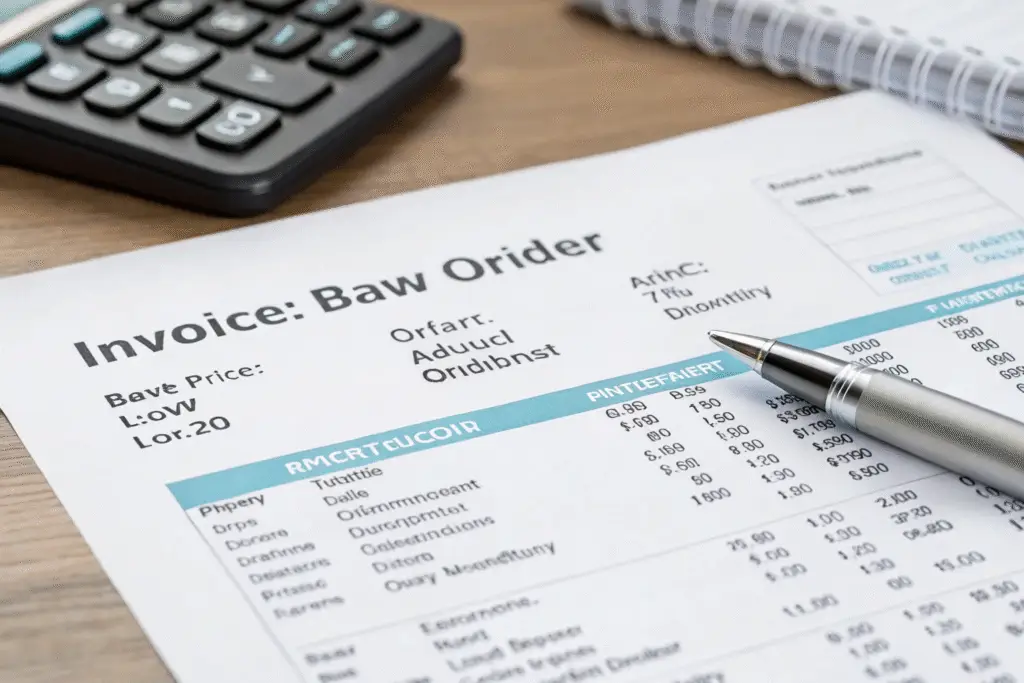
The base price is just one part of the total cost. Low MOQ orders often have extra fees that are not immediately obvious. These are separate line items that can surprise you if you are not prepared. Knowing these fees helps you budget accurately and avoid unexpected expenses.
Last year, a brand was surprised by a high product development fee on their invoice. They had requested three rounds of sample revisions, which went beyond our standard service. This is a common situation with new brands who are still finalizing their designs.
Sampling is a major area for potential extra costs. Our standard service often includes one or two prototype samples. But if you need multiple revisions or new samples after approval, we must charge a fee. Each sample uses materials and skilled worker time. Complex designs with special prints or embroidery also cost more to develop. We create mock-ups and test the techniques. These are all necessary steps to ensure your quality assurance standards are met, but they add cost to small batches.
How do logistics and payment terms impact final cost?
Logistics and shipping for small orders is less cost-effective. You cannot fill a full container, so you must use less-than-container-load (LCL) services. LCL shipping costs more per cubic meter than a full container. Also, certain secure payment methods preferred by factories for new clients, like letters of credit, have banking fees. These fees have a bigger impact on the total cost of a small order. We advise our partners on the most efficient shipping methods for their order size to help control these costs.
Can Low MOQ Impact Garment Quality and Consistency?
Yes, it can. While we strive for the highest quality on every order, low MOQ production presents unique challenges for maintaining consistency. The manufacturing process is optimized for long runs. Short runs can lead to variations that are harder to control.
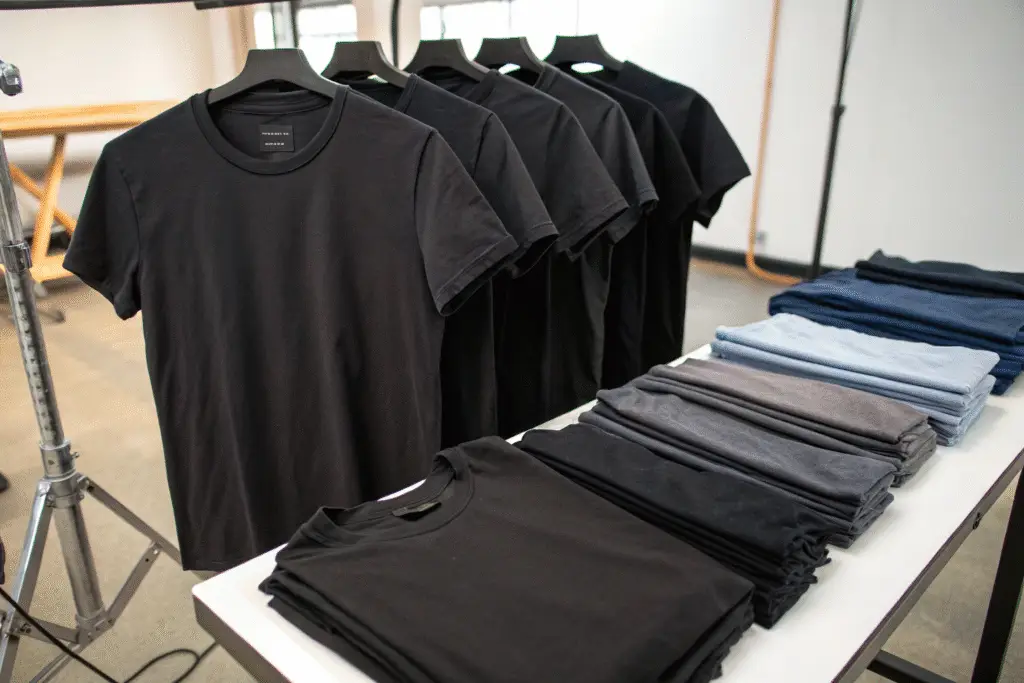
We once produced a 200-piece run of black t-shirts. In the middle of the run, the dye lot from the fabric supplier changed slightly. Because the order was so small, this change was very noticeable, making the last 50 shirts a different shade of black. In a larger order, the dye lot change would have been less frequent and easier to manage.
Why is fabric and trim consistency a challenge?
With low MOQ, we often cannot source all materials from a single production batch. This can lead to minor color or texture variations in fabric. The same is true for trims like threads and buttons. For a client ordering 150 dresses, the ribbon trim on the first 75 came from one roll, and the ribbon on the next 75 came from another. The difference was subtle, but it was there. This is a common risk that is much lower in high-volume production.
How does worker experience affect small batch quality?
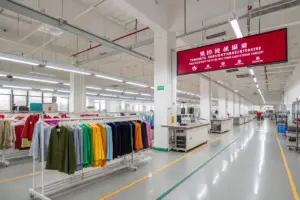
On our production lines, workers become experts at a specific garment through repetition. With a low MOQ order, the run is short. By the time the worker perfects the technique for your complex pocket design, the order is almost finished. This can mean the first 30 pieces are not as perfectly finished as the last 30. Our quality control team is vigilant, but the learning curve is a real factor in small-scale manufacturing.
Strategic Partnerships: How to Optimize for Low MOQ?
It is possible to manage low MOQ costs effectively. The key is to build a strategic partnership with your manufacturer. We can work together to find smart solutions that keep your costs under control without sacrificing your vision.
We have a partner in Oregon who started with a low MOQ of 200 pieces per style. By working closely with our design team to simplify some design elements and using our in-stock fabric options, we managed to reduce their cost by 20% compared to their initial quote.

What design strategies reduce low MOQ costs?
Simpler designs are more cost-effective for low MOQ. Reducing the number of components helps. For example, a T-shirt with a chest print is cheaper to produce than one with complex sleeve and back prints. Using existing patterns or fabrics from our stock is another great strategy. This avoids high fabric sourcing minimums and new pattern costs. We can often achieve a unique look with creative color choices and standard, high-quality materials.
How can planning and communication create efficiency?
Clear and efficient communication is vital. Providing detailed tech packs and clear feedback on the first sample minimizes costly revisions. Planning your orders seasonally can also help. If you can group several low MOQ styles into a single production slot, we can reduce the setup costs for each one. This approach requires good apparel manufacturing planning from both of us, but it significantly improves your bottom line.
Conclusion
Low MOQ orders are a valuable tool for launching and testing new apparel lines. However, it is crucial to understand the associated costs beyond the simple price per piece. Higher per-unit costs, potential extra fees, and quality challenges are real factors. By understanding these elements and working strategically with your manufacturer, you can navigate low MOQ production successfully. The goal is to build a partnership that supports your growth from a small start to a larger, more profitable brand.
If you are looking for a transparent and experienced partner to help you navigate your next low MOQ apparel order, we are here to help. Contact our Business Director Elaine today at elaine@fumaoclothing.com to discuss your project and how we can bring value to your brand.