The children’s wear market presents unique opportunities and challenges for emerging brands. Parents increasingly seek unique, high-quality clothing for their children, creating demand for custom kid’s wear. However, the traditional perception that custom manufacturing requires large minimum orders prevents many entrepreneurs from entering this space. The reality is that small MOQ custom kid’s wear is not only possible but increasingly accessible through specialized manufacturers.
Yes, small MOQ custom kid’s wear is absolutely achievable, with minimums typically ranging from 100-200 pieces per design for basic customization and 150-300 pieces for more detailed custom work. This accessibility stems from specialized manufacturing approaches that address the unique challenges of children’s wear production, including size grading complexities, safety requirements, and the need for smaller-scale efficiency. The key lies in finding manufacturers who have optimized their operations for the specific demands of small-batch children’s clothing.
The children’s wear sector has evolved significantly, with manufacturers recognizing the growing market for boutique-style custom clothing at accessible minimums. While producing custom kid’s wear at 100-200 pieces requires different approaches than mass production, manufacturers specializing in this niche have developed systems that maintain quality and compliance while offering realistic minimums for emerging brands.
What makes small MOQ possible for custom kid’s wear?
Several manufacturing innovations and market changes have converged to make small MOQ custom kid’s wear economically viable. Specialized equipment, optimized pattern systems, strategic fabric management, and growing demand for boutique children’s clothing have created an environment where manufacturers can profitably produce smaller quantities while maintaining quality and safety standards.
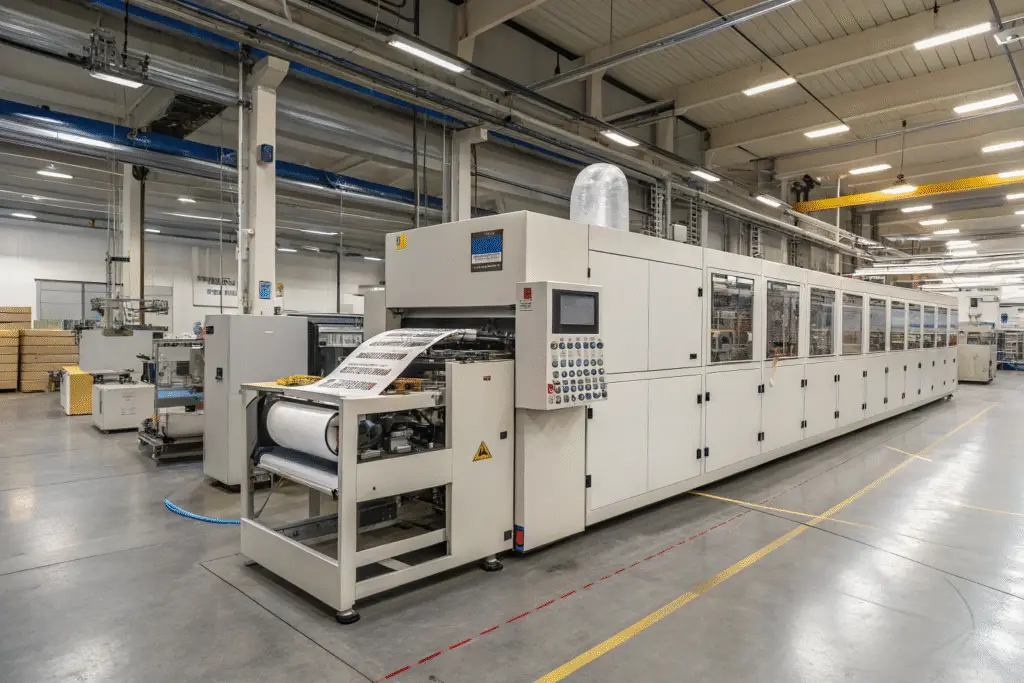
The most significant enabler is the development of modular production systems specifically designed for small batches. These systems allow for quick changeovers between sizes and styles while maintaining consistent quality. Additionally, digital printing technologies have eliminated traditional screen setup costs for custom graphics, while specialized grading systems ensure proper fit across multiple children’s sizes without requiring separate patterns for each size.
How have production technologies enabled small MOQs?
Key technological advancements include:
- Digital printing systems: No minimums for custom patterns and graphics
- Computerized cutting: Optimized fabric utilization for smaller quantities
- Modular sewing stations: Quick adaptation between different garment types
- Automated grading software: Accurate size scaling without manual pattern work
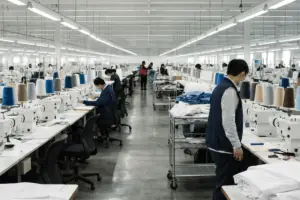
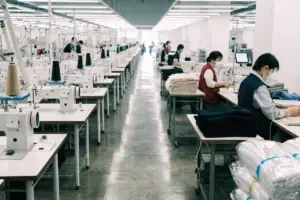
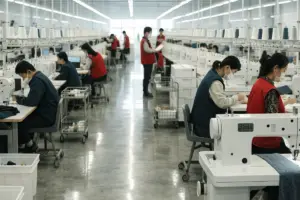
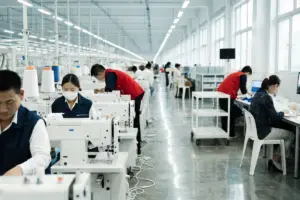
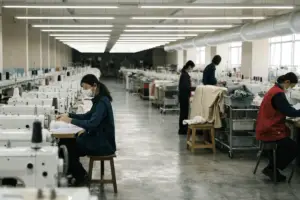
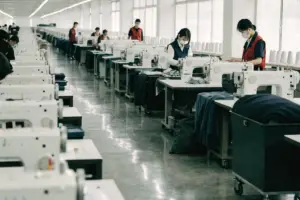
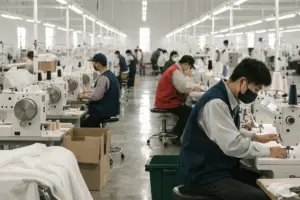
We’ve invested in specialized equipment specifically for our children’s wear clients, including smaller cutting tables optimized for children’s patterns and heat transfer machines that handle delicate children’s fabrics safely. This equipment allows us to maintain 85% efficiency at 150-piece quantities compared to our standard production lines.
What business model adaptations support small MOQs?
Manufacturers serving this niche have implemented several key adaptations:
- Fabric banking: Maintaining inventory of certified children’s fabrics
- Standard component libraries: Stock trims, elastics, and findings suitable for children’s wear
- Modular design systems: Base patterns that can be adapted for different styles
- Collective production scheduling: Combining multiple small orders for efficiency
Our approach involves maintaining Oeko-Tex certified fabric inventory specifically for children’s wear clients, which eliminates fabric minimums while ensuring compliance with safety standards. This system has enabled brands to produce custom organic cotton sets at just 120 pieces per design.
What are realistic MOQ expectations for different custom kid’s wear?
MOQ requirements vary significantly based on the type of customization, garment complexity, and safety certifications required. Understanding these variables helps set realistic expectations and identify the most cost-effective approaches for your specific custom kid’s wear project. Generally, simpler garments with basic customization have the most accessible minimums, while complex designs with extensive customization require higher commitments.
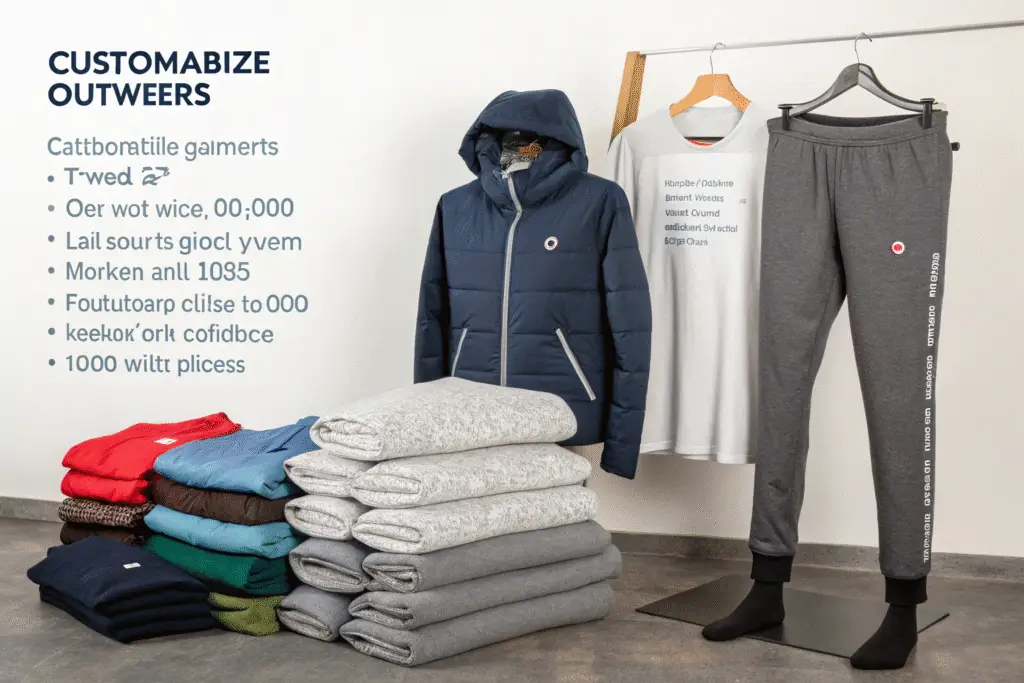
The most accessible starting point is typically basic customization of simple garments like t-shirts and leggings, where MOQs can be as low as 100 pieces. As you move toward more complex items like outerwear, specialized sleepwear, or garments requiring custom pattern development, MOQs typically increase to 200-300 pieces. The most important factor is often the balance between your customization vision and your quantity constraints.
What MOQs can I expect for basic custom kid’s wear?
Basic customization typically includes:
- Printed tees and onesies: 100-150 pieces
- Simple knit sets: 120-180 pieces
- Basic woven items: 150-200 pieces
- Custom color basics: 130-170 pieces
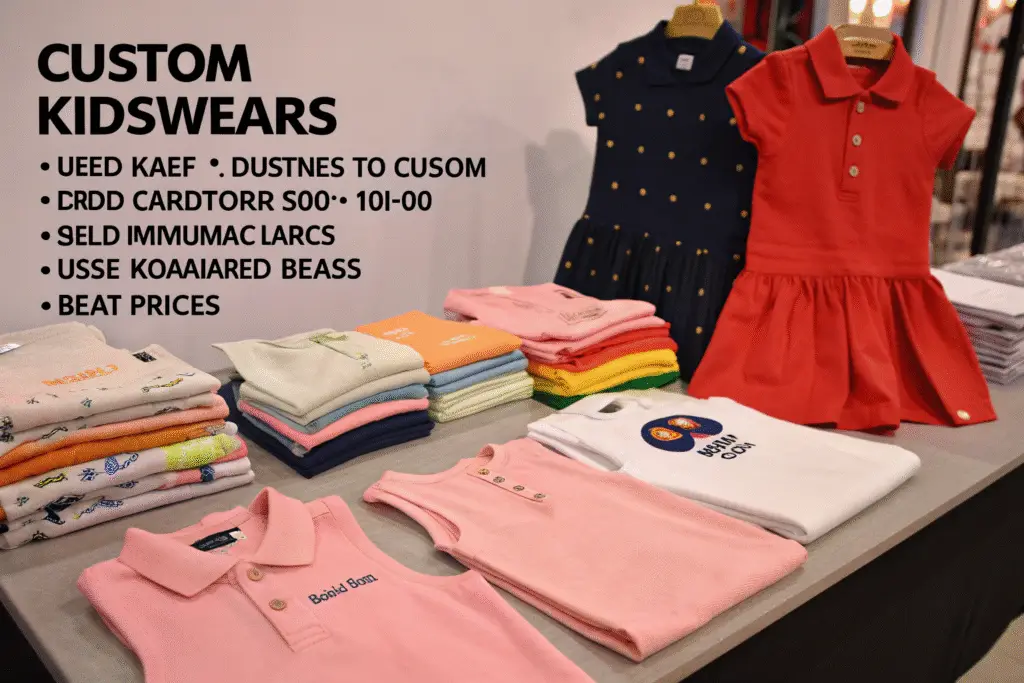
A organic children’s wear brand we worked with started with custom printed onesies at 100 pieces per design, allowing them to test four different prints with manageable inventory. The successful prints were reordered at 300 pieces, while the less popular designs were discontinued without significant financial impact.
How do MOQs change for complex custom kid’s wear?
More complex customization increases MOQ requirements:
- Multi-piece sets: 180-250 pieces
- Outerwear items: 200-300 pieces
- Custom fit development: 250-350 pieces
- Technical fabrics: 220-280 pieces
- Specialty sleepwear: 200-280 pieces
The increased minimums reflect additional pattern work, safety testing requirements, and more complex production processes. We recently helped a brand develop custom waterproof rain suits at 240 pieces—the higher MOQ justified the specialized seam sealing equipment and safety testing required for children’s outerwear.
How can you reduce MOQs for custom kid’s wear projects?
Several strategic approaches can help achieve lower MOQs for custom children’s clothing without compromising on quality or safety. The most effective methods involve design optimization, smart material selection, production planning, and building relationships with manufacturers who specialize in small-batch children’s wear. Understanding what drives MOQ requirements enables you to make informed decisions that balance your creative vision with practical business constraints.
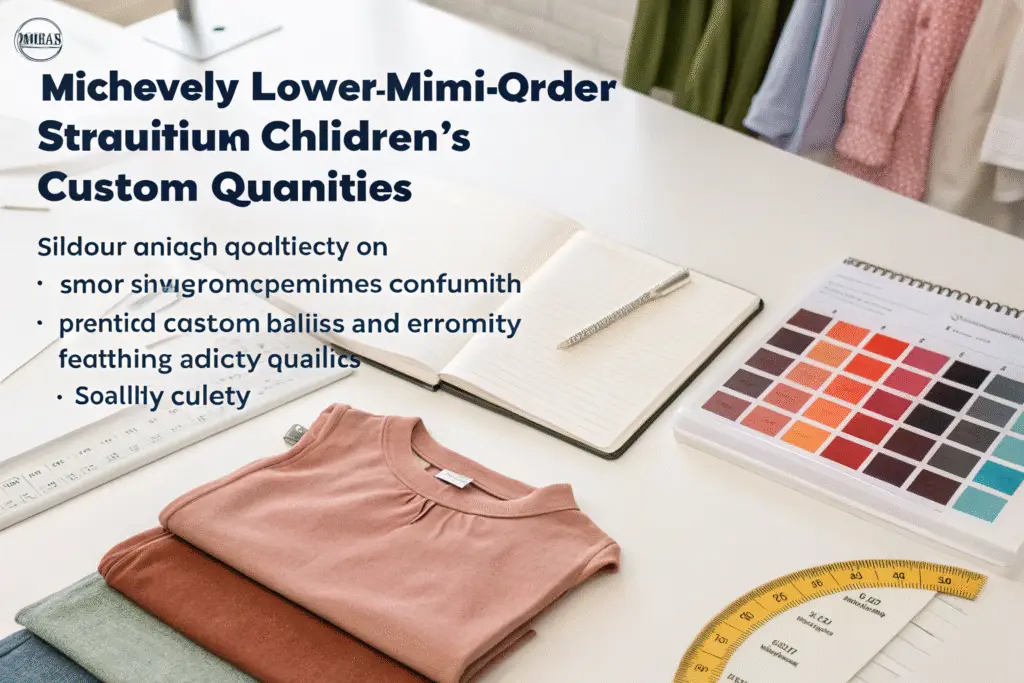
The single most impactful strategy is often selecting from manufacturers’ existing material libraries rather than developing custom fabrics. Other effective approaches include using standard size grading rather than custom patterns, selecting garments that share common components, and planning production across multiple styles to achieve collective efficiency.
What design strategies enable lower MOQs?
Design decisions significantly impact MOQ requirements:
- Simplify construction: Reduce component count and complex seaming
- Use standard sizing: Adapt existing grade rules rather than custom sizing
- Limit color variations: Focus on cohesive color stories across styles
- Modular design: Create collections using shared design elements
- Strategic customization: Focus custom elements on high-impact areas
We recently helped a children’s wear brand reduce their MOQ from 300 to 150 pieces by simplifying their romper design from eight pattern pieces to five and using our standard snap placement rather than custom hardware. The design maintained its visual appeal while becoming much more accessible for small-batch production.
How does production planning affect MOQs?
Strategic production planning can optimize minimum requirements:
- Style grouping: Produce complementary styles together
- Fabric consolidation: Use the same materials across multiple designs
- Seasonal phasing: Schedule production to maintain line efficiency
- Component sharing: Use standard trims across your collection
A boutique brand we work with produces their spring and summer collections together, using the same base fabrics across both seasons. This approach allows them to produce each style at 140 pieces while meeting fabric minimums through collective volume across twelve different designs.
What special considerations apply to small MOQ kid’s wear?
Children’s wear manufacturing involves unique considerations beyond standard apparel production, particularly regarding safety, compliance, and size grading. These factors become especially important when working with smaller quantities, where the cost of compliance and testing represents a larger percentage of your total investment. Understanding these considerations helps ensure your products meet all requirements while maintaining viable minimums.
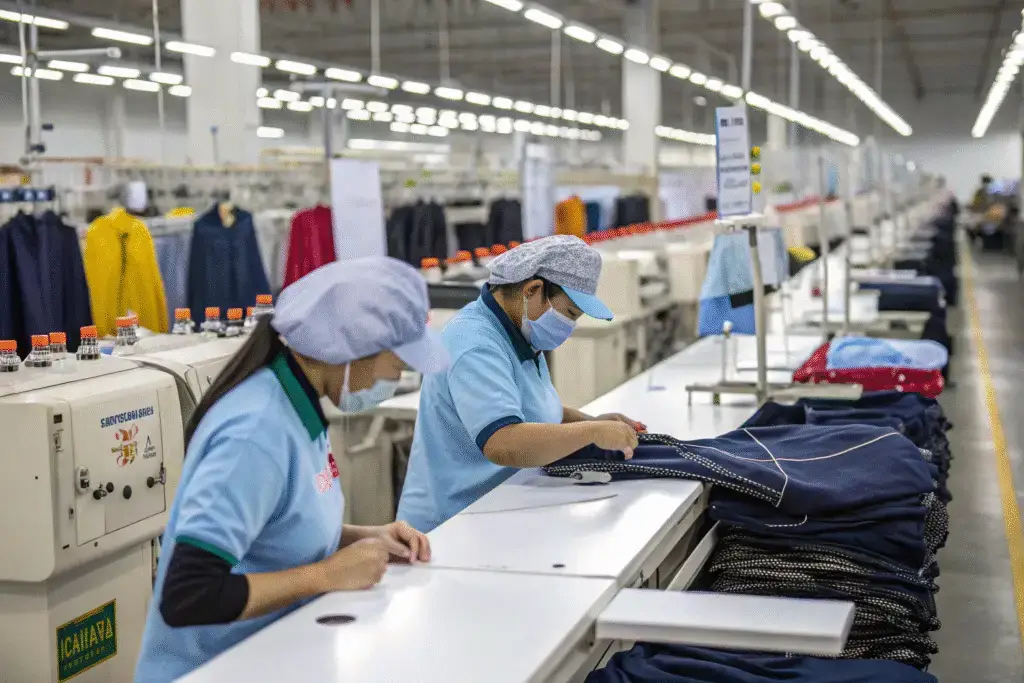
Safety compliance is non-negotiable in children’s wear and includes regulations for flammability, lead content, drawstring safety, and small parts. Additionally, proper size grading is crucial for both fit and comfort. Manufacturers experienced in children’s wear will have systems to address these requirements efficiently, even at lower quantities.
How do safety requirements affect small MOQ production?
Key safety considerations include:
- Fabric certification: Oeko-Tex, CPSIA compliance
- Flammability standards: Especially for sleepwear
- Drawstring regulations: Specific requirements for different age groups
- Small parts testing: Ensuring no choking hazards
- Phthalate restrictions: For any plastic components
Our approach involves maintaining pre-certified fabric inventory and using compliance-tested components from our approved supplier list. This system allows small MOQ clients to leverage our existing certifications rather than funding individual testing programs, which would be cost-prohibitive at 150-piece quantities.
What size grading challenges exist with small MOQs?
Children’s wear sizing presents unique challenges:
- Multiple size ranges: Babies, toddlers, children require different proportions
- Growth considerations: Patterns must accommodate typical body development
- Fit standards: Different expectations for different age groups
- Grading complexity: More size steps than adult clothing
We’ve developed specialized grading systems for children’s wear that maintain proper proportions across sizes without requiring individual pattern development for each size. This approach has been particularly valuable for brands producing at 150-200 pieces, where spreading development costs across just a few dozen units per size would be economically challenging.
Conclusion
Small MOQ custom kid’s wear is not only possible but represents a growing segment of the children’s fashion market. With MOQs typically ranging from 100-300 pieces depending on complexity, emerging brands can now access custom manufacturing that was previously available only to larger companies. The key to success lies in understanding the specific requirements of children’s wear production, making strategic design decisions, and partnering with manufacturers who specialize in small-batch children’s clothing.
The children’s wear market offers tremendous opportunity for brands that can balance creativity with practical production considerations. By focusing on safety, proper sizing, and strategic customization, you can build a successful children’s wear brand without the inventory risks associated with traditional large-minimum manufacturing.
At Fumao Clothing, we’ve developed specialized expertise in small MOQ children’s wear production, with systems designed to maintain quality and compliance at quantities as low as 100 pieces. Our approach combines appropriate safety certifications, children’s-specific pattern expertise, and flexible production systems tailored to emerging children’s wear brands. If you’re considering launching or expanding a custom children’s wear line and want to explore small MOQ possibilities, contact our Business Director, Elaine, at elaine@fumaoclothing.com to discuss how we can support your project.