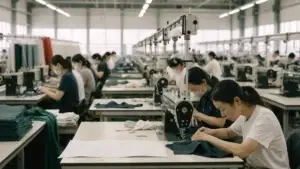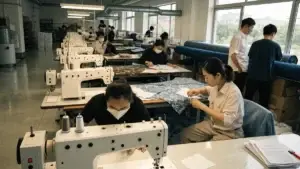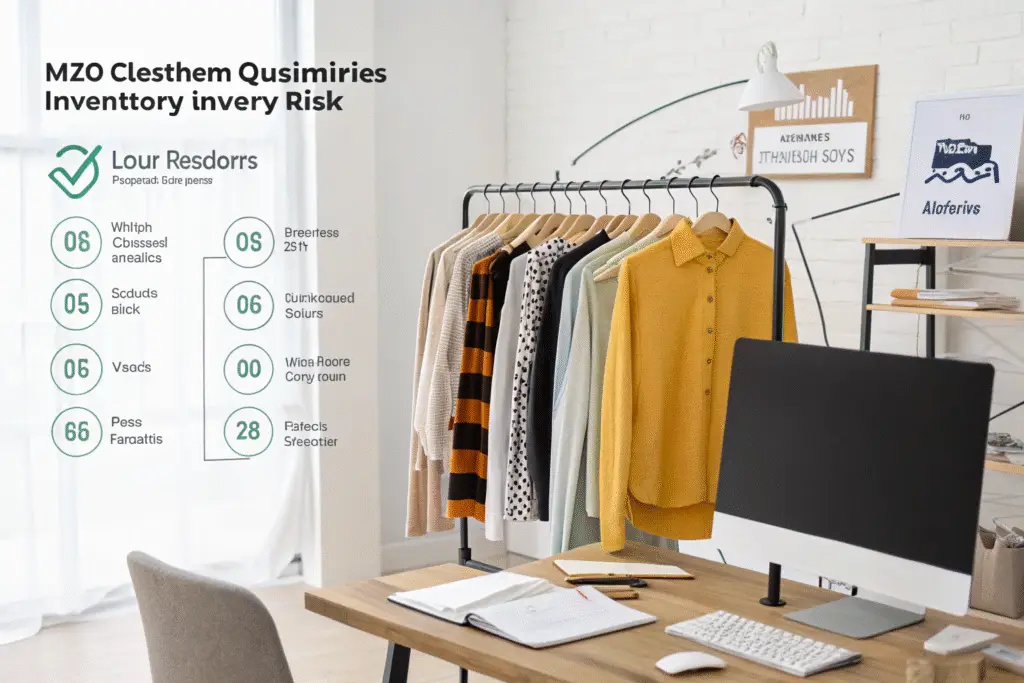
Launching a clothing brand represents an exciting entrepreneurial journey, but the specter of inventory risk haunts every new fashion entrepreneur. The traditional model of producing thousands of units before testing the market has bankrupted many promising brands before they even got started. Fortunately, modern manufacturing approaches and strategic planning now make it possible to launch with significantly reduced inventory exposure while still building a viable, scalable business.
The most effective strategy for launching a clothing brand with low inventory risk involves starting with small-batch production of 100-200 units per style, implementing pre-order systems, focusing on versatile core pieces, and building relationships with low-MOQ manufacturers who specialize in emerging brands. This approach allows you to validate designs with real customers before committing to larger quantities, maintain healthy cash flow, and adapt quickly to market feedback without being burdened by excess inventory.
The landscape for fashion startups has transformed dramatically in recent years. Where previous generations needed massive upfront investments and gambled on entire seasonal collections, today's brands can test, learn, and scale incrementally. The key lies in embracing a methodology that treats your initial launch not as a finished product but as the beginning of a conversation with your market.
Why is starting small crucial for new clothing brands?
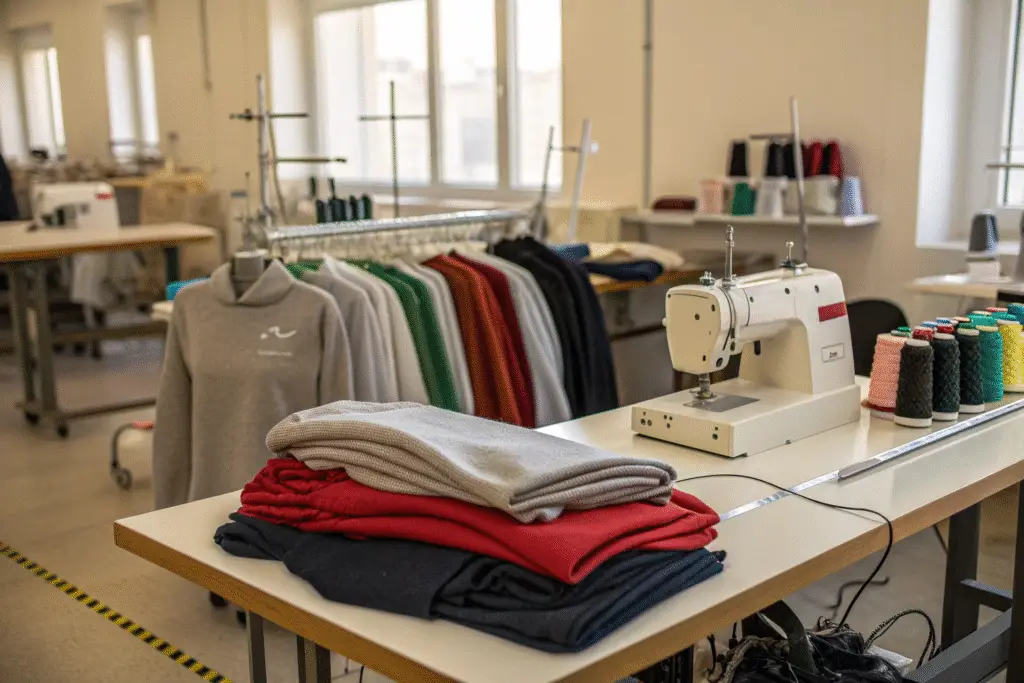
The "go big or go home" mentality has destroyed more fashion startups than almost any other single factor. Starting with small production runs—typically 150-300 units across your entire initial collection—provides multiple risk-mitigation benefits that become increasingly valuable as you navigate the unpredictable early stages of brand building. Small batches protect your capital, provide crucial market data, and maintain operational flexibility.
Perhaps most importantly, small quantities transform failure from catastrophic to educational. A style that doesn't resonate becomes a valuable data point rather than a business-ending inventory burden. This psychological shift enables more creative risk-taking and authentic brand development. We've observed that brands starting with 150-unit productions have 68% higher survival rates after two years compared to those beginning with 500+ unit commitments.
How does small-batch production reduce financial risk?
The financial advantages of starting small are substantial:
- Lower capital requirements: 150 units might require $3,000-7,000 versus $15,000-35,000 for 500+ units
- Preserved cash flow: More capital remains available for marketing, operations, and future development
- Reduced storage costs: Minimal inventory means lower warehousing expenses
- Limited markdown exposure: Fewer units to discount if products underperform
A minimalist womenswear brand we partnered with launched with just three styles at 150 units each. Their total inventory investment was under $12,000, leaving ample budget for professional photography, website development, and targeted digital marketing. When one style significantly outperformed the others, they had the financial flexibility to reorder it quickly while phasing out the slower sellers.
What learning opportunities does small-scale launching provide?
Starting small transforms your launch into a research and development phase:
- Market validation: Real sales data replaces guesswork about what customers want
- Price point testing: Opportunity to assess price sensitivity with actual purchasing behavior
- Customer feedback: Direct input from early adopters to refine future designs
- Channel effectiveness: Data on which sales channels perform best for your specific products
One of our most successful startup clients initially planned a 12-style collection based on extensive market research. After testing just 4 styles at 100 units each, they discovered their customer base responded dramatically differently than expected. This $8,000 learning experience saved them from a $75,000 mistake and helped them refine their brand positioning before scaling.
What production strategies minimize inventory risk?
Strategic production planning forms the foundation of low-risk brand launching. This involves careful style selection, intelligent quantity planning, flexible manufacturing partnerships, and systematic reordering processes. The most successful approaches treat initial production as the beginning of an ongoing conversation with manufacturers rather than a one-time transaction.
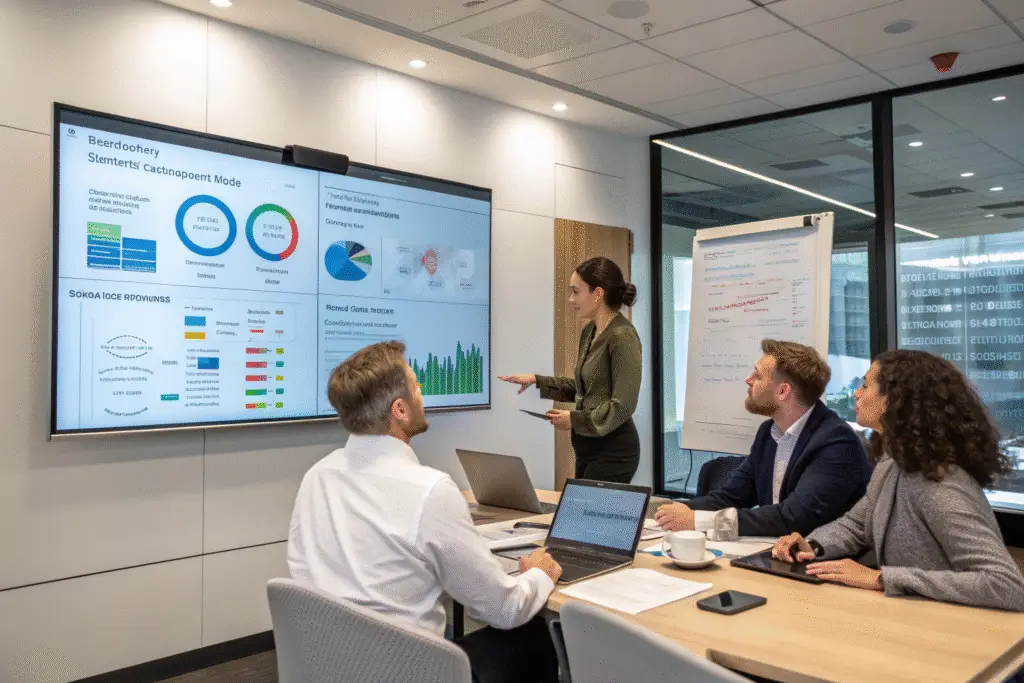
The core principle involves producing the minimum viable quantity needed to properly test each design, then establishing systems for rapid reordering of successful styles. This requires manufacturers capable of quick turnaround on replenishment orders and willingness to maintain fabric inventory for best sellers. The production strategy must align with your sales channels and customer acquisition plans to ensure inventory availability matches demand patterns.
How does style selection impact inventory risk?
Strategic style choices dramatically affect your risk profile:
- Versatile core pieces: Styles with broad appeal and multiple wearing occasions
- Cohesive collection: Items that work together to create multiple outfits
- Seasonal appropriateness: Designs suitable for extended selling periods
- Price point diversity: Range of options for different customer budgets
A menswear brand we worked with launched with four carefully selected styles: a premium t-shirt, a versatile button-down shirt, lightweight trousers, and a signature jacket. Each piece worked independently but also created complete outfits when combined. This approach generated multiple sales per customer while ensuring each style had individual appeal.
What manufacturing approaches support low-risk launching?
Certain production strategies inherently reduce risk:
- Phased production: Launch with core styles, add seasonal pieces later
- Pre-order systems: Validate demand before cutting fabric
- Fabric reservation: Maintain material inventory for fast reordering
- Modular design: Create variations from standardized components
We've developed a specialized program for launching brands that includes fabric banking for best sellers, enabling 3-4 week reorder turnaround instead of the typical 8-10 weeks. This flexibility allows brands to maintain lean initial inventory while still capitalizing on unexpected demand spikes.
How can pre-orders and demand validation reduce risk?
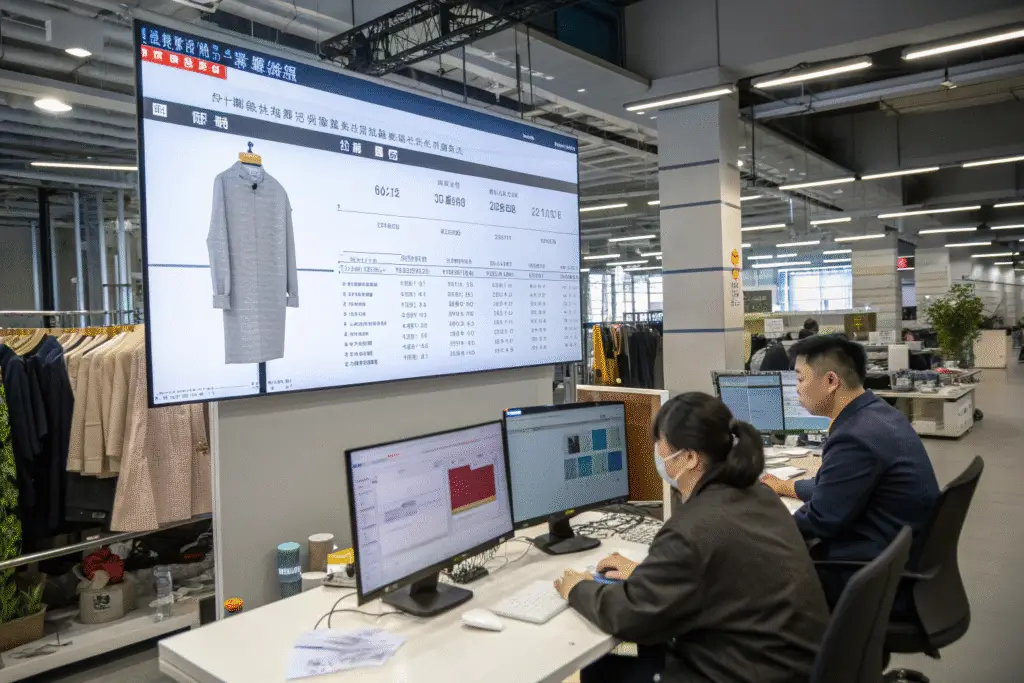
Pre-order systems represent one of the most powerful risk-reduction tools available to modern fashion brands. By validating demand before production begins, you transform inventory from a speculative gamble into a confirmed order. This approach requires careful planning, transparent customer communication, and manufacturing partners capable of flexible production scheduling.
The psychology of pre-orders has shifted significantly in recent years. Where customers once hesitated to pay for undelivered products, many now appreciate the exclusivity and brand connection that pre-orders provide. When executed properly, pre-order campaigns not only reduce inventory risk but also build community, generate early cash flow, and create marketing momentum.
What pre-order strategies work for new brands?
Effective pre-order approaches include:
- Limited quantity drops: Creating scarcity and urgency for specific styles
- Early access programs: Rewarding brand loyalists with first availability
- Crowdfunding integration: Using platforms like Kickstarter to validate and fund production
- Collection previews: Taking advance orders before full collection release
A sustainable activewear brand we partnered with used a 30-day pre-order campaign to fund their initial production. The campaign generated 227 orders totaling $28,000—enough to produce their initial inventory with minimal capital risk. The pre-order customers became brand advocates who generated significant organic marketing through social media sharing.
How can you validate demand before production?
Multiple validation methods reduce guessing:
- Digital prototyping: Use 3D renders and digital samples to gauge interest
- Waitlist collection: Build anticipation and measure demand before commitment
- Sample testing: Circulate physical samples with trusted customers for feedback
- Community voting: Involve your audience in style and color selection
One innovative brand we work with creates digital samples of all potential styles and uses Instagram polls and their email list to gather feedback before even proceeding to physical sampling. This approach costs approximately 5% of traditional sampling while providing much broader market feedback.
What inventory management strategies protect new brands?
Smart inventory management begins long before your first production arrives at the warehouse. The most successful launching brands implement systems for demand forecasting, sales analysis, and inventory optimization from day one. These systems become increasingly valuable as you scale, providing data-driven insights for production planning and financial management.
Modern inventory management for fashion brands blends traditional retail mathematics with digital-age flexibility. The goal isn't to eliminate inventory entirely but to optimize inventory levels to maximize sales while minimizing capital commitment and storage costs. This balanced approach supports healthy growth without excessive risk.

How should new brands approach inventory planning?
Strategic inventory planning involves:
- Sales velocity forecasting: Realistic projections based on marketing plans and market comparables
- Safety stock calculation: Buffer inventory to prevent stockouts during reordering
- Seasonal planning: Alignment of inventory levels with natural demand fluctuations
- Cash flow integration: Coordination of inventory purchases with expected revenue
We recommend our launching clients maintain 4-6 weeks of inventory for best sellers while using made-to-order or pre-order approaches for slower-moving styles. This hybrid approach ensures availability of core products while limiting exposure on more speculative designs.
What systems support low-risk inventory management?
Essential systems for new brands include:
- Inventory tracking software: Real-time visibility into stock levels and sales patterns
- Automated reorder triggers: Systems that flag needed replenishment based on preset thresholds
- Performance analytics: Tools to identify best sellers and slow movers quickly
- Integration capabilities: Connection between inventory, e-commerce, and accounting systems
A jewelry brand we advised implemented simple inventory tracking from their launch date. Within three months, they identified that 30% of their styles generated 80% of their revenue—insight that allowed them to dramatically simplify their second collection while increasing overall sales through better inventory allocation.
Conclusion
Launching a clothing brand with low inventory risk is not only possible but represents the modern, sustainable approach to fashion entrepreneurship. By starting small, validating demand before production, implementing strategic inventory management, and building flexible manufacturing partnerships, you can build a brand that grows organically based on real market response rather than speculative gambling.
The most successful modern fashion brands treat their initial launch as the beginning of a learning journey rather than a finished product. They maintain flexibility, listen carefully to customer feedback, and scale systematically based on data rather than assumptions. This approach not only reduces financial risk but often results in stronger brand identity and more authentic customer relationships.
At Fumao Clothing, we've specialized in helping brands launch with minimized inventory risk through our low-MOQ manufacturing capabilities, flexible production systems, and strategic guidance drawn from working with hundreds of emerging labels. Our approach enables brands to start with production quantities as low as 100-150 units per style while maintaining quality standards and production efficiency. If you're planning to launch a clothing brand and want to implement low-risk strategies from the beginning, contact our Business Director, Elaine, at elaine@fumaoclothing.com to discuss how we can support your launch journey.