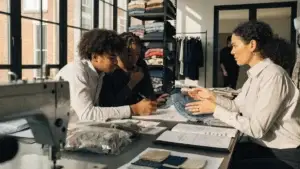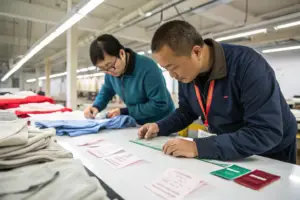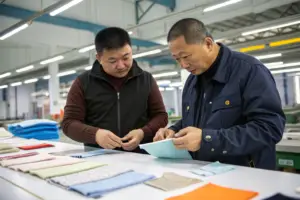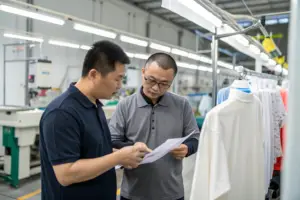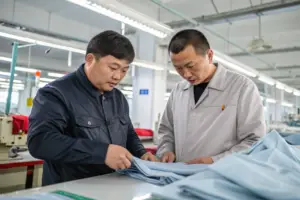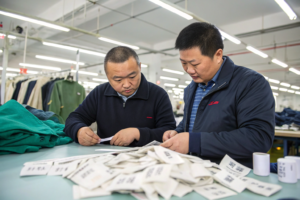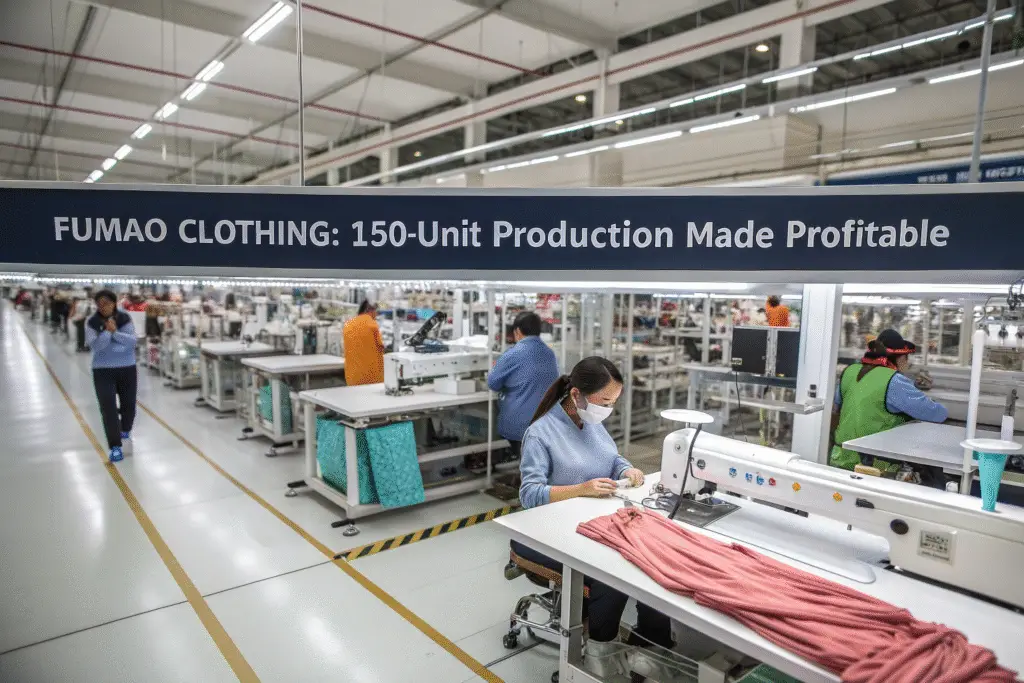
In the apparel manufacturing industry, Minimum Order Quantity (MOQ) requirements often present significant barriers for emerging brands and small businesses. While many factories demand 500, 1000, or even higher minimums, Fumao Clothing has developed a specialized system that makes 150-unit production not only possible but profitable for both us and our clients. This capability didn't happen by accident—it resulted from strategic investments in technology, process optimization, and a fundamental rethinking of traditional manufacturing approaches.
Fumao Clothing achieves sustainable 150-unit MOQs through specialized production lines, advanced fabric management systems, modular design approaches, and strategic client partnerships that optimize efficiency at lower volumes. Our system transforms the economic challenges of small-batch production into opportunities for collaboration and growth, allowing emerging brands to access quality manufacturing without the traditional volume requirements.
The question we often receive from potential clients is how we can offer such competitive MOQs when larger factories cannot. The answer lies in our targeted approach to small-batch manufacturing, where we've made deliberate choices about equipment, staffing, and processes specifically designed for the 150-500 unit range that many growing brands require.
What specialized production systems enable 150-unit MOQs?
Our ability to maintain profitability at 150-unit quantities stems from fundamental differences in how we've structured our manufacturing operations. Rather than trying to force small orders through systems designed for mass production, we've created dedicated infrastructure specifically for low MOQ clients. This includes specialized equipment, trained personnel, and unique workflow management.
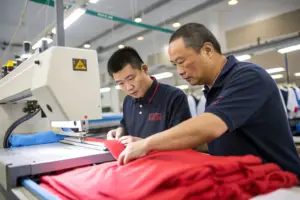
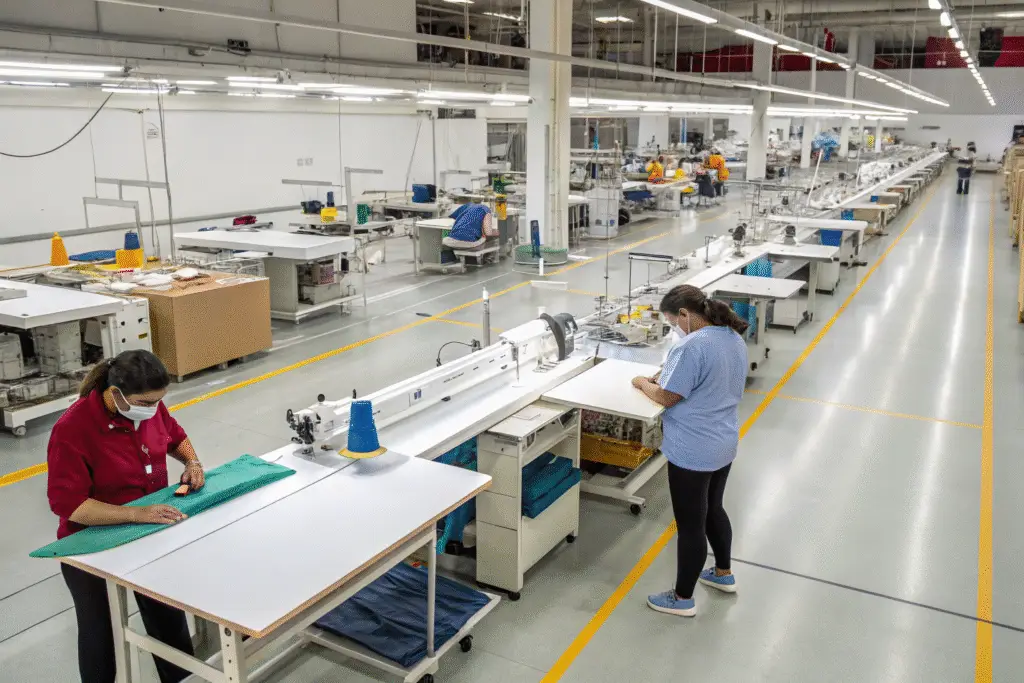
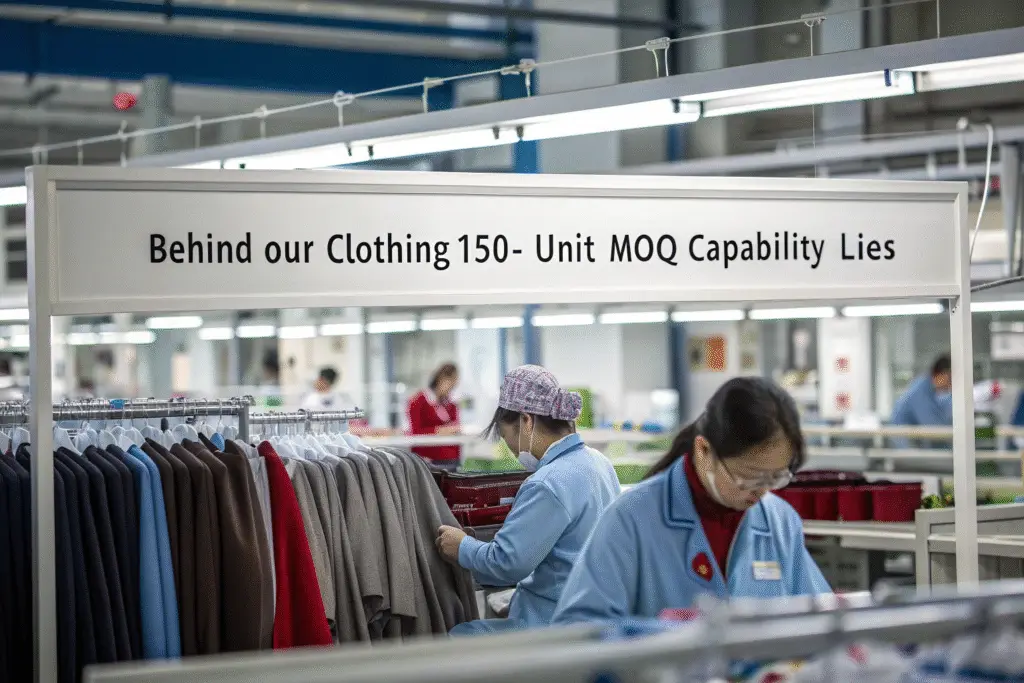
We operate two of our five production lines exclusively for orders between 150-500 units. These lines feature smaller cutting tables, versatile sewing stations that can handle multiple garment types, and quality control systems adapted for smaller batch sizes. The staff on these lines are cross-trained on multiple machine types and garment categories, allowing for quick transitions between different styles without sacrificing quality or efficiency.
How does equipment specialization support low MOQ?
Our low MOQ production lines utilize equipment specifically chosen for flexibility and quick changeovers:
- Computer-controlled cutting machines with optimized nesting software for smaller fabric lays
- Multi-function sewing stations that handle various operations without reconfiguration
- Digital printing capabilities that eliminate screen setup costs for small batches
- Modular pressing and finishing systems that accommodate different garment types
This specialized equipment, representing a significant investment on our part, allows us to achieve 85% of the efficiency of our mass production lines while working with quantities 70-80% smaller. The economic viability comes from running these lines at higher utilization rates across multiple clients rather than relying on large volumes from single orders.
What workflow innovations make 150 units feasible?
Our production planning system incorporates several key innovations:
- Batch combining: Strategically scheduling compatible styles from different clients in sequence
- Fabric optimization: Grouping orders by material type to minimize changeover time
- Staggered production: Phasing multi-style collections to maintain line utilization
- Standardized components: Maintaining inventory of common trims and findings
These approaches allow us to maintain consistent workflow through our low MOQ lines, which is essential for profitability at 150-unit quantities. Our advanced planning software helps identify optimization opportunities that wouldn't be apparent through manual scheduling.
How does fabric management enable low MOQ production?
Fabric sourcing and management represent one of the biggest challenges in low MOQ manufacturing. Traditional fabric mills often have minimums that far exceed 150-unit requirements, making material access a significant barrier. Fumao Clothing has developed several strategies to overcome this challenge while maintaining quality and cost effectiveness.
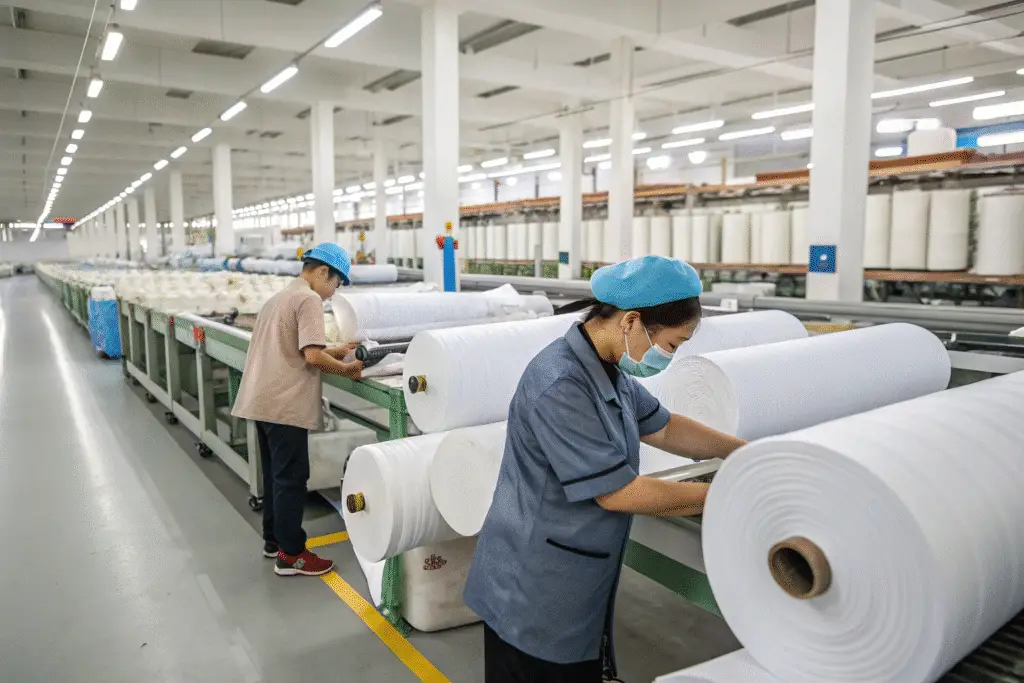
Our fabric management system combines strategic inventory, mill relationships, and material optimization techniques to provide clients with quality materials at 150-unit quantities. We maintain standing inventory of popular fabrics in our low MOQ program, purchase mill overruns and excess inventory at favorable pricing, and have developed relationships with mills that offer flexible minimums for our collective buying power.
What fabric inventory strategies support 150-unit orders?
We employ multiple approaches to fabric availability:
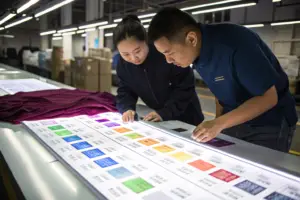
- Core fabric library: 50+ proven fabrics maintained in stock
- Seasonal forecasting: Projecting demand for trending materials
- Mill partnership program: Collaborative buying with other manufacturers
- Remnant utilization: Creative use of leftover materials from larger productions
Our core fabric library includes various cotton jersey, pique knit, twill, and denim fabrics that cover approximately 70% of our low MOQ client needs. For the remaining 30% requiring specialty materials, we've negotiated relationships with mills that offer reduced minimums because of our consistent volume across multiple clients.
How does fabric optimization reduce waste and cost?
Advanced fabric utilization is crucial for 150-unit profitability:
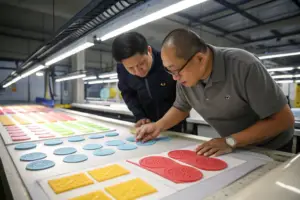
- Digital pattern nesting maximizes yield from each fabric piece
- Multi-client cutting combines compatible patterns from different orders
- Strategic marker making optimizes layout for smaller quantities
- Remnant management repurposes leftover materials for samples or smaller runs
Our fabric utilization rates for 150-unit orders reach 92-95% through these techniques, compared to industry averages of 85-90% for similar quantities. This efficiency directly impacts our ability to offer competitive pricing at low MOQs.
What operational efficiencies make 150-unit MOQ possible?
Behind our 150-unit MOQ capability lies a comprehensive system of operational practices designed specifically for small-batch efficiency. These include streamlined sampling processes, modular technical development, and strategic pricing models that align with the realities of low-volume production.
Our approach recognizes that the cost structure for 150-unit orders differs significantly from mass production. Rather than simply applying the same business model to smaller quantities, we've reengineered our operations to match the unique requirements and opportunities of serving emerging brands and small businesses.
How does technical development support low MOQ?
Our technical team has developed systems that reduce upfront costs:
- Modular pattern library with adaptable base patterns
- Digital fit simulation reducing physical sampling needs
- Standardized specification templates streamlining development
- Efficient sample approval process minimizing revision cycles
For basic styles like t-shirts and simple wovens, we can often adapt existing patterns from our library, reducing pattern development time by 60-70% compared to starting from scratch. This efficiency directly translates to lower costs and faster turnaround for our 150-unit clients.
What pricing model makes 150 units sustainable?
Our transparent pricing structure for 150-unit orders includes:
- Fixed development fees separate from per-unit pricing
- Volume-tiered pricing that rewards repeat business
- Clear cost breakdowns showing fabric, labor, and overhead
- Future production incentives for successful styles
This model ensures we cover our fixed costs while providing clients with predictable pricing. Our experience shows that 150-unit orders often lead to long-term partnerships and larger future orders, making the initial investment in client relationships economically viable.
How do client partnerships enhance our low MOQ capability?
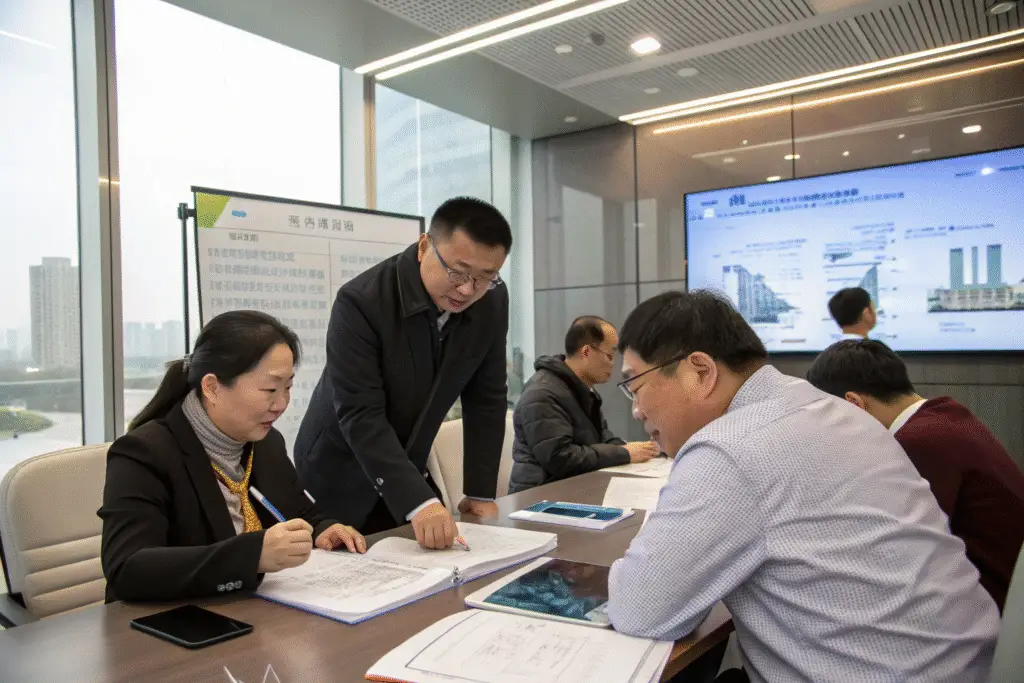
Our ability to maintain 150-unit MOQs depends not only on our internal systems but also on collaborative relationships with clients who understand the mutual benefits of our approach. We've found that certain client behaviors and approaches work particularly well with our low MOQ model, creating better outcomes for both parties.
Successful partnerships in our 150-unit program typically involve clients who provide clear technical packages, maintain reasonable expectations about timelines, understand the cost structure of small-batch production, and communicate proactively throughout the process. In return, we offer transparency, flexibility, and manufacturing expertise tailored to growing brands.
What client practices optimize 150-unit production?
The most successful clients in our low MOQ program typically:
- Utilize our standard fabrics when possible
- Provide complete technical packages reducing revision cycles
- Plan collections with production efficiency in mind
- Maintain realistic timelines accommodating our production scheduling
- Communicate proactively about changes or challenges
These practices reduce friction and cost throughout the production process, allowing us to maintain our 150-unit MOQ while delivering quality results. Our most successful partnerships often involve clients who view us as manufacturing partners rather than simply vendors.
How does repeat business support sustainable low MOQ?
The economic model for our 150-unit MOQ program relies on a combination of initial orders and follow-on business:
- Style reorders when designs prove successful
- Collection expansion adding new styles to proven lines
- Seasonal development ongoing partnership across multiple seasons
- Volume growth as brands scale their businesses
This approach creates a virtuous cycle where our initial investment in 150-unit capability leads to long-term relationships and growing order volumes. Approximately 65% of our low MOQ clients place reorders within six months, and 40% increase their average order size within their first year of working with us.
Conclusion
Fumao Clothing's 150-unit MOQ capability represents a strategic choice to serve the growing market of emerging brands and small businesses that need quality manufacturing at accessible quantities. Through specialized equipment, innovative fabric management, operational efficiencies, and collaborative client partnerships, we've created a sustainable model that benefits both our manufacturing business and the brands we serve.
Our investment in low MOQ manufacturing reflects our commitment to being true partners in our clients' growth journeys. We understand that today's 150-unit order could become tomorrow's 1500-unit partnership, and we've built our systems to support that evolution. If you're looking for a manufacturing partner that combines accessible minimums with professional capabilities and a partnership mindset, contact our Business Director, Elaine, at elaine@fumaoclothing.com to discuss how we can support your production needs.