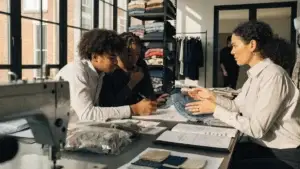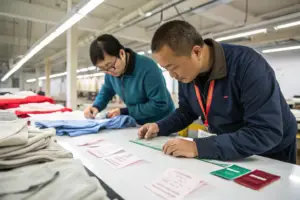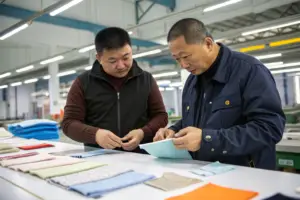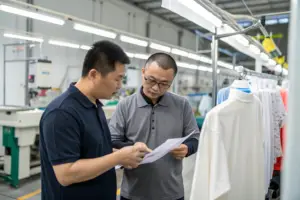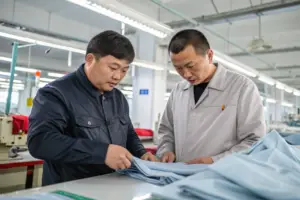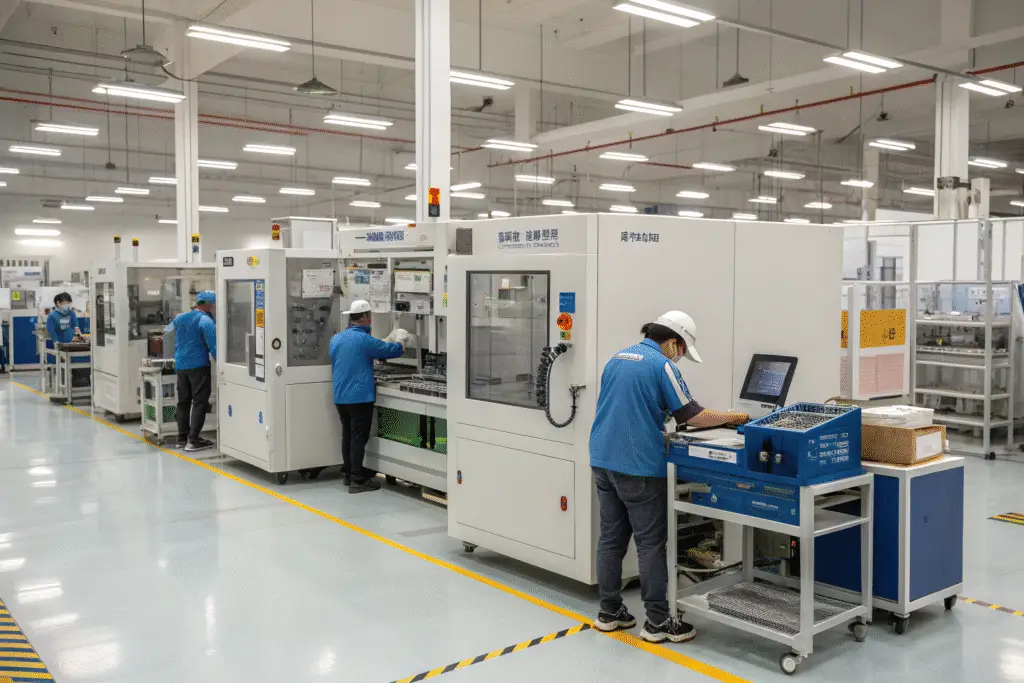
As an emerging fashion brand, you're likely balancing the need for variety in your collection with the financial constraints of inventory management. The question of whether you can order just 150 units per style is both practical and strategic. The good news is that yes, ordering 150 units per style is not only possible but can be a smart approach for growing brands when executed with the right manufacturing partner.
Yes, ordering 150 units per style is absolutely feasible with manufacturers specializing in low MOQ production, and this quantity often represents the sweet spot for emerging brands testing multiple designs while managing risk. This approach allows you to offer variety to your customers, gauge market response accurately, and maintain lean inventory levels without compromising on production quality or cost-effectiveness.
Many established manufacturers have adapted to the growing demand for smaller batch production, developing specialized processes that maintain efficiency and quality even at 150-piece quantities. The key lies in finding partners who understand the specific needs of growing brands rather than trying to fit your business into traditional high-volume manufacturing models.
Why is 150 units per style becoming more popular?
The shift toward 150-unit production runs reflects broader changes in consumer behavior and retail dynamics. Fast fashion has trained consumers to expect constant newness, while direct-to-consumer brands need to test designs quickly without massive inventory commitments. This quantity provides the perfect balance between variety and viability.
For emerging brands, 150 units per style offers sufficient quantity to stock online stores, fulfill wholesale accounts, and generate meaningful sales data without catastrophic financial consequences if a style underperforms. From the manufacturer's perspective, advances in production technology and streamlined processes have made smaller batches more economically viable than ever before. We've specifically optimized two of our five production lines for this exact quantity range, allowing us to maintain efficiency while serving the growing small-batch market.
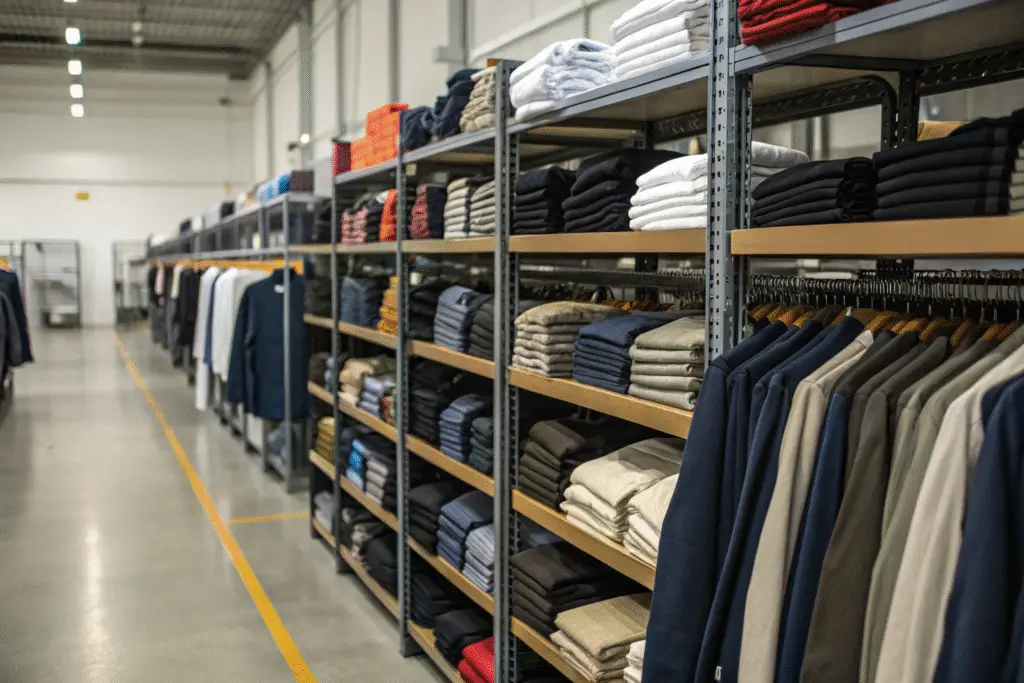
What are the business advantages of 150-unit production?
Ordering 150 units per style provides several strategic benefits:
- Reduced financial risk: Lower per-style investment protects your cash flow
- Market testing capability: Validate designs with real customers before reordering
- Inventory flexibility: Avoid being stuck with slow-moving styles
- Design iteration: Incorporate customer feedback into future production runs
- Seasonal adaptation: Respond quickly to trending styles and colors
A contemporary womenswear brand we worked with last season ordered six different styles at 150 units each. This approach allowed them to identify two breakout styles that they reordered in larger quantities, while the remaining four styles sold through without needing clearance pricing. The data they gathered informed their next collection development, making their design process more strategic and less speculative.
How does this quantity affect your collection planning?
Planning a collection around 150-unit runs requires a different approach than traditional seasonal buying. Instead of betting heavily on a few core styles, you can develop a more diverse collection that tells a stronger brand story. This quantity enables you to:
- Develop cohesive color stories across multiple styles
- Create complementary pieces that work together as outfits
- Test different silhouettes within your category
- Appeal to multiple customer segments within your target market
The ability to produce multiple styles at 150 units transforms your collection from a handful of bets into a portfolio of opportunities.
What are the cost implications of 150-unit production?
Understanding the cost structure of 150-unit production is crucial for accurate budgeting and pricing. While per-unit costs are higher than mass production, strategic planning can minimize the premium while maximizing the benefits of small-batch flexibility. The key is recognizing where costs originate and how to optimize them.
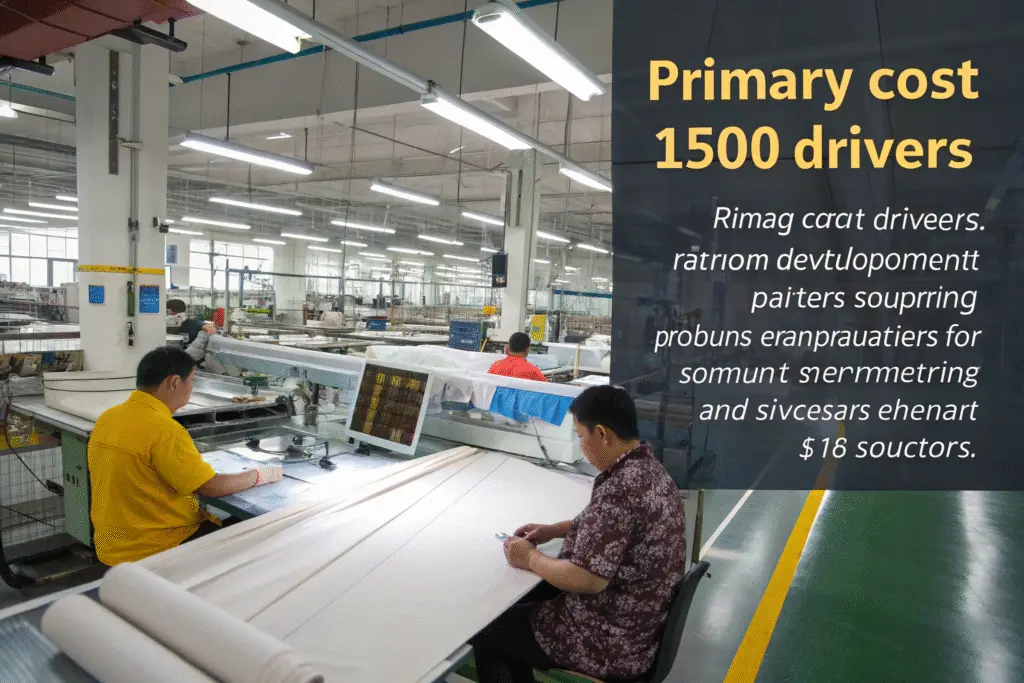
The primary cost drivers for 150-unit runs include fabric sourcing, pattern development, sampling, and production setup. Each of these represents a fixed cost that gets distributed across your units. At 150 pieces, these fixed costs have a significant per-unit impact, but manufacturers experienced in low MOQ work have developed strategies to manage these expenses effectively.
How does per-unit cost compare to larger quantities?
The cost difference between 150 units and larger production runs varies by garment complexity, but generally follows this pattern:
| Quantity | Basic Tee | Woven Shirt | Technical Jacket |
|---|---|---|---|
| 150 units | $18-22 | $28-35 | $45-60 |
| 500 units | $12-15 | $20-26 | $35-45 |
| 1000 units | $9-12 | $16-21 | $28-38 |
The price premium for 150 units typically ranges from 30-60% compared to 1000-unit production, but this must be weighed against the benefits of reduced risk and increased flexibility. For many growing brands, this premium represents a worthwhile investment in market intelligence and cash flow preservation.
What strategies reduce costs for 150-unit runs?
Several approaches can help manage costs when producing 150 units per style:
- Fabric consolidation: Use the same fabrics across multiple styles to meet minimums
- Standardized components: Utilize stock buttons, zippers, and trims
- Efficient patterning: Work with manufacturers who have modular pattern systems
- Production scheduling: Combine multiple styles into single production runs
- Strategic sampling: Limit proto samples to your riskiest styles
We recently helped a menswear brand reduce their per-unit costs by 22% on a 5-style collection by consolidating their fabric selections across styles and using our standard cuff and collar options rather than custom-developed components.
How do manufacturers handle 150-unit production?
Not all manufacturers are created equal when it comes to small batch production. Factories optimized for 150-unit runs have specific systems, equipment, and mindsets that differ from mass production facilities. Understanding these differences helps you select the right partner and set realistic expectations for your production experience.
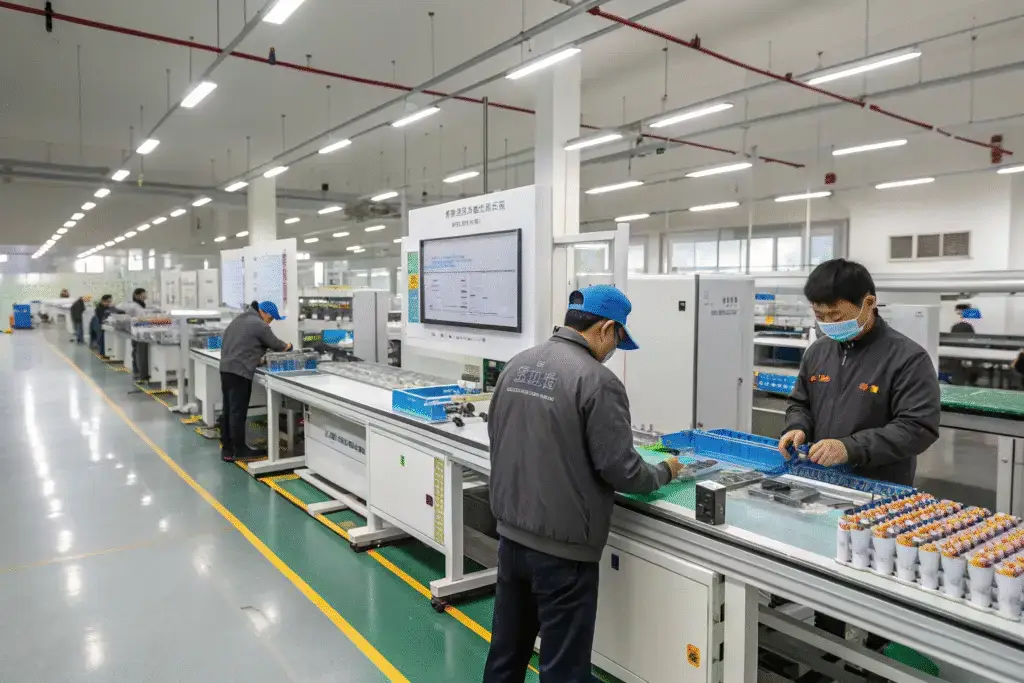
Manufacturers specializing in low MOQ typically maintain flexible production lines with quick changeover capabilities, experienced staff who can handle multiple product types, and robust quality control systems adapted to smaller batches. They also understand the importance of communication and transparency throughout the process, recognizing that emerging brands need more hand-holding than established corporations.
What production adaptations enable 150-unit efficiency?
Successful low MOQ manufacturers implement several key adaptations:
- Dedicated small-batch production lines separate from high-volume orders
- Advanced planning software that optimizes fabric utilization across multiple small orders
- Cross-trained production teams capable of handling diverse garment types
- Streamlined quality control processes designed for smaller batch sizes
- Flexible cutting operations that can handle smaller fabric lays
Our factory operates two production lines exclusively for orders under 500 units, with specialized equipment and staff training that maintains 92% efficiency compared to our mass production lines. This specialization allows us to offer competitive pricing while maintaining our quality standards.
What should you look for in a 150-unit manufacturer?
When evaluating manufacturers for your 150-unit production, prioritize these attributes:
- Proven low MOQ experience with references from similar brands
- Transparent pricing structure with no hidden minimum charges
- Flexible fabric sourcing options including stock materials
- Clear communication protocols and responsive customer service
- Comprehensive quality control systems adapted to small batches
- Reasonable sample costs and efficient sampling processes
Ask potential manufacturers specifically about their experience with 150-unit orders and request examples of similar work. The right partner will understand your needs and have systems in place to support them.
What are the practical considerations for 150-unit collections?
Successfully executing a multi-style collection at 150 units per style requires careful planning and coordination across several operational areas. From design development to inventory management, each aspect of your business needs alignment with the small-batch approach to maximize its benefits.
The most successful brands working with 150-unit production develop systems for rapid reordering, data-driven design decisions, and efficient inventory management. They view their initial 150-unit production as the beginning of a conversation with their market rather than a one-time transaction.
How should you approach sampling for 150-unit styles?
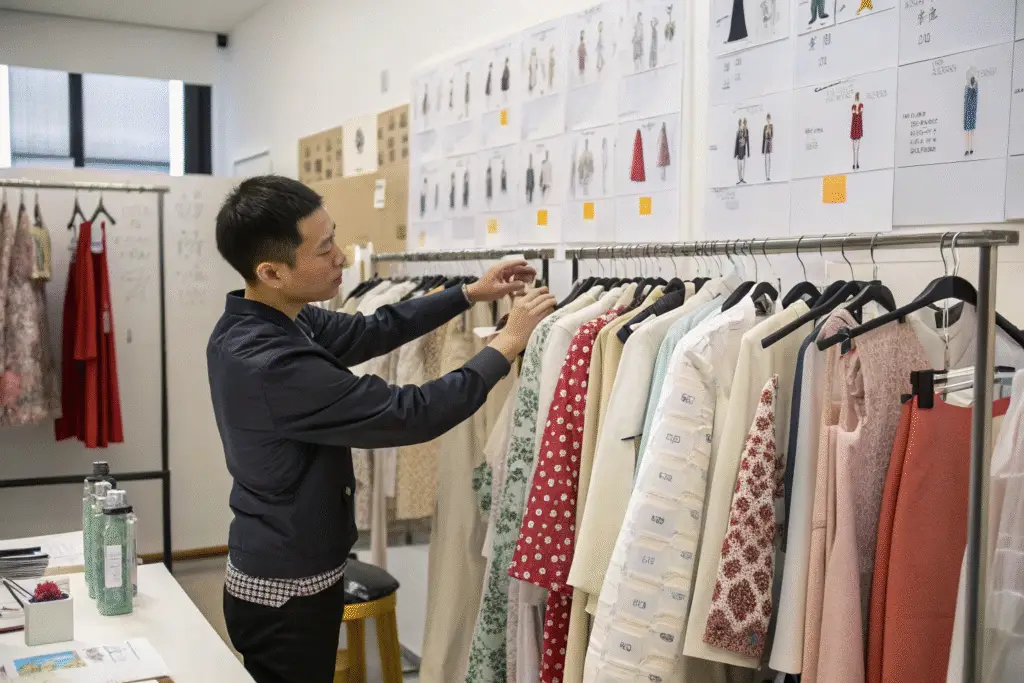
Sampling strategy is crucial for 150-unit production, where sampling costs represent a significant percentage of your total investment. Consider these approaches:
- Tiered sampling: Full sampling for new silhouettes, reduced sampling for variations
- Digital prototyping: Utilize 3D design tools to reduce physical samples
- Grouped feedback: Review multiple styles simultaneously to streamline revisions
- Production-led sampling: Use your first production units as final sales samples
We recommend a two-stage sampling process for 150-unit styles: a development sample to confirm design and fit, followed by a pre-production sample to establish quality standards. This balanced approach manages costs while ensuring quality.
How do you manage inventory and reordering?
The 150-unit model requires proactive inventory management and rapid reordering capabilities:
- Establish clear reorder triggers at 30-40% inventory remaining
- Maintain fabric inventory with your manufacturer for fastest turnaround
- Develop staggered production calendars for continuous flow
- Implement real-time inventory tracking with automated alerts
A activewear brand we work with maintains fabric for their best-selling styles at our facility, enabling 21-day reorder turnaround when styles perform well. This system allows them to respond to demand without initial overcommitment.
Conclusion
Ordering 150 units per style represents a sophisticated approach to collection development that balances creative expression with commercial pragmatism. This quantity enables brands to test markets, manage risk, and maintain flexibility while building a diverse and compelling product offering. With the right manufacturing partner and operational systems, 150-unit production can provide the foundation for sustainable growth.
At Shanghai Fumao, we specialize in helping brands successfully navigate 150-unit production with our dedicated low MOQ capabilities and extensive experience with emerging labels. Our transparent processes and flexible approach have helped numerous brands develop collections that resonate with their markets while managing inventory risk. If you're planning a collection and want to explore the possibilities of 150-unit production, contact our Business Director, Elaine, at elaine@fumaoclothing.com to discuss how we can support your vision.