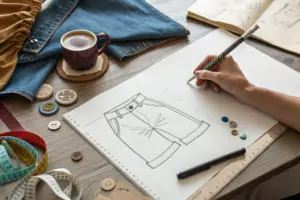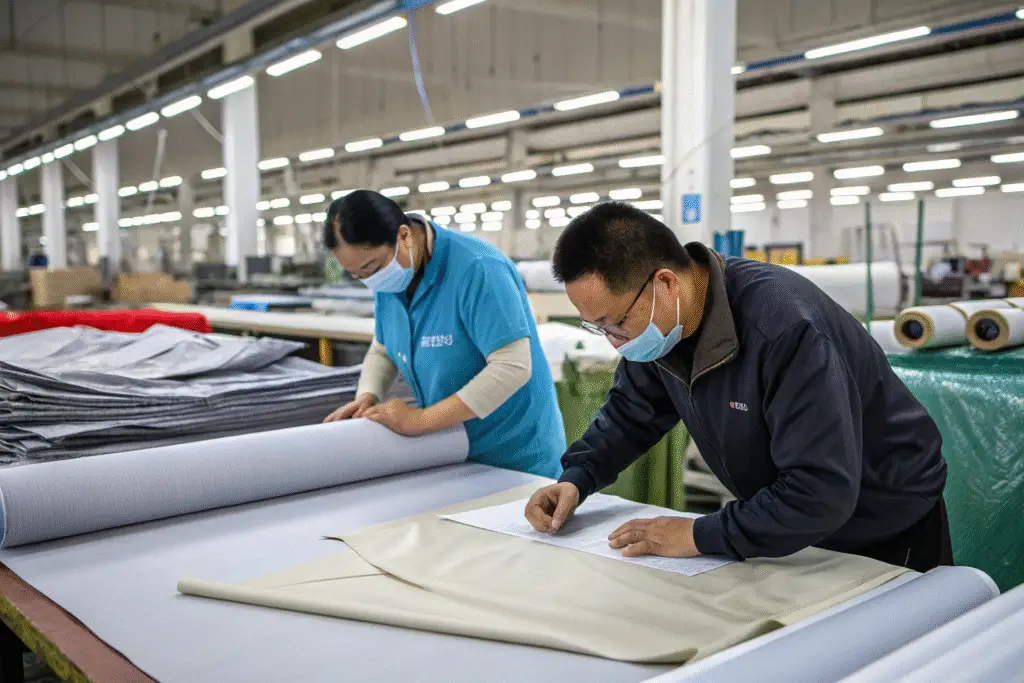
Launching a new clothing line is exciting, but it can also be risky. A 150-piece production run sits in a challenging space—it's too small for traditional manufacturers to prioritize, yet too large to handmake without significant investment. How can you minimize your risk when producing at this quantity? The answer lies in strategic planning, clear communication, and choosing the right manufacturing partner who understands small batch production.
The key to reducing risk with a 150-piece run is working with a manufacturer that offers low MOQ capabilities, provides comprehensive pre-production services, and maintains transparent communication throughout the process. By focusing on fabric selection, precise sampling, and flexible production planning, you can significantly lower your financial exposure while ensuring quality results.
Many emerging brands believe they must compromise on quality or pay exorbitant prices for small quantities. However, with the right approach, a 150-piece run can be a smart, low-risk way to test the market and refine your designs before committing to larger production.
Why is 150 pieces considered a high-risk production quantity?
A 150-piece order falls into a manufacturing gray area. It's too small for mass production efficiencies but large enough to represent a substantial financial commitment for a new brand. This quantity often faces challenges with cost per unit, factory attention, and production scheduling.
Traditional large-scale manufacturers typically avoid these orders because they can't achieve their standard profit margins. Meanwhile, smaller workshops may lack the quality control systems needed for consistent results across all 150 pieces. This is why finding a specialized low MOQ manufacturer is crucial. We've developed specific processes for these order sizes that maintain quality while keeping costs reasonable.
What makes small batch production financially risky?
The financial risk comes from several factors:
- High per-unit costs due to lack of economies of scale
- Minimum charges for fabric sourcing and pattern making
- Sampling costs that represent a larger percentage of total cost
- Potential for unsold inventory if the collection doesn't perform
Last month, a startup brand approached us after another factory quoted them $45 per unit for a simple linen shirt at 150 pieces. By helping them select a similar quality fabric from our existing stock and using our standard block patterns, we reduced their cost to $28 per unit while maintaining their quality requirements.
How can production quality suffer with small runs?
Quality risks emerge when factories treat small orders as low priority. They might assign junior staff, rush through quality checks, or use leftover materials from other productions. I've seen cases where color consistency varies across the batch or stitching quality deteriorates toward the end of the run because workers were rushing to meet a deadline for a larger client.
What pre-production steps minimize risk for small batches?
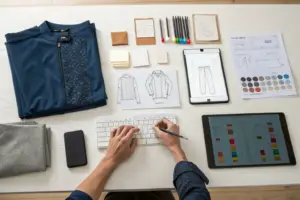
Thorough pre-production planning is your most powerful risk reduction tool. This phase should account for at least 30% of your total timeline when working with 150-piece quantities. Rushing through pre-production almost guarantees problems during manufacturing.
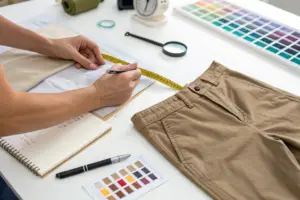
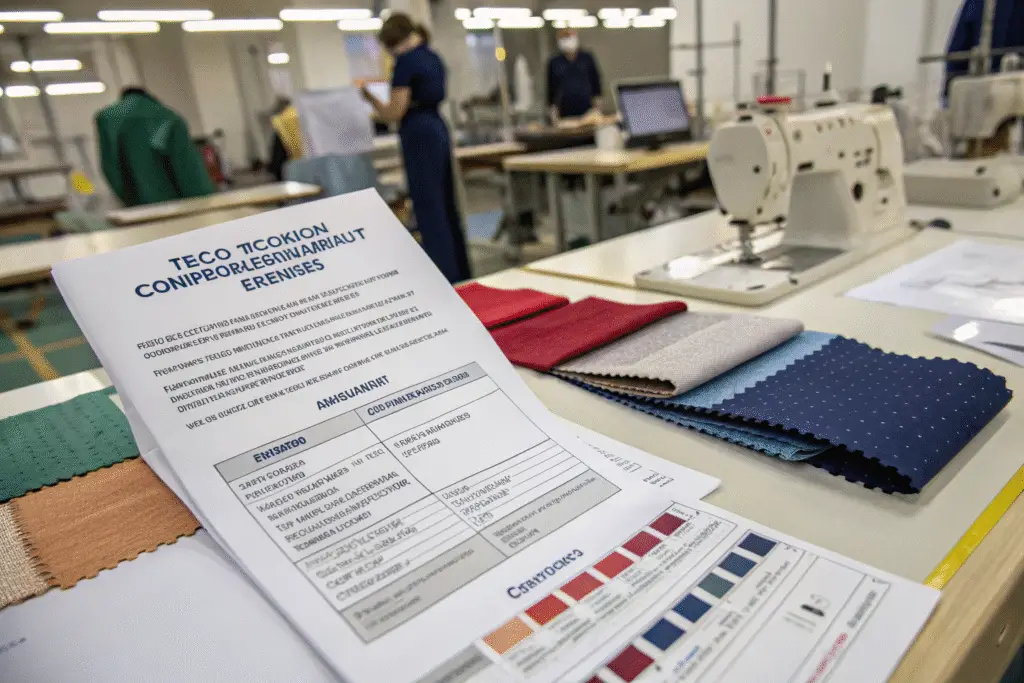
The most critical steps include comprehensive tech pack development, fabric testing, and multiple sample stages. A complete tech pack serves as your legal agreement with the factory and should include detailed specifications for every component. We require all our 150-piece clients to complete fabric testing before cutting begins, as material issues become exponentially more expensive to fix once production starts.
How important is sampling for small quantity production?
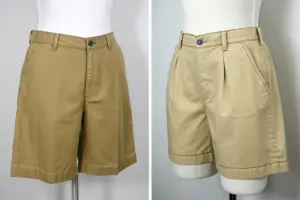
Sampling is non-negotiable for risk reduction. For 150-piece orders, we recommend a three-stage sampling process:
- Proto sample: To check design and fit
- Fit sample: To confirm pattern corrections
- Production sample: To establish quality standards
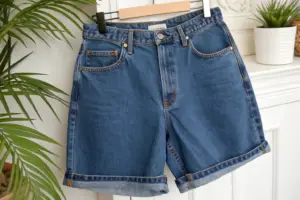
A denim brand we worked with last quarter initially wanted to skip the fit sample to save time. We convinced them to proceed with full sampling, and discovered their pocket placement needed adjustment. Catching this before production saved them from 150 flawed garments and potential customer returns.
What should you include in your tech pack for small runs?
Your tech pack for a 150-piece run should be even more detailed than for larger productions. Include:
- Detailed CAD drawings with multiple views
- Specific stitch types and SPI (stitches per inch) requirements
- Exact fabric composition and weight specifications
- Trim sourcing information and quality standards
- Graded spec sheets with tolerance allowances
- Digital color standards with physical reference swatches
How to choose the right manufacturer for 150-piece production?
Selecting a manufacturing partner for small batch production requires different criteria than for large orders. Look for factories that explicitly advertise low MOQ capabilities and have proven experience with similar quantities. Their pricing structure should be transparent, with no hidden minimum charges.
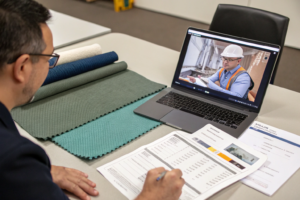
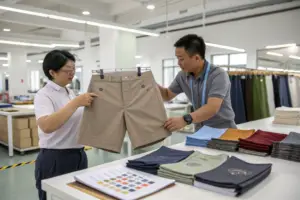
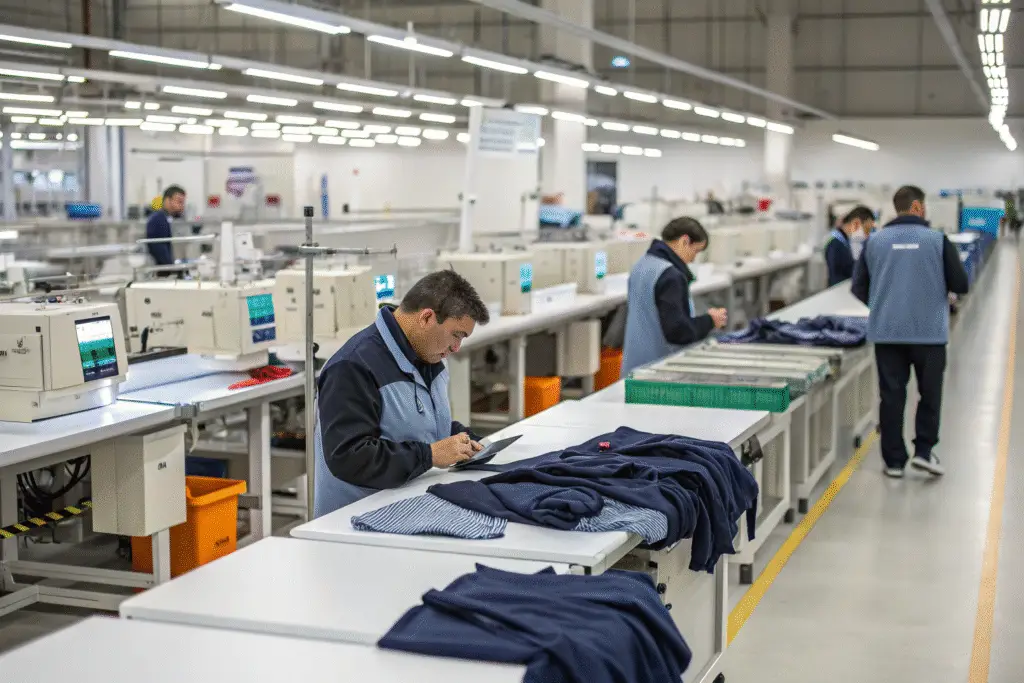
The ideal manufacturer for 150-piece runs maintains organization across multiple small projects simultaneously. Visit their facility if possible, or request a virtual tour. Check their quality control processes specifically for small batches—how do they maintain consistency from the first to the last garment? Ask for references from other brands they've worked with at similar quantities.
What questions should you ask potential manufacturers?
When interviewing manufacturers for your 150-piece run, ask specific questions:
- "How many similar-sized orders are you currently producing?"
- "What is your process for quality control on small batches?"
- "Can you provide a detailed breakdown of all costs?"
- "How do you handle fabric waste and leftover materials?"
- "What is your policy on production delays for small orders?"
Why does factory specialization matter for small quantities?
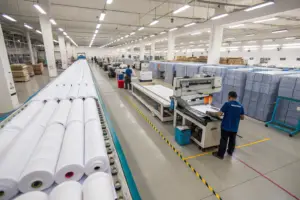
Generalist manufacturers often struggle with small batches because their systems are designed for volume. Seek out factories that have dedicated teams or production lines for low MOQ orders. We maintain two production lines specifically for orders under 500 pieces, with staff trained in quick changeovers and small batch quality control. This specialization allows us to achieve 98% first-pass quality rates even on 150-piece runs.
What production strategies reduce risk for 150 pieces?
Implementing specific production strategies can dramatically reduce your risk. Consider producing in even smaller phases within your 150-piece order. You might produce 50 units first, test them in the market, then complete the remaining 100 with any necessary adjustments.
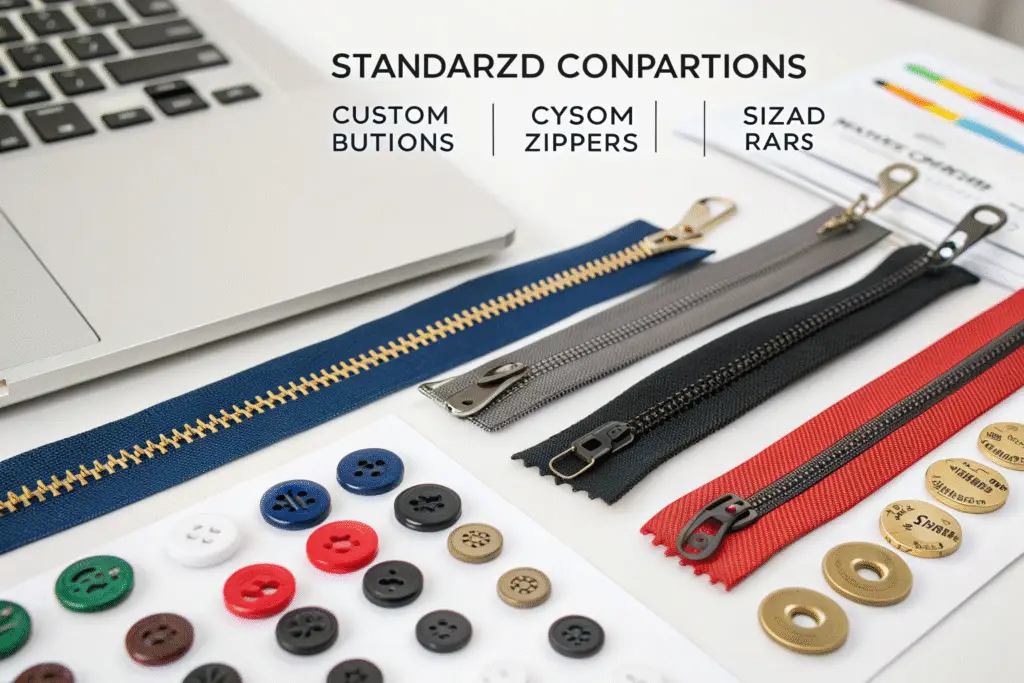
Another effective strategy is using standardized components wherever possible. Custom buttons, zippers, and labels often have high minimums that drive up costs for small runs. By selecting from a manufacturer's standard options, you can maintain quality while reducing cost and lead time. We maintain a library of approved trims specifically for our low MOQ clients.
How can fabric selection impact small batch risk?
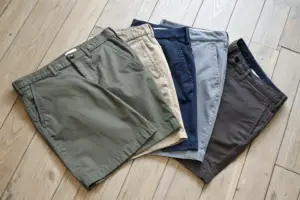
Fabric choice represents approximately 60-70% of your total cost and risk. For 150-piece runs, we strongly recommend selecting from the manufacturer's existing fabric stock rather than ordering custom mill production. This approach offers several advantages:
- Immediate availability with no minimum order quantity
- Known performance and washing characteristics
- Lower cost due to bulk purchasing by the factory
- Faster production timeline
When a Los Angeles-based streetwear brand insisted on custom-dyed fabric for their 150-piece collection, the fabric alone represented 80% of their budget and added 8 weeks to their timeline. By switching to a stock fabric in a similar weight and composition, they reduced both cost and timeline by 40%.
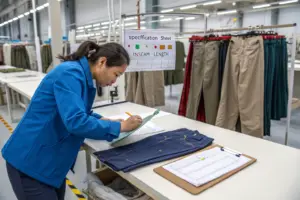
What quality control measures are essential?
For 150-piece production, implement multiple quality checkpoints:
- In-process inspection during cutting and sewing
- Mid-production review of first assembled units
- Final random inspection of at least 30% of finished goods
- Full measurement check of 10% of production
We provide our low MOQ clients with detailed inspection reports at each stage, including photographs of any issues found. This transparency allows for quick corrections and ensures consistent quality across the entire batch.
Conclusion
Producing 150 pieces of clothing doesn't have to be a high-risk endeavor. By understanding the unique challenges of small batch production and implementing strategic risk reduction measures, you can successfully launch your collection with confidence. The key lies in thorough preparation, clear communication, and partnering with a manufacturer experienced in low MOQ production.
At Shanghai Fumao, we specialize in helping brands navigate the complexities of small batch production. Our structured approach to 150-piece runs has helped numerous emerging brands bring their visions to market while minimizing financial risk. If you're planning a small production run and want to ensure its success, contact our Business Director, Elaine, at elaine@fumaoclothing.com to discuss how we can support your project.