As the owner of Fumao Clothing who has helped hundreds of American brands navigate manufacturing, I hear this question daily. The assumption that low MOQ means compromising on quality is one of the most persistent myths in our industry. The truth is more nuanced: achieving both requires strategic approaches, not just wishful thinking.
Yes, you can achieve low MOQ with high quality garment manufacturing by focusing on strategic product design, selective customization, building strong manufacturer relationships, and understanding the true cost drivers of quality production. The key is aligning your expectations with manufacturing realities rather than seeking unrealistic compromises.
I've witnessed countless brands successfully produce exceptional quality at 150-300 unit quantities by making smart decisions about where to invest and where to economize. Let me share the specific approaches that deliver both quality and manageable quantities.
What manufacturing strategies enable low MOQ with high quality?
The intersection of low MOQ and high quality requires deliberate manufacturing strategies that optimize for both objectives simultaneously. This isn't about finding magical factories but implementing approaches that make quality production efficient even at smaller quantities.
Successful low MOQ high quality manufacturing involves fabric selection from existing mill collections, simplified but precise construction, strategic customization, and production timing that aligns with factory capacity. These approaches maintain quality while making smaller quantities economically viable.
How does fabric selection impact both quality and MOQ?
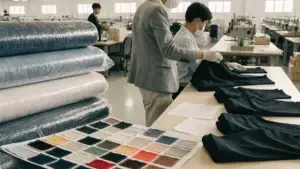
Using high-quality stock fabrics from a manufacturer's existing suppliers provides immediate quality assurance while dramatically reducing MOQ requirements compared to custom fabric development. Mills maintain consistent quality on their standard fabrics, and factories have established relationships that ensure reliability.
We guide our clients toward our curated selection of pre-approved fabrics from trusted mills with proven quality track records. A contemporary brand recently used this approach to create a luxury-feeling collection at 200-unit MOQs by selecting premium Italian cottons from our existing supplier network. This strategy delivered exceptional quality while avoiding the 800-yard minimums of custom fabric development.
Why does construction simplification support quality at low MOQ?
Complex construction often requires specialized operators and equipment setups that drive MOQ requirements upward. Simplified but precise construction allows factories to maintain tighter quality control with their most experienced operators, even on smaller runs.
We produced a 150-unit order of minimalist luxury trousers that featured exceptionally precise construction but avoided complex operations like functional buttonholes or specialized seam finishes. The focused quality approach allowed our senior operators to maintain exceptional standards because they weren't constantly resetting equipment for different operations. The result was quality that exceeded similar trousers produced in 1,000-unit quantities with more complex construction.
How do manufacturer relationships affect quality at low MOQ?
The manufacturer you choose dramatically impacts your ability to achieve quality at low quantities. Factories with different business models, client portfolios, and quality systems approach low MOQ production with varying success rates.
Manufacturers with balanced client portfolios, technical expertise, and systematic quality processes typically deliver better quality at low MOQs than factories specializing exclusively in either mass production or tiny batch sizes. Finding this sweet spot is crucial.
Why do balanced factories excel at low MOQ quality?
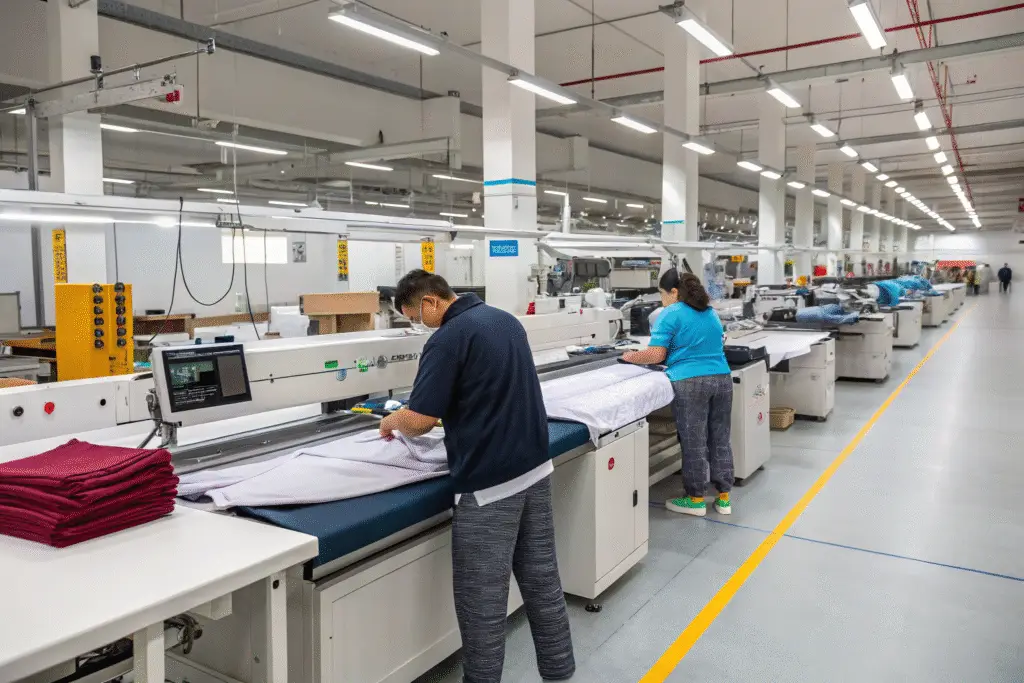
Factories that maintain a mix of small, medium, and large clients develop systems that accommodate varying order sizes while maintaining quality standards. They're not optimized exclusively for mass production efficiency or artisanal tiny batches.
Our factory maintains approximately 40% of capacity for orders under 300 units, which forces us to maintain quality systems that work across quantity ranges. A brand comparing our 200-unit samples against a mass-production factory's 2,000-unit samples found our quality was actually higher because our systems weren't exclusively optimized for volume efficiency at the expense of attention to detail.
How does technical capability impact low MOQ quality?
Technical expertise becomes more crucial at lower quantities where there's less margin for error. Factories with strong technical teams can preempt quality issues through better pattern engineering and production planning rather than detecting problems through mass inspection.
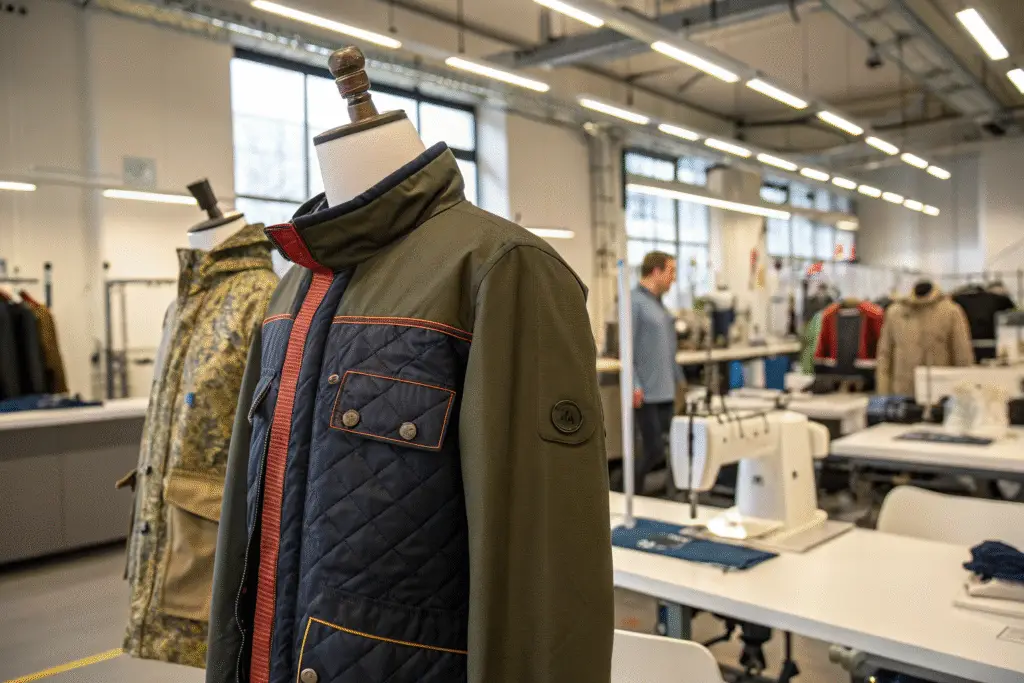
We invested in a technical team that includes pattern engineers with 15+ years of experience. For a 150-unit order of technical outerwear, their pattern precision eliminated the fit issues that typically require multiple sample rounds. This upfront technical investment delivered first-sample quality that would normally require 500+ units to achieve through iterative sampling at less technical factories.
What are the realistic cost implications of low MOQ high quality?
Achieving high quality at low MOQ inevitably costs more than mass production, but strategic approaches can optimize this cost premium. Understanding where these costs originate helps brands make informed decisions about their quality investments.
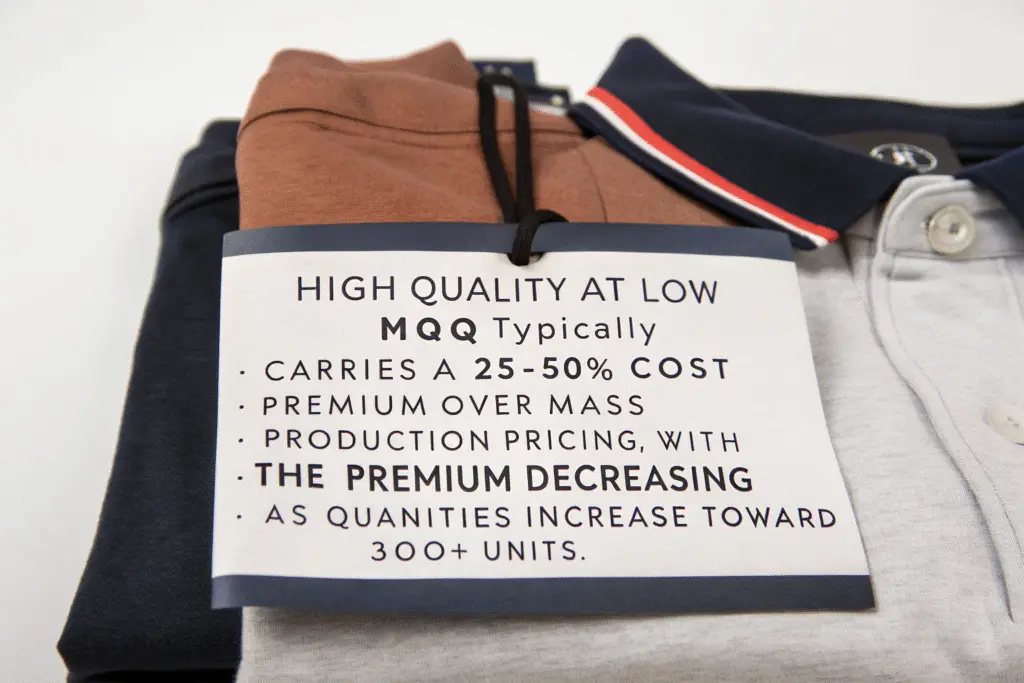
High quality at low MOQ typically carries a 25-50% cost premium over mass production pricing, with the premium decreasing as quantities increase toward 300+ units. This premium reflects the specialized attention and reduced economies of scale.
How do labor costs impact low MOQ quality pricing?
Quality manufacturing at low quantities often requires more senior operators, additional quality checks, and slower production speeds—all of which increase labor costs compared to mass production approaches.
Our analysis shows that labor represents approximately 35% of the cost premium for low MOQ high quality production. A brand producing luxury sweaters at 200 units paid 40% more in labor costs compared to a 1,000-unit order, but this investment ensured consistent stitch quality and finishing that justified their premium positioning.
Why does material utilization affect low MOQ economics?
Fabric waste represents a higher percentage of total cost in smaller orders because cutting room setup generates similar waste regardless of quantity. High-quality manufacturers often have better material utilization systems that mitigate this cost impact.
We've implemented optimized cutting processes that reduce fabric waste by 15-20% compared to standard industry practices. For a brand producing 150-unit orders of silk dresses, this waste reduction saved approximately $8 per unit—substantially offsetting the cost premium of low quantity production while maintaining their quality standards.
How can design decisions support low MOQ high quality?
Strategic design decisions significantly impact your ability to achieve quality at manageable quantities. Designs that are optimized for manufacturing rather than just aesthetics naturally achieve better quality outcomes across quantity ranges.
Design choices that support low MOQ high quality include designing for existing manufacturing capabilities, specifying achievable quality standards, and avoiding combinations of challenging materials and constructions. These decisions align creative vision with production reality.
How does designing to factory capabilities improve quality?
Factories excel at producing styles that align with their specific equipment, operator skills, and quality systems. Designing within these proven capabilities typically yields better quality results, especially at lower quantities.
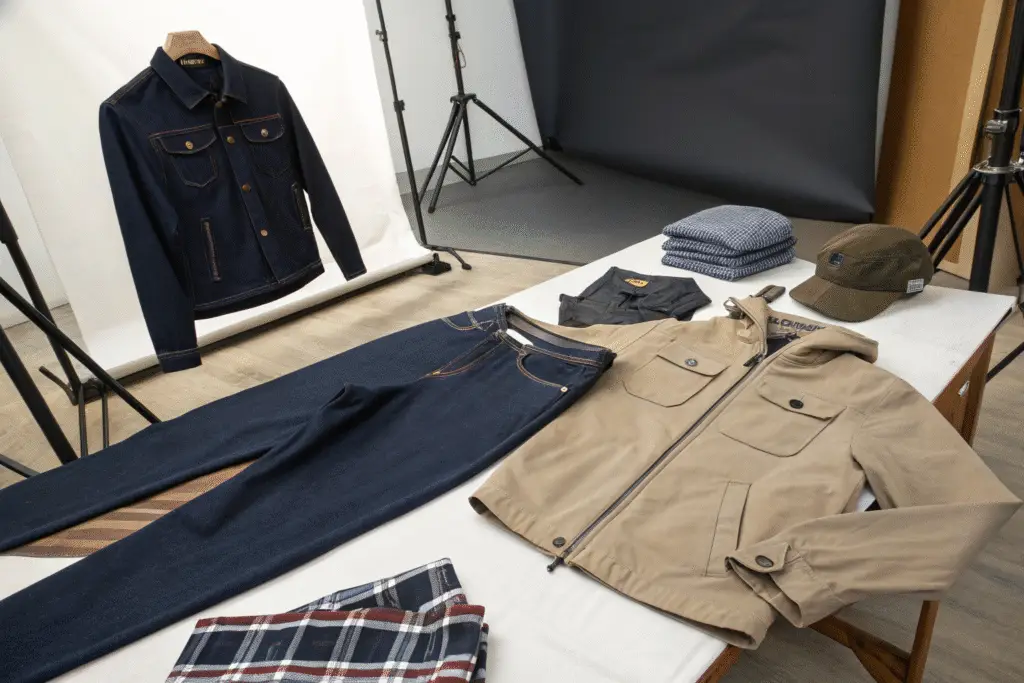
We provide clients with detailed capability guides showing exactly what we excel at producing. A brand that designed their collection around our documented capabilities achieved first-sample approval on all six styles at 150-unit quantities—something we'd never seen with more experimentally designed collections. The alignment between design and manufacturing capability was the key differentiator.
Why do precise quality specifications matter more at low MOQ?
Vague quality expectations create interpretation variability that becomes magnified at lower quantities where there's less margin for error. Precise quality specifications ensure everyone shares the same standards from the beginning.
We developed a quality specification system that includes photographic standards, measurement tolerances, and construction details. Brands using this system consistently achieve better quality at 150-300 units than brands with vague "high quality" expectations producing 1,000+ units. The specificity eliminates the gradual quality erosion that often occurs when standards aren't explicitly documented.
What quality control approaches work for low MOQ production?
Quality control systems designed for mass production often fail at lower quantities where statistical sampling has limited effectiveness. Low MOQ high quality manufacturing requires adapted quality approaches that provide comprehensive oversight despite smaller batch sizes.
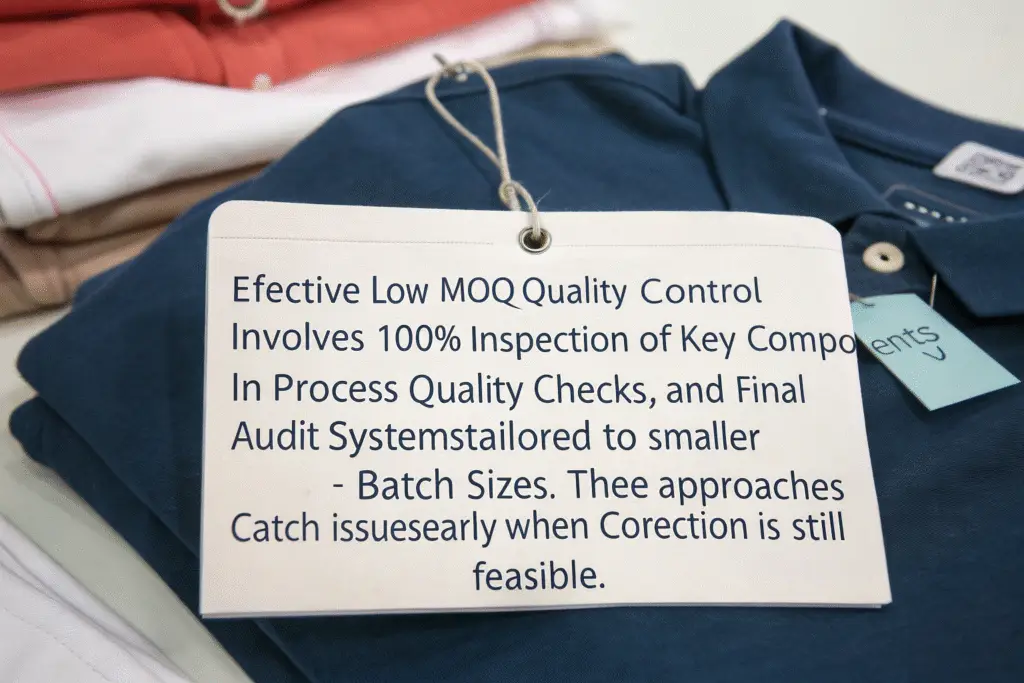
Effective low MOQ quality control involves 100% inspection of key components, in-process quality checks, and final audit systems tailored to smaller batch sizes. These approaches catch issues early when correction is still feasible.
Why does in-process inspection benefit low MOQ quality?
Catching quality issues during production rather than at final inspection allows for immediate correction when working with smaller quantities. This approach prevents small batches from being entirely affected by correctable issues.
We implement in-process quality checks at critical production stages for all orders under 300 units. For a 150-unit order of technical pants, this approach identified a stitching inconsistency after 30 units had been produced. The immediate correction prevented what would have been a 100% failure rate at final inspection, saving the brand from a potentially disastrous quality issue.
How does comprehensive measurement checking support low MOQ quality?
Checking every unit's key measurements ensures consistency across small production runs where statistical sampling would be ineffective. This comprehensive approach is feasible at lower quantities but prohibitively expensive at mass production scales.
Our quality team measures 100% of units for orders under 200 pieces, focusing on the 5-7 critical measurements that determine fit and function. A brand producing 180-unit orders of tailored shirts found their customer return rate for fit issues was 70% lower than industry averages specifically because of this comprehensive measurement approach.
Conclusion
Achieving both low MOQ and high quality garment manufacturing is absolutely possible with the right strategies, partnerships, and expectations. The brands that succeed at this balance approach it as a deliberate manufacturing strategy rather than a compromise between competing objectives.
By selecting appropriate manufacturers, designing for capability alignment, implementing tailored quality systems, and understanding the realistic cost structure, you can produce exceptional quality at manageable quantities that support rather than hinder your business growth.
If you're seeking high quality manufacturing at lower MOQs, we'd be happy to discuss whether your project aligns with our approach. Contact our Business Director, Elaine, at elaine@fumaoclothing.com to explore how we might help you achieve both quality and quantity objectives simultaneously.