As a garment manufacturer with over a decade of experience working with American brands, I've seen countless designers arrive with their "perfect" reference garment, convinced it contains all the information needed for production. While reference garments are invaluable starting points, they're often insufficient for complex designs. The most successful brands understand that reference samples work best when supplemented with detailed technical documentation.
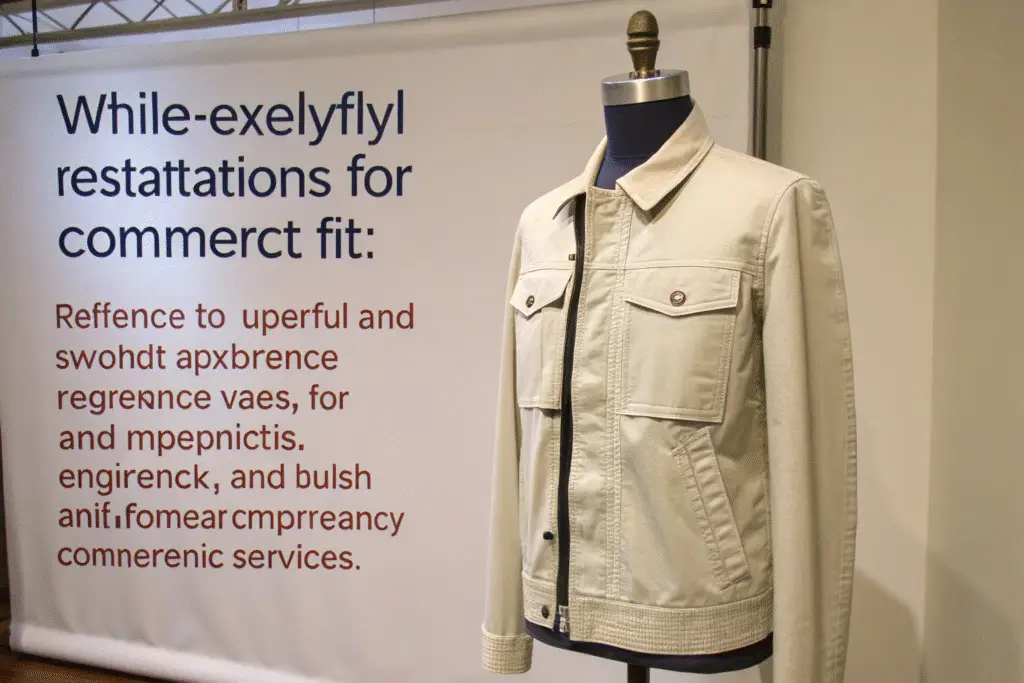
A reference garment alone is rarely sufficient for complex apparel designs because it cannot communicate construction methods, material specifications, tolerance requirements, or the engineering behind specialized features. While extremely helpful for communicating fit and overall aesthetic, reference garments should complement rather than replace comprehensive technical packages.
Many brands believe that providing a physical sample eliminates the need for detailed specifications. However, I've witnessed numerous production disasters that could have been avoided with proper documentation alongside reference garments. Let me explain why your favorite sample garment, no matter how perfect, needs supporting technical information.
What critical information does a reference garment miss?
A reference garment shows you what to make, but it doesn't explain how to make it. This distinction becomes critically important with complex designs featuring technical construction, specialized materials, or innovative features. The "how" often determines both the quality and cost-effectiveness of your production.
Reference garments miss crucial manufacturing information including specific material compositions, precise construction methods, tolerance specifications, and the engineering behind complex design features. These omissions can lead to inconsistent quality and unexpected cost increases during production.
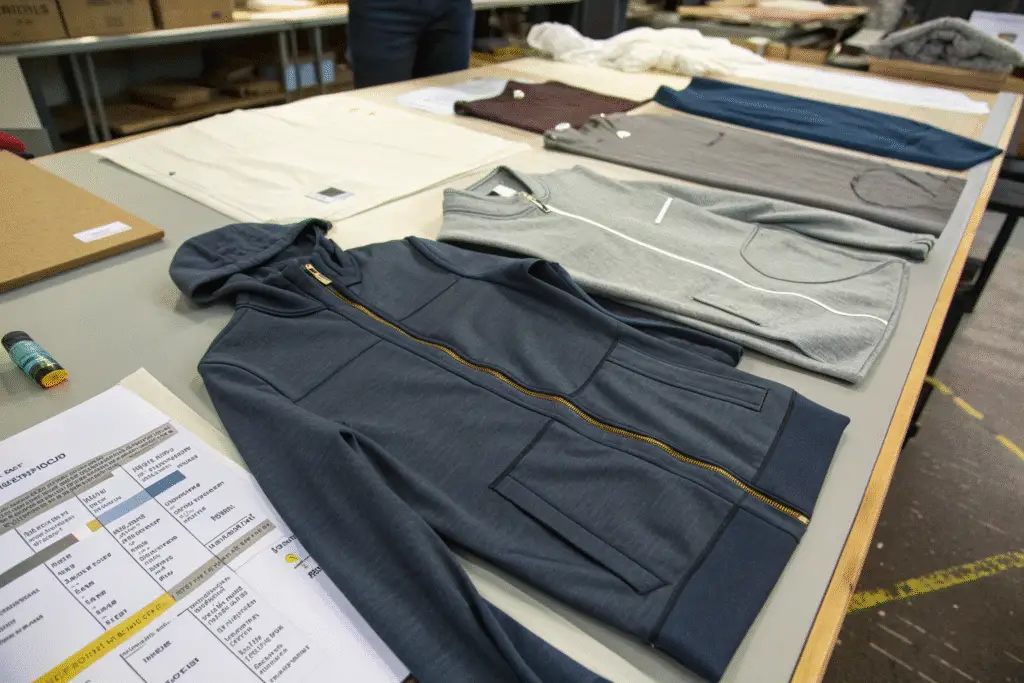
Why can't factories replicate construction methods from samples alone?
Many construction details are hidden inside finished garments. Seam finishes, interlinings, reinforcement stitching, and assembly sequences often can't be determined without deconstructing the sample—which most brands are unwilling to allow. Even when visible, stitch types, SPI (stitches per inch), and thread weights require precise specification.
We encountered this challenge with a brand that provided a beautifully constructed technical jacket as their reference. Without construction details, our factory would have needed to reverse-engineer the entire garment through destructive testing. Instead, we worked with them to create detailed construction specifications that captured all critical elements while preserving their reference sample. This approach saved them weeks of development time and ensured consistent quality across their production run.
How do material specifications get lost in translation?
A reference garment shows how materials perform but doesn't identify what those materials are or their precise characteristics. Fabric composition, weight, width, stretch properties, and finishing treatments all require exact specification for consistent reproduction. Without this data, sourcing becomes guesswork.
A performance wear brand learned this lesson when their factory-matched fabric looked identical to their reference sample but performed completely differently during wear testing. The replacement fabric lacked the moisture-wicking properties of the original. By documenting full material specifications including supplier details and performance standards, they now ensure consistent performance across all production runs.
When do reference garments become particularly insufficient?
While reference garments work reasonably well for simple designs, their limitations become increasingly problematic as designs grow more complex. Certain design categories and features simply can't be adequately communicated through physical samples alone.
Reference garments become particularly insufficient for technical apparel, designs with complex pattern engineering, garments requiring precise fit across multiple sizes, and products with specialized functional features. In these cases, reference samples should serve as inspiration rather than specification.
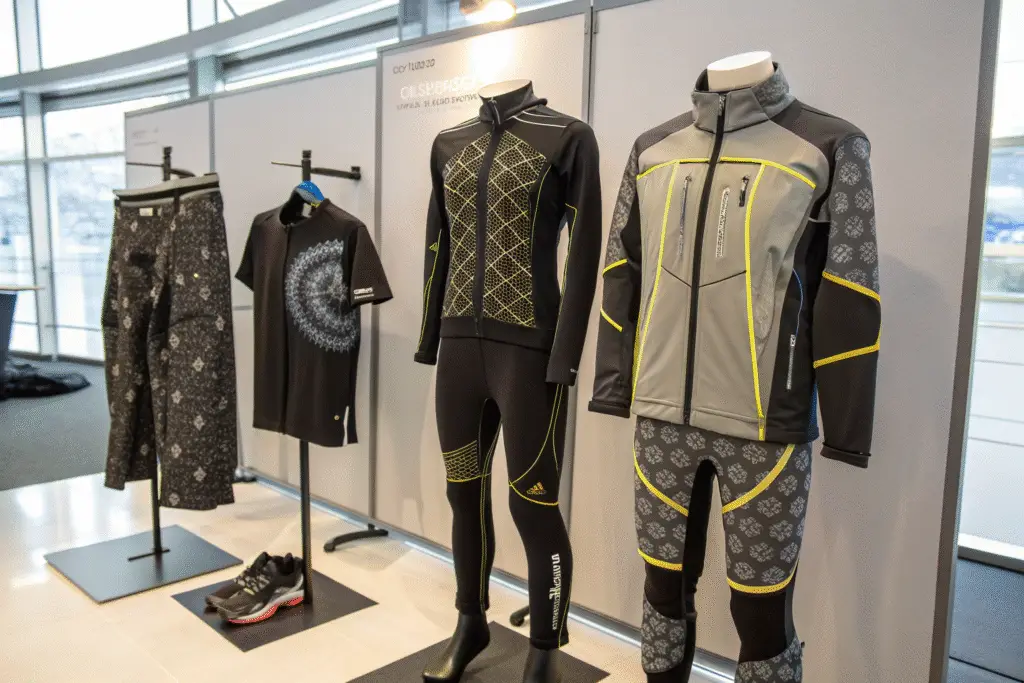
Why are technical garments problematic to copy from samples?
Technical apparel often contains hidden components and specialized construction that aren't visible in finished garments. Waterproof membranes, insulation systems, ventilation features, and protective elements require detailed engineering documentation that simply can't be reverse-engineered from a sample.
We worked with an outdoor brand that provided a $800 Gore-Tex jacket as their reference sample. While the sample communicated the overall design aesthetic, it revealed nothing about the specific lamination process, seam sealing methods, or breathability standards required. Creating production-ready specifications required extensive technical documentation beyond what the sample could provide.
How does pattern complexity limit reference garment usefulness?
Complex pattern shapes, unique draping, and sophisticated grading can't be accurately captured by examining a finished garment. Pattern engineering requires flat pattern pieces with precise measurements, seam allowances, and grain lines—all information that exists before the garment is assembled.
A designer once brought us a beautifully draped dress that she wanted reproduced in four additional sizes. The reference garment showed the final effect but provided no information about how the pattern achieved this drape. Our pattern makers needed to create the pattern from scratch, which took three weeks and multiple fittings. With original pattern pieces, this process would have taken days instead of weeks.
What risks come from relying solely on reference garments?
Depending exclusively on reference garments for manufacturing communication introduces significant risks that can impact your timeline, budget, and final product quality. These risks often materialize late in the production process when corrections become most expensive.
Relying solely on reference garments creates risks including inconsistent interpretation across departments, inability to properly cost projects, quality variation between production runs, and legal compliance issues. These risks multiply with order quantity and design complexity.
How does interpretation variability affect quality?
Different factory departments may interpret the same reference garment differently. Cutters might assume certain seam allowances, sewers might choose different stitch types, and finishers might apply different standards—all while believing they're faithfully reproducing the sample. This inevitably leads to inconsistent quality.
We implemented a system where reference garments are always accompanied by detailed tech packs after a distressing incident with a client's order. Their beautiful sample jacket was interpreted three different ways by three different production lines, resulting in inconsistent finishes across their order. The quality control process now uses tech packs as the definitive standard, with reference garments serving as supplementary visual guides.
Why can't factories provide accurate costs without specifications?
Manufacturers can't provide precise costing without knowing exact material specifications, construction complexity, and labor requirements. Preliminary quotes based on reference garments often change significantly once production begins and true requirements become apparent, creating budget uncertainty.
A streetwear brand experienced this when their factory quote increased by 30% after production began. The reference hoodie contained complex internal construction that wasn't visible without deconstruction. Had they provided detailed manufacturing specifications, the initial quote would have been accurate, and they could have made design adjustments to meet their budget.
How should you best use reference garments in development?
Reference garments remain valuable tools when used appropriately within a comprehensive development process. The most successful brands leverage reference samples as communication aids rather than replacement for technical documentation.
Use reference garments to communicate overall aesthetic, demonstrate fit preferences, illustrate specific details, and establish quality expectations—but always supplement with detailed technical documentation for manufacturing. This balanced approach maximizes communication while minimizing risk.
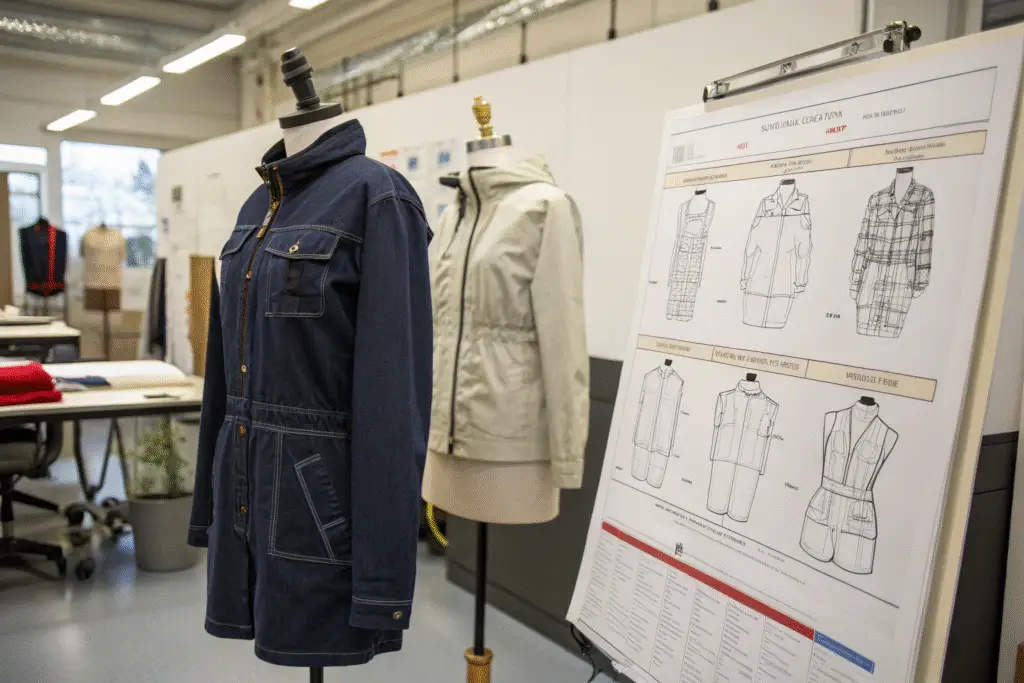
What specific elements do reference garments communicate effectively?
Reference garments excel at communicating subjective elements that are difficult to capture in technical documents. Drape characteristics, hand feel, overall proportion, and aesthetic details often translate better through physical samples than through specifications alone.
We encourage clients to use reference garments to show us "the vibe" they're seeking. A luxury knitwear brand provides samples that demonstrate the softness, weight, and drape they want to achieve. These subjective qualities guide our fabric sourcing and development process, while technical specifications ensure consistent execution across their collection.
How should you prepare reference garments for factory use?
Prepare reference garments by clearly labeling them with your style name, date, and specific purpose. Include notes about what you like and dislike about the sample. If possible, provide multiple samples showing different stages of development or variations on a theme.
The most effective clients mark their reference garments directly with tape or pins to highlight specific details. One activewear brand uses different colored pins to indicate "copy this exact feature" versus "this needs improvement." This visual communication system helps our technical team understand their priorities immediately.
What documentation should accompany your reference garment?
To maximize the value of your reference garment while minimizing risks, specific documentation should always accompany physical samples. This combination creates a comprehensive communication package that ensures accurate reproduction of your designs.
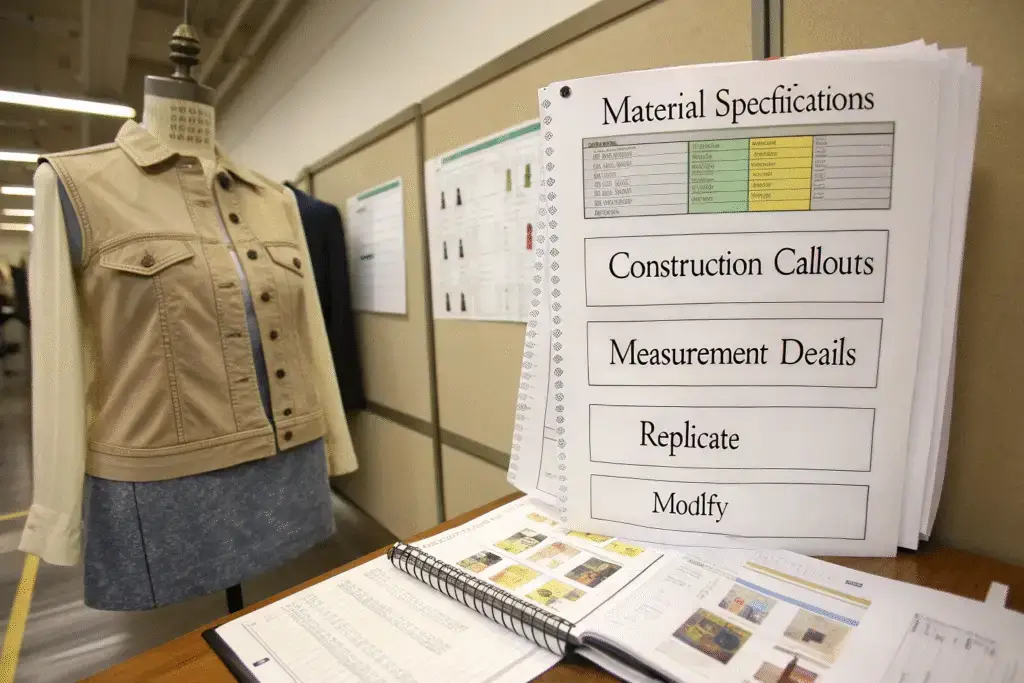
Always accompany reference garments with detailed material specifications, construction callouts, measurement specifications, and clear notes about which elements to replicate versus which to modify. This documentation transforms your sample from inspiration to instruction.
What technical elements must be documented separately?
Construction methods, precise measurements, material specifications, tolerance requirements, and compliance information must be documented separately from your reference garment. These elements form the manufacturing blueprint that ensures consistent, reproducible results.
We provide clients with a simple template for documenting these elements. A jeans company that adopted this approach reduced their sample approval time from four rounds to just one. Their detailed measurement specs and construction callouts, combined with their reference samples, created a perfect manufacturing roadmap for our facility.
How can you create effective supplemental documentation?
Start with clear photography of your reference garment from all angles, including close-ups of important details. Add annotated diagrams pointing to specific features. Include a bill of materials with supplier information where possible. Provide a graded measurement chart and construction details.
The most successful brands create what we call "reference packages" that combine physical samples with detailed documentation. One outdoor equipment company includes swatches of all materials, photos of the garment being worn in intended conditions, and detailed performance requirements. This comprehensive approach ensures nothing gets lost in translation between design vision and manufacturing execution.
Conclusion
While reference garments are invaluable communication tools in apparel development, they're rarely sufficient alone for complex designs. The most successful manufacturing partnerships use reference samples as part of a comprehensive technical package that includes detailed specifications, measurements, and construction details.
Your perfect reference garment shows what you want to achieve, but technical documentation explains how to achieve it consistently across your entire production run. By combining both approaches, you leverage the strengths of each communication method while minimizing their individual limitations.
If you're developing complex apparel and want to ensure your manufacturing partner fully understands your vision, we'd be happy to discuss how to create the perfect balance between reference samples and technical documentation. Contact our Business Director, Elaine, at elaine@fumaoclothing.com to learn how we transform design concepts into manufacturing reality through comprehensive technical communication.