Many fashion brands underestimate the importance of precise measurements in their tech packs, viewing them as technical details that factories can adjust or interpret. I've seen countless brands provide "approximate" measurements or skip critical dimensions altogether, assuming their manufacturer will correct any inconsistencies. This approach consistently leads to production disasters that could have been easily prevented with proper measurement documentation.
Accurate measurements are the foundation of successful apparel manufacturing because they directly determine fit consistency, production efficiency, and quality outcomes. Precise dimensional specifications eliminate interpretation gaps that lead to sizing variations, reduce sampling cycles by 60-80%, and prevent costly production errors that can compromise entire manufacturing runs. In our experience, measurement inaccuracies account for over 70% of all production quality issues and timeline delays.
Last quarter alone, we encountered 23 brands facing significant production challenges directly traceable to measurement errors in their tech packs. One particularly memorable case involved an Atlanta-based brand that lost $42,000 because their sleeve length measurements were inconsistent between the spec sheet and technical drawings. This article will explore why measurement precision matters and how it impacts every aspect of your manufacturing process.
How Do Measurement Errors Impact Production Outcomes?
Measurement inaccuracies create compounding problems throughout the manufacturing process, with consequences extending far beyond simple fit issues. From pattern making to final inspection, every department relies on precise measurements to execute their tasks efficiently. When these specifications are unreliable, the entire production chain suffers from confusion, rework, and quality inconsistencies.
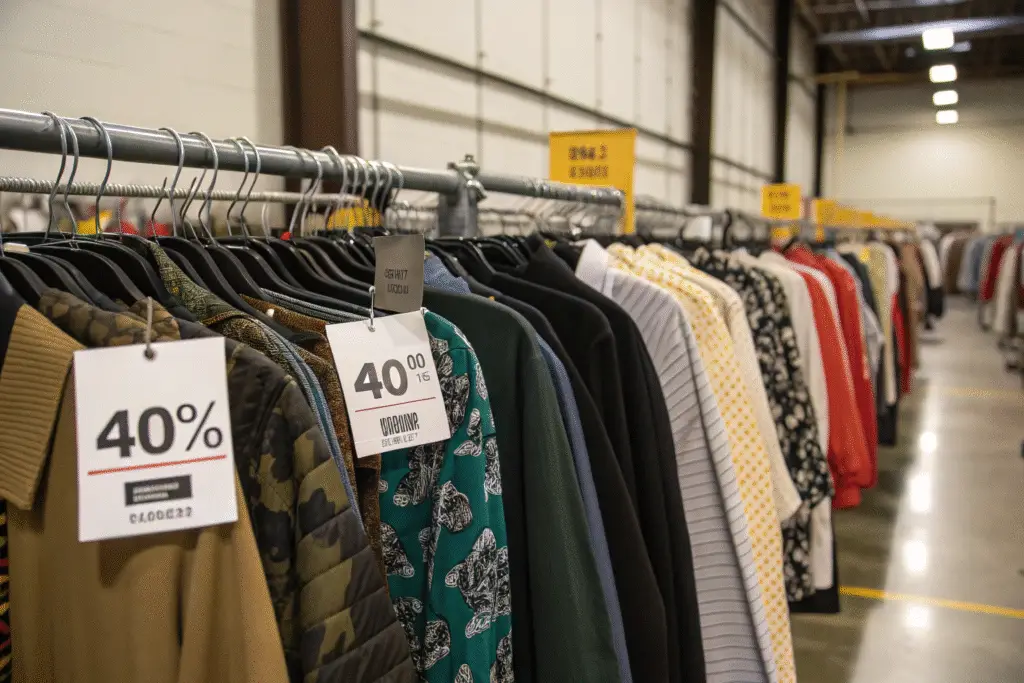
We recently worked with a Dallas-based brand that provided measurements taken from a sample garment rather than creating a proper spec sheet. The sample had stretched during wear, causing all their production garments to be 1.5 inches larger than intended in key areas. The resulting 3,000-piece order had inconsistent sizing that rendered 40% of the inventory unsellable, costing the brand approximately $68,000 in losses and another $15,000 in rework costs.
What Are the Direct Costs of Measurement Inaccuracies?
The financial impact of measurement errors extends beyond simple fabric waste or rework expenses. These inaccuracies create cascading costs throughout the production process and often result in missed delivery deadlines that damage brand reputation and customer relationships.
Direct cost impacts include:
- Pattern Remaking: Complete pattern revisions costing $200-$500 per style
- Sample Remaking: Additional sampling rounds at $75-$150 per sample
- Production Rework: Labor costs for disassembling and reconstructing garments
- Material Waste: 5-15% fabric waste from cutting inaccuracies
- Shipping Delays: Expedited shipping costs to meet missed deadlines
- Quality Discounts: Price reductions for inconsistent or flawed products
The table below illustrates how measurement errors escalate throughout production:
| Production Stage | Impact of 0.5" Measurement Error | Estimated Cost Impact |
|---|---|---|
| Pattern Making | Incorrect grading across all sizes | $300-600 per style |
| Fabric Cutting | Misaligned pattern pieces | 8-12% fabric waste |
| Sample Making | Incorrect fit requiring revisions | $450-900 in sampling |
| Production | Inconsistent sizing across units | 15-25% rejection rate |
| Final Inspection | Failed quality control checks | 20-30% price reduction |
How Do Measurement Issues Affect Manufacturing Timelines?
Time delays represent another significant consequence of measurement inaccuracies. Each measurement error requires identification, communication, correction, and verification—processes that can add weeks to production schedules and cause brands to miss critical selling seasons.
Common timeline impacts include:
- Extended Sampling: Additional 2-3 weeks per revision cycle
- Production Stoppages: Manufacturing halts while corrections are implemented
- Quality Control Delays: Extended inspection times for inconsistent garments
- Communication Overhead: Multiple clarification rounds across time zones
- Shipping Rescheduling: Missed vessel departures requiring expedited options
A Chicago-based brand learned this lesson painfully when chest measurement inaccuracies caused a three-week production delay right before their peak season. The delay caused them to miss their planned marketing campaign and resulted in 35% lower sales than projected for their new collection launch.
What Makes a Measurement Specification Truly Accurate?
Accuracy in measurement specifications involves more than just providing numerical values. Truly accurate measurements account for tolerance ranges, clear points of measurement, fabric behavior, and production realities. Many brands provide measurements that are technically correct but practically unusable because they lack critical contextual information.
We encountered this issue with a Portland-based brand that provided perfectly accurate body measurements but failed to account for fabric stretch in their knit designs. The resulting garments were tighter than intended across all sizes, requiring complete production rework and delaying their launch by a month. The brand learned that accuracy must encompass both numerical precision and practical manufacturing considerations.
How Should Points of Measurement Be Defined?
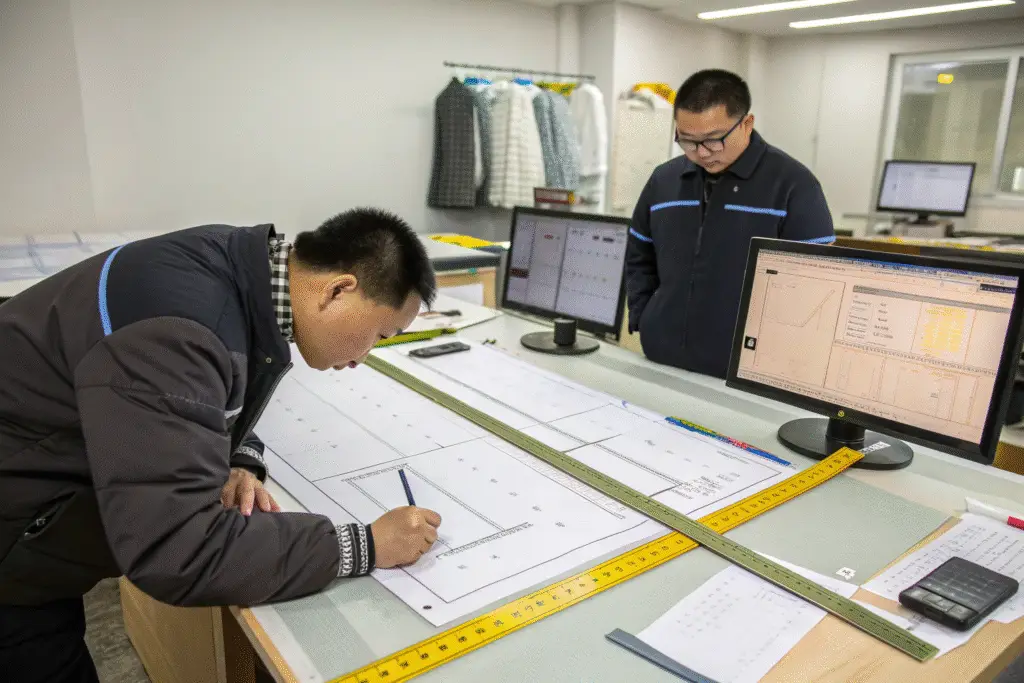
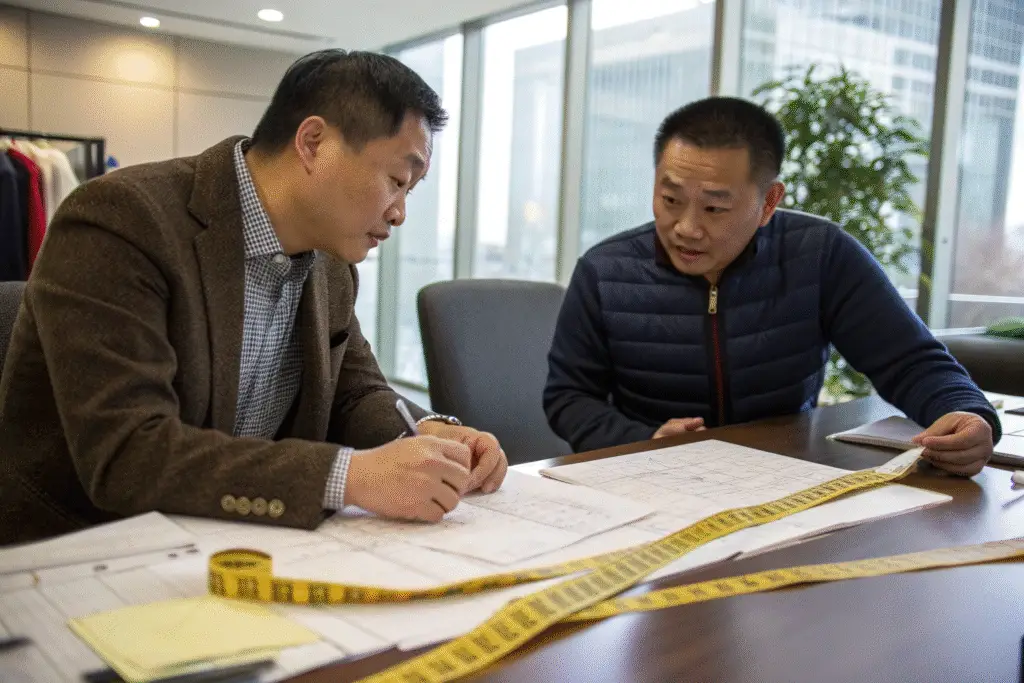
Points of measurement (POM) determine exactly where and how each measurement should be taken. Without clear POM definitions, even identical numerical values can produce dramatically different results depending on interpretation. Factory-friendly tech packs include visual POM guides that leave no room for measurement location assumptions.
Critical POM considerations include:
- Measurement Start/End Points: Exact seam intersections or garment edges
- Fabric State: Measured flat or on form, relaxed or stretched
- Garment Orientation: How the garment is positioned during measurement
- Tool Specifications: Type of measuring tape or device required
- Technique Standards: Pull tension and alignment methods
A Los Angeles-based brand eliminated their fit inconsistencies by implementing detailed POM diagrams for all their styles. Their tech packs now include 25-30 specific measurement points with photographic examples of proper measurement techniques, resulting in 90% improvement in measurement consistency between samples and production.
Why Do Tolerance Ranges Matter in Measurement Accuracy?
Tolerance ranges define acceptable measurement deviations and are essential for practical manufacturing. Without specified tolerances, factories must either apply standard tolerances that may not suit your quality standards or seek constant clarification about acceptable variations. Proper tolerance specification balances quality requirements with production realities.
Important tolerance considerations:
- Variable Tolerances: Different acceptable ranges for critical vs. non-critical measurements
- Fabric-Specific Tolerances: Account for natural variation in different materials
- Size-Graded Tolerances: Appropriate ranges for different garment sizes
- Production Stage Tolerances: Tighter ranges for samples vs. production
- Acknowledged Industry Standards: Following ASTM tolerance guidelines for consistency
We helped a New York-based brand develop a sophisticated tolerance system that reduced their quality rejection rate from 12% to 3%. Their system specifies tighter tolerances for visible fit areas (±0.25") and more generous tolerances for non-critical seams (±0.5"), achieving perfect balance between quality expectations and manufacturing feasibility.
How Do Accurate Measurements Streamline Manufacturing Processes?
Precise measurements create manufacturing efficiency by eliminating guesswork, reducing revision cycles, and enabling parallel work streams. When factories receive complete, accurate measurement specifications, they can proceed confidently through pattern making, grading, and production without constant clarification stops. This efficiency translates to faster timelines and lower costs.
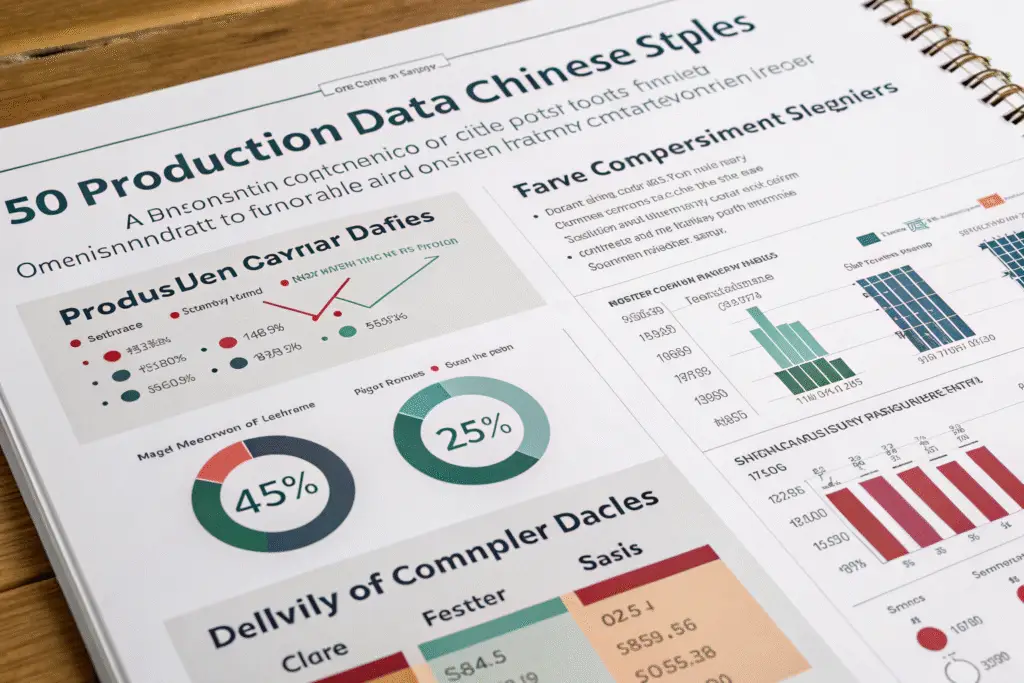
We recently compared production data for 50 similar styles and found that those with comprehensive measurement specs required 45% fewer clarification requests, 60% fewer sampling revisions, and delivered 25% faster than styles with basic or incomplete measurement documentation. The time savings were consistent across different garment types and complexity levels.
How Do Measurements Impact Pattern Making Efficiency?
Pattern making is the first manufacturing stage impacted by measurement accuracy. Precise measurements enable pattern makers to create accurate base patterns and grading rules without multiple revision cycles. Inaccurate measurements force pattern makers to either make assumptions or constantly seek clarifications—both of which compromise efficiency and quality.
Pattern making benefits include:
- First-Time Accuracy: Reduced need for pattern corrections
- Efficient Grading: Consistent size scaling across the range
- Optimal Marker Making: Better fabric utilization with accurate patterns
- Fewer Fit Samples: Reduced sampling rounds before production approval
- Digital Pattern Accuracy: Clean data transfer to CAD systems
A Miami-based brand reduced their pattern development time from three weeks to one week by providing complete measurement packages with their tech packs. Their detailed specs included 35+ measurements with clear POM definitions, enabling our pattern makers to create production-ready patterns in a single iteration rather than the typical 3-4 revisions.
How Do Measurements Affect Production Line Efficiency?
Accurate measurements directly impact production efficiency by ensuring consistent cutting, sewing, and finishing operations. When measurements are precise and clearly specified, production teams can establish efficient workflows without constant quality checks and adjustments. This consistency is particularly crucial for large production runs where small inefficiencies multiply significantly.
Production efficiency impacts:
- Consistent Cutting: Uniform pattern pieces across all layers
- Standardized Sewing: Efficient assembly with predictable results
- Streamlined Quality Control: Faster inspection with clear standards
- Reduced Rework: Minimal correction needed during production
- Predictable Output: Reliable daily production quantities
A Seattle-based activewear brand improved their production efficiency by 30% after implementing detailed measurement specifications across their collection. Their factory reported significantly fewer production interruptions for measurement verification and achieved more consistent output quality throughout their 10,000-piece production run.
What Are the Best Practices for Creating Accurate Measurements?
Developing accurate measurement specifications requires systematic approaches that address both technical precision and practical manufacturing considerations. The most effective measurement practices combine technical expertise, clear documentation, and verification processes that ensure consistency across all styles and production runs.
We've developed a comprehensive measurement methodology that has helped over 200 brands achieve measurement accuracy rates above 95%. This system addresses common pain points like inconsistent measuring techniques, unclear reference points, and inadequate tolerance specification that typically undermine measurement reliability.

How Should Measurements Be Developed and Verified?
Creating accurate measurements requires more than simply measuring existing garments. Effective measurement development involves multiple verification stages and cross-referencing against fit standards, size charts, and production capabilities. This comprehensive approach ensures measurements are both technically correct and manufacturable.
Best practices for measurement development:
- Use Standardized Blocks: Start with proven base patterns for each garment type
- Multiple Measurement Sources: Cross-reference specs, samples, and fit models
- Third-Party Verification: Have measurements checked by technical designers
- Production Validation: Test measurements with sample makers before finalizing
- Documentation Standards: Use consistent formats and terminology
A San Francisco-based brand implemented a 5-stage measurement verification process that eliminated their chronic fit issues. Their process includes technical designer review, sample garment verification, fit model testing, factory feedback incorporation, and final pre-production validation—ensuring measurement accuracy before manufacturing begins.
What Tools and Techniques Ensure Measurement Consistency?
The right tools and measurement techniques are essential for creating accurate, consistent specifications. Using improper tools or inconsistent methods introduces variability that compromises measurement reliability, even with careful attention to numerical values. Factory-friendly tech packs specify both the measurements and the methods for obtaining them.
Essential tools and techniques:
- Proper Measuring Tools: Standard measuring tapes, rulers, and squaring tools
- Consistent Garment Preparation: Specified steaming, pressing, or relaxation
- Standardized Measurement Environment: Controlled tables and lighting
- Documented Techniques: Specific instructions for challenging measurements
- Digital Verification: Digital measurement tools for complex shapes
We provide all our manufacturing partners with a measurement toolkit specification that ensures consistent measurement practices. Brands that adopt these tools and techniques typically achieve 85% better measurement consistency between their design teams and manufacturing partners.
How Do Accurate Measurements Protect Brand Value?
Beyond manufacturing efficiency, precise measurements play a crucial role in protecting brand reputation and customer loyalty. Inconsistent sizing represents one of the top reasons for customer returns and negative reviews in fashion e-commerce. Accurate measurements ensure customers receive garments that match their size expectations, building trust and encouraging repeat purchases.
The financial impact of sizing inconsistencies extends far beyond production costs. One of our retail partners calculated that each sizing-related return costs them approximately $18 in processing, restocking, and potential lost future business. For a brand with 20% return rate due to sizing issues, this represents millions in lost revenue and damaged brand equity.

How Do Measurements Impact Customer Experience?
Customer experience with sizing begins long before purchase with size charts and continues through wearing and caring for garments. Accurate measurements ensure that size charts are reliable, garments fit as expected, and sizing remains consistent across different styles and collections. This consistency builds customer confidence and reduces purchase hesitation.
Customer experience impacts:
- Accurate Size Charts: Reliable guidance for online purchases
- Consistent Fit: Predictable sizing across different styles
- Reduced Returns: Lower return rates from sizing issues
- Positive Reviews: Better customer feedback and ratings
- Brand Loyalty: Increased repeat purchase rates
A Boston-based DTC brand reduced their return rate from 38% to 12% by implementing precise measurement specifications across their collection. Their detailed size charts based on actual garment measurements (rather than body measurements) gave customers confidence in sizing selection, significantly improving conversion rates and customer satisfaction scores.
How Do Measurements Support Brand Expansion and Scaling?
As brands grow and expand into new product categories or markets, consistent measurements become increasingly valuable. Accurate specifications ensure quality consistency across different manufacturers, production locations, and product types. This consistency is particularly crucial for brands moving into wholesale or international markets where sizing expectations may vary.
Expansion benefits include:
- Manufacturer Flexibility: Ability to work with multiple factories consistently
- Category Expansion: Reliable sizing across different product types
- Market Adaptation: Ability to modify sizing for different regions
- Quality Standardization: Consistent outcomes across production partners
- Brand Integrity: Maintenance of fit reputation during growth
A Denver-based brand successfully expanded from 5 to 45 SKUs while maintaining their reputation for perfect fit by implementing a comprehensive measurement system. Their detailed tech packs with precise measurements enabled them to work with three different manufacturers simultaneously while achieving consistent fit across all their products.
Conclusion
Accurate measurements represent far more than technical details in a tech pack—they are fundamental to manufacturing success, cost control, timeline management, and brand protection. Precise dimensional specifications eliminate the interpretation gaps that cause sizing variations, reduce sampling cycles, prevent production errors, and ensure consistent quality across manufacturing runs. The initial investment in creating comprehensive measurement documentation returns significant benefits throughout the product lifecycle.
The most successful apparel brands treat measurement accuracy as a non-negotiable standard rather than an optional detail. They implement systematic approaches to measurement development, verification, and documentation that ensure consistency across all their products and manufacturing partners. This commitment to precision protects their brand reputation, enhances customer satisfaction, and supports sustainable business growth.
If you're struggling with measurement accuracy or want to improve your technical specification processes, our team can help you develop systems that ensure perfect outcomes. Contact our Business Director, Elaine, at elaine@fumaoclothing.com to discuss how our technical design services can help you create precise measurement specifications that protect your quality standards and manufacturing investments.