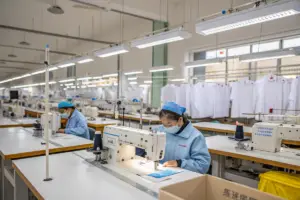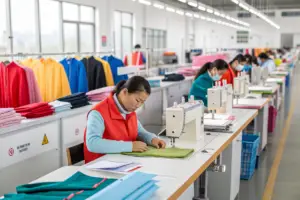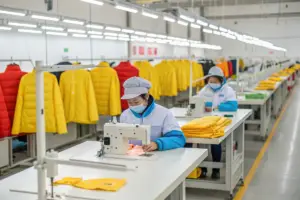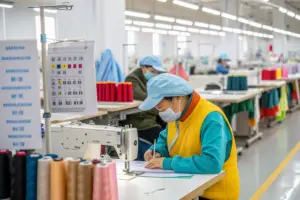
Many brands spend weeks creating beautiful, detailed tech packs that still fail miserably in manufacturing. I've reviewed thousands of tech packs from designers who genuinely believed they provided complete specifications, only to discover their documentation created more confusion than clarity on the factory floor. The disconnect between design intention and manufacturing execution represents one of the biggest challenges in apparel production.
A factory-friendly tech pack prioritizes clarity, completeness, and practicality above aesthetic presentation. It anticipates manufacturing workflows, uses universal technical language, and provides all necessary information in formats that factory teams can immediately action without interpretation or additional research. The most beautiful tech pack is worthless if production managers can't translate it into manufacturing instructions.
Last month, we received a tech pack from a promising New York brand that looked professionally designed with beautiful renders and detailed descriptions. However, it took our technical team 12 hours to extract the actual manufacturing specifications because critical information was buried in design narrative rather than presented in actionable formats. This article will show you how to transform your tech packs from design documents into manufacturing blueprints that factories can execute efficiently.
What Makes a Tech Pack Truly Factory-Friendly?
Factory-friendly tech packs share specific characteristics that differentiate them from design-focused documentation. These documents are engineered for manufacturing efficiency rather than creative presentation, with every element serving a practical purpose in the production process. The best tech packs feel like they were created by someone who understands factory operations intimately.
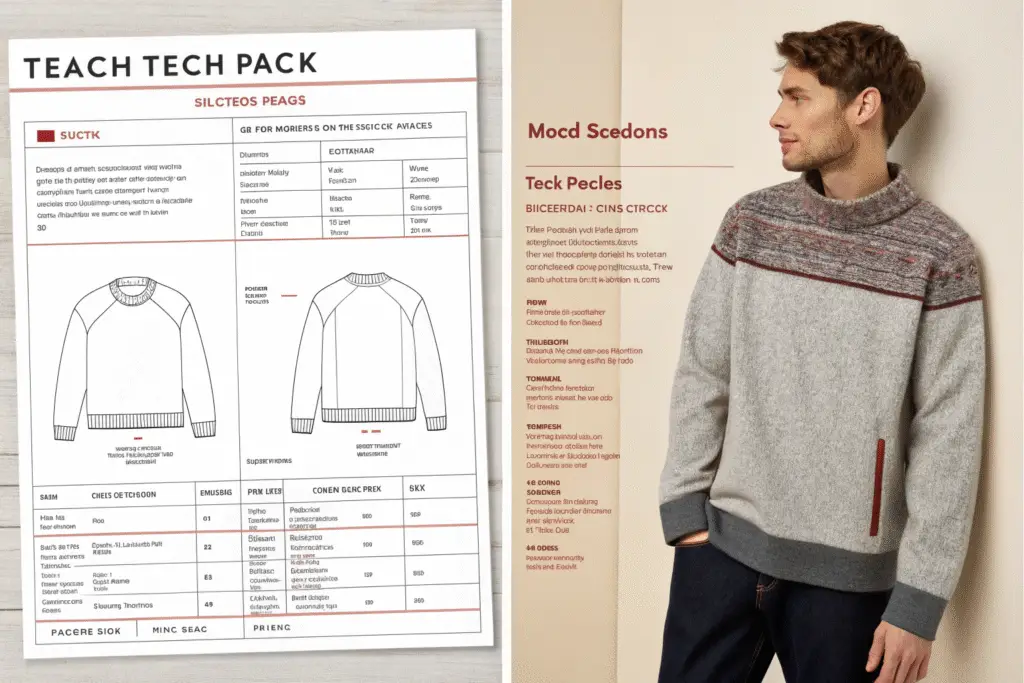
We recently worked with two brands on similar sweater designs. Brand A provided a 25-page design-focused tech pack with mood boards, inspiration images, and lengthy descriptive text. Brand B provided a 12-page technical document with precise measurements, clear construction details, and standardized formatting. Brand B's production proceeded smoothly and delivered two weeks early, while Brand A's required three additional sampling rounds and numerous clarifications that delayed their timeline by a month.
How Does Factory Workflow Impact Tech Pack Organization?
Understanding factory department workflows is crucial for organizing tech packs effectively. Information must be structured to flow naturally through sampling, pattern making, fabric sourcing, cutting, sewing, and quality control departments. Disorganized tech packs force factory teams to hunt for information, creating bottlenecks and increasing error risk.
Optimal tech pack organization follows this manufacturing sequence:
- Summary Page: Quick overview of garment type, season, and critical dates
- Materials Section: Complete Bill of Materials (BOM) with technical specifications
- Measurement Specs: Detailed graded spec sheet with points of measurement
- Construction Details: Technical flats with stitch-by-stitch instructions
- Artwork & Trims: Placement guides with precise measurements
- Packaging & Labeling: Complete packing and identification requirements
A Chicago-based brand redesigned their tech pack template to follow this exact workflow sequence after we showed them how much time their previous organization was costing in manufacturing efficiency. Their production manager reported a 40% reduction in inter-departmental clarification requests and a 15% improvement in first-sample accuracy.
What Technical Standards Should Factory-Friendly Tech Packs Use?
Standardization is the foundation of factory-friendly tech packs. Using industry-standard terminology, measurement systems, and formatting conventions ensures immediate comprehension across different departments and manufacturing partners. Custom terminology or unique formatting creates unnecessary translation barriers.
Essential standardization elements include:
- ASTM Measurement Standards: Following recognized measurement protocols for consistency
- Universal Stitch Classification: Using standard 301, 401, 504 etc. stitch codes
- Consistent Tolerance Notation: Clear ± values for each measurement
- Standardized Abbreviations: Using industry-standard abbreviations for common terms
- Universal File Formats: PDF for documents, AI/EPS for vector artwork, JPG for photos
The table below shows how standardization improves manufacturing efficiency:
| Element | Non-Standard Approach | Factory-Friendly Standard | Efficiency Impact |
|---|---|---|---|
| Stitch Type | "Strong seam" | 401 SSa-1 | 85% faster setup |
| Tolerance | "Close enough" | ±0.25cm | 90% fewer measurements rejected |
| File Format | PSD layers | Flat PDF with layers separately | 70% faster processing |
| Abbreviations | "Lsh slv" (long sleeve) | "Long Sleeve" | 100% comprehension |
How Can You Optimize Technical Specifications for Manufacturing?
Technical specifications form the actionable core of any factory-friendly tech pack. These elements must be precise, comprehensive, and presented in formats that manufacturing teams can directly implement without interpretation. Optimizing specifications requires understanding what information factories actually need versus what designers assume they need.
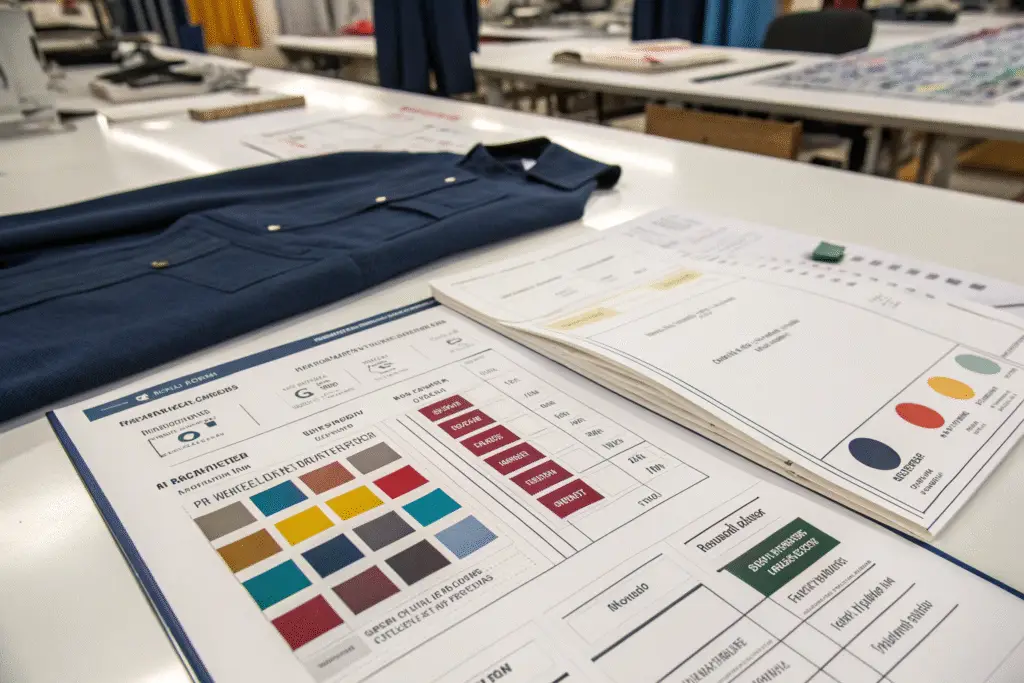
I recall a Denver-based brand that provided incredibly detailed design specifications but missed critical manufacturing information. Their tech pack specified exact Pantone colors for thread but failed to provide sleeve cap height measurements. This omission required our pattern maker to reverse-engineer the measurement from their sample, adding two days to their development timeline and introducing potential fit inconsistencies.
What Are the Most Critical Measurement Specifications?
Complete measurement specifications require more than just basic body measurements. Factory-friendly tech packs provide comprehensive dimensional data that enables pattern makers to create accurate patterns and graders to develop consistent size scaling. Missing measurements force factories to make assumptions that rarely match designer expectations.
Essential measurement categories include:
- Body Measurements: Comprehensive specs including often-missed areas like armhole depth and curve
- Grade Rules: Complete sizing increments with clear points of measurement
- Tolerance Ranges: Specific acceptable deviations for different measurement types
- Stretch Specifications: Required stretch percentages for knit fabrics
- Construction Measurements: Seam allowance, hem depth, and placket dimensions
A Los Angeles-based activewear brand implemented what they call "The 35-Point Measurement System" after numerous fit issues with their initial productions. By providing 35 precise measurements for each style, they achieved 95% first-sample fit accuracy compared to their previous 60% accuracy with basic measurement specs.
How Should Materials Be Specified for Factory Execution?
Material specifications must provide sufficient technical detail for accurate sourcing and manufacturing. Vague descriptions like "high-quality fabric" or generic composition listings create interpretation gaps that lead to substitutions and quality inconsistencies. Factory-friendly material specs leave no room for supplier interpretation.
Optimal material specification includes:
- Technical Descriptions: Full composition with exact percentages and yarn details
- Performance Standards: Specific fabric testing requirements and acceptable results
- Weight/GSM: Exact weight specifications with tolerance ranges
- Finish Requirements: Specific finishing treatments like brushing, washing, or coating
- Approved Suppliers: List of pre-qualified material vendors with style references
We helped a Miami-based resort wear brand develop a material specification template that reduced their fabric-related quality issues by 80%. Their new format includes technical data sheets from approved mills, physical swatches with lab testing results, and explicit performance requirements for things like colorfastness and pilling resistance.
What Communication Strategies Make Tech Packs More Effective?
Effective communication in tech packs extends beyond the actual specifications to how information is presented and organized. Factory-friendly tech packs use visual communication, clear hierarchy, and logical structure to ensure information is immediately comprehensible to manufacturing teams with varying language skills and technical backgrounds.
We recently analyzed clarification requests across 200 tech packs and found that 65% stemmed from communication issues rather than missing specifications. The most common problems included contradictory information between different sections, unclear visual references, and assumptions that factories would understand implied requirements.

How Can Visual Communication Enhance Tech Pack Clarity?
Visual elements often communicate complex technical information more effectively than text descriptions. However, these visuals must be properly annotated and integrated with textual specifications to be truly effective. Poorly executed visuals can create more confusion than they resolve.
Effective visual communication strategies:
- Technical Flats: Clean, annotated drawings with construction callouts
- Measurement Diagrams: Clear points of measurement with visual guides
- Construction Details: Zoomed-in views of complex operations with stitch specifications
- Color Placement: Visual guides for color blocking with Pantone references
- Trim Placement: Precise positioning with measurement references
A Seattle-based technical apparel brand uses what they call "visual-first" tech packs where every textual specification has a corresponding visual reference. This approach has reduced their manufacturing clarification requests by 75% and improved first-sample accuracy from 70% to 92% across their product line.
What Role Does Language Simplicity Play in Factory Comprehension?
Language complexity represents a significant barrier in international manufacturing. While factory technical teams typically understand English, complex sentence structures, creative terminology, and industry jargon create comprehension challenges. Factory-friendly tech packs use simple, direct language with consistent terminology.
Language optimization strategies:
- Simple Sentence Structure: Short, direct sentences with clear subjects and verbs
- Consistent Terminology: Using the same terms throughout the document
- Active Voice: "Attach sleeve to body" rather than "sleeve should be attached to body"
- Limited Adjectives: Avoiding subjective terms like "beautiful" or "perfect"
- Standard Abbreviations: Using only universally understood abbreviations
We provide all our partners with a manufacturing terminology guide that translates common design terms into factory-actionable language. Brands that adopt this guide typically see a 60% reduction in language-related clarification requests and significantly improved sampling outcomes.
How Can Digital Tools Enhance Tech Pack Factory-Friendliness?
Digital tech pack platforms and tools can significantly enhance factory-friendliness when properly implemented. However, the choice of tools and how they're used dramatically impacts their effectiveness in manufacturing environments. The most factory-friendly digital solutions prioritize accessibility, compatibility, and practical functionality over advanced features.
A San Francisco-based brand invested in an expensive 3D design platform that created stunning visualizations but exported tech packs missing critical manufacturing specifications. Their factory needed to recreate most of the technical documentation from scratch, negating the intended efficiency benefits. The brand eventually switched to a simpler 2D technical design system that better served their manufacturing needs.
What Digital Features Actually Benefit Manufacturing?
When evaluating digital tech pack tools, focus on features that directly enhance manufacturing efficiency rather than design capabilities. The most valuable features address common factory pain points like version control, measurement management, and specification clarity.
Manufacturing-beneficial digital features:
- Version Control: Clear revision tracking with change documentation
- Measurement Tables: Structured data that exports to pattern software
- Standardized Templates: Consistent formatting across all styles
- Comment Systems: Organized clarification tracking
- Cross-Platform Compatibility: Accessible without specialized software
A New York-based contemporary brand implemented a cloud-based tech pack system that reduced their sample revision cycles from 3.2 to 1.8 on average. The system's structured data fields forced completeness, while the version control prevented the specification conflicts that had previously plagued their manufacturing process.
How Should Files Be Organized for Factory Accessibility?
File organization and naming conventions significantly impact factory efficiency. Disorganized file structures with confusing names create delays as factory teams search for correct documents and confirm they're working with the latest versions. Factory-friendly file management follows logical, consistent conventions.
Optimal file organization includes:
- Clear Naming Conventions: Style numbers, revision dates, and document type
- Logical Folder Structure: Organized by season, collection, and style
- Consistent File Types: Using manufacturing-standard formats
- Centralized Storage: Single source for all technical documents
- Access Control: Appropriate permissions for different factory departments
We provide all our manufacturing partners with a detailed file organization guide that specifies exactly how to structure and name tech pack components. Brands that follow this guide experience 50% faster tech pack processing and significantly fewer version-related errors during production.
How Can You Validate Your Tech Pack's Factory-Friendliness?
The ultimate test of a factory-friendly tech pack is how efficiently it moves through the manufacturing process without requiring clarifications or corrections. Several validation methods can help identify potential issues before submitting tech packs to production. The most effective approaches combine self-assessment tools with external feedback mechanisms.
We developed a Tech Pack Health Check service after noticing that brands with the best intentions often couldn't identify the flaws in their own documentation. This service provides a structured evaluation against 37 factory-friendly criteria, with most brands discovering 5-10 significant improvements they could make to their tech packs.

What Pre-Submission Checks Can Identify Potential Issues?
Systematic pre-submission checks can catch most common tech pack issues before they reach the factory. The most effective checks address completeness, consistency, and clarity across all tech pack components. Implementing these checks as a standard part of your tech pack creation process significantly improves manufacturing outcomes.
Essential pre-submission checks:
- Completeness Audit: Verification that all required sections contain information
- Consistency Review: Cross-checking measurements, materials, and construction details
- Clarity Assessment: Evaluating whether specifications are unambiguous
- Factory Perspective Review: Viewing the tech pack from a manufacturing viewpoint
- Sample Validation: Comparing tech pack against approved sample garments
A Boston-based brand reduced their sampling revisions by 65% after implementing a mandatory 15-point pre-submission checklist. Their quality manager reviews every tech pack against this checklist before release, catching an average of 8 correctable issues per tech pack before they can impact manufacturing.
How Can Factory Feedback Improve Your Tech Packs?
Actively seeking and incorporating factory feedback is the most effective way to continuously improve tech pack factory-friendliness. Factories see hundreds of tech packs annually and understand exactly what information they need for efficient production. Structured feedback mechanisms turn this knowledge into tech pack improvements.
Effective feedback collection methods:
- Structured Clarification Tracking: Documenting all factory questions by category
- Post-Production Reviews: Analyzing what worked well and what caused issues
- Factory Surveys: Specific questions about tech pack clarity and completeness
- Comparative Analysis: Reviewing tech packs from brands with smooth manufacturing
- Continuous Improvement Cycles: Implementing feedback in tech pack templates
We provide detailed feedback reports to all our manufacturing partners, highlighting exactly where their tech packs created confusion or delays. Brands that actively use this feedback to refine their templates typically achieve 80% reduction in clarification requests within three production cycles.
Conclusion
Creating factory-friendly tech packs requires shifting perspective from design documentation to manufacturing execution. The most effective tech packs prioritize clarity, completeness, and practicality above all else. They anticipate factory workflows, use universal technical language, and provide all necessary information in immediately actionable formats. This manufacturing-focused approach delivers significant benefits through reduced sampling cycles, faster production timelines, and improved quality consistency.
The brands that achieve manufacturing excellence treat their tech packs as living documents that continuously evolve based on factory feedback and changing production requirements. They understand that factory-friendly tech packs are collaborative tools rather than one-way specifications, and they invest in systems and processes that ensure their documentation effectively bridges the gap between design vision and manufacturing reality.
If you want to improve your tech pack's factory-friendliness or develop more effective technical documentation systems, our team can provide specific guidance based on thousands of manufacturing experiences. Contact our Business Director, Elaine, at elaine@fumaoclothing.com to discuss how we can help you create tech packs that factories can execute perfectly every time.