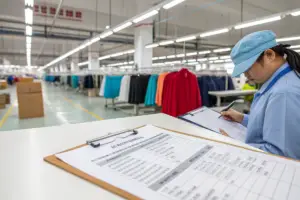
The disaster was both predictable and preventable. A client's "100% organic cotton" hoodies arrived with a rough handfeel that disappointed customers. Their tech pack simply listed "organic cotton" without specifying yarn construction, weight, or finishing. The manufacturer used a low-quality knitting technique that felt cheap, damaging the brand's premium positioning. This scenario repeats constantly because most designers underestimate how precisely fabrics and trims must be specified.
Specifying fabric and trims in a tech pack requires detailed, measurable documentation that eliminates ambiguity. This includes technical specifications (composition, weight, construction), performance standards (stretch, shrinkage, colorfastness), approved suppliers, physical references, and clear quality benchmarks. Proper specification transforms subjective descriptions into objective requirements that manufacturers must meet, preventing substitutions and ensuring consistent quality.
The fabric and trim section often determines your product's quality, cost, and performance more than any other specification. Vague descriptions like "high-quality zipper" or "soft fabric" invite interpretation that usually compromises your standards. After fifteen years reviewing thousands of tech packs, I've identified the exact information that separates professional specifications from amateur descriptions that lead to manufacturing disappointments.
What fabric specifications are absolutely essential?
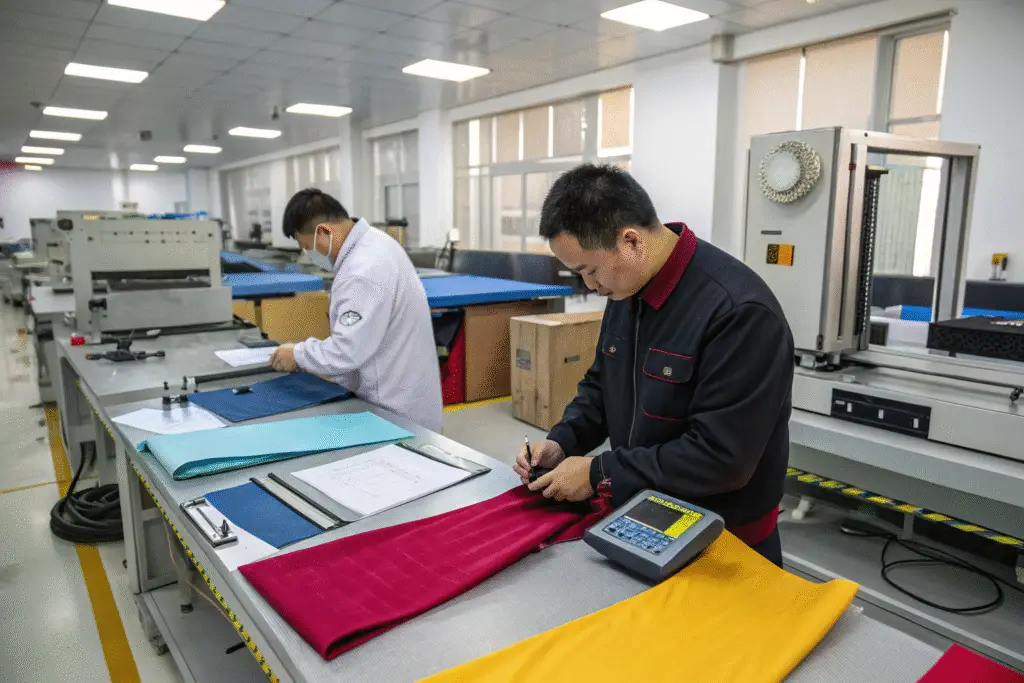
Comprehensive fabric documentation must include both technical measurements and performance standards that can be objectively verified.
Your fabric specifications serve as the quality contract with your manufacturer, so they must be precise, measurable, and testable. Missing even one critical element creates loopholes for substitutions that compromise your product. Last month, a sportswear brand avoided a $22,000 loss when their detailed pilling resistance specification caught a fabric substitution during testing, despite the replacement looking identical to their approved swatch.
What technical measurements must be included?
Essential fabric data includes:
- Composition: Exact fiber percentages (e.g., 92% cotton, 8% elastane)
- Weight: GSM (grams per square meter) or ounces per square yard
- Construction: Knit type (single jersey, interlock) or weave (twill, satin)
- Width: Useable fabric width in inches or centimeters
- Finish: Special treatments (brushing, enzyme wash, coating)
What performance standards prevent quality issues?
Critical performance specifications:
- Shrinkage: Maximum allowable shrinkage after washing (e.g., 3% maximum)
- Colorfastness: Crocking and washing color retention ratings
- Pilling Resistance: Martindale or pilling test results
- Stretch and Recovery: Percentage and recovery requirements
- Tensile Strength: Minimum strength for stress areas
How should you document trim specifications?
Trim specifications require the same precision as fabric documentation, focusing on materials, dimensions, and performance standards.
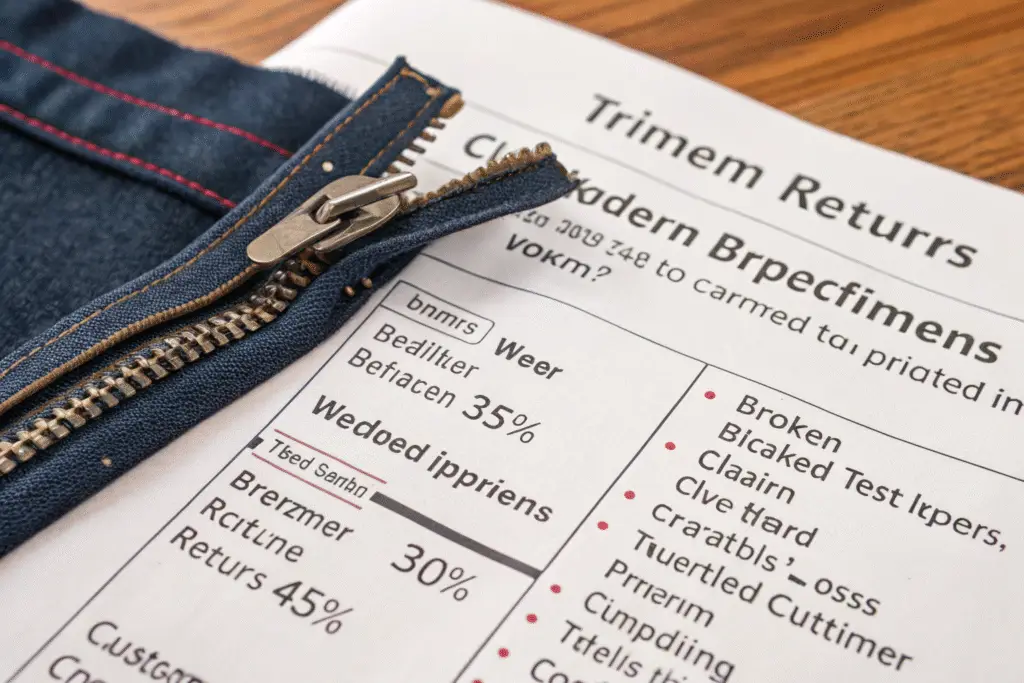
Trims may represent a small percentage of your garment's cost but can cause 100% of functional failures. Zippers that break, buttons that crack, or elastic that loses stretch create customer returns and brand damage. Comprehensive trim specifications prevent these failures by establishing clear, testable requirements. We helped a children's wear brand reduce returns by 35% by implementing detailed trim specifications that prevented cost-cutting substitutions.
What trim elements require detailed specification?
Essential trim documentation includes:
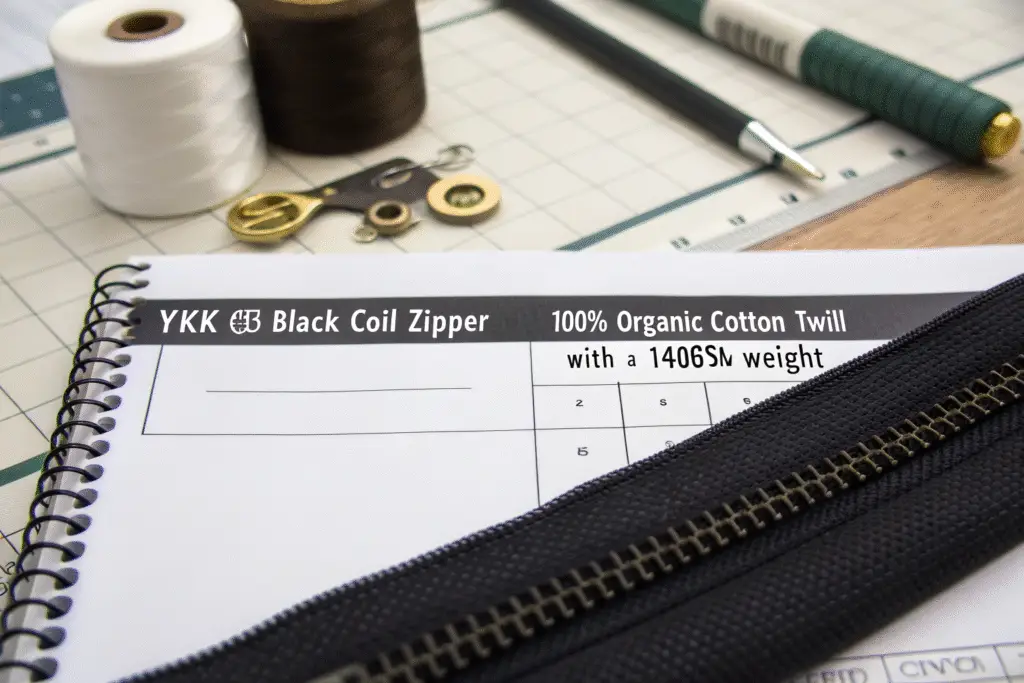
- Zippers: Brand, type, size, tape composition, and puller style
- Buttons: Material, diameter, thickness, hole configuration, and color
- Elastics: Composition, width, stretch percentage, and recovery
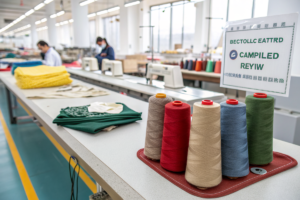
- Thread: Composition, weight, and color matching
- Labels: Material, content, size, and attachment method
How do you establish trim quality benchmarks?
Performance standards for trims:
- Zipper Strength: Minimum pounds of pull resistance
- Button Durability: Crack resistance under specific force
- Elastic Recovery: Maintained stretch after multiple washes
- Thread Strength: Suitable for seam stress requirements
- Label Durability: Wash and wear resistance
How can you provide effective reference materials?
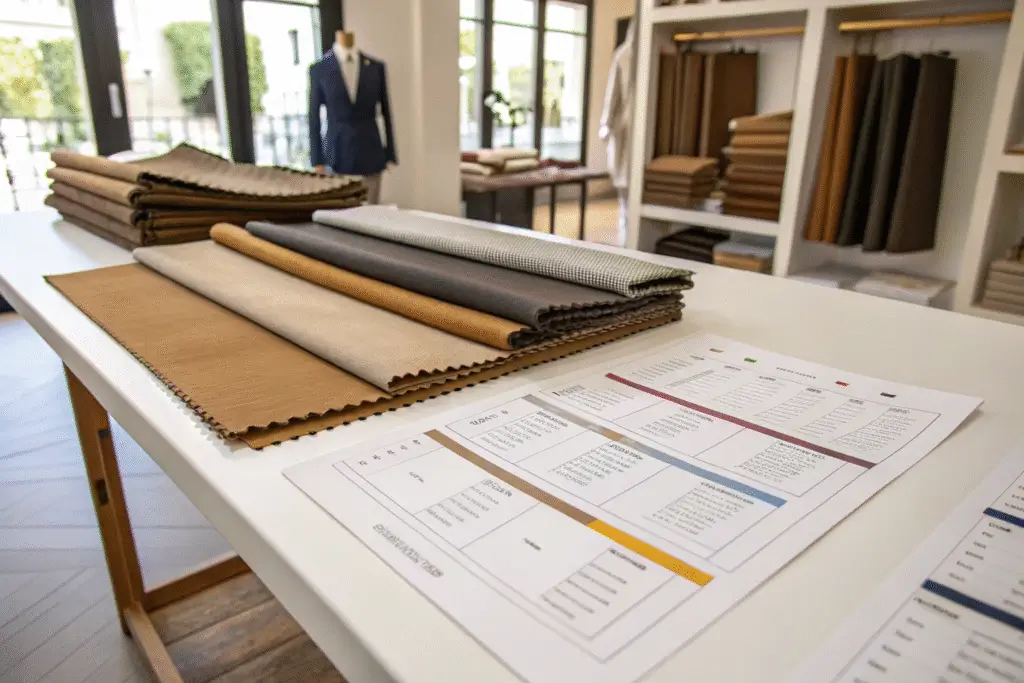
Physical references complement technical specifications by providing tangible standards that prevent misinterpretation.
While technical data provides objective measurements, physical references offer qualitative standards that are difficult to describe numerically. The most effective tech packs combine both approaches to eliminate ambiguity. A luxury brand maintains perfect material consistency by providing physical "gold standard" samples that new fabric lots must match exactly.
What physical references are most effective?
Essential reference materials:
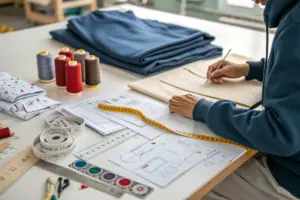
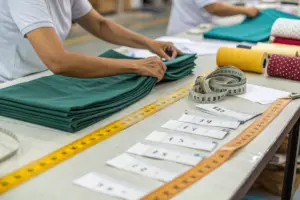
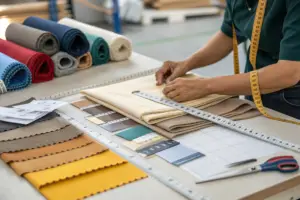
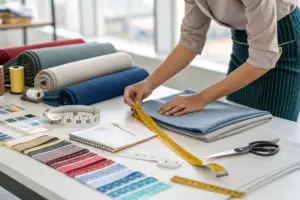
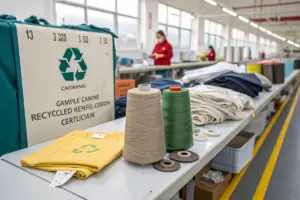
- Approved Fabric Swatches: Large enough for proper handfeel assessment
- Trim Cards: Actual buttons, zippers, and elastics mounted on cards
- Color Standards: Physical Pantone chips or dyed fabric references
- Finish Samples: Examples of desired washing or finishing effects
- Quality Benchmarks: Examples of acceptable vs. unacceptable quality
How should references be organized and distributed?
Best practices for reference management:
- Create numbered reference kits with all physical samples
- Provide digital photographs of all reference materials
- Establish clear approval processes for new lots
- Maintain master reference kits for quality comparison
- Document exactly how references should be used
What are the most common specification mistakes?
Understanding frequent errors helps you avoid the ambiguities that lead to manufacturing problems and quality issues.
Even experienced designers make specification mistakes that create manufacturing challenges. Recognizing these patterns helps you create more effective documentation. Over the past year, we've identified the specification errors that most frequently cause production issues for our clients.

Where do fabric specifications typically fail?
Common fabric specification errors:
- Vague composition descriptions (e.g., "cotton blend")
- Missing performance standards for critical attributes
- No approved supplier list allowing substitutions
- Insufficient physical reference materials
- Unrealistic tolerances that increase costs unnecessarily
What trim specification gaps cause problems?
Frequent trim documentation issues:
- Generic descriptions (e.g., "metal button" without specifics)
- Missing durability or performance requirements
- No brand specifications for critical components
- Inadequate attachment method specifications
- Missing color matching standards
How can you create a comprehensive Bill of Materials?
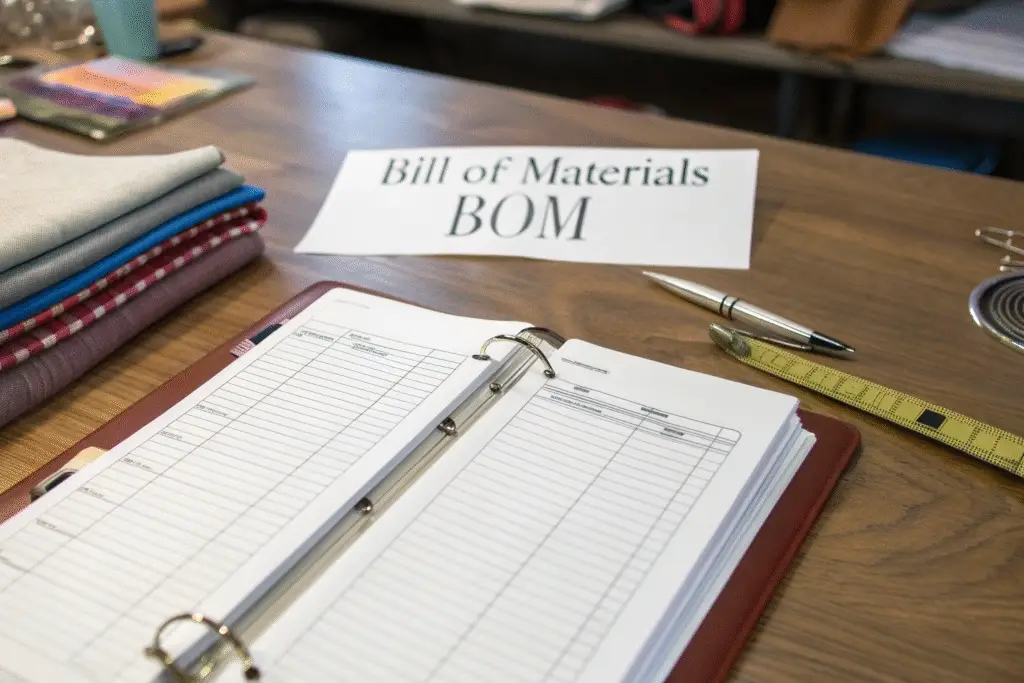
The Bill of Materials (BOM) provides the complete component inventory that ensures nothing is overlooked during sourcing and production.
Your BOM serves as the master checklist for all materials required to produce your garment. An incomplete BOM leads to last-minute sourcing, substitutions, and quality compromises. We've developed a structured BOM format that has helped clients reduce material-related errors by 80% compared to disorganized material lists.
What should a complete BOM include?
Essential BOM components:
- Main Fabric: With all technical specifications and suppliers
- Lining/Interlining: Separate specifications for each material type
- Closures: Zippers, buttons, snaps with detailed descriptions
- Thread: Type, weight, and color for different applications
- Labels: Brand, content, care, and size labels
- Packaging: Polybags, hangers, tags, and other packaging materials
How should the BOM be organized for clarity?
Optimal BOM structure:
- Categorize materials by type and application
- Include supplier information and lead times
- Note alternative materials with ranking preferences
- Specify exactly where each material is used
- Include cost references for budgeting
How do you specify materials for different garment areas?
Different garment sections often require different material specifications based on function and stress requirements.
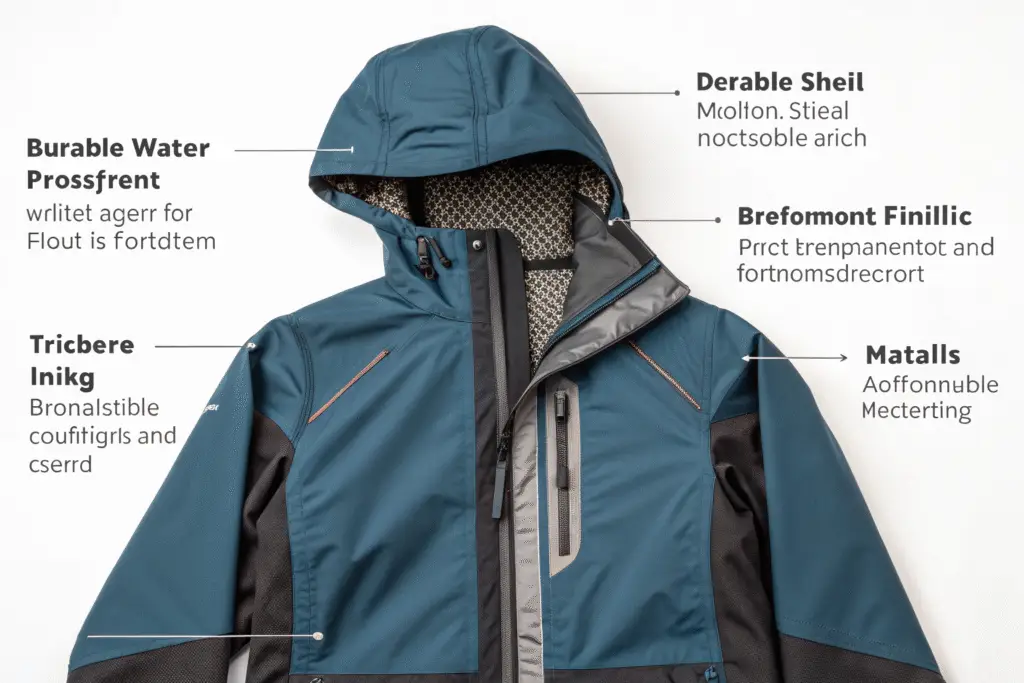
A single garment may use multiple fabrics and trims optimized for different functions. Specifying these variations prevents manufacturers from taking shortcuts that compromise performance. An outdoor brand improved their jacket performance by specifying different materials for shell, lining, and reinforcement areas based on specific functional requirements.
What are common multi-material applications?
Typical material variations:
- Main Body vs. Accents: Different materials or colors
- Reinforcement Areas: Higher durability in stress points
- Lining vs. Shell: Different properties for comfort and function
- Stretch vs. Woven Areas: Strategic placement based on movement
- Interlining Variations: Different weights for structure vs. flexibility
How do you document material placement clearly?
Effective placement specification:
- Use technical flats with material callouts
- Create separate BOM sections for each material type
- Specify exact usage locations and percentages
- Include cutting requirements for pattern matching
- Document special handling or sewing requirements
How can you ensure supplier compliance?
Clear documentation of approved suppliers and substitution procedures maintains quality across production runs.
Your specifications are only as reliable as the suppliers who provide the materials. Establishing clear supplier requirements and approval processes ensures consistent quality. We helped a sustainable brand maintain their ethical standards by specifying exactly which certified suppliers could be used, preventing unauthorized substitutions that violated their brand values.

What supplier information should be included?
Essential supplier documentation:
- Approved Supplier List: Primary and secondary options
- Supplier Certifications: Required standards (OEKO-TEX, GOTS, etc.)
- Material Codes: Specific product references from suppliers
- Testing Requirements: Third-party verification needs
- Substitution Procedures: Process for approving alternatives
How do you manage supplier changes and updates?
Effective supplier management:
- Establish clear procedures for supplier qualification
- Require pre-production samples from new suppliers
- Document material testing results for each lot
- Maintain updated supplier information across all tech packs
- Create material approval workflows with clear responsibilities
Conclusion
Specifying fabric and trims in your tech pack with precise, measurable documentation is the most effective way to ensure manufacturing consistency and quality. By combining technical specifications, performance standards, physical references, and clear supplier requirements, you create a comprehensive material definition that leaves no room for interpretation or substitution. This attention to detail transforms your tech pack from a basic instruction sheet into a quality assurance contract that protects your brand and ensures customer satisfaction.
If you need help developing comprehensive fabric and trim specifications or want to audit your existing tech packs for material documentation gaps, our technical team can provide expert guidance. Contact our Business Director Elaine to discuss how better material specifications can improve your manufacturing outcomes at elaine@fumaoclothing.com.