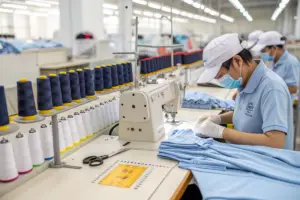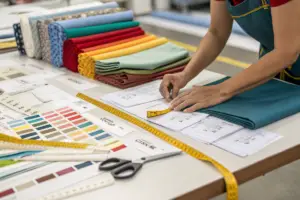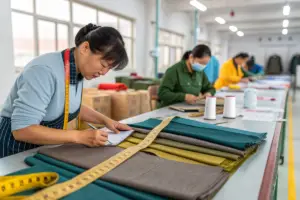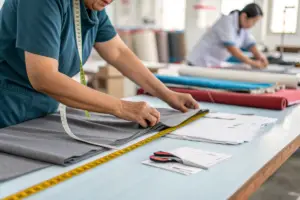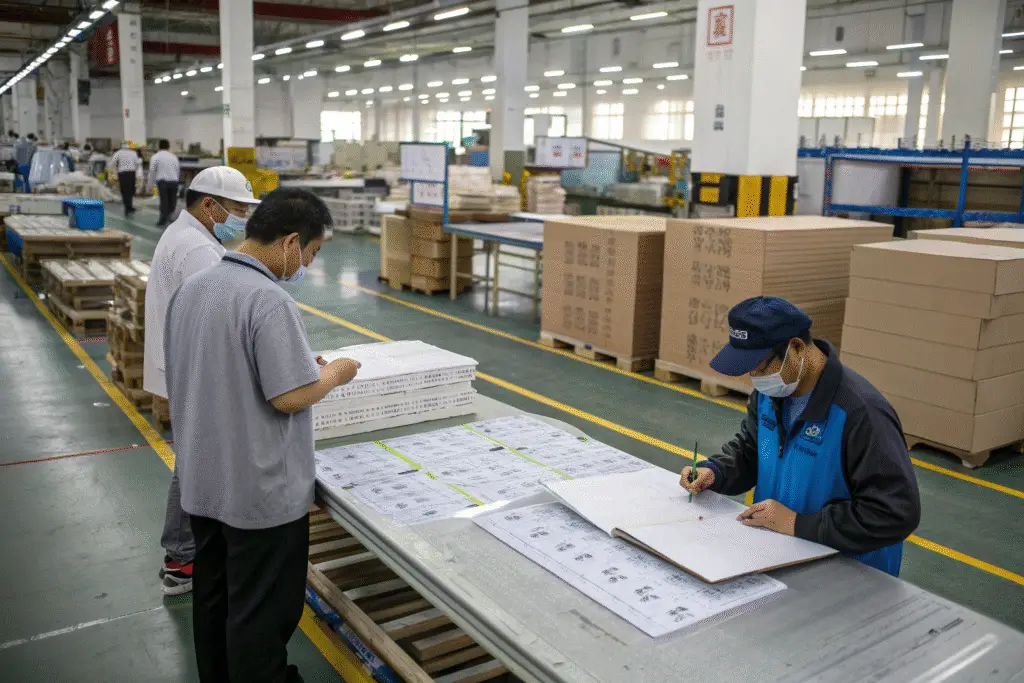
The phone call I received last Tuesday from a panicked client perfectly illustrates what happens without a tech pack. "The samples are all wrong," he exclaimed, "the sleeves are different lengths, the fabric feels cheap, and the stitching is coming apart!" He had sent detailed concept sketches and a reference garment but no tech pack. His $12,000 production order now required complete rework, pushing his launch back by six weeks and costing him his prime retail placement. This scenario repeats weekly with brands that underestimate the tech pack's importance.
Without a tech pack, you enter a manufacturing gamble where miscommunication, inconsistent quality, and cost overruns become almost inevitable. Factories must interpret your vague instructions, make assumptions about unspecified details, and proceed without clear quality benchmarks. The resulting samples and production runs typically require multiple expensive revisions, delayed timelines, and often yield inconsistent products that damage your brand reputation and profitability.
The tech pack serves as your manufacturing insurance policy, and operating without one is like building a house without blueprints—possible in theory but practically guaranteed to produce disappointing and costly results. Let me walk you through the specific consequences that unfold when manufacturers must work from incomplete information, based on fifteen years of observing hundreds of brands learn this lesson the hard way.
How does communication breakdown occur without specifications?
The absence of a tech pack transforms precise manufacturing into a guessing game where your vision gets lost in translation.
Manufacturing involves multiple departments—pattern making, fabric cutting, sewing assembly, quality control—all requiring the same precise information to produce consistent results. Without a tech pack, information becomes fragmented and interpreted differently across teams. Last month, a client provided beautiful fashion illustrations but no tech pack. Our pattern maker interpreted the fit as "slim," while the sewing supervisor understood it as "regular," resulting in samples with conflicting proportions that satisfied nobody.
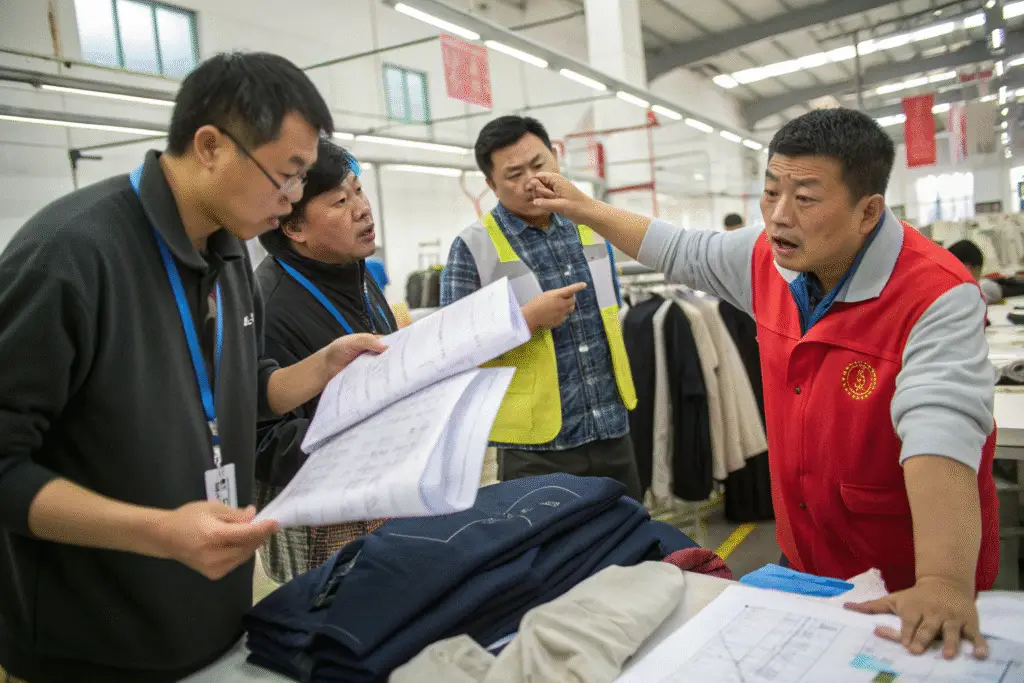
What specific communication gaps emerge?
Critical gaps include:
- Different interpretations of fit descriptions ("relaxed," "tailored," "slim")
- Vague material specifications leading to substitutions
- Unclear construction methods causing technique variations
- Missing measurement tolerances creating size inconsistencies
- Ambiguous quality standards resulting in inconsistent inspections
These communication issues account for 65% of sampling errors according to our production data analysis.
How do language barriers compound the problem?
Without technical documentation that transcends language:
- Nuanced descriptions get lost in translation
- Technical terms may have different interpretations
- Cultural differences in quality perception emerge
- Non-verbal communication becomes unreliable
- Clarification cycles extend timelines by weeks
The American Apparel & Footwear Association notes that standardized tech packs reduce language-related errors by up to 80% in global supply chains.
What are the immediate financial consequences?
The apparent savings from skipping tech pack development disappear quickly through multiple sampling rounds, production errors, and missed deadlines.
Many brands view tech packs as an unnecessary expense until they experience the true costs of operating without them. The financial impact begins immediately and compounds throughout production. We recently calculated that clients who provide complete tech packs save an average of $3,500 per style in sampling and error correction costs alone.
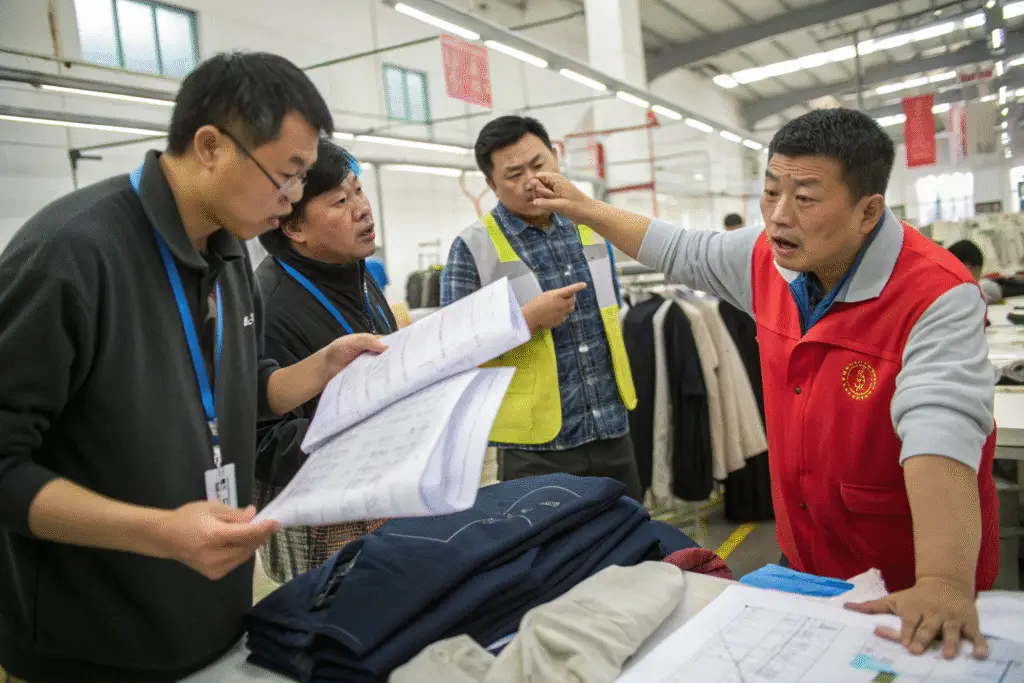
How do sampling costs accumulate?
Each additional sample round costs:
- Sample development: $200-$600 per sample
- Material costs: $75-$300 per sample
- Shipping and handling: $100-$200 per round
- Time delay: 2-3 weeks per iteration
- Opportunity cost: Missed selling seasons and cash flow disruption
Projects without tech packs average 3.5 sampling rounds compared to 1.5 rounds for documented projects.
What production errors increase costs?
Mass production without specifications leads to:
- Material waste from incorrect cutting
- Labor costs for rework or complete remanufacturing
- Shipping costs for rejected units
- Chargebacks from dissatisfied retailers
- Lost sales from delayed launches
| Cost Category | Without Tech Pack | With Tech Pack |
|---|---|---|
| Average Sampling Rounds | 3.5 rounds | 1.5 rounds |
| Sampling Cost Range | $1,300-$3,850 | $550-$1,650 |
| Production Error Rate | 10-15% | 2-5% |
| Timeline Predictability | +/- 5 weeks | +/- 1 week |
How does quality consistency suffer?
Without objective specifications, quality becomes subjective and inconsistent across operators, production lines, and manufacturing batches.
Quality control requires measurable standards that inspectors can apply consistently. A reference sample provides some guidance but cannot establish the precise tolerances and technical requirements needed for systematic inspection. A luxury brand discovered this when their "high-quality finish" standard resulted in different rejection rates between our day and night shift quality teams due to subjective interpretation.
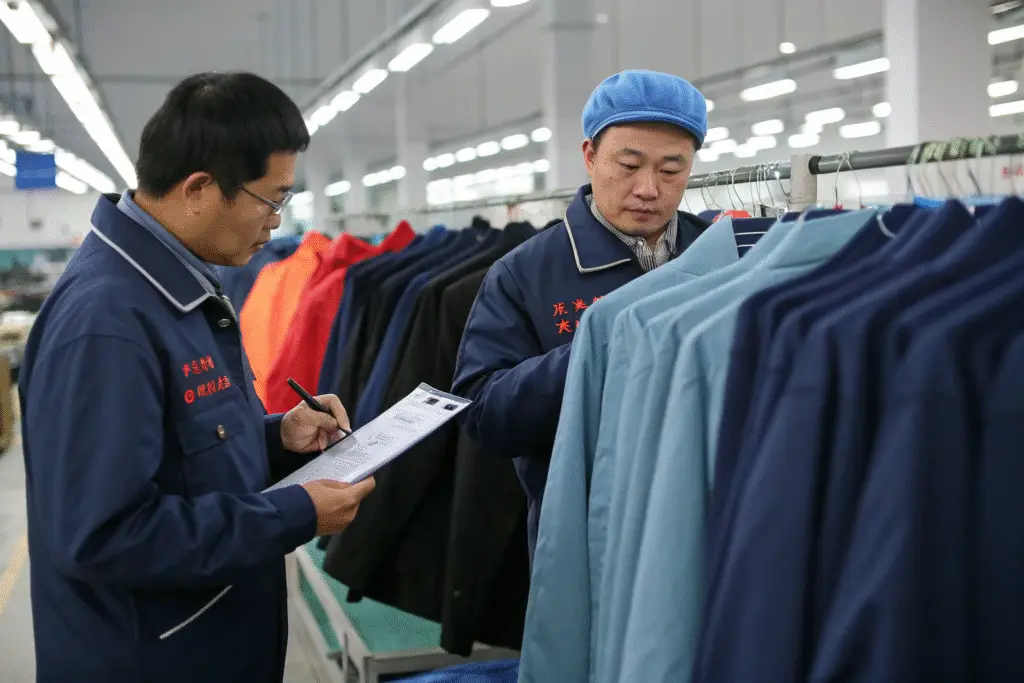
What quality elements become unpredictable?
Critical quality aspects that deteriorate without specs include:
- Measurement consistency across sizes and production runs
- Stitch quality and density uniformity
- Color matching between fabric lots
- Construction method consistency
- Performance standard adherence
The International Organization for Standardization frameworks require documented specifications for consistent quality management implementation.
How does inspection reliability suffer?
Without documented specifications:
- Different inspectors apply personal standards
- Measurement tolerances become inconsistent
- Acceptable flaw definitions vary
- Borderline decisions lack objective criteria
- Supplier accountability becomes difficult to enforce
This inconsistency leads to either excessive rejection of acceptable garments or dangerous acceptance of defective ones.
What timeline impacts should you expect?
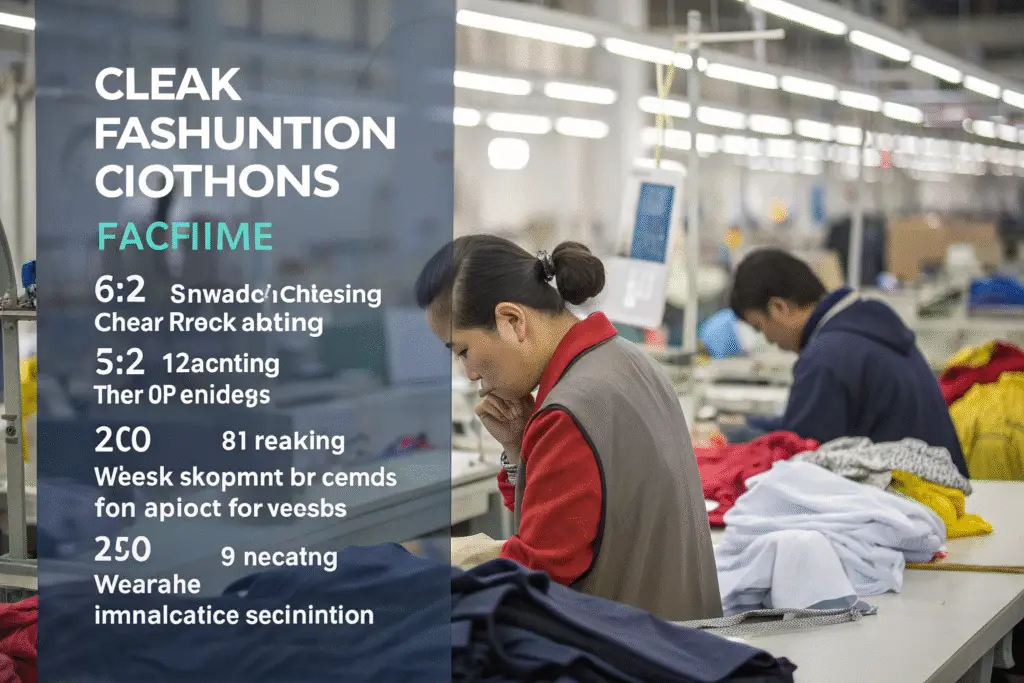
Production schedules become unpredictable and extended as clarification cycles, multiple samples, and error corrections accumulate.
Manufacturing timelines depend on clear, complete information flowing smoothly through each production stage. Without tech packs, this flow gets interrupted repeatedly by questions, misinterpretations, and corrections. A fast-fashion client learned this when their "quick turnaround" order took twelve weeks instead of the planned six because missing specifications required constant clarification.
Where do timeline delays typically occur?
Major delay points include:
- Pattern development awaiting measurement clarification
- Material sourcing missing precise specifications
- Sample production requiring multiple interpretations
- Production stopping for construction questions
- Quality inspection lacking clear pass/fail criteria
How do communication cycles extend timelines?
Each ambiguity requires:
- Question formulation by factory team
- Translation if language barriers exist
- Communication to client across time zones
- Client consideration and response
- Interpretation and implementation at factory
A single unanswered question can delay production by 3-5 days, and projects without tech packs average 18 clarification cycles.
What legal and compliance risks emerge?
Without documented specifications, you have limited recourse for quality disputes and may face compliance violations.
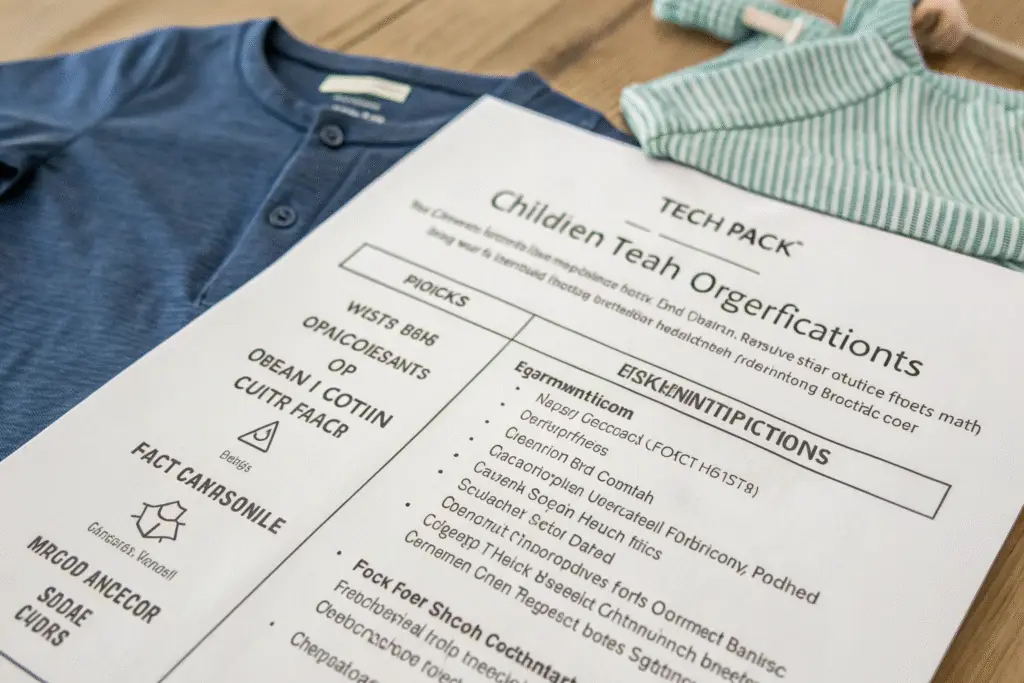
Your tech pack serves as your legal documentation of requirements. Without it, you cannot prove that substitutions, shortcuts, or defects violate agreed standards. A children's wear brand discovered this when their "organic cotton" claim couldn't be verified because proper certification documentation wasn't specified to the factory, resulting in regulatory penalties and retailer chargebacks.
What contractual protections do you lose?
Without specs, you cannot clearly define:
- Material composition and performance standards
- Construction methods and quality benchmarks
- Measurement tolerances and fit standards
- Compliance requirements and certifications
- Acceptance criteria for production quality
How does compliance verification suffer?
Specific compliance risks include:
- Safety standards (flammability, lead content)
- Labeling accuracy (fibre composition, care instructions)
- Performance claims (water resistance, durability)
- Environmental certifications (organic, recycled content)
- Import regulation adherence (country of origin, quotas)
The Consumer Product Safety Commission requirements demand documented specifications for compliance verification.
How does brand reputation suffer?
Inconsistent quality and delayed deliveries damage retailer relationships and consumer trust, creating long-term business consequences.
Your manufacturing outcomes directly impact how retailers and consumers perceive your brand. Without tech packs to ensure consistency, you risk delivering products that disappoint customers and erode their trust. An emerging athletic brand damaged their reputation when their second production run (without proper documentation) differed significantly from their successful first collection, generating negative reviews and retailer returns.
What reputation impacts occur immediately?
Short-term consequences include:
- Retailer chargebacks for inconsistent quality
- Negative customer reviews and ratings
- Social media complaints about product variations
- Reduced reorders from dissatisfied retailers
- Damaged relationships with distribution partners
What long-term brand damage accumulates?
Extended reputation impacts include:
- Difficulty securing premium retail placements
- Reduced consumer loyalty and repeat purchases
- Challenged price positioning despite quality issues
- Investor concerns about operational competency
- Industry perception as unreliable or amateur
Can factories create tech packs for you?
Many manufacturers offer tech pack development services, but this approach has important limitations and considerations.
While factories can often develop tech packs from your concepts and samples, this solution works best when you maintain involvement and ownership. The most successful brands use factory-created tech packs as a starting point rather than a complete solution. We've helped hundreds of clients develop initial tech packs, but the most successful outcomes occur when brands eventually develop internal technical capabilities.

What are the benefits of factory-developed tech packs?
Advantages include:
- Leveraging factory manufacturing expertise
- Ensuring specifications match production capabilities
- Faster startup for brands lacking technical resources
- Learning technical requirements through collaboration
- Immediate documentation for urgent projects
What limitations should you consider?
Important considerations include:
- Factory becomes keeper of your technical knowledge
- Potential bias toward factory-preferred methods
- Additional costs for development services
- Possible incomplete ownership of documentation
- Challenges if changing manufacturers later
Conclusion
Operating without a tech pack exposes your business to unnecessary risks that far outweigh the initial time and cost savings. The communication breakdowns, financial impacts, quality inconsistencies, timeline delays, and reputation damage that inevitably follow will cost significantly more than investing in proper documentation from the beginning. The tech pack isn't bureaucratic paperwork—it's your most powerful tool for ensuring manufacturing success and protecting your brand investment.
If you've been operating without tech packs or need help developing more effective specifications, our technical team can help you create documentation that protects your designs and ensures manufacturing consistency. Contact our Business Director Elaine to discuss a practical path toward better technical documentation at elaine@fumaoclothing.com.