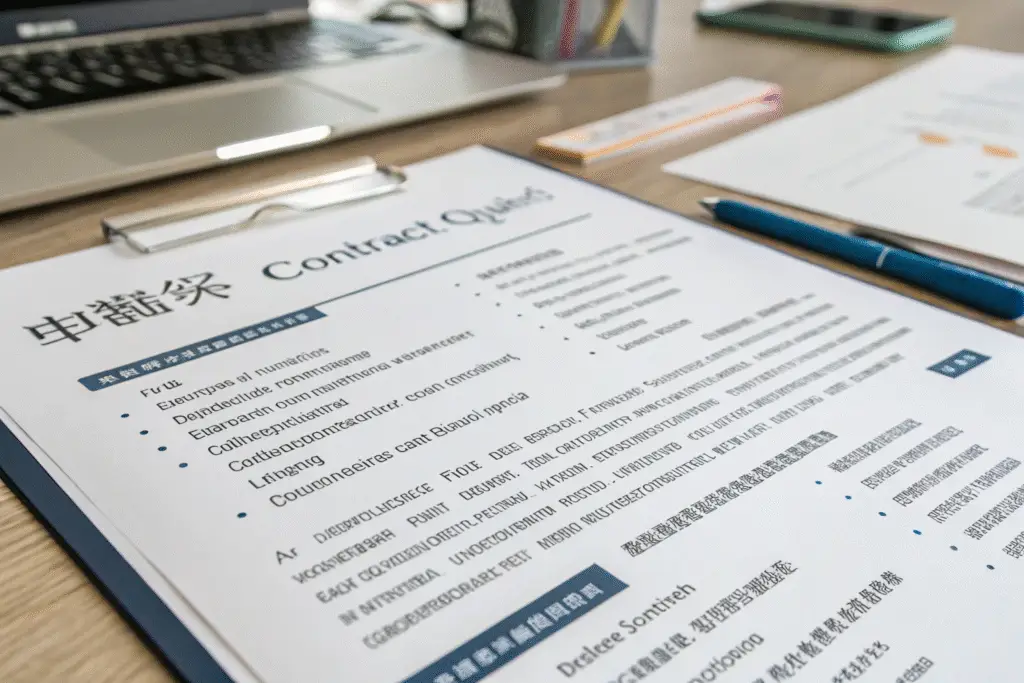
A detailed quote is much more than just a price—it’s the foundation of a successful manufacturing partnership. I’ve seen countless production relationships fail because of vague quoting that led to misunderstandings, unexpected costs, and damaged trust. The quote document sets expectations for everything from cost structure to timeline and deliverables.
A detailed quote is essential because it prevents hidden costs, establishes clear scope boundaries, enables accurate budgeting, facilitates fair comparison between manufacturers, and builds trust through transparency. It serves as a reference point throughout production and protects both brands and manufacturers from misunderstandings.
A comprehensive quote should be educational, not just transactional. It should help you understand where your money is going and what factors might cause changes. Let me break down exactly what makes a detailed quote invaluable and how to read between the lines.
How Does a Detailed Quote Prevent Hidden Costs?
Hidden costs are the number one budget killer in clothing production. A detailed quote exposes all potential expenses before you commit, allowing for accurate financial planning.
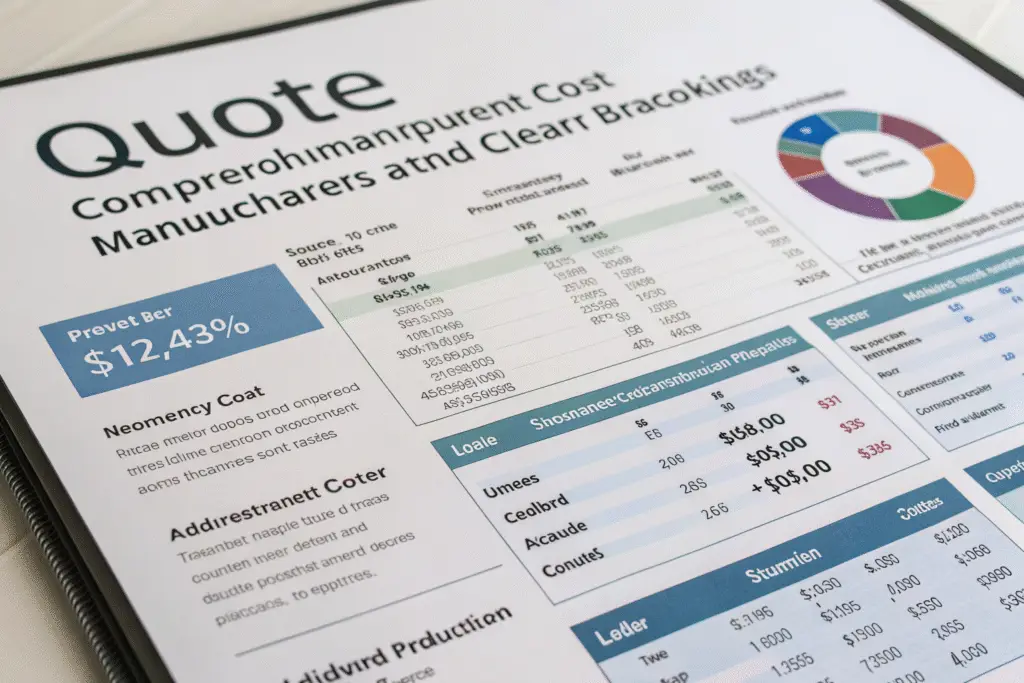
Vague quotes that only show a "per piece" price inevitably lead to surprises—unexpected charges for labels, tags, packaging, shipping, or customs fees. We provide quotes that break down every cost component, which recently helped a client avoid $4,200 in unexpected expenses that another factory hadn’t included in their initial quote.
What cost categories should a detailed quote include?
A comprehensive quote should separate material costs (fabric, thread, trims), labor costs (cutting, sewing, finishing), overhead (quality control, administration), and additional services (sampling, shipping, duties). Our quote template includes 15 distinct cost categories that prevent surprises and enable informed decision-making.
How do detailed quotes handle variable costs?
Transparent quotes clearly distinguish between fixed costs (like pattern making) and variable costs (like fabric yardage). They should indicate which elements are estimates versus fixed prices. We flag all estimated components and provide the calculation method, so clients understand what might change and why.
What Scope Clarity Does a Detailed Quote Provide?
The quote document should define exactly what’s included in the price—and equally important, what’s not included. This scope clarity prevents disputes and ensures both parties share the same expectations.
A detailed quote specifies quantity assumptions, quality standards, timeline commitments, and communication protocols. It serves as a reference point when questions arise during production. We recently avoided a misunderstanding with a client because our detailed quote explicitly stated that fabric testing was an additional service, not included in the base price.
How does scope definition prevent "scope creep"?
Clear scope boundaries in the quote prevent additional requests from being treated as included services. Things like extra samples, design modifications, or rush shipping should be explicitly priced as additions. Our scope management system uses the initial quote as the baseline, with clear processes for approving and pricing changes.
What production details should the quote specify?
The quote should detail garment specifications, quality standards, packaging requirements, and delivery terms. It should reference the tech pack version and sample approval process. We include specific quality benchmarks and inspection criteria in our quotes to ensure alignment on expectations.
How Does Quote Detail Enable Accurate Budgeting?
For brands, especially startups, accurate budgeting can mean the difference between profitability and financial strain. A detailed quote provides the information needed for realistic financial planning.
When you understand cost drivers, you can make informed decisions about where to invest and where to economize. We recently helped a client reallocate their budget by showing how different fabric choices would impact their total cost structure.
| Cost Component | Percentage of Total | Flexibility | Notes |
|---|---|---|---|
| Materials | 45-65% | Medium | Fabric choice has biggest impact |
| Labor | 20-30% | Low | Depends on garment complexity |
| Overhead | 10-15% | Low | Fixed costs distributed |
| Profit Margin | 10-15% | Variable | Negotiable based on volume |
How can brands use detailed quotes for cost optimization?
Detailed quotes reveal cost drivers, allowing strategic decisions about material substitutions, design simplifications, or order quantity adjustments. Our cost analysis service helps clients identify savings opportunities without compromising quality.
What financial planning information should quotes provide?
Beyond per-piece pricing, quotes should indicate payment schedule, currency assumptions, and potential cost variation triggers. We include payment milestone dates and clearly state which costs are in local currency versus USD to prevent exchange rate surprises.
How Do Detailed Quotes Facilitate Factory Comparison?
When evaluating multiple manufacturers, detailed quotes provide an apples-to-apples comparison rather than just looking at bottom-line prices.
Detailed quotes reveal differences in quality standards, service levels, and business practices that simple per-piece pricing obscures. We encourage clients to compare our detailed quotes with others, as the transparency itself often demonstrates our commitment to fair partnership.
What comparison points do detailed quotes reveal?
Beyond price, detailed quotes show differences in quality control processes, communication protocols, timeline assumptions, and risk management approaches. Our quotes specifically outline our four-stage quality control process, which explains why our pricing might be slightly higher than factories with less rigorous systems.
How can you identify value differences through quotes?
The level of detail and professionalism in the quote often correlates with the factory’s operational standards. Vague quotes may indicate disorganization or intentional obfuscation. We’ve won clients who appreciated our thorough quoting approach, recognizing it reflected our overall operational philosophy.
What Trust and Transparency Benefits Come From Detailed Quotes?
Transparency builds trust, and trust enables the collaborative problem-solving essential for successful production partnerships.
Detailed quotes demonstrate honesty and professional integrity. They show that the manufacturer has nothing to hide and is confident in their pricing structure. This transparency has helped us build long-term relationships with clients who value open communication.

How does quote transparency impact the manufacturer relationship?
Transparent quotes establish a foundation of honesty that carries through the entire production process. When challenges arise, both parties can refer back to the quote as a neutral reference point. Our transparent pricing philosophy has helped us navigate difficult production situations with clients because we established trust from the beginning.
What educational value do detailed quotes provide?
For new brands, detailed quotes serve as educational tools about manufacturing economics. Understanding cost structures helps brands make better business decisions beyond just the current order. We include explanatory notes in our quotes that help clients understand the "why" behind costs, not just the "what."
How Do Detailed Quotes Manage Expectations?
The quote document sets expectations for timeline, communication, quality, and deliverables before production begins.
A comprehensive quote includes not just costs but also production timeline, key milestones, and responsibility assignments. This prevents unrealistic expectations and ensures both parties are aligned from day one. We recently prevented a client disappointment by clearly stating in our quote that their complex design required 10 weeks rather than the 8 weeks they had hoped for.
What timeline information should quotes include?
Quotes should specify development time, sampling period, production duration, and shipping timeline. They should indicate which elements are estimates versus commitments. Our quotes include a production calendar with buffer periods for unexpected delays, setting realistic expectations.
How do quotes establish quality expectations?
Detailed quotes should reference quality standards, inspection protocols, and acceptable defect rates. This prevents disagreements about what constitutes acceptable quality. We include our AQL standards and inspection criteria in every quote to ensure quality alignment.
Conclusion
A detailed quote is much more than a pricing document—it’s the blueprint for your manufacturing partnership. It establishes transparency, sets expectations, enables accurate planning, and builds the trust necessary for successful collaboration.
The most successful manufacturing relationships begin with comprehensive quoting that leaves no room for misunderstanding. Brands that prioritize detailed quotes over simple bottom-line pricing typically experience smoother production, fewer surprises, and stronger manufacturer relationships.
If you’re evaluating manufacturing quotes and want to ensure you’re comparing options accurately, we can help you understand what to look for. At Fumao Clothing, we believe transparent quoting builds the foundation for successful partnerships. Contact our Business Director, Elaine, at elaine@fumaoclothing.com for a detailed, transparent quote for your next production project.