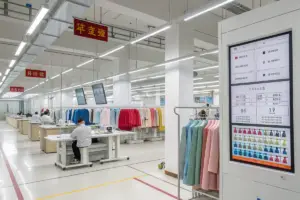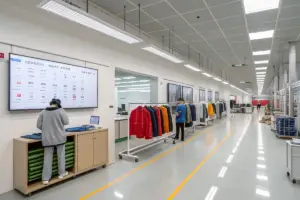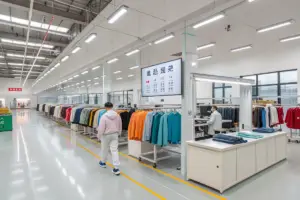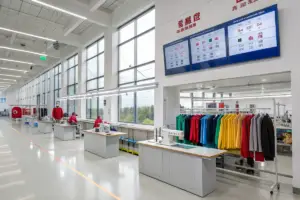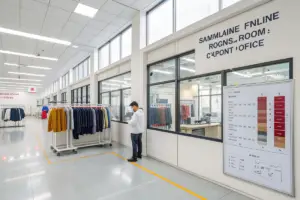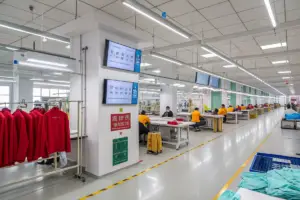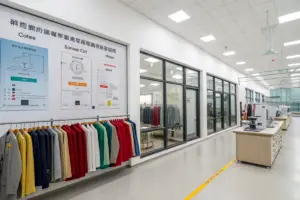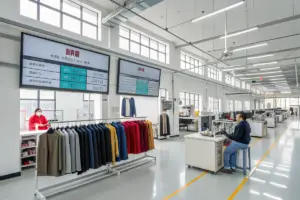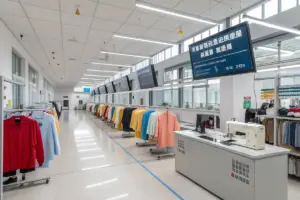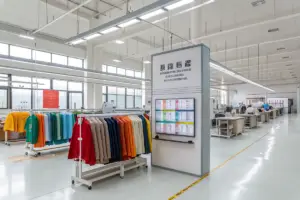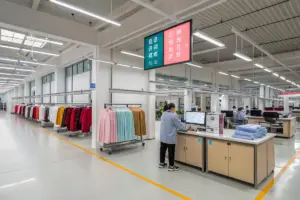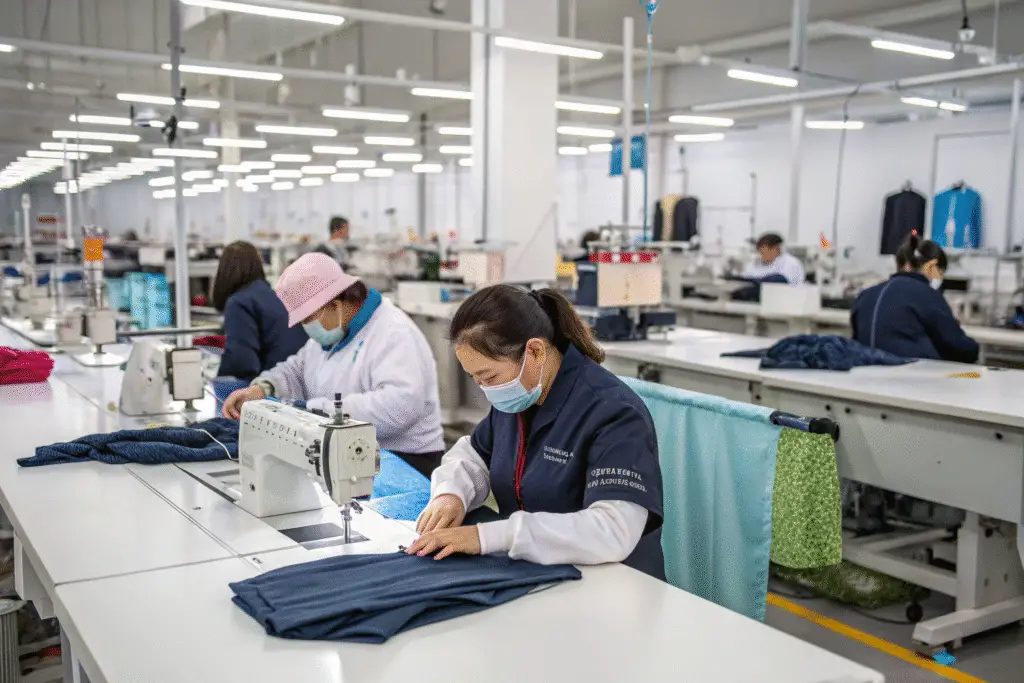
In a market crowded with garment manufacturers making similar claims, brands rightly wonder what truly sets one factory apart from another. Having competed against hundreds of factories across China and Southeast Asia, I can tell you the differences aren’t just in what we say, but in how we’ve structured our entire operation to solve the specific pain points brands actually experience.
Fumao Clothing differs through our integrated full-package system, proactive communication protocol, strategic DDP expertise, specialized small-batch capabilities, and our unique brand partnership approach. We’ve built our factory not just to manufacture garments, but to solve the operational challenges that prevent brands from scaling efficiently.
The real test of a factory isn’t during smooth production—it’s when challenges arise. Our systems are designed to anticipate problems rather than just react to them. Let me share the specific differentiators that have helped our clients outperform their competitors.
How Does Our Integrated Full-Package System Work?
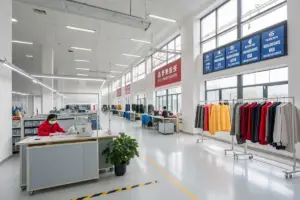
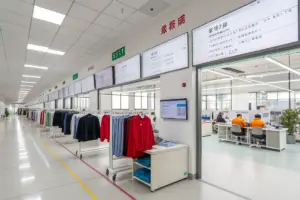
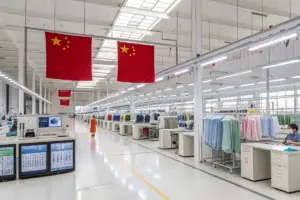
Unlike factories that specialize in just cutting or sewing, we manage the entire production process under one roof with integrated systems. This eliminates the coordination gaps that cause delays and quality inconsistencies in fragmented manufacturing models.
Our full-package system includes design support, material sourcing, production planning, quality control, and logistics management—all managed through a single point of contact. This integration means we can identify and resolve issues that would typically require multiple vendors to coordinate. Last month, this approach helped a client navigate a fabric delay by immediately sourcing alternatives and adjusting production sequencing without missing their delivery window.

What problem does vertical integration solve?
Vertical integration eliminates communication barriers between separate specialists. When pattern makers, cutters, sewers, and finishers work in the same facility with shared systems, information flows instantly. This prevented a measurement miscommunication that could have affected 2,000 units for a client last quarter. Our integrated quality system catches issues that would slip through in disconnected production models.
How does single-point accountability benefit brands?
Each client works with a dedicated project manager who oversees every aspect of production. This eliminates the "that’s not my department" response that frustrates brands working with segmented factories. Our project managers have authority to make cross-departmental decisions, which recently allowed us to resolve a trim shortage within hours rather than days.
What Makes Our Communication Protocol Unique?
We’ve replaced the typical reactive factory communication with a proactive, predictable system that keeps clients informed without them needing to constantly follow up.
Our communication protocol includes scheduled weekly updates, immediate issue alerts, digital progress tracking, and structured review meetings. But what truly differentiates us is our escalation system that automatically elevates delays before they become critical. A client recently commented that working with us felt like having a production manager on their team rather than just a distant supplier.

How does our digital tracking system work?
Clients access a personalized portal showing real-time production status, quality metrics, and shipment tracking. Unlike basic status updates, our system shows the actual production stage of each component. This digital transparency recently helped a client coordinate their marketing launch by knowing exactly when samples would arrive for photoshoots.
What is our issue escalation protocol?
Any deviation from the production schedule automatically triggers management review after 48 hours. This system ensures problems receive appropriate attention rather than hoping line supervisors can resolve everything. Our escalation protocol prevented a potential 3-week delay when it flagged a fabric quality issue that would have otherwise gone unnoticed until cutting.
How Does Our DDP Expertise Create Value?
Delivered Duty Paid (DDP) manufacturing requires specialized knowledge beyond basic production—it demands expertise in international logistics, customs regulations, and destination market requirements.
Our DDP service includes customs clearance, duty calculation, final delivery coordination, and comprehensive insurance. We’ve developed this expertise through thousands of shipments to North American and European markets. A client switching from another factory reported saving 17% on landed costs through our optimized DDP approach.

What logistics advantages do we offer?
Our strategic partnerships with freight forwarders, customs brokers, and logistics providers give us priority access and better rates. We maintain preferred partner status with major carriers, which proved crucial during recent port congestion when we secured container space that competitors couldn’t access.
How do we handle customs compliance?
Our compliance team stays current with regulation changes in all our target markets. We pre-clear documentation and maintain import records that streamline the process. This expertise recently prevented a shipment from being held at customs due to new labeling requirements that caught other importers by surprise.
Why Are Our Small-Batch Capabilities Unique?
While many factories reluctantly accept small orders, we’ve built specialized production lines specifically designed for efficiency at lower quantities.
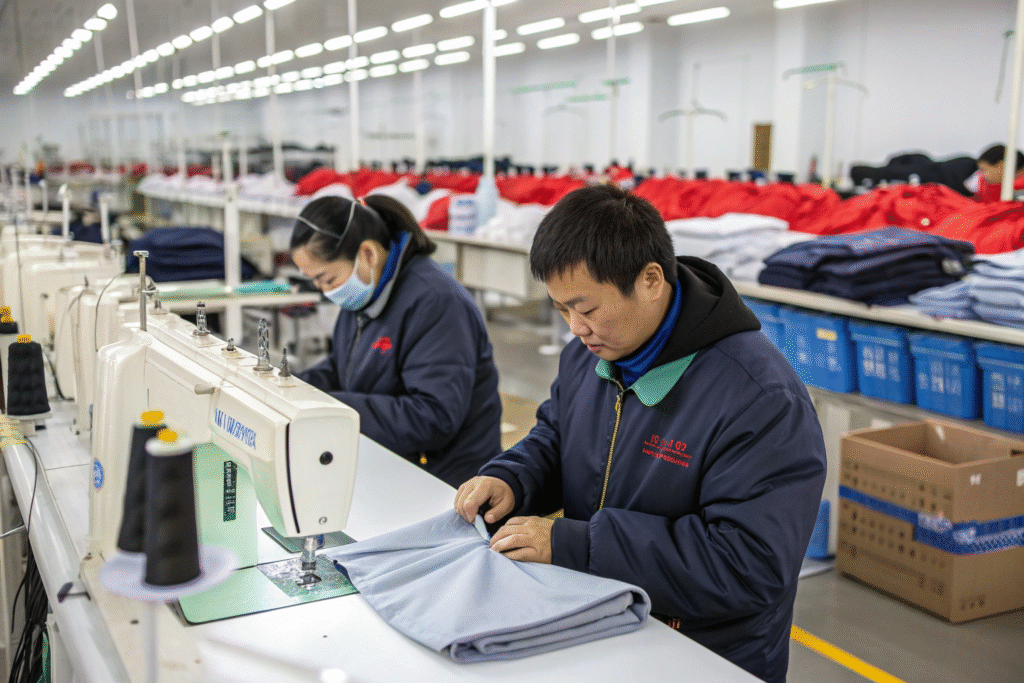
Our small-batch system uses modular manufacturing cells, quick-changeover equipment, and flexible workforce management. This allows us to maintain 85% of the efficiency we achieve with large orders, unlike typical factories that struggle below 500-piece quantities. A startup client produced their initial 75-piece collection with per-unit costs 30% lower than quotes from other factories.
How do we maintain quality with small quantities?
Our small-batch teams specialize in rapid style changes while maintaining consistent quality standards. Each operator handles multiple operations, reducing handoff points that can introduce variations. This modular approach has helped emerging brands maintain quality consistency as they scale from initial samples to full production.
What technical advantages support small batches?
We’ve invested in digital pattern systems that minimize setup time and single-ply cutters that don’t require high minimums. These technologies, typically only found in sample rooms, are integrated into our small-batch production lines. This technical capability allowed us to produce a 50-piece order of complex technical jackets that other factories declined or quoted prohibitively.
How Does Our Partnership Approach Differ?
We view our clients as long-term partners rather than transactional customers, which fundamentally changes how we approach challenges and opportunities.
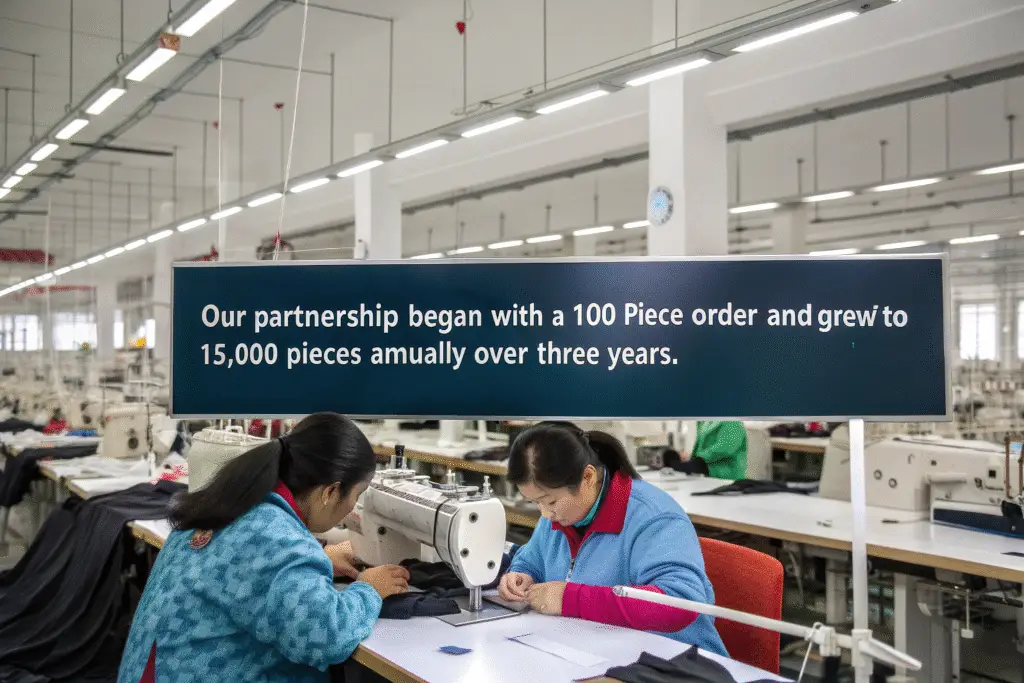
Our partnership approach includes transparent cost structures, collaborative problem-solving, and strategic planning for client growth. We’ve made short-term investments in client relationships that have yielded long-term benefits for both parties. One partnership that began with a 100-piece order has grown to 15,000 pieces annually over three years.
What does transparent costing involve?
We provide detailed cost breakdowns showing material, labor, overhead, and profit separately. This transparency helps clients understand exactly what they’re paying for and identifies potential optimization areas. Our open book approach has built trust that enables collaborative cost reduction rather than adversarial negotiation.
How do we support client growth beyond production?
We provide guidance on production planning, inventory management, and market expansion based on our experience with similar brands. This advisory role has helped clients avoid common scaling pitfalls. One brand successfully entered the European market using our DDP infrastructure and regulatory knowledge rather than building their own import capability.
What Quality Systems Set Us Apart?
Our quality philosophy focuses on prevention rather than detection, with systems designed to identify potential issues before they affect production.
We implement quality control at four stages: material inspection, in-process checks, assembly verification, and final audit. This comprehensive approach has maintained our defect rate below 2% while industry averages typically range from 5-8%.

How does our in-process inspection work?
Quality checks occur at critical points during production rather than only at the end. This allows immediate correction before multiple pieces are affected. Our in-process quality system recently identified a measurement drift early in production, preventing what would have been a 500-piece correction.
What is our defect prevention methodology?
We analyze defect patterns across all production to identify systemic issues rather than treating each defect as an isolated incident. This data-driven approach has reduced specific defect types by up to 70% through targeted process improvements and operator training.
Conclusion
The differences between factories ultimately come down to systems, expertise, and philosophy—not just price per piece. We’ve built Fumao Clothing around solving the real operational challenges that prevent brands from growing: communication gaps, logistical complexities, scaling difficulties, and quality inconsistencies.
Our investment in integrated systems, specialized capabilities, and partnership approach delivers value that extends far beyond the garments we produce. The proof is in our client retention rate of 92% year-over-year and the growth they’ve achieved through our collaboration.
If you’re looking for a manufacturing partner that offers more than just production capacity, we should talk. Contact our Business Director, Elaine, at elaine@fumaoclothing.com to discuss how our differentiators can address your specific challenges and opportunities.