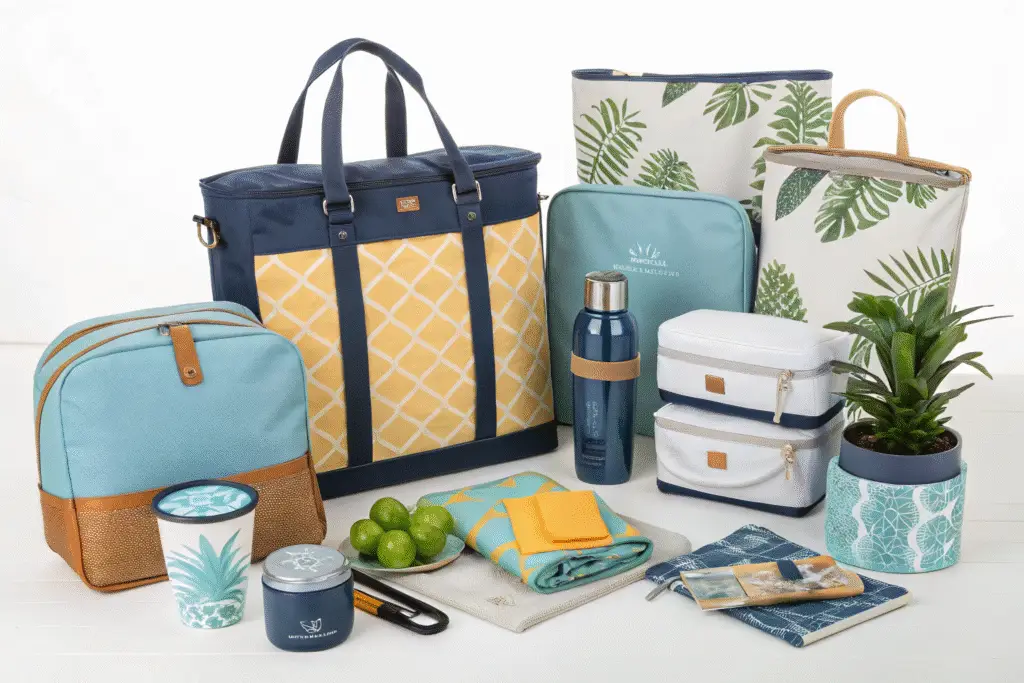
Developing a cohesive collection is one of the most challenging yet rewarding aspects of building a clothing brand. I’ve watched countless brands struggle with collections that feel disconnected or fail to tell a compelling story. The difference between a random assortment of garments and a true collection is strategic planning and disciplined execution.
A cohesive collection develops from a clear central theme, consistent design elements, complementary color stories, and thoughtful product assortment. It tells a unified visual story while offering practical mix-and-match versatility that resonates with your target customer’s lifestyle and needs.
Creating cohesion doesn’t happen by accident—it requires intentional decisions at every stage. Let me share the framework we’ve developed through years of helping brands create collections that connect with customers and drive business growth.
How To Establish A Strong Creative Foundation?
Your collection’s creative foundation is the bedrock everything else builds upon. Without this clarity, you’ll likely end up with disconnected pieces that confuse customers.
Start with a clear theme, inspiration story, and defined customer avatar. This foundation guides every subsequent decision from silhouette to fabric selection. We recently worked with a brand that developed their entire collection around the theme "Urban Explorer"—every piece reflected functionality, mobility, and urban aesthetic cohesion.

What elements should your creative brief include?
Your creative brief needs a clear theme, color direction, fabric preferences, key silhouettes, and customer profile. Include inspiration images, competitor analysis, and price point targets. We provide clients with a creative brief template that ensures all critical elements are considered before design begins.
How does customer profiling influence cohesion?
Understanding your customer’s lifestyle, values, and wardrobe needs ensures every piece serves a purpose in their life. A collection for busy professional women needs different cohesion than one for outdoor enthusiasts. We helped a brand targeting "sustainable minimalists" create a tightly edited collection where every piece worked seamlessly together in a capsule wardrobe.
What Role Does Color Story Development Play?
Color is one of the most powerful tools for creating visual cohesion. A well-developed color story connects pieces while providing variety and commercial appeal.
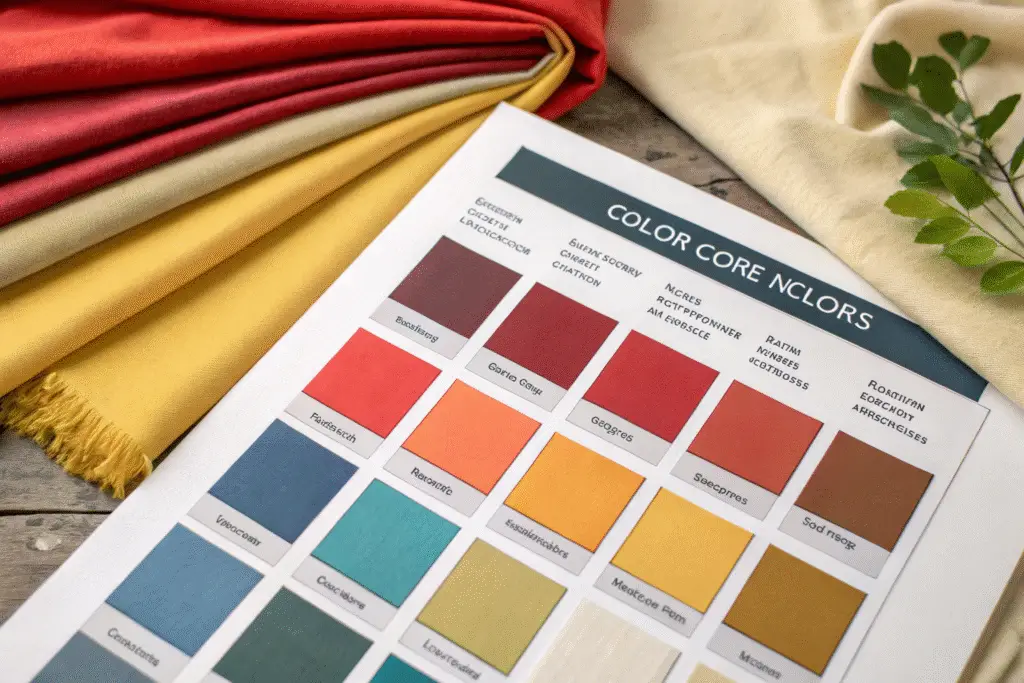
Develop a primary palette (3-4 core colors), secondary accents (2-3 complementary colors), and seasonal neutrals. Ensure colors work across different fabrics and product categories. We recently implemented a color system where each of the 6 colors worked with at least 4 others, creating endless mixing possibilities.
How to create a balanced color palette?
Include anchors (neutrals), foundations (core colors), and accents (statement colors) in proportions that reflect your brand identity. A typical balance might be 60% neutrals, 30% core colors, and 10% accents. We use color theory principles to ensure palettes are visually harmonious and commercially viable.
Why should colors work across fabric types?
The same color can look different on various fabrics due to texture and absorbency. Test your color palette on all intended fabric types before finalizing. We maintain a digital color library that shows how colors translate across different materials, preventing unpleasant surprises during production.
How To Achieve Silhouette and Proportion Harmony?
Consistent silhouettes and proportions create visual rhythm throughout your collection, making pieces feel intentionally designed to work together.
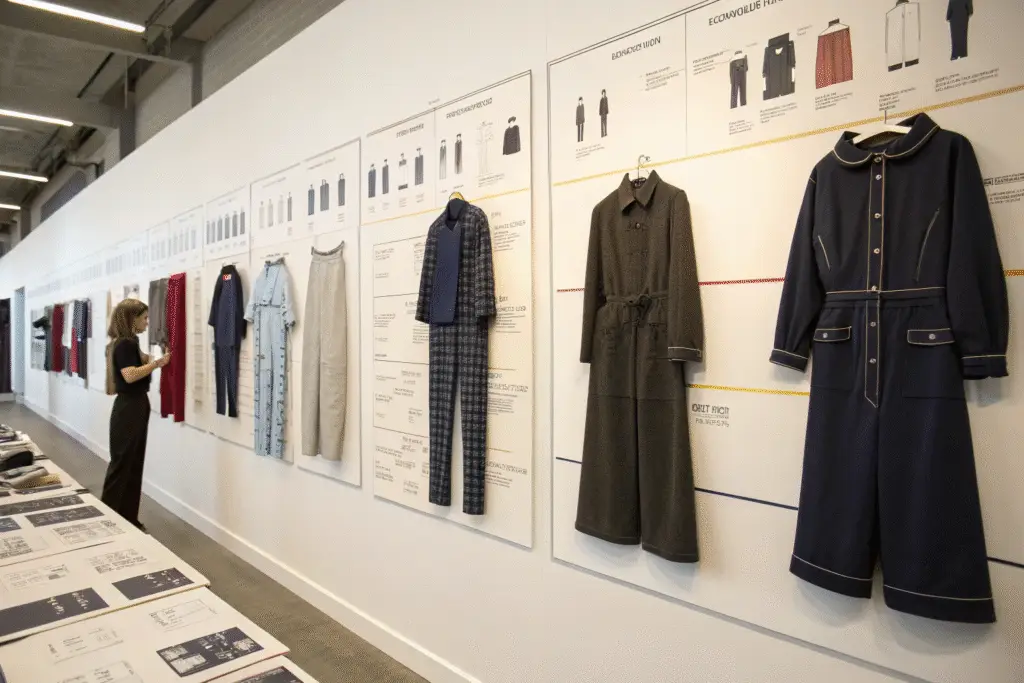
Establish signature silhouettes that reflect your brand identity and ensure new styles complement rather than compete with each other. We helped a brand known for "effortless elegance" maintain consistent ease through their collection by using similar amounts of wearing ease across different garment types.
What are key silhouette relationships to consider?
Consider how tops relate to bottoms, outerwear complements underlying layers, and dresses maintain brand proportions. Establish rules for elements like shoulder widths, body lengths, and sleeve proportions that create family resemblance. Our technical team uses proportion guidelines to ensure new designs align with established brand proportions.
How does fit consistency impact cohesion?
Consistent fit across your collection builds customer trust and makes mixing pieces intuitive. A customer who knows their size in your brand should find consistent fit across different styles. We implement grading rules that maintain proportional relationships across sizes, ensuring cohesive fit throughout the collection.
What Fabric and Texture Strategies Build Cohesion?
Thoughtful fabric selection creates tactile harmony while supporting your collection’s aesthetic and functional requirements.
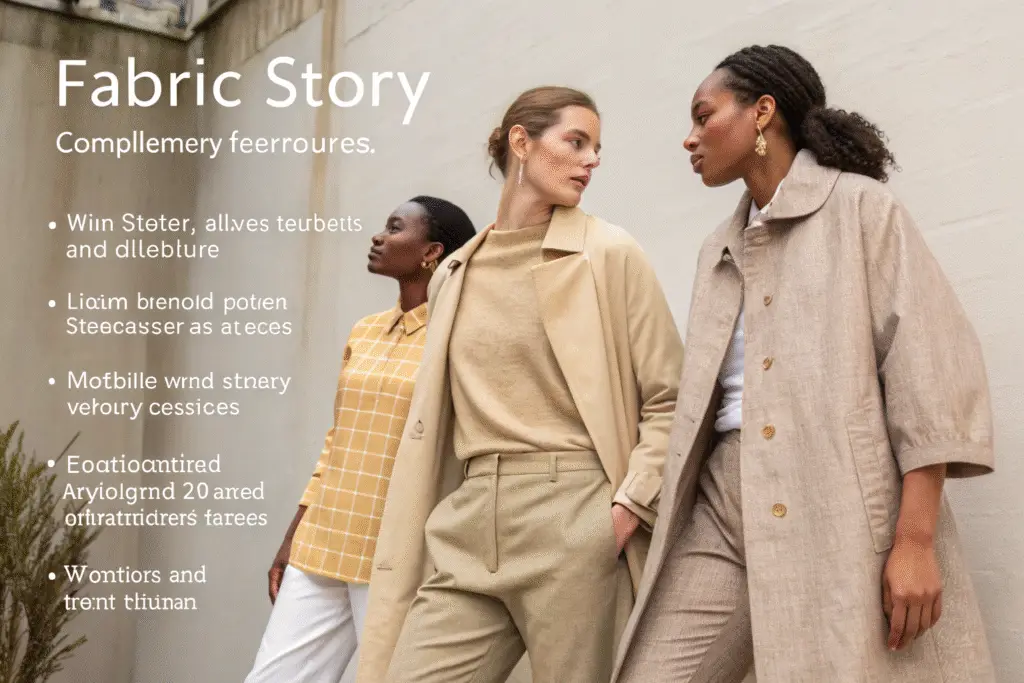
Develop a fabric story with complementary textures, weights, and performance characteristics. Ensure fabrics work together in outfits and reflect your price positioning. We recently created a "textural naturals" story for a brand using linen, cotton canvas, and wool blends that felt cohesive yet interesting.
How to create fabric relationships?
Choose fabrics with complementary weights, drapes, and care requirements that can be worn together. A heavy denim pairs well with lightweight jersey, while delicate silk requires similar delicate companions. Our fabric pairing strategies help clients create harmonious material combinations.
Why should fabric performance be consistent?
Fabrics with similar care requirements, durability, and performance characteristics create better customer experiences. Mixing delicate hand-wash-only fabrics with machine-washable staples creates practical dissonance. We guide clients toward performance-coherent fabric selections that support lifestyle cohesion.
How To Plan Product Assortment for Commercial Success?
A cohesive collection must also be commercially viable, with the right balance of hero pieces, basics, and price points.
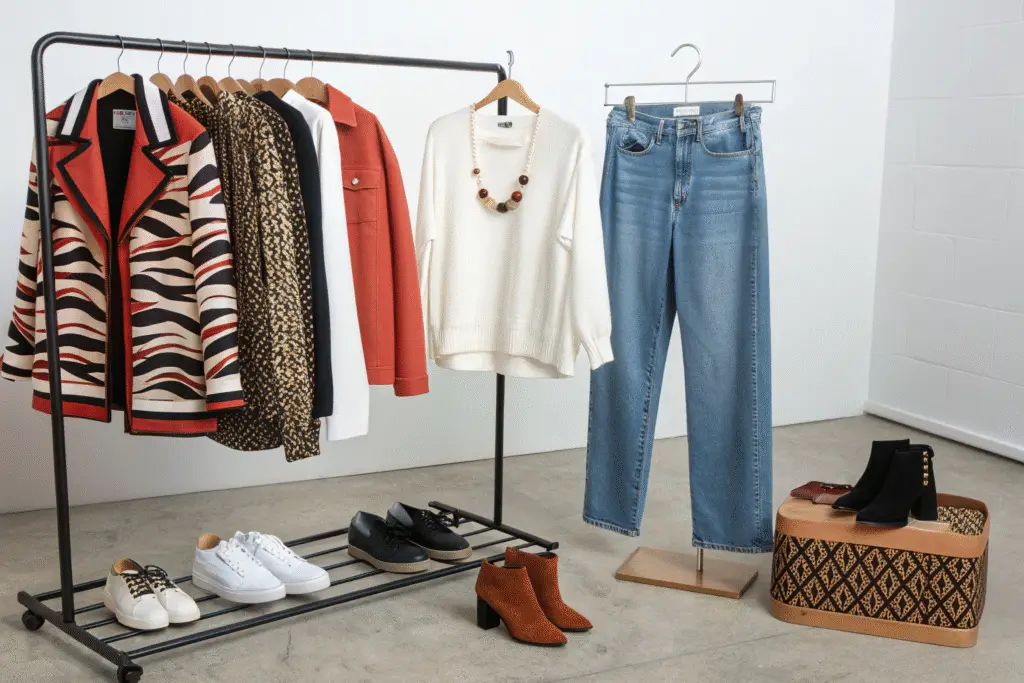
Develop a strategic mix of statement pieces, core items, and transitional styles that serve different needs within your customer’s wardrobe. Consider price architecture, volume expectations, and production feasibility during planning.
| Product Tier | Percentage of Collection | Role in Collection | Price Positioning |
|---|---|---|---|
| Hero Pieces | 15-20% | Generate excitement and brand identity | Premium |
| Seasonal Core | 40-50% | Drive volume and trend relevance | Mid-range |
| Carryover Basics | 30-40% | Ensure wardrobe foundation | Accessible |
What is the ideal product category balance?
Balance your collection across categories that reflect how your customer dresses. A typical ready-to-wear collection might include 40% tops, 30% bottoms, 20% dresses, and 10% outerwear, adjusted for your specific market. We use assortment planning tools to help clients achieve balanced collections.
How to price your collection cohesively?
Develop price architecture that reflects value perception while maintaining accessibility across the collection. Ensure pricing tells a logical story—a $200 jacket shouldn’t be paired with $20 pants in the same outfit story. Our pricing strategy framework helps clients establish coherent price points across their collection.
How To Maintain Design Element Consistency?
Consistent design details create visual harmony and strengthen brand recognition throughout your collection.
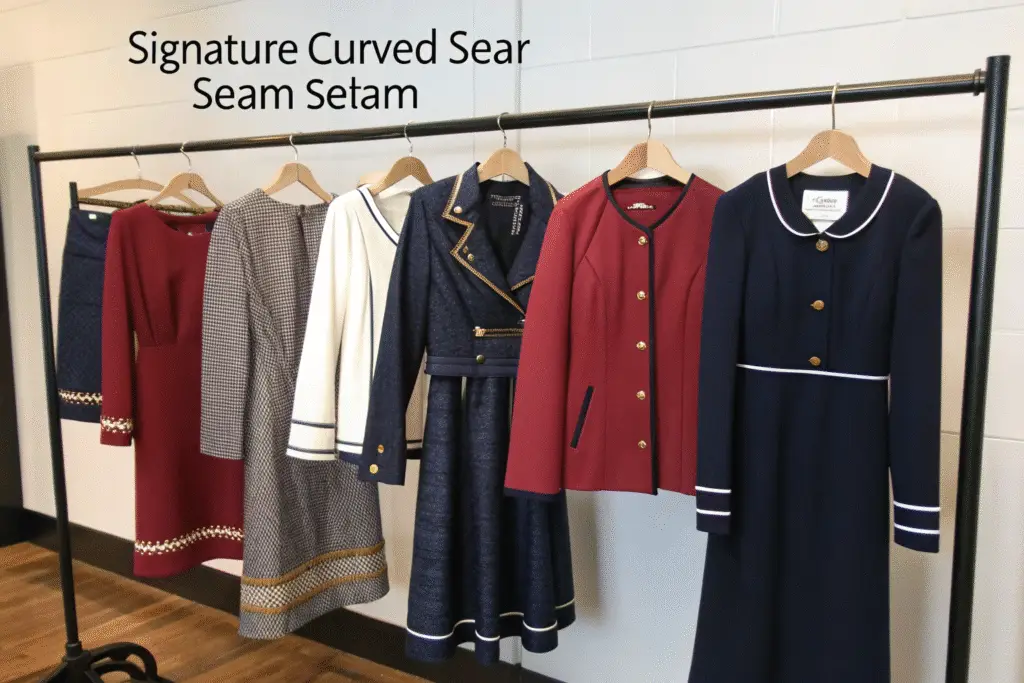
Establish signature details, trim treatments, and construction elements that appear across multiple pieces. This repetition creates family resemblance without sacrificing individuality. We helped a brand develop a signature curved seam detail that appeared in different interpretations across their collection.
What design elements create cohesion?
Consistent button styles, pocket treatments, seam finishes, and label placements create subtle connections between pieces. Even something as simple as using the same thread color throughout can enhance cohesion. We maintain a design element library for each brand to ensure consistency across seasons.
How to balance consistency with variety?
Use a "same but different" approach where core elements remain consistent while secondary features vary. For example, maintain consistent collar styles while varying sleeve treatments. This approach satisfies customers’ desire for both reliability and novelty in your collection.
Conclusion
Developing a cohesive collection requires equal parts creative vision and strategic discipline. The most successful collections tell a compelling story while offering practical versatility that fits seamlessly into your customers’ lives.
Remember that cohesion isn’t about sameness—it’s about creating intentional relationships between pieces that enhance their individual and collective value. This strategic approach transforms separate garments into a true collection that customers understand and desire as a whole.
If you’re developing your next collection and want guidance on creating cohesion that resonates with your market, we can help. At Fumao Clothing, we specialize in helping brands develop strategically cohesive collections that balance creative vision with commercial reality. Contact our Business Director, Elaine, at elaine@fumaoclothing.com to discuss your collection development goals.