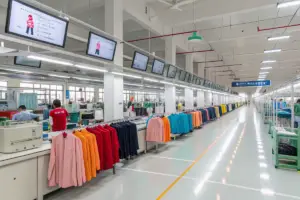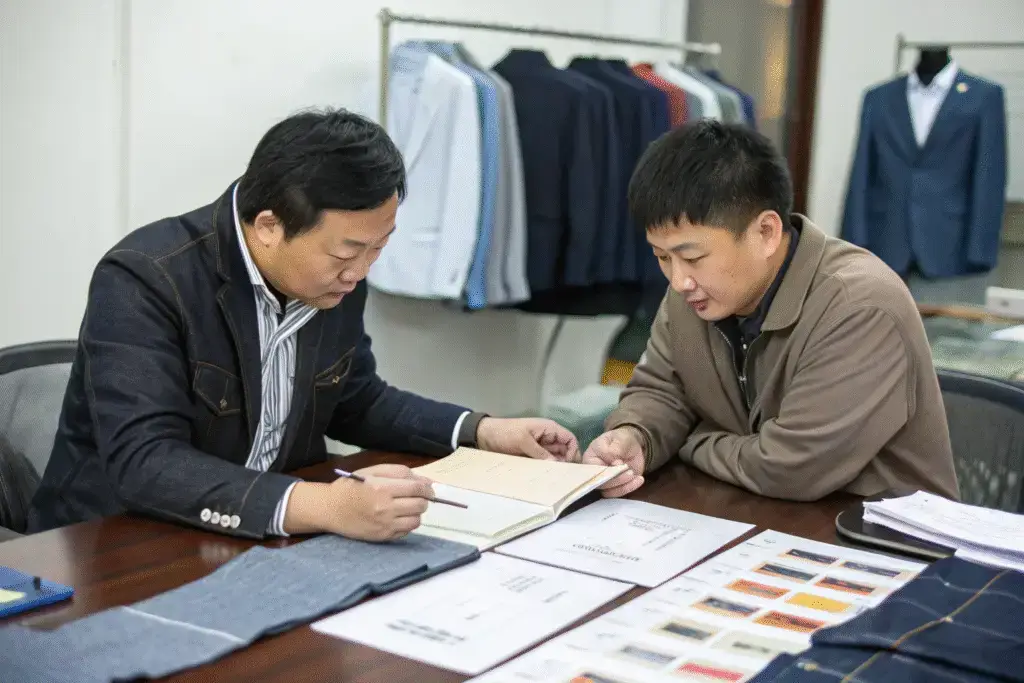
Choosing the wrong clothing manufacturer can cost you time, money, and potentially your business. I’ve seen brands make costly mistakes because they didn’t ask the right questions upfront. The manufacturer relationship is one of the most critical partnerships your brand will establish.
You should ask clothing manufacturers about their minimum order quantities, production capabilities, quality control processes, communication systems, and experience with your specific product type. These questions reveal whether they can meet your technical requirements and align with your business values and growth plans.
Asking strategic questions helps you avoid surprises and build a foundation for a successful partnership. Let me share the essential questions we recommend based on years of helping brands find the right manufacturing fit.
What Are Your Production Capabilities and Limitations?
Understanding a manufacturer’s capabilities prevents mismatched expectations. You need to know not just what they can do, but what they do exceptionally well.
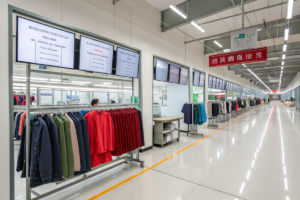
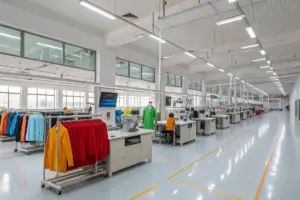
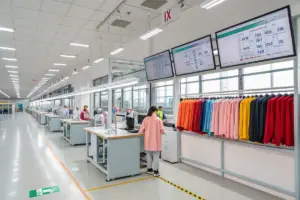
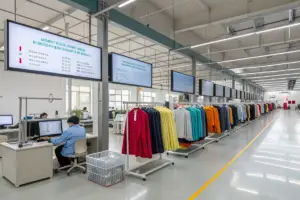
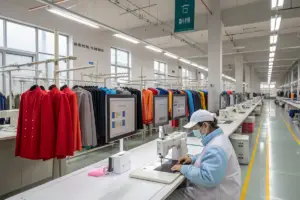
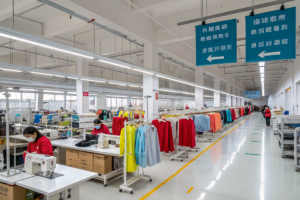
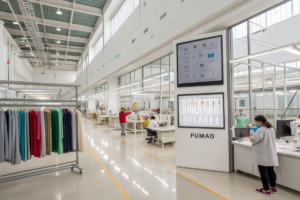
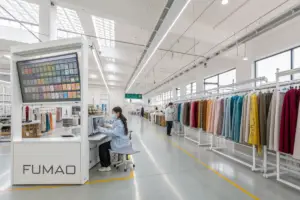
Ask about their specialized equipment, workforce skills, production capacity, and typical order sizes. This reveals whether they’re equipped to handle your specific product type and volume. We’re transparent about our five production lines specializing in knitwear, woven shirts, outerwear, and children’s wear—this clarity helps brands choose the right partner from the start.
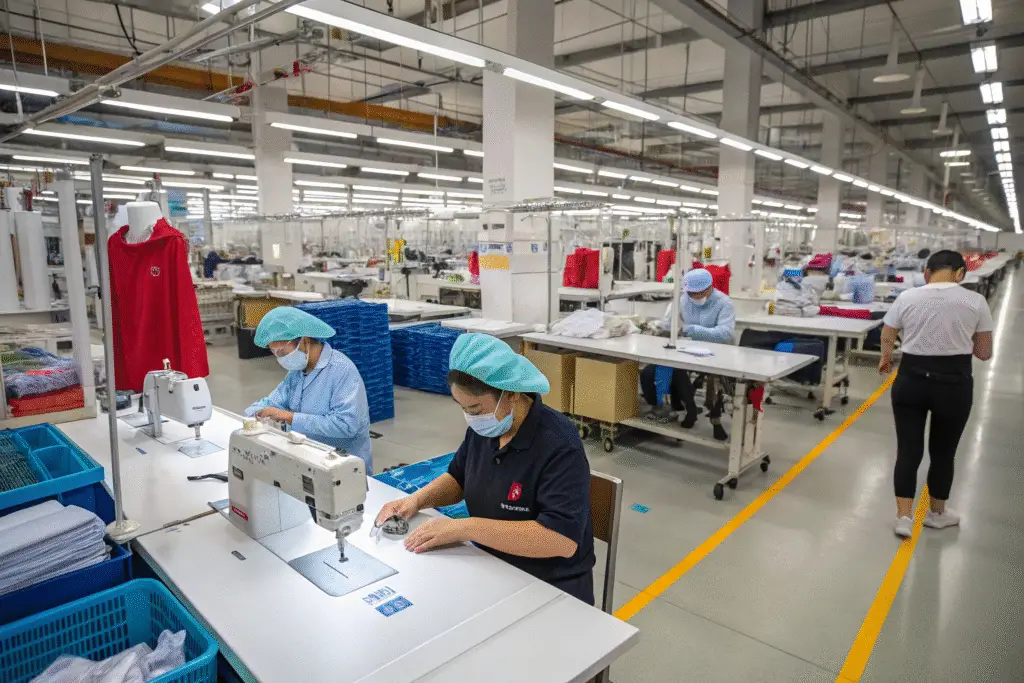
What specific equipment do you have for my product type?
The answer reveals their specialization and investment in relevant technology. For knitwear, ask about specialized knitting machines and stitch capabilities. For denim, inquire about laser finishing and washing facilities. We recently helped a technical outerwear brand that specifically needed heat sealing equipment—by asking this question upfront, they avoided manufacturers lacking this capability.
What is your monthly production capacity and current utilization?
This indicates whether they can handle your volume and how quickly they can scale. A manufacturer at 90% capacity might struggle with rush orders, while one at 50% capacity may have more flexibility. Understanding their capacity planning approach helps you assess reliability during peak seasons.
How Do You Handle Quality Control and Compliance?
Quality issues can destroy a brand’s reputation. Understanding a manufacturer’s quality systems is non-negotiable, especially for startups that can’t afford product recalls or customer returns.
Ask about their quality control checkpoints, defect rates, compliance certifications, and testing protocols. Look for systematic approaches rather than ad-hoc checking. We implement a four-stage quality control process that catches issues at material inspection, during production, after assembly, and before shipping.
| Quality Stage | Checkpoints | Responsibility |
|---|---|---|
| Raw Material | Fabric defects, shrinkage, color fastness | QC Team |
| In-Process | Stitching, measurements, construction | Line Supervisors |
| Pre-Assembly | Component alignment, trim application | QC Team |
| Final Inspection | Overall quality, packaging, labeling | Senior Inspectors |
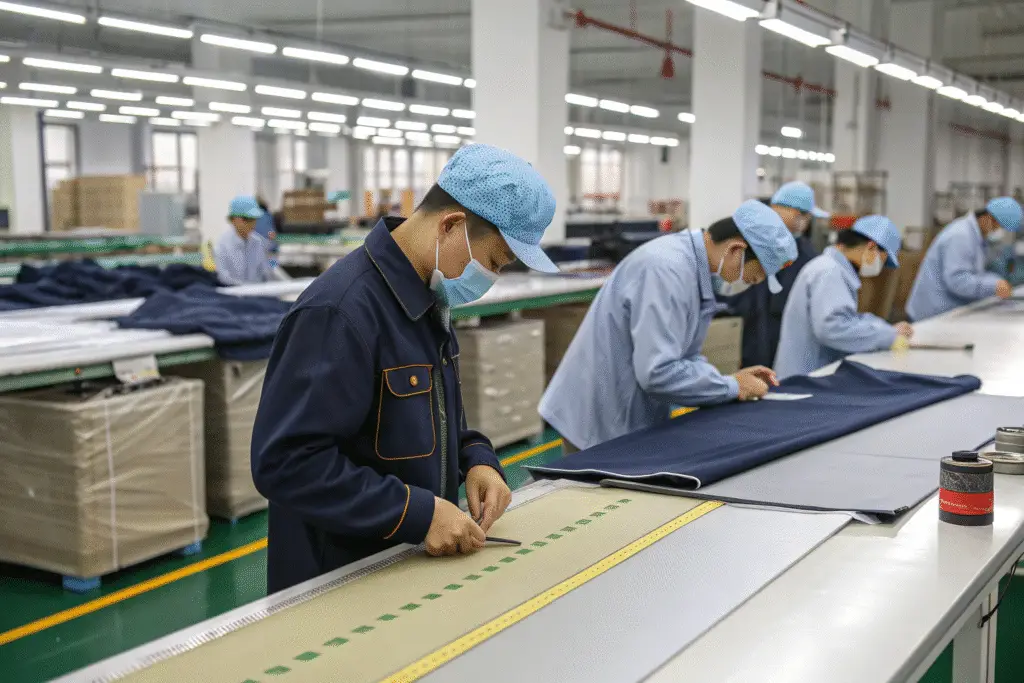
What is your standard AQL (Acceptable Quality Level) and defect rate?
The AQL specifies the maximum acceptable defect percentage. Most reputable manufacturers follow AQL standards of 2.5 for normal inspection. Our defect rate averages 1.8%, which we achieve through preventive quality measures rather than just final inspection. A activewear brand chose us specifically because we could demonstrate consistent sub-2% defect rates across multiple production runs.
What compliance certifications do you hold for my target markets?
Different markets require different certifications—CPSC for the US, CE marking for Europe, AS/NZS for Australia. Verify they have relevant safety certifications for your products and markets. We maintain comprehensive certification documentation that we share with clients during the evaluation process.
What Are Your Communication and Project Management Systems?
Poor communication causes more production problems than technical issues. You need clear systems for updates, problem-solving, and decision-making throughout production.
Ask about primary contacts, response times, update frequency, and escalation procedures. Look for manufacturers who assign dedicated project managers rather than generic customer service. Each of our clients works with a named project manager who understands their specific requirements and preferences.
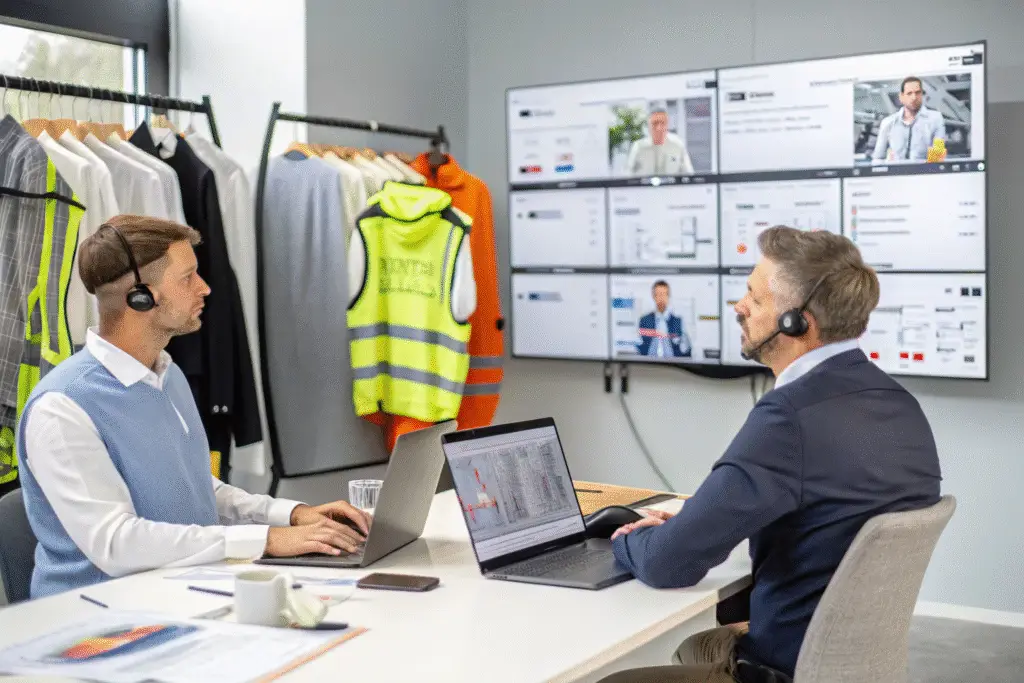
How often will I receive production updates and in what format?
Regular, structured updates prevent surprises. We provide weekly production reports with photos, plus immediate alerts for any issues. Some manufacturers offer client portals with real-time order tracking—this transparency has been particularly valued by our overseas clients.
What is your process for addressing production issues or delays?
The answer reveals their problem-solving approach and transparency. Look for manufacturers with clear escalation protocols rather than reactive approaches. Our formal escalation process ensures management involvement when delays exceed 48 hours, which recently helped a client navigate a fabric delay without missing their delivery window.
What Are Your Pricing and Payment Terms?
Understanding the complete cost structure prevents budget surprises. The cheapest initial quote often becomes expensive when hidden costs emerge.
Ask for detailed cost breakdowns, payment schedules, and policies regarding samples, revisions, and unexpected expenses. Transparent manufacturers provide itemized quotes showing material, labor, overhead, and profit separately.
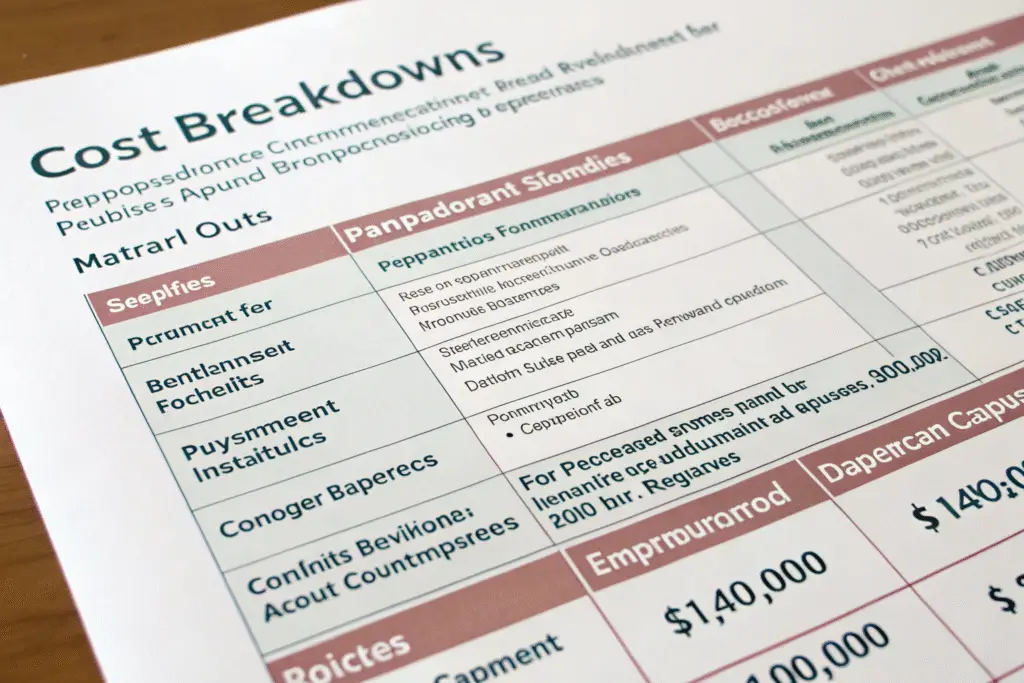
Can you provide a detailed breakdown of all costs?
A comprehensive breakdown should include materials, labor, trims, packaging, shipping, duties, and any additional fees. We provide transparent costing that helps clients understand exactly what they’re paying for, which has built trust with budget-conscious startups.
What payment terms do you offer for first-time clients?
Standard terms typically include a deposit with order confirmation, progress payment, and balance before shipment. We offer flexible terms for established brands while maintaining reasonable protection for new relationships. Understanding payment structures helps you plan your cash flow effectively.
What Is Your Experience With My Specific Product Type?
Manufacturers often have specialties they excel in and categories they should avoid. Matching your product to their expertise significantly impacts quality and efficiency.
Ask for examples of similar products they’ve manufactured, client references, and their development process for new items. We share case studies and client testimonials (with permission) that demonstrate our experience across different apparel categories.
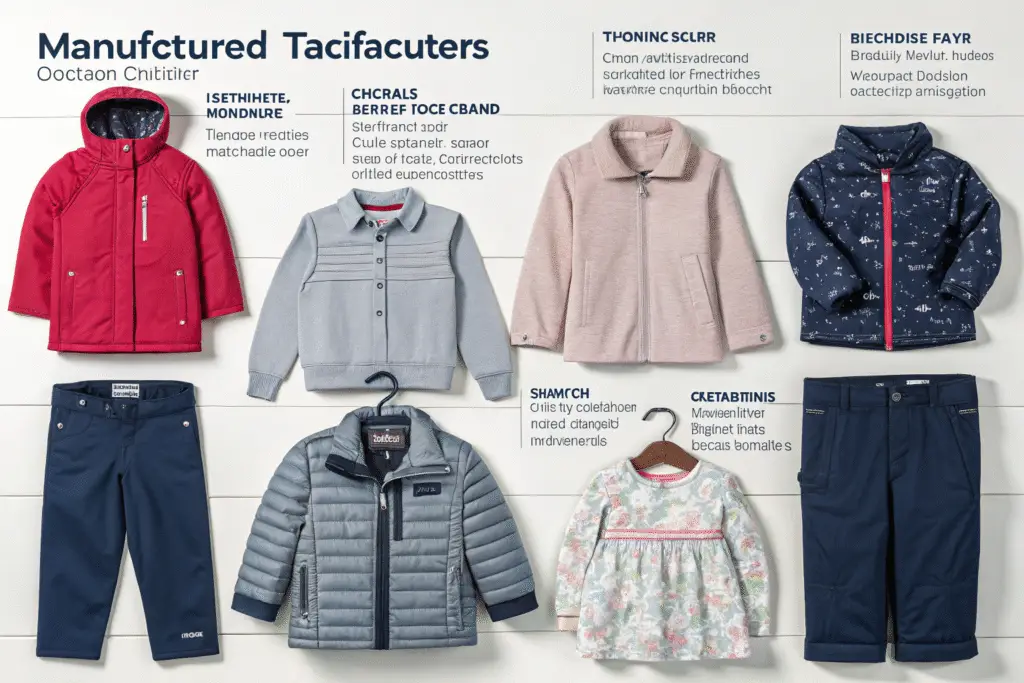
Seeing actual products demonstrates their capability better than claims. We maintain a sample library showing different construction techniques and finishes. A luxury knitwear brand specifically requested to see our sweater manufacturing examples before proceeding, which demonstrated our specialized capability.
What is your product development process for new clients?
The answer reveals their approach to onboarding and guiding new brands. Look for structured processes rather than ad-hoc approaches. Our 5-step development process has helped numerous first-time brands navigate their initial production successfully by providing clear milestones and expectations.
How Do You Handle Logistics and Shipping?
Logistics complexities can derail even well-managed production. Understanding a manufacturer’s shipping experience and partnerships ensures your products reach you efficiently.
Ask about their freight forwarder relationships, shipping options, experience with your destination country, and insurance coverage. We’ve developed preferred partnerships with logistics providers specializing in apparel shipping to different global markets.

What shipping methods do you offer and what are the lead times?
Understanding options from air freight to sea freight helps you balance cost and speed. We provide clients with a shipping comparison showing transit times, costs, and reliability for different methods. This transparency helped a startup choose the optimal shipping method for their launch timeline.
What is your experience with customs clearance in my country?
Country-specific expertise prevents customs delays. We maintain documentation templates and broker relationships for all our major markets. Our experience with US customs compliance recently prevented a client’s shipment from being held for incorrect labeling.
Conclusion
Asking comprehensive questions before selecting a manufacturer protects your investment and establishes a foundation for a successful partnership. The right manufacturer will answer transparently and appreciate your thorough approach.
Remember that you’re not just buying a service—you’re establishing a partnership that will significantly impact your brand’s success. The time invested in careful evaluation pays dividends throughout your business relationship.
If you’re evaluating manufacturers and want transparent answers to these critical questions, we welcome your inquiry. At Fumao Clothing, we believe informed clients make the best partners. Contact our Business Director, Elaine, at elaine@fumaoclothing.com for straightforward answers about our capabilities and approach.