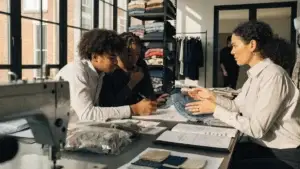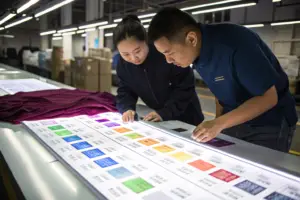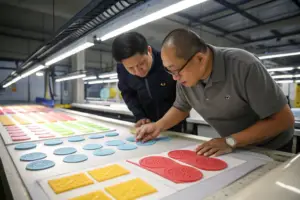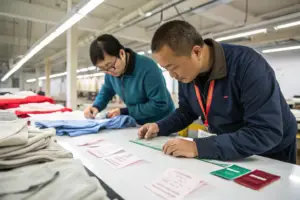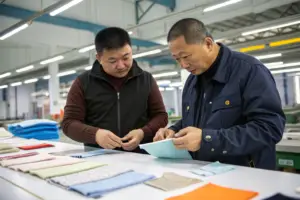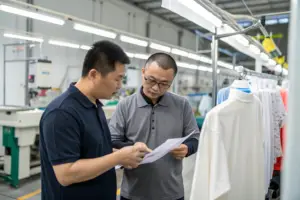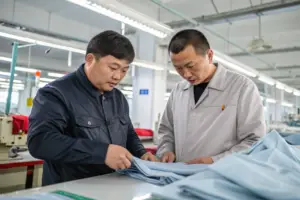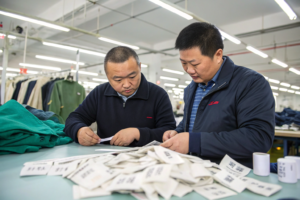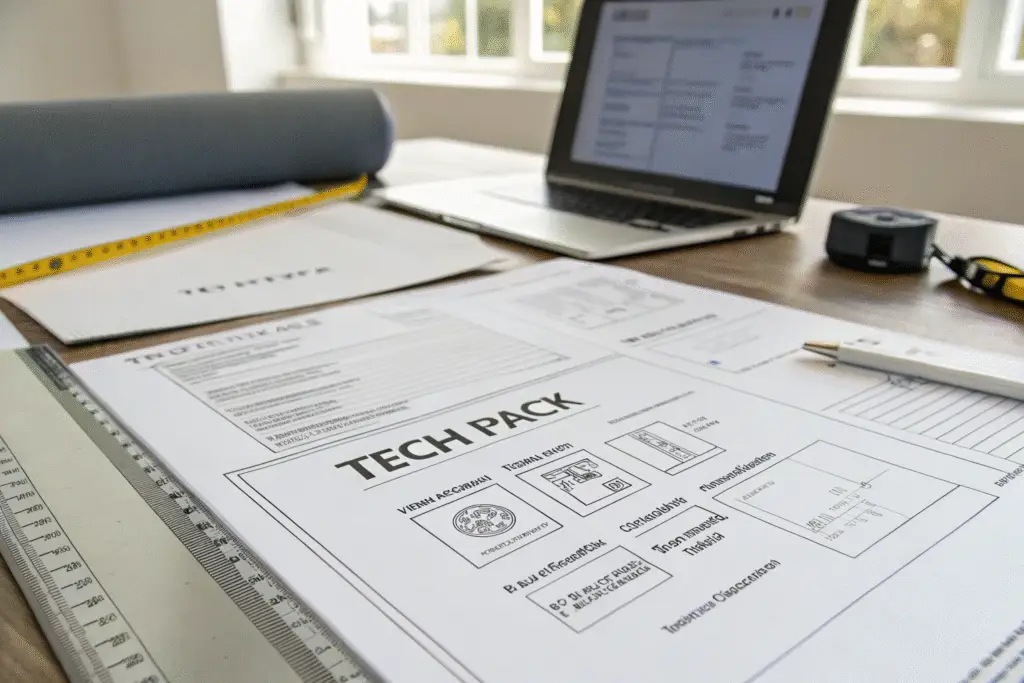
Creating a tech pack without a designer seems daunting, but I've helped countless startups and small brands do it successfully. Many believe they need expensive design expertise to create professional tech packs, but with the right approach, you can create comprehensive tech packs that manufacturers can work with effectively.
You can create a complete tech pack without a designer by using templates, detailed measurement specifications, clear material descriptions, and precise construction notes. The key is providing enough visual and technical information that your manufacturer understands exactly what you want to produce.
A tech pack is essentially a communication tool between you and your manufacturer. While designers bring specialized skills, you can compensate with thoroughness and clarity. Let me show you the step-by-step approach we recommend to our clients who don't have design resources.
What Essential Components Must Your Tech Pack Include?
A basic tech pack requires several key components that provide complete production instructions. Missing any of these elements will lead to confusion and sampling errors.
Your tech pack must include technical sketches, detailed measurements, materials list, construction details, and branding/logo placement. Even without design training, you can assemble these components using available tools and templates. We provide all new clients with a basic tech pack template that guides them through what information we need.
How to create technical sketches without design skills?
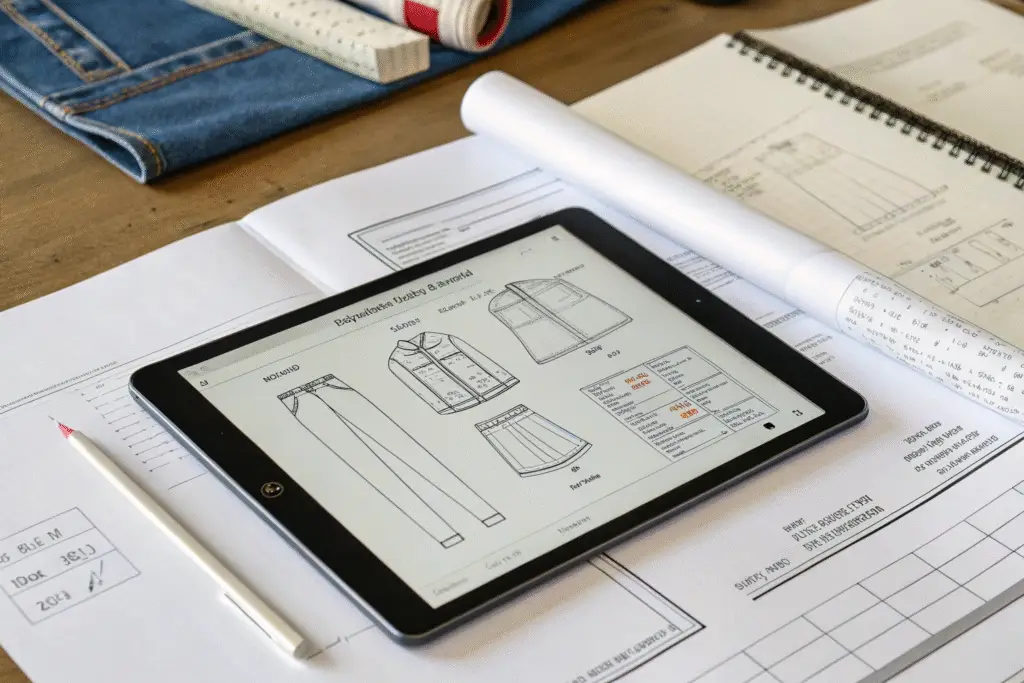
You don't need advanced drawing skills to create usable technical sketches. Use basic flat sketch templates available online as your starting point. Trace over photographs of existing garments that match your vision. Use simple line drawings showing front, back, and side views. Digital tools like Canva or even PowerPoint can create clean, professional-looking sketches. We recently helped a client who used traced images from existing garments combined with handwritten notes to create perfectly functional sketches.
What measurement specifications are absolutely necessary?
Include key body measurements and garment measurements for each size. Essential measurements include chest/bust, waist, hip, length, sleeve length, and shoulder width. Provide a complete measurement chart with clear points of measurement. Use existing garments you like as reference—measure them carefully and note the dimensions. One of our most successful startup clients began by sending us their favorite well-fitting garments with detailed measurement notes, which we translated into professional specs.
How Can Templates Simplify Tech Pack Creation?
Templates provide structure and ensure you don't miss critical information. They're particularly valuable when you're creating tech packs without design experience.
Good templates prompt you for all necessary information in an organized format. They include placeholder sections for sketches, measurements, materials, and construction details. We've developed simplified templates specifically for non-designers that focus on clarity over design sophistication.

Where to find reliable tech pack templates?
Many manufacturers (including ours) provide basic templates to their clients. Online platforms like Techpacker offer free templates, while organizations like SCORE provide small business templates. We recommend starting with simple spreadsheet-based templates then progressing to more detailed formats as you gain experience. One client successfully used our basic template for their first five products before upgrading to more sophisticated formats.
How to adapt templates for your specific needs?
Customize templates by adding sections for your specific requirements and removing irrelevant elements. Focus on making the template work for your product type—a t-shirt needs different information than technical outerwear. We help clients modify templates based on their product category, ensuring they capture all necessary details without overwhelming complexity.
What Reference Materials Help Communicate Your Vision?
When you can't create professional drawings, reference materials become crucial for conveying your design intent. The right references can effectively substitute for design expertise.
Collect photographs, existing garments, fabric swatches, and detailed notes about what you like and dislike in similar products. Create a "vision board" that shows the overall aesthetic you're trying to achieve. Digital tools like Pinterest can help organize visual references.
| Reference Type | How to Use | Effectiveness |
|---|---|---|
| Photographs | Show overall style, details, fit | High - provides clear visual guidance |
| Existing Garments | Reference for fit, construction, feel | Very High - tangible reference |
| Fabric Swatches | Communicate material handfeel, weight | Essential - cannot be substituted |
| Competitor Products | Show what you like/dislike | High - provides market context |

How to use existing garments as references?
Purchase similar garments from the market that approximate your vision. Mark them up with notes about what you want to change. Take detailed photographs from all angles. Measure them thoroughly and note the measurements in your tech pack. One client sent us three different competitor products with sticky notes indicating what elements they wanted from each, which gave us a perfect understanding of their vision.
What photographic references work best?
Use clear, well-lit photographs showing garments flat and on a person. Include close-ups of important details like stitching, buttons, zippers, and labels. Flat lay photography provides the clearest view of garment construction. We've successfully produced entire collections for clients who provided only photographic references combined with detailed written descriptions of desired modifications.
How to Specify Materials and Construction Details?
Clear material and construction specifications are perhaps the most critical element when working without design expertise. These details determine how your garment will look, feel, and perform.
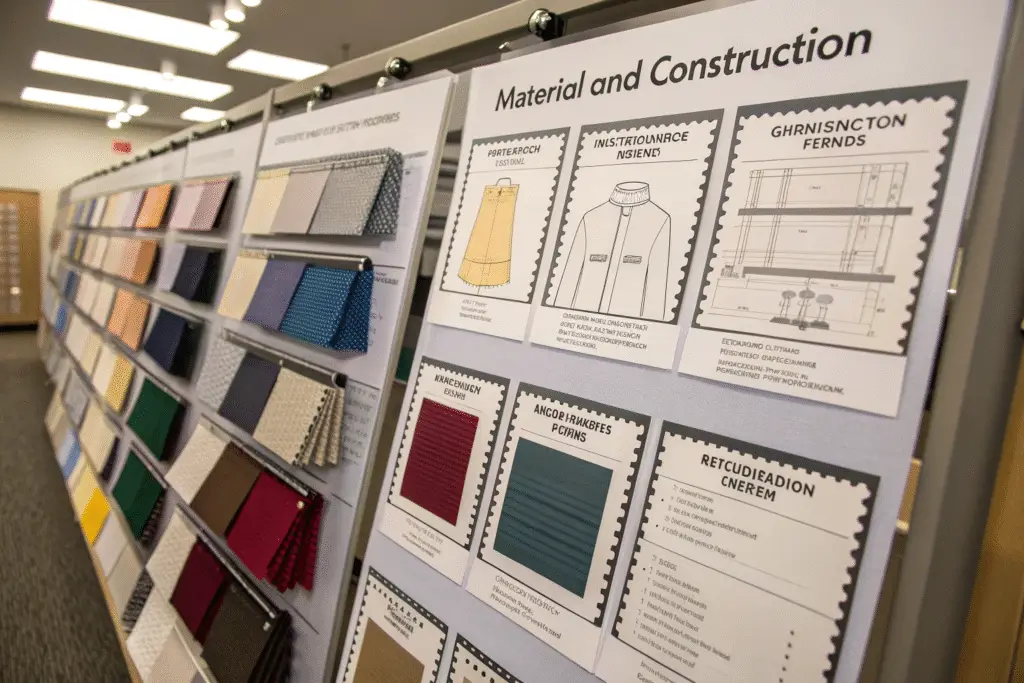
Be specific about fabric composition, weight, stretch properties, and handfeel. For construction, describe seam types, stitch density, reinforcement points, and finishing details. Use simple language and reference common industry terms that your manufacturer will understand.
How to describe fabrics without technical knowledge?
Use simple descriptive terms like "soft t-shirt fabric," "stretchy athletic material," or "crisp woven shirt fabric." Reference common fabric names like jersey, denim, or twill. Better yet, send physical fabric swatches to your manufacturer. We maintain a fabric library that clients can reference when describing their material preferences, which has significantly improved communication accuracy.
What construction details must be included?
Specify seam types (flatlock, overlock, french seam), stitch types (straight, zigzag, coverstitch), and reinforcement points (bar tacks, rivets). Note any special construction features like linings, interfacings, or specific finishing techniques. We provide clients with a construction glossary that explains common terms with visual examples, enabling clear communication even without technical background.
What Tools Can Non-Designers Use Effectively?
Several accessible tools can help you create professional-looking tech packs without design training. The key is choosing tools that match your technical comfort level.
Spreadsheet programs like Excel or Google Sheets work well for measurement charts and materials lists. Basic design tools like Canva or even PowerPoint can handle sketches and layout. For more advanced needs, consider user-friendly specialized software with free tiers.

What free software options work for beginners?
Google Sheets combined with Google Drawings provides a completely free solution. Canva offers design templates that can be adapted for tech packs. Figma provides free design tools that work for technical sketches. We've seen clients create surprisingly professional tech packs using only these free tools, supplemented with clear digital photographs.
How to use manufacturer resources effectively?
Leverage your manufacturer's expertise by asking for templates, glossaries, and examples. Most quality manufacturers will provide guidance to help you create effective tech packs. We offer clients a tech pack review service where we provide feedback on their drafts before production begins, catching missing information and clarifying ambiguities.
How to Communicate Effectively With Your Manufacturer?
Clear communication compensates for many technical shortcomings in your tech pack. Establish open dialogue with your manufacturer and be responsive to their questions.
Provide context about your brand, target customer, and price point. Be available to clarify ambiguities quickly. View your manufacturer as a partner in the process rather than just a service provider. This collaborative approach yields better results.

What questions should you anticipate from manufacturers?
Expect questions about measurement tolerances, material substitutions, construction alternatives, and branding details. Prepare by thinking through these aspects in advance. We typically ask clients about fit preferences (slim, regular, loose), quality priorities, and budget constraints to better interpret their tech pack requirements.
How to establish productive feedback loops?
Schedule regular check-ins during the tech pack development process. Share drafts early and incorporate feedback. Use simple visual markers like arrows, circles, and text annotations to highlight important details. One client used screen sharing sessions where we reviewed their tech pack together in real-time, dramatically improving the final document's clarity.
Conclusion
Creating a tech pack without a designer is completely achievable with careful attention to detail, good templates, clear references, and open communication with your manufacturer. The goal isn't creating a perfectly designed document but rather providing complete, unambiguous production instructions.
Remember that your manufacturer wants you to succeed—we're motivated to help you create effective tech packs that enable us to produce exactly what you envision. The extra effort you put into creating a comprehensive tech pack pays dividends in smoother production, better samples, and fewer costly revisions.
If you're struggling to create a tech pack without design resources, we can help. At Fumao Clothing, we guide clients through the process and provide templates and examples that simplify tech pack creation. Contact our Business Director, Elaine, at elaine@fumaoclothing.com for assistance with your first tech pack.