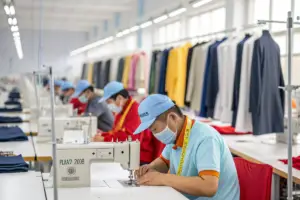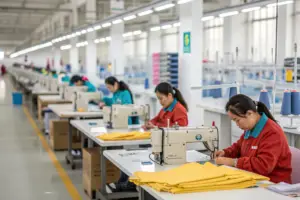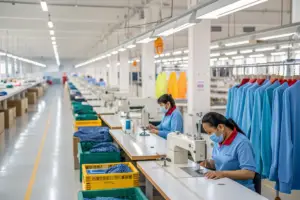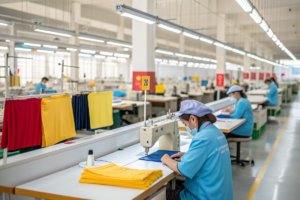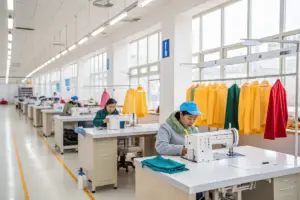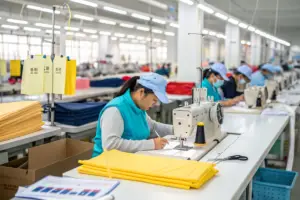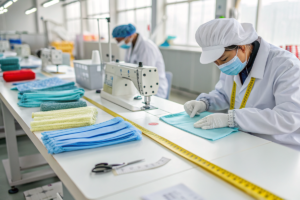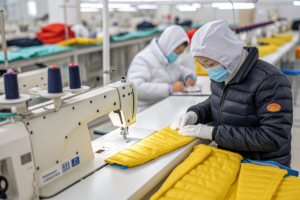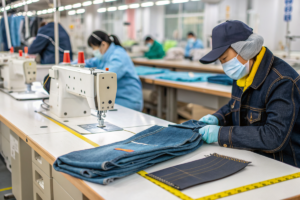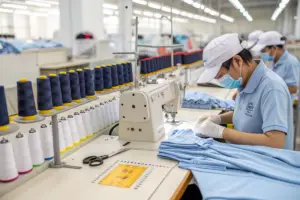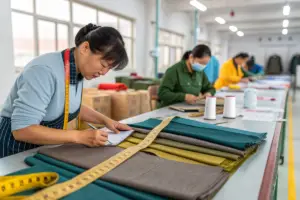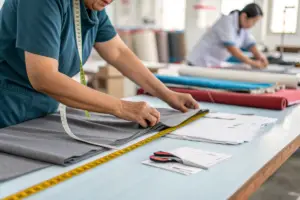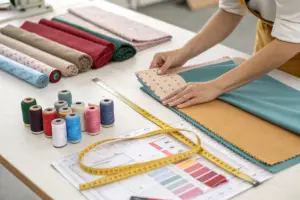
On-time delivery is the biggest concern for apparel brands working with overseas manufacturers. I've seen too many brands miss their selling seasons because of factory delays. At Fumao Clothing, we treat delivery deadlines as promises that must be kept, not as flexible targets.
Fumao Clothing ensures on-time delivery through integrated production planning, strategic raw material management, transparent communication systems, and contingency planning. Our 96.7% on-time delivery rate stems from treating timeline management as a core competency rather than an afterthought.
The fashion business runs on deadlines. A delayed shipment doesn't just mean late products—it means missed marketing campaigns, empty shelves, and disappointed customers. Here's how we've built a system that delivers reliability.
What Production Planning Systems Do We Use?
Production planning starts the moment we receive your order, not when production begins. We use a multi-layered planning approach that coordinates every department and process.
Our Enterprise Resource Planning (ERP) system integrates with specialized production management software to create a real-time view of every order's status. This digital backbone allows us to identify potential bottlenecks before they cause delays. Last month, our system flagged a potential capacity issue three weeks in advance, allowing us to adjust schedules and still deliver early for a New York-based client.
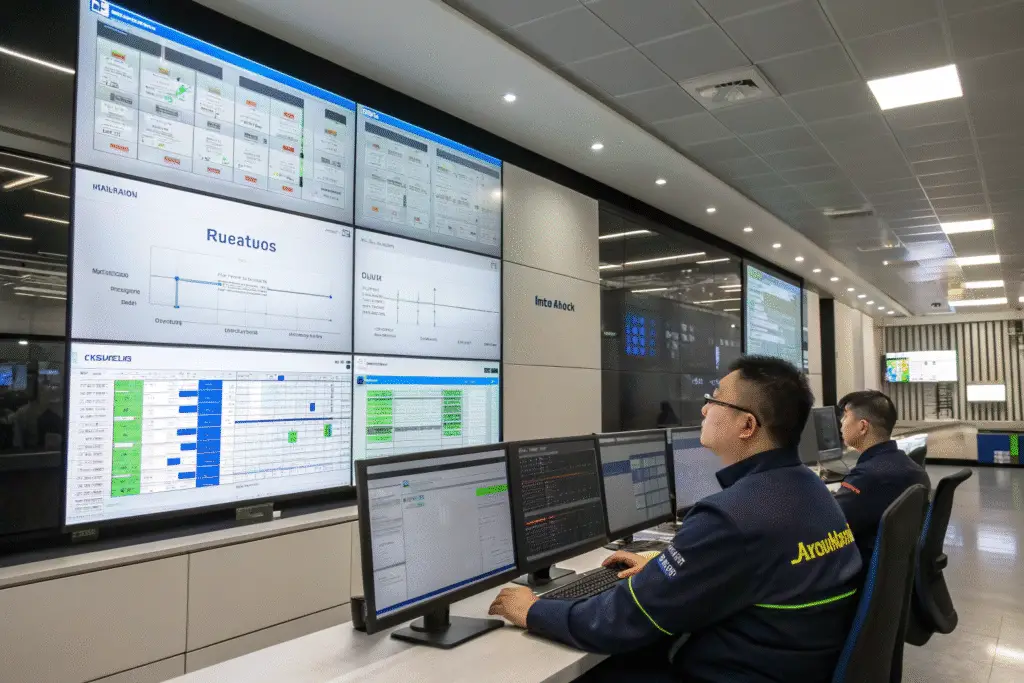
How does our ERP system prevent delays?
Our ERP system provides end-to-end visibility from raw material arrival to finished goods shipment. It automatically alerts our planning team when any process falls behind schedule, allowing immediate intervention. The system tracks production efficiency metrics in real-time, comparing actual progress against planned timelines. We've reduced planning-related delays by 42% since fully implementing this system two years ago.
What is our capacity planning methodology?
We maintain a 15% capacity buffer specifically for rush orders and unexpected complexities. Our capacity planning involves seasonal forecasting, historical data analysis, and regular capacity reviews. This proactive approach prevented a major delay when a long-standing client suddenly increased their order quantity by 30% with the same deadline. Because we had planned for such scenarios, we absorbed the additional volume without compromising delivery.
How Do We Manage Raw Material Supply Chains?
Raw material delays are among the most common causes of production delays. We've developed strategic approaches to material sourcing that ensure consistent availability.
We maintain strategic partnerships with fabric mills and trim suppliers, many of whom are located within our industrial cluster. These relationships give us priority access and faster turnaround times. Additionally, we keep safety stock of commonly used materials and implement rigorous incoming quality control to prevent production stoppages.
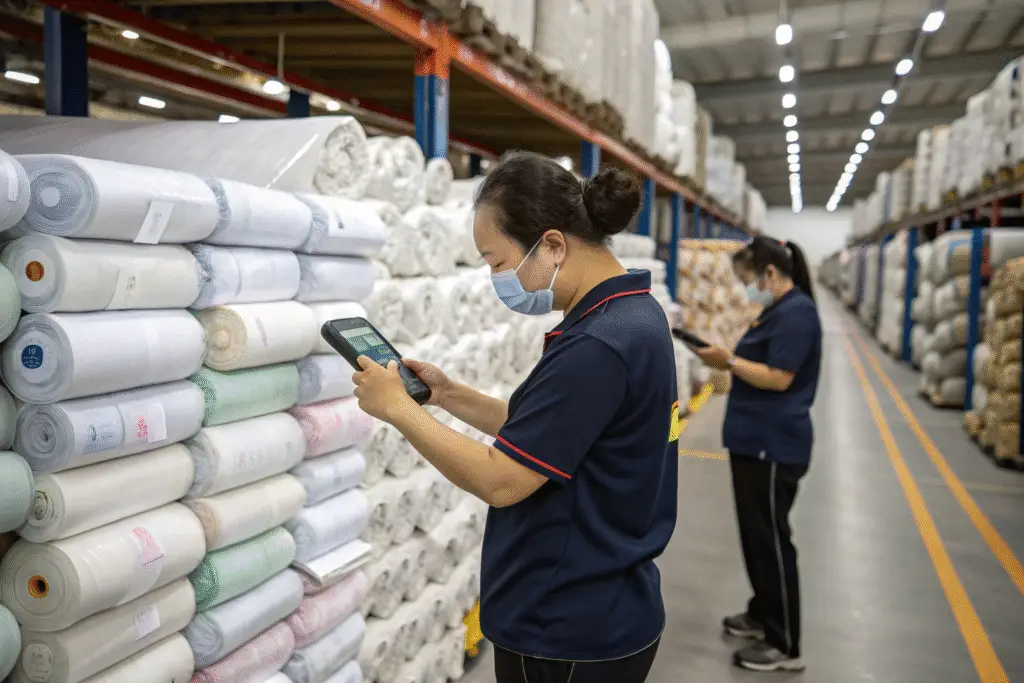
What is our fabric sourcing strategy?
We work with a curated network of reliable suppliers who understand our delivery requirements. Our sourcing team maintains alternative suppliers for critical materials, ensuring we're never dependent on a single source. This strategy proved crucial when a key fabric supplier faced production issues—we seamlessly switched to our approved alternative without delaying production. Our supplier management system continuously evaluates partner performance against delivery metrics.
How does our quality control prevent production stoppages?
We inspect all incoming materials before they enter production, catching issues before they can disrupt manufacturing. Our quality team uses standardized checking procedures and maintains clear acceptance criteria. Last quarter, this proactive approach identified a fabric shading issue early, allowing us to request replacement material while maintaining our production schedule. This prevented what would have been a two-week delay in the sewing department.
What Communication Systems Keep Clients Informed?
Transparent communication is crucial for managing expectations and building trust. We believe clients should never wonder about their order status.
Every client receives a dedicated project manager who serves as their single point of contact throughout production. Our custom client portal provides 24/7 access to real-time production updates, quality reports, and shipping documentation. This transparency has been particularly valued by European clients who need to coordinate with their retail teams.

How does our project management system work?
Each order follows a detailed project plan with clearly defined milestones and responsibility assignments. Our project managers conduct weekly update calls and provide written status reports. This systematic approach helped a startup client coordinate their first major production run with complex logistics requirements. They specifically noted that our communication clarity prevented the confusion they'd experienced with previous manufacturers.
What is our escalation process for potential delays?
We have a formal escalation protocol that triggers when any process falls more than 48 hours behind schedule. This protocol ensures management attention and resource allocation to get back on track. Recently, when a specialty machine required unexpected repairs, our escalation process mobilized maintenance, production, and planning teams to minimize impact, preventing a one-week delay from becoming a month-long problem.
How Do We Handle Logistics and Shipping?
Efficient logistics requires careful coordination with reliable partners. We've built strong relationships with freight forwarders and developed contingency plans for transportation disruptions.
Our logistics team plans shipping arrangements parallel to production, not after completion. We maintain preferred partnerships with multiple carriers across different transportation modes, giving us flexibility when capacity is tight. This approach has been particularly valuable during peak shipping seasons when space becomes scarce.
| Shipping Method | Lead Time | Reliability | Our On-Time Performance |
|---|---|---|---|
| Air Freight | 5-8 days | High | 98.2% |
| Express Sea | 18-22 days | Medium-High | 97.1% |
| Standard Sea | 30-35 days | Medium | 95.8% |
| Rail | 22-28 days | Medium-High | 96.5% |
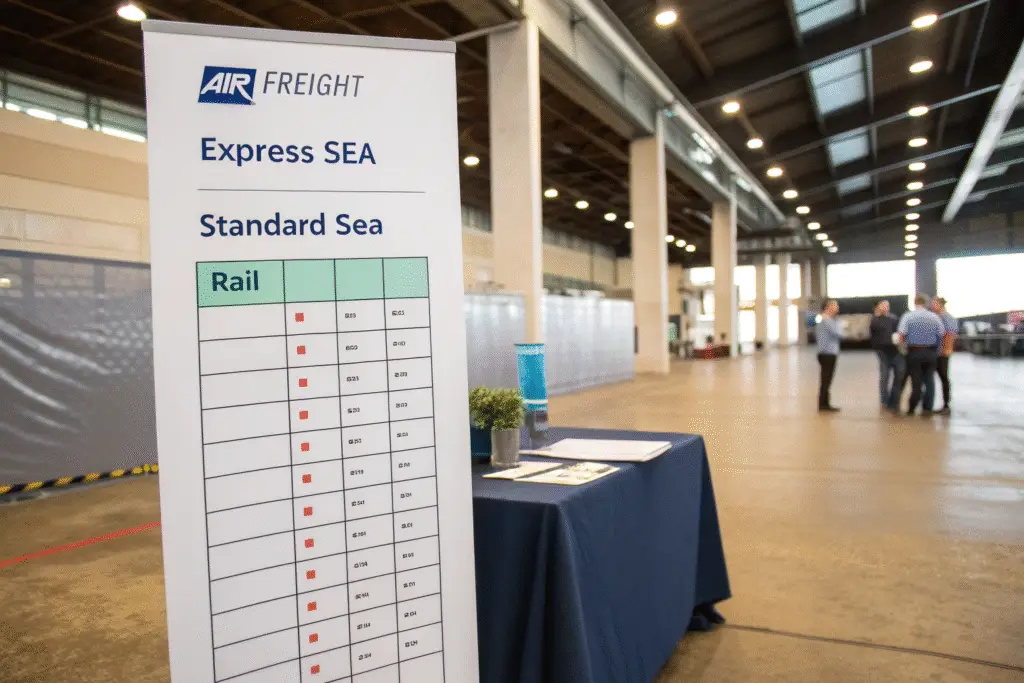
How do we select and manage logistics partners?
We evaluate logistics partners based on reliability, communication, problem-solving capability, and global network. Our preferred partners must demonstrate consistent performance through our quarterly review process. This rigorous partner selection approach enabled us to maintain 96% on-time performance during the recent port congestion issues, while industry averages dropped to 78%.
What contingency plans do we have for shipping disruptions?
We maintain relationships with multiple carriers across different routes and transportation modes. When severe weather disrupted East Coast shipments last winter, we quickly rerouted through alternative ports with minimal delay. Our contingency planning includes identifying alternative routes and maintaining buffer time for unexpected events. This proactive approach saved a client's holiday collection when their original shipping plan became unavailable.
What Quality Control Measures Prevent Delays?
Quality issues discovered late in production are major causes of delivery delays. Our quality control is integrated throughout production, not just at the end.
We implement quality checkpoints at multiple production stages: raw material inspection, during cutting, after major sewing operations, and during finishing. This distributed approach catches issues early when they're easier and faster to correct. Catching a stitching defect after the first ten pieces is far less costly than discovering it after completing one thousand pieces.
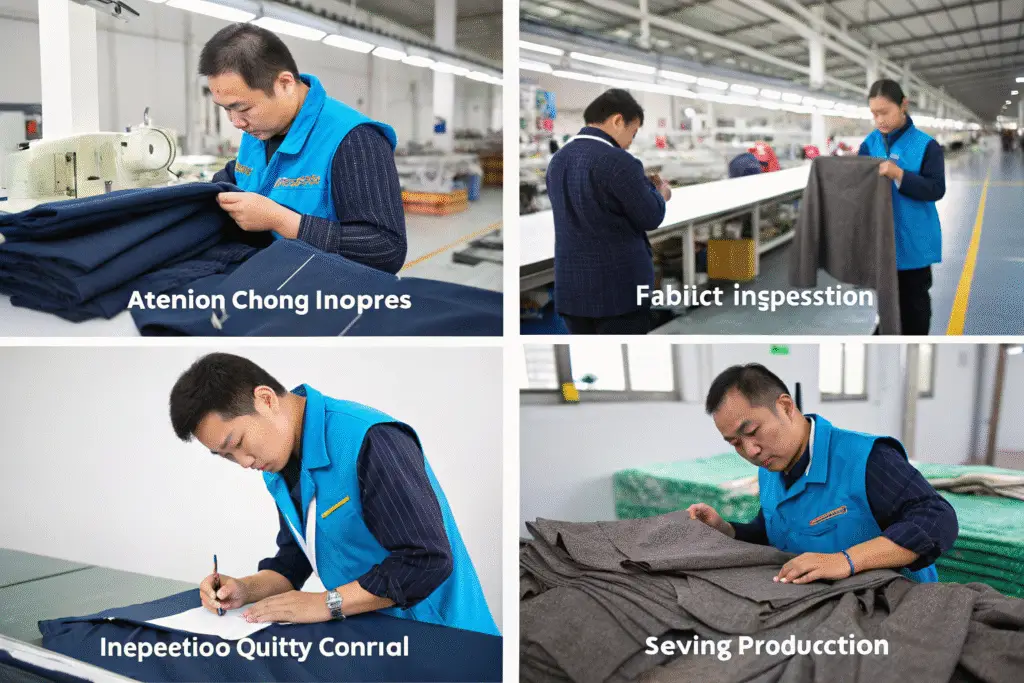
How does in-process inspection prevent major rework?
Our production lines include quality checkpoints after critical operations. These checks prevent defective pieces from moving to subsequent stages where they would require more extensive rework. This approach recently identified a measurement variance early in production, allowing immediate adjustment before hundreds of pieces were affected. Our quality at source philosophy has reduced rework-related delays by 65% over the past three years.
What is our final inspection protocol?
Our pre-shipment inspection follows the AQL (Acceptable Quality Level) standard with additional client-specific requirements. Inspection results are available within 24 hours, and any issues are immediately addressed by our quality resolution team. This efficient process ensured a client received their rush order with complete quality documentation just in time for their product launch, despite a tight timeline.
Conclusion
On-time delivery isn't accidental—it's the result of systematic planning, disciplined execution, and continuous improvement. At Fumao Clothing, we've built our reputation by understanding that your business success depends on receiving your products when you need them.
Our commitment to delivery reliability extends beyond mere promises. We've invested in systems, processes, and team training specifically to ensure we meet our deadlines consistently. This focus on operational excellence has made us the preferred manufacturer for brands that can't afford delivery uncertainties.
If you're looking for a manufacturing partner who treats your deadlines as seriously as you do, let's discuss your next project. Contact our Business Director, Elaine, at elaine@fumaoclothing.com to learn how our reliable production system can support your brand's growth.