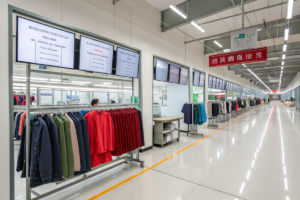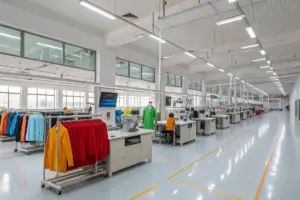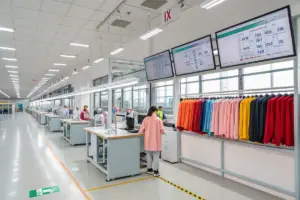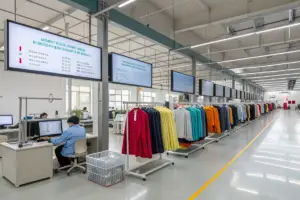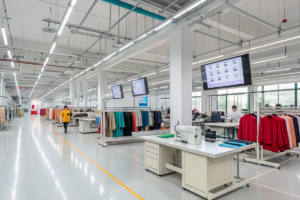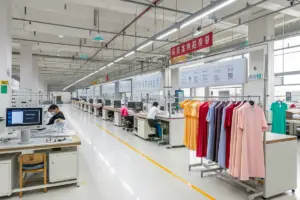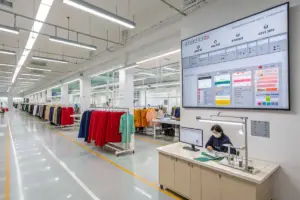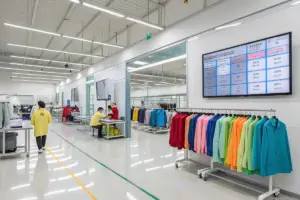
The demand for customizable apparel is exploding. Brands want unique products that differentiate them in crowded markets. Consumers seek personalization in everything from fit to design elements. As a manufacturer, I’ve watched this shift transform our industry from mass production to mass customization.
The future of customizable apparel manufacturing lies in digitalization, on-demand production, sustainable practices, and AI-driven personalization. These technologies enable manufacturers to offer extensive customization while maintaining efficiency and profitability, fundamentally changing how clothing is designed, produced, and delivered.
The old model of producing thousands of identical pieces is giving way to flexible, responsive manufacturing. This shift isn’t just about technology—it’s about rethinking the entire supply chain. Let me share what we’re implementing today that will become standard tomorrow.
How Is Digitalization Transforming Custom Production?
Digitalization is the backbone of modern customization. It connects every step from design to delivery, eliminating traditional barriers to personalized manufacturing. The paper-based processes that once slowed down customization are disappearing.
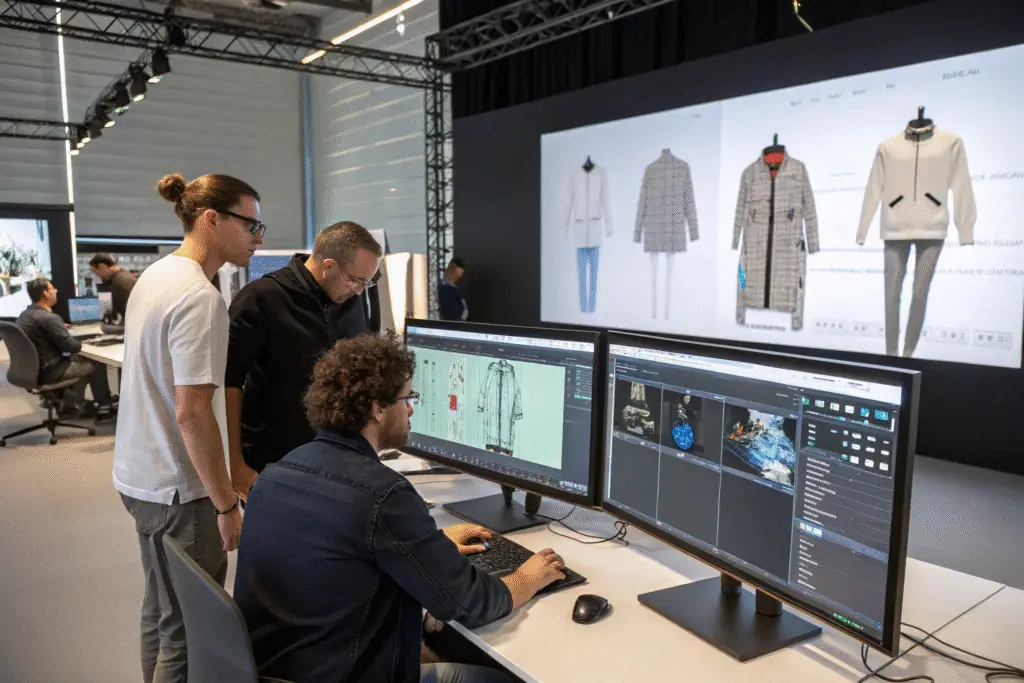
Digital product creation, 3D design software, and virtual sampling are reducing development time from weeks to days. We’ve implemented a system where clients can see photorealistic renderings of their customized designs within hours rather than waiting for physical samples. This digital thread connects designers, brands, and manufacturers in real-time collaboration.
What role does 3D prototyping play in customization?
3D prototyping eliminates the need for multiple physical samples, allowing unlimited customization options to be visualized digitally. Brands can experiment with different fabrics, colors, and design elements without the cost and time of creating physical prototypes. We’ve reduced sampling costs by 70% for our customization clients using this approach. A streetwear brand recently finalized their entire collection through virtual sampling before producing a single physical piece.
How are digital platforms enabling consumer direct customization?
Online platforms with customization interfaces allow end-consumers to design their own pieces directly. These systems connect to manufacturers’ production planning, creating a seamless flow from consumer design to factory production. We’ve integrated with several customization platforms that feed personalized orders directly into our production system. This direct-to-consumer customization model is growing at 30% annually in our factory.
What Technologies Enable Mass Customization?
Mass customization requires technologies that maintain efficiency while accommodating individual variations. The factories that master this balance will lead the future of apparel manufacturing.
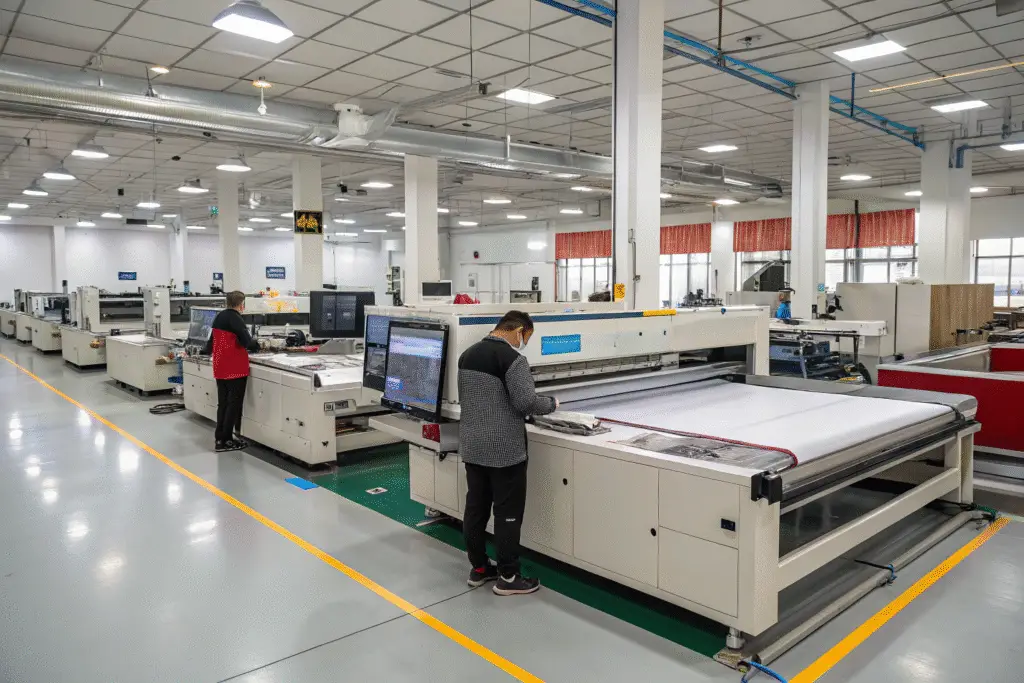
Advanced technologies like automated cutting, flexible manufacturing cells, and AI-driven pattern adjustments make small-batch customization economically viable. We’ve invested in modular production systems that can switch between different customized orders with minimal downtime. This flexibility is crucial for serving brands that need both variety and speed.
How is AI transforming personalized pattern making?
AI algorithms can now generate custom patterns based on individual measurements while maintaining design integrity. This technology enables made-to-measure clothing at scale. Our AI pattern system analyzes hundreds of body data points to create perfectly fitted patterns automatically. We’ve implemented this for a corporate uniform client, providing custom-fitted shirts for 5,000 employees with unprecedented accuracy.
What manufacturing technologies support small batch production?
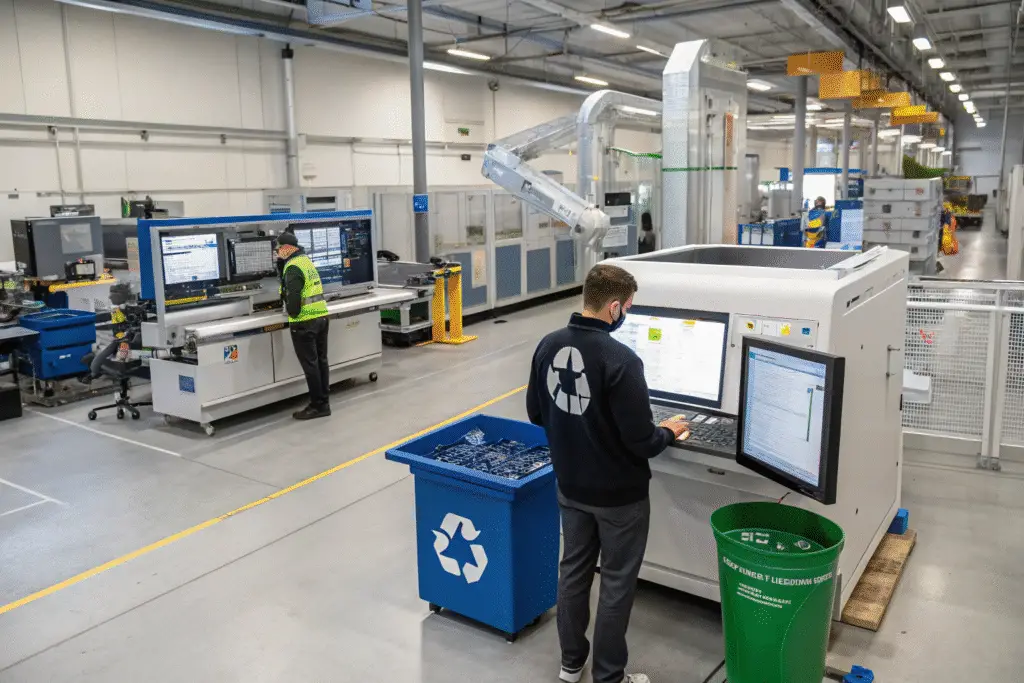
Modular manufacturing systems, automated guided vehicles, and digital work instructions enable efficient small-batch production. These technologies reduce changeover time between different custom orders. Our factory has implemented flexible manufacturing cells that can handle batches as small as single pieces while maintaining 85% of the efficiency of mass production. This capability has attracted premium brands seeking exclusive, limited-run collections.
How Does Sustainability Drive Customization Trends?
Sustainability and customization are becoming increasingly interconnected. Consumers want products that reflect their values, including environmental responsibility and ethical production.
Customization reduces waste by producing only what’s needed when it’s needed. The on-demand model eliminates overproduction and deadstock. We’ve helped brands transition from seasonal collections to continuous customization, reducing their inventory waste by up to 60%. This approach aligns with growing consumer demand for sustainable fashion.
How does on-demand production reduce environmental impact?
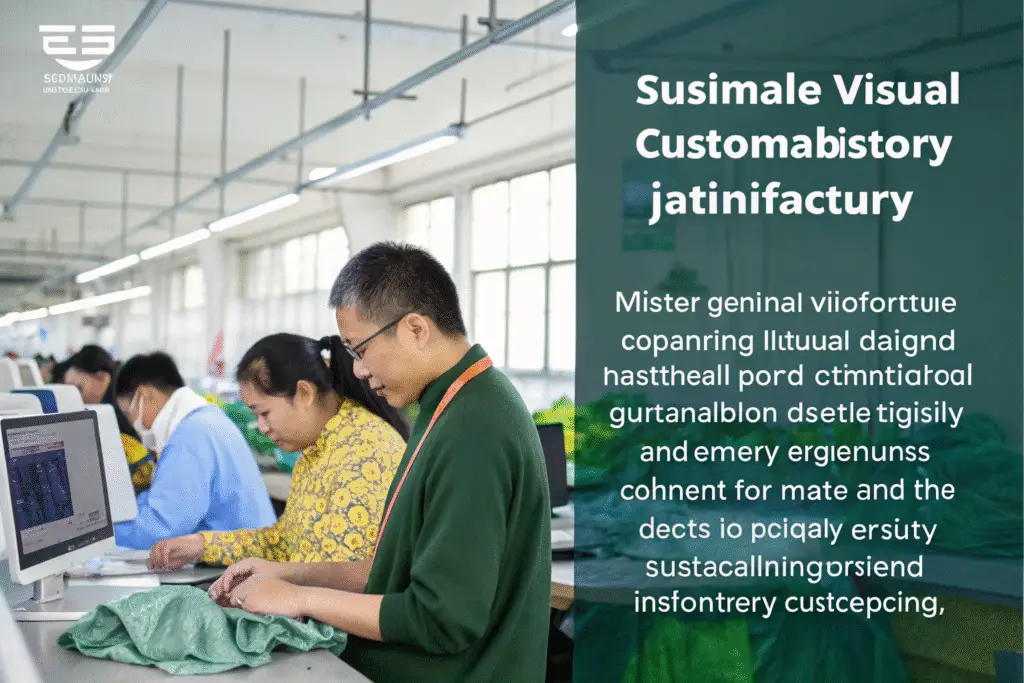
On-demand production eliminates the waste associated with traditional forecasting and bulk manufacturing. By producing only when orders are received, manufacturers avoid overproduction and the subsequent disposal of unsold inventory. Our on-demand system has reduced fabric waste by 35% compared to traditional batch production. A sustainable activewear brand using our on-demand service has completely eliminated end-of-season discounting and waste.
What sustainable materials are enabling better customization?
Advanced sustainable materials including recycled textiles, bio-based fabrics, and innovative alternatives to traditional materials are expanding customization possibilities. These materials often have smaller minimums, making them ideal for custom production. We’ve developed a sustainable materials library specifically for customization clients, featuring fabrics with verified environmental credentials. This has become a key differentiator for eco-conscious brands.
What Business Models Support Customizable Manufacturing?
New business models are emerging to support the economics of customization. These models balance the higher costs of personalized production with premium pricing and operational efficiencies.
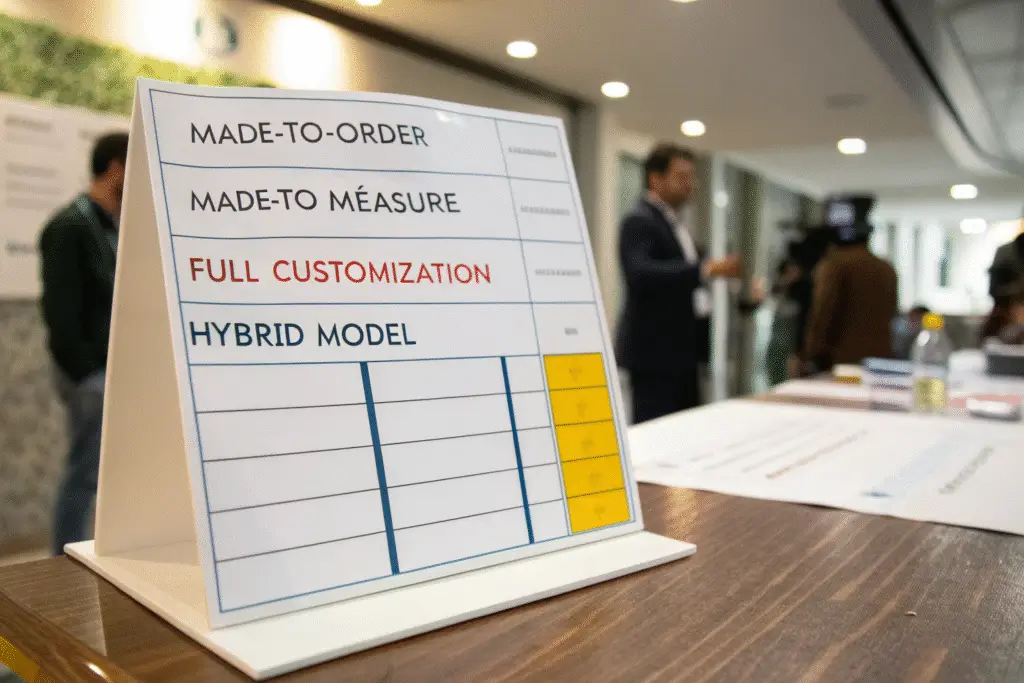
Direct-to-consumer customization, subscription services, and brand-manufacturer partnerships are replacing traditional wholesale models. We’re seeing success with hybrid approaches that combine elements of mass production with customization options. This flexibility allows brands to offer personalization without completely abandoning economies of scale.
| Business Model | Customization Level | Production Approach | Key Benefit |
|---|---|---|---|
| Made-to-Order | Basic (size/color) | Batch production | Reduced inventory |
| Made-to-Measure | Intermediate (fit) | Individual production | Perfect fit |
| Full Customization | Advanced (design/fit) | Individual production | Unique products |
| Hybrid Model | Variable | Mixed approach | Flexibility |
How are manufacturers adapting to on-demand economics?
Manufacturers are implementing variable pricing, minimum order values, and technology fees to make small-batch customization economically sustainable. We’ve developed a pricing model that scales with customization complexity, making basic personalization accessible while charging appropriately for complex custom work. This approach has increased our customization revenue by 45% while maintaining profitability.
What partnership models support customization scalability?
Strategic partnerships between brands, technology providers, and manufacturers create ecosystems that support customization at scale. We’ve formed alliances with customization platform providers and logistics companies to offer end-to-end customized product solutions. These partnerships allow smaller brands to access customization technologies that would otherwise require significant investment.
How Is Consumer Behavior Shaping Customization?
Consumer expectations are driving the customization revolution. Today’s shoppers want products that reflect their individual identity and values, not just mass-produced items.
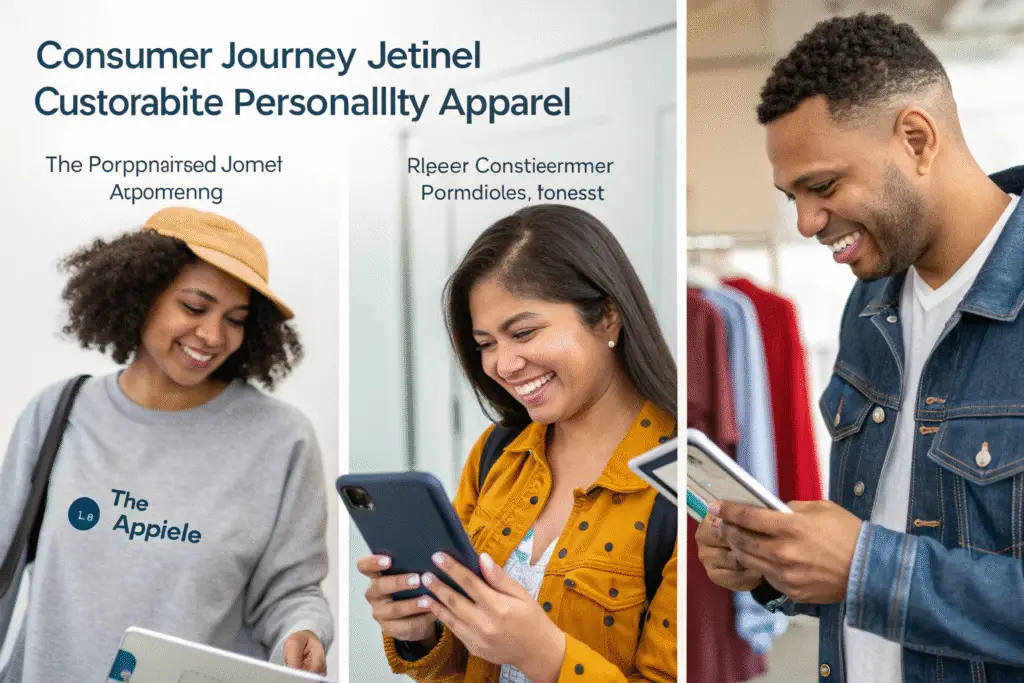
The demand for personalization spans all demographics and product categories. We’re seeing particularly strong growth in customized activewear, workwear, and special occasion clothing. Consumers are willing to pay 20-50% premiums for personalized products that perfectly meet their needs and preferences.
What customization options do consumers value most?
Consumers prioritize fit customization, followed by color choices, fabric selection, and design details. The ability to adjust sleeve lengths, torso proportions, and rise measurements generates the highest satisfaction. Our data shows that fit customization increases customer retention by 35% compared to standard sizing. Brands offering comprehensive fit options see significantly lower return rates.
Social media platforms showcase unique, personalized fashion, creating demand for individual expression through clothing. User-generated content featuring custom pieces drives awareness and desire for personalized products. We’ve developed social media integrations that allow consumers to share their custom designs directly from our platform. This social sharing has become a powerful marketing tool for our brand partners.
Conclusion
The future of customizable apparel manufacturing is already here, driven by digital technologies, sustainable practices, and changing consumer expectations. Manufacturers who embrace this shift will thrive, while those clinging to traditional mass production models will struggle.
The most successful companies will be those that balance technological innovation with human creativity, offering both efficiency and emotional connection. Customization isn’t a passing trend—it’s the new normal in apparel manufacturing.
If you’re looking for a manufacturing partner with advanced customization capabilities and future-ready technology, we can help. At Fumao Clothing, we’re investing in the technologies and processes that define the future of customizable apparel. Contact our Business Director, Elaine, at elaine@fumaoclothing.com to discuss how we can bring your customization vision to life.