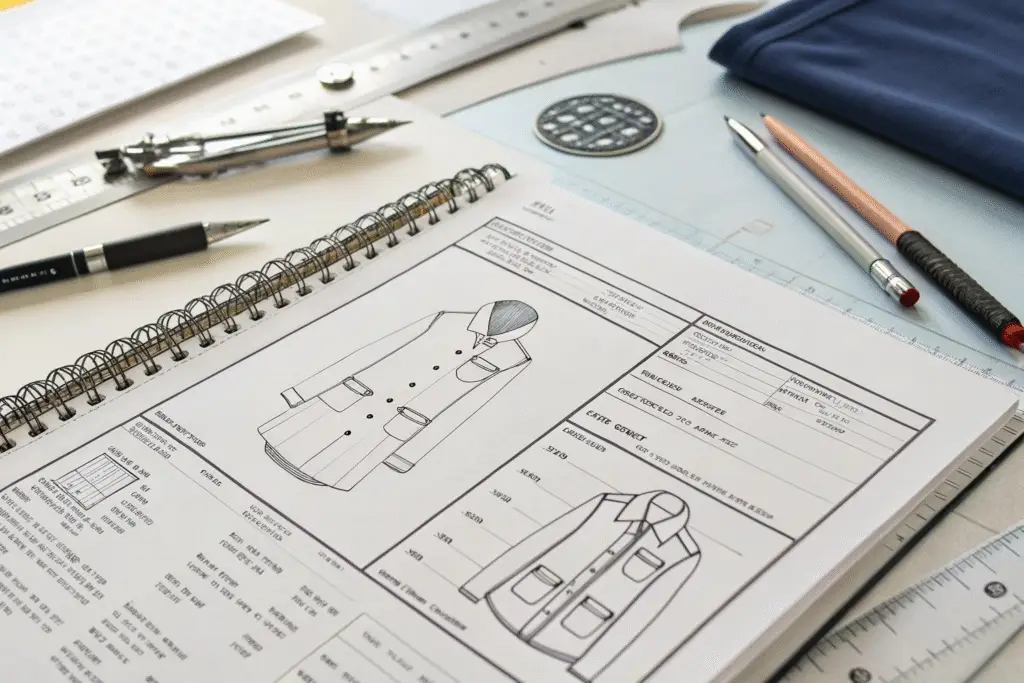
A tech pack is the most important document in clothing production. Many brands, especially new ones, think it is just a sketch with some measurements. This misunderstanding causes big problems later. I have seen this happen many times in my factory. A clear and complete tech pack makes the whole process smooth. A bad one causes delays, mistakes, and wasted money.
A tech pack is the master blueprint for any garment. It translates a creative design idea into a precise set of technical instructions that a factory can follow to produce the clothing exactly as the brand envisions. It aligns designers, product developers, and manufacturers, ensuring everyone works from the same information.
Think of your tech pack as the main communication tool between your brand and your factory. Without it, you are just hoping the factory guesses your vision correctly. With it, you are giving clear directions. This is crucial when working with partners across the globe, like here in China. Let’s break down why this document is so powerful and how you can use it to ensure your next production run is a success.
What essential components should be included in a tech pack?
A tech pack is more than just a drawing. It is a complete information package. Missing one part can lead to a wrong sample. We need to see the full picture to give you an accurate price and production timeline. A basic sketch is not enough for us to start work.
A complete tech pack must include several key elements. It starts with detailed technical flats of the garment, showing front, back, and side views. These drawings must include all stitching details, like topstitching and seam types. Then, you need a detailed Bill of Materials (BOM). This list covers every single component, from the main fabric and linings to the zippers, buttons, threads, and labels. Each material should have a clear description and specified supplier if needed.
Why are construction details vital for manufacturing clarity?
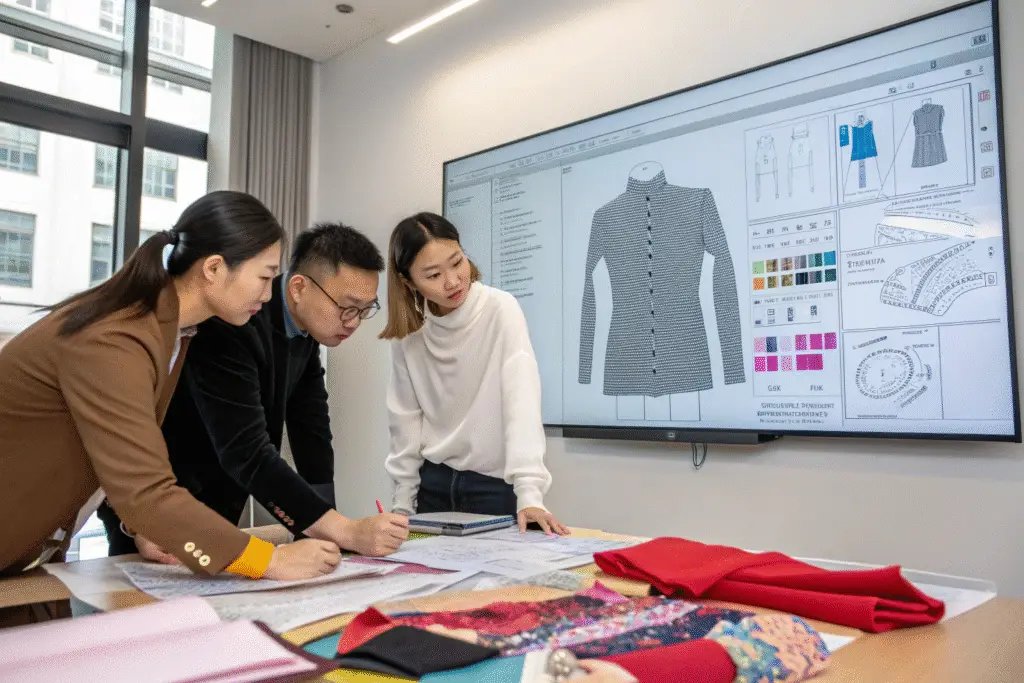
Construction details tell us how to build the garment. This section specifies the type of seams required for each part of the clothing. For example, it dictates if a sleeve should be attached with a flat felled seam or a simple overlook stitch. It also covers stitch density, measured in SPI (stitches per inch). We once received a tech pack for a pair of trousers that did not specify the seam type for the crotch. Our sample team used a standard seam, but the brand wanted a felled seam for extra durability. This led to a sample remake, wasting a week. Clear construction notes prevent such errors. You can learn more about industry-standard garment construction techniques from professional resources.
How does a precise BOM prevent sourcing mistakes?
The Bill of Materials (BOM) is your sourcing checklist. It prevents the factory from using the wrong materials. A precise BOM lists not only the main fabric but also all the trims and accessories. It should include the specific type, size, color, and supplier of each item. Last year, a client from New York provided a tech pack that simply stated "metal button." We produced the first sample with a standard nickel button. The client then informed us they wanted a custom antique brass button. This delayed the project by two weeks for sourcing. A detailed BOM from the start would have avoided this.
How can a detailed tech pack save time and reduce errors?
Time is money in the fashion business. A detailed tech pack saves both. It is the first and most effective step in quality control. When we get a perfect tech pack, the first sample is often very close to the final approval. This speeds up the entire process dramatically.
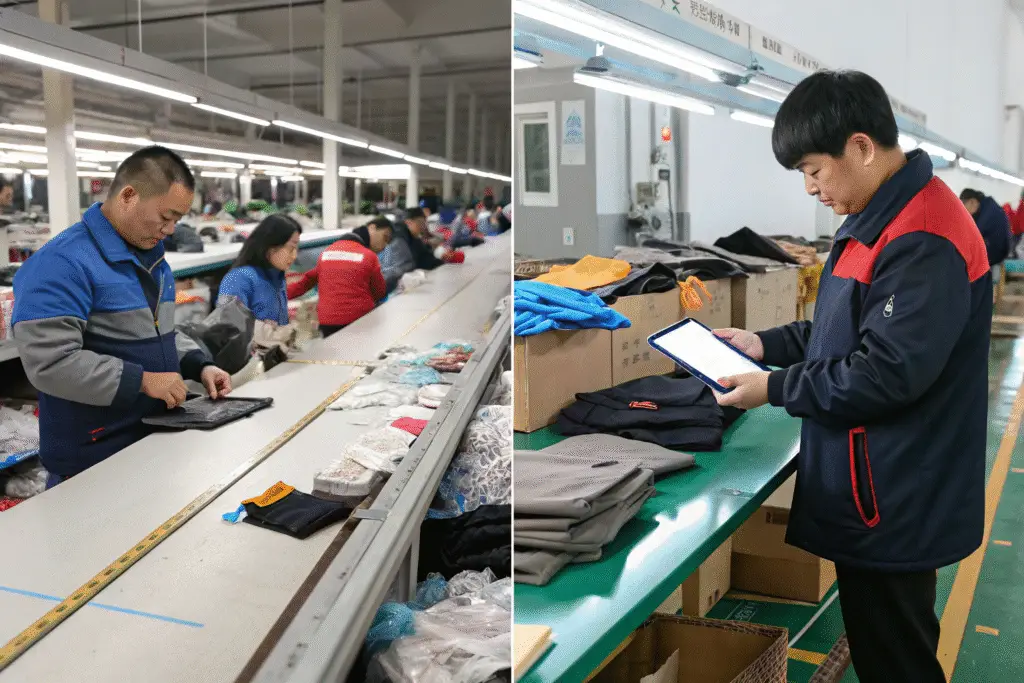
The primary time-saving benefit comes from reducing back-and-forth communication. A complete pack answers most of our questions before we even ask them. This means fewer emails, fewer calls, and faster sample turnaround. For you, the brand, this means getting to market faster and not missing crucial selling seasons. I recall a sportswear brand from California that always provided exceptional tech packs. Their average time from order placement to final delivery was 20% faster than other clients because we never had to stop production to clarify details.
What is the impact on the sampling cycle?
The sampling cycle is directly impacted by the tech pack’s quality. A vague tech pack often leads to multiple, costly sample rounds. Here is a typical comparison:
| Tech Pack Quality | Average Sample Rounds Needed | Typical Time Cost |
|---|---|---|
| Poor (Sketch + basic specs) | 3-4 rounds | 4-6 weeks |
| Good (Complete tech pack) | 1-2 rounds | 2-3 weeks |
We worked with a startup that initially sent us a basic idea sheet. It took four sample rounds to finalize their hoodie. After we helped them create a proper tech pack, their next product, a pair of shorts, was approved after just one sample revision. This cut their development time in half.
How does it minimize production defects?
A tech pack minimizes defects by providing clear quality benchmarks. It includes quality control points and tolerance standards for measurements. For instance, if the tech pack states a sleeve length of 25" with a tolerance of ±0.25", our QC team knows exactly what to check. Without this, one inspector might pass a 25.5" sleeve, while another would reject it, causing inconsistency. Clear specs align the entire production team, from cutting to sewing to final inspection, reducing the defect rate significantly.
What are the common mistakes brands make in their tech packs?
Even experienced brands can make mistakes in their tech packs. The most common error is assuming the factory will "figure out the details." We are partners, but we are not mind readers. These mistakes create friction and can damage the business relationship.
Another frequent issue is inconsistency between different sections of the pack. For example, the sketch might show a patch pocket, but the BOM doesn’t list the pocketing fabric. Or the measurement for the chest might be written as 40 inches in one chart and 102 cm (about 40.16 inches) in another, creating confusion. We once had a tech pack where the color palette named a color "Dusty Rose," but the attached Pantone swatch was for a different shade. This cost the client a lot of money in fabric dyeing corrections.

Why are inconsistent measurements a critical error?
Inconsistent measurements are a critical error because they make it impossible to create a correct pattern. If the body length measurement does not align with the waist and chest measurements, our pattern maker has to stop and ask for clarification. This halts the entire pre-production process. A clear tech pack ensures all measurements work together to create a proportional garment. Using a grading rule system consistently is key to avoiding fit issues across different sizes.
How does omitting care label instructions cause problems?
Omitting care label instructions is a surprisingly common and serious mistake. The care instructions are a legal requirement in many markets, including the USA and EU. Without them, the garment cannot be sold. We had a client who forgot to include care instructions in the tech pack for a batch of 5,000 delicate knit sweaters. The sweaters were produced with a standard care label, and many shrank after the first wash, leading to customer returns and a damaged brand reputation. Always specify the exact washing, drying, and ironing instructions for your fabric.
How to create an effective tech pack for overseas manufacturers?
Creating a tech pack for a manufacturer in a different country requires extra attention to clarity. You must assume nothing is obvious. The goal is to make the document so clear that language and cultural barriers become irrelevant. Use universal language: numbers, visuals, and standardized terms.
Start by using a digital template. There are good software options available that guide you through all the necessary sections. Use clear, flat technical drawings—not artistic illustrations. Photographs can be used for reference, but they should accompany drawings, not replace them. Always specify all units of measurement clearly (inches or centimeters) and stick to one system. Finally, always include photos of your reference samples if you have them.

What tools and software can streamline the process?
Using dedicated tech pack software can streamline the entire process. Platforms like Techpacker or Backbone offer cloud-based templates that ensure you don’t miss any critical sections. These tools allow for easy version control, so everyone is always working on the latest version. They also facilitate clear communication; you can leave comments directly on specific points of the design, which we at the factory find extremely helpful for avoiding misunderstandings.
A shared terminology glossary is essential to avoid confusion over terms. For example, what a US brand calls a "tank top" might be called a "singlet" elsewhere. The term "jersey" can refer to a type of knit fabric or a sports shirt. We create a simple glossary with every new client, defining terms for fabrics, stitches, and garment parts. This simple step has eliminated countless misunderstandings and ensures that when we say "French seam," you know exactly what we are talking about.
Conclusion
A tech pack is far more than just paperwork; it is the foundation of a successful clothing production partnership. It is the single source of truth that aligns your creative vision with our manufacturing capabilities. A well-crafted tech pack minimizes errors, saves significant time and money, and builds a stronger, more trustworthy relationship between your brand and your factory. It turns a complex international process into a smooth, predictable, and professional operation.
If you are looking for a manufacturing partner who values clarity and precision and can help you refine your tech packs for optimal production, let’s talk. We at Fumao Clothing are committed to turning your apparel visions into market-ready products with efficiency and quality. For a direct conversation about your next production order, please contact our Business Director, Elaine, at elaine@fumaoclothing.com. We are here to help you succeed.