You’re scaling your apparel brand and facing the critical decision: should you work through a trading company or go directly to the factory? Many brands start with intermediaries but eventually discover the advantages of direct factory relationships. What specific benefits make this transition worthwhile, and how can you leverage direct factory relationships for sustainable growth?
Working directly with a factory provides cost savings through eliminated middleman margins, improved communication through direct access to production teams, greater quality control via hands-on oversight, faster problem-solving with streamlined decision-making, and long-term partnership benefits that grow with your business. These advantages compound over time, creating significant competitive advantages that extend beyond simple cost savings to encompass quality, innovation, and strategic flexibility.
A contemporary sportswear brand discovered this when they transitioned from working with a trading company to partnering directly with our factory. Their costs decreased by 18% immediately, communication delays dropped from 3 days to 4 hours, and their product development cycle shortened from 12 weeks to 7 weeks. Most importantly, they gained the manufacturing expertise needed to innovate technically advanced fabrics that became their competitive advantage. Let’s explore the specific benefits of direct factory relationships.
How Does Direct Factory Work Reduce Costs?
Eliminating intermediaries creates immediate cost savings, but the financial benefits of direct factory relationships extend far beyond simple margin elimination to encompass multiple cost-reduction opportunities.
Direct factory relationships reduce costs by eliminating trading company markups (typically 15-30%), enabling transparent material sourcing, reducing communication-related errors, allowing bulk purchasing advantages, and facilitating long-term cost optimization through partnership. The comprehensive cost benefits often exceed initial expectations and continue growing as the relationship develops.
How Much Do Eliminated Middleman Markups Save?
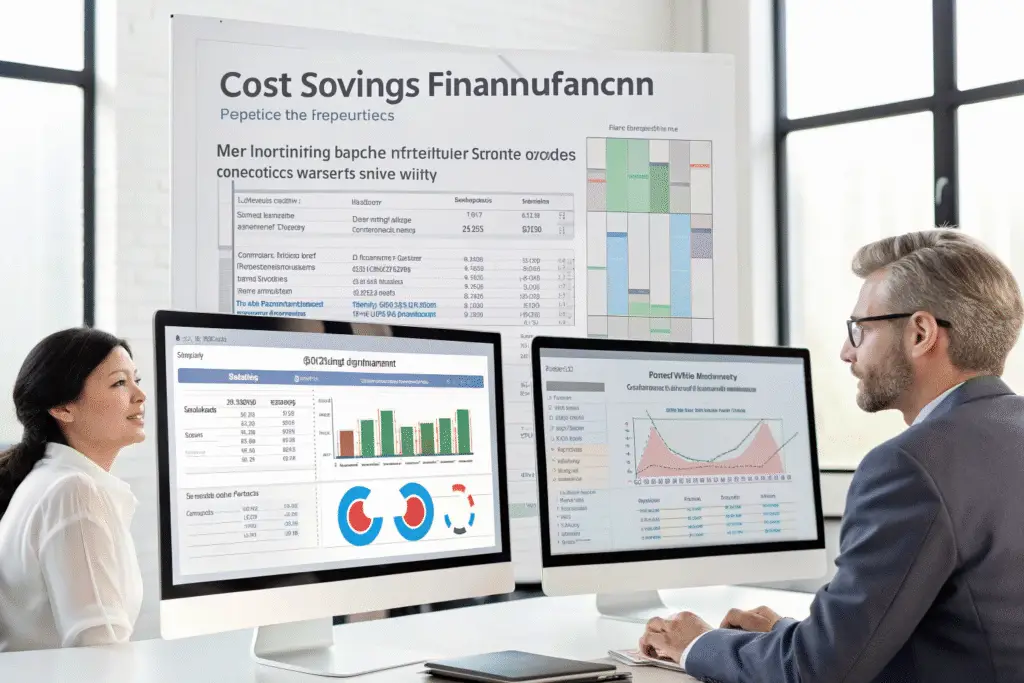
Trading companies and agents typically add 15-30% to factory prices, with some luxury brand intermediaries charging even higher margins. Working directly with factories eliminates these layers entirely. One denim brand saved 22% on their production costs immediately by transitioning from a trading company to direct factory partnership. The eliminated markup represented $18,500 annually on their $85,000 production volume, dramatically improving their profitability.
How Does Transparent Pricing Create Additional Savings?
Direct factory relationships provide complete visibility into material costs, labor expenses, and overhead allocations, enabling informed decisions about cost optimization. Unlike trading companies that often provide bundled pricing, factories can identify specific areas for cost reduction. We helped a client reduce their fabric costs by 12% through transparent cost analysis that identified alternative material options with similar quality but better pricing. The trading company had never offered these alternatives because they reduced the absolute commission amount.
What Communication Advantages Does Direct Access Provide?
Direct communication with factory teams transforms the production experience from a black box into a collaborative partnership with real-time information sharing and problem-solving.
Direct factory communication provides faster response times, technical expertise access, proactive issue identification, cultural understanding development, and relationship building that facilitates better outcomes. The communication benefits extend beyond speed to encompass quality, accuracy, and strategic value.
| Communication Aspect | Trading Company | Direct Factory |
|---|---|---|
| Response Time | 24-72 hours | 2-8 hours |
| Technical Depth | Filtered information | Direct expert access |
| Problem Resolution | Multiple handoffs | Direct team collaboration |
| Relationship Building | Limited personal connection | Strong partnership development |
How Does Faster Response Time Impact Production?
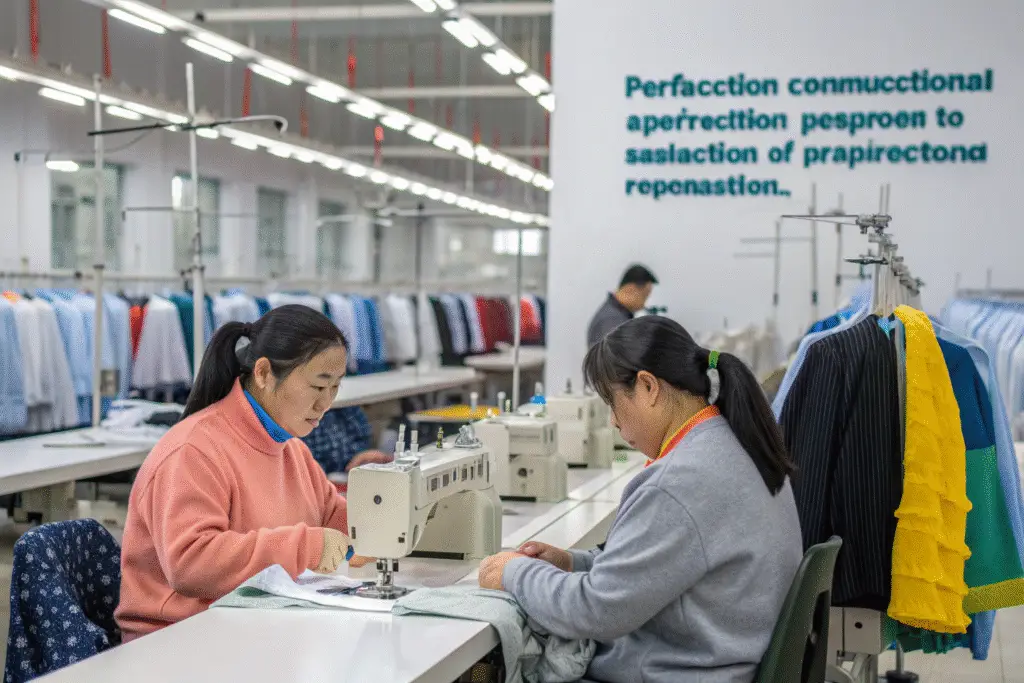
Direct communication eliminates the delays caused by message relay through multiple parties. Questions get answered immediately, decisions happen faster, and problems get solved in real-time. We’ve reduced client response times from an average of 52 hours through trading companies to under 6 hours for direct partners. This communication efficiency helped one client avoid a 3-week production delay when a fabric issue was identified and resolved within 48 hours instead of the 10 days it would have taken through intermediaries.
Why Does Technical Expertise Access Matter?
Speaking directly with factory technicians, pattern makers, and production managers provides access to specialized knowledge that trading company representatives often lack. This expertise helps optimize designs for manufacturability and quality. A technical outerwear brand leveraged our engineering expertise to refine their waterproof seam construction, improving performance while reducing production complexity. The trading company they previously used lacked the technical depth to provide this value-added guidance.
How Does Quality Control Improve With Direct Access?
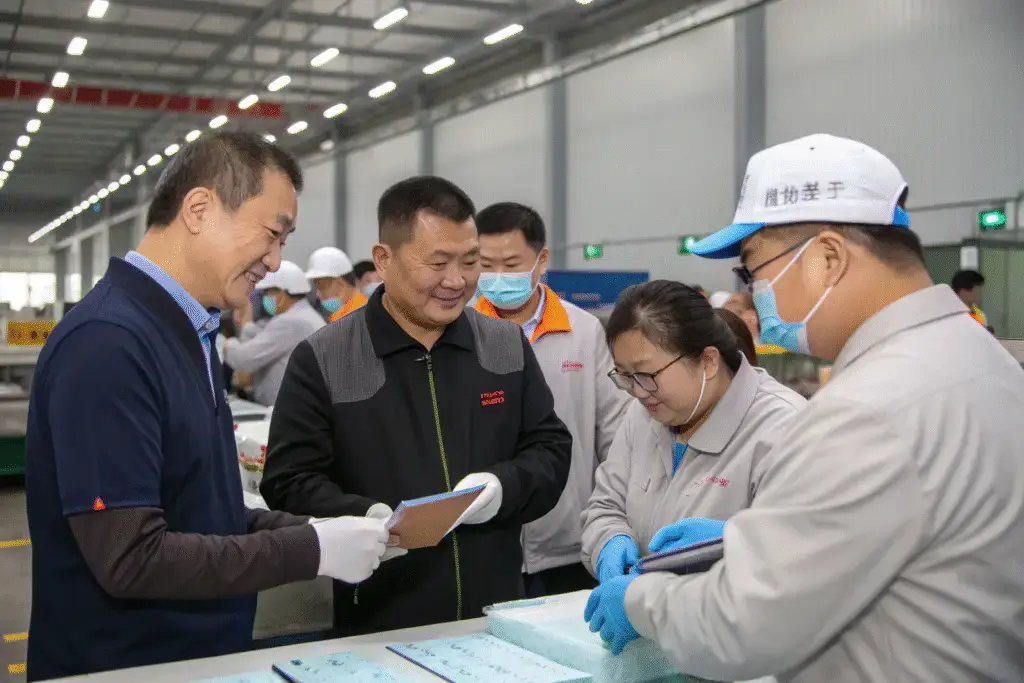
Direct factory relationships transform quality control from a reactive inspection process to a proactive, integrated system built into every production stage.
Direct factory quality control provides earlier issue detection, customized quality standards, continuous improvement processes, technical problem-solving capabilities, and relationship-based quality commitment. The quality benefits extend beyond catching defects to preventing them through collaborative processes.
How Does Early Issue Detection Save Costs?
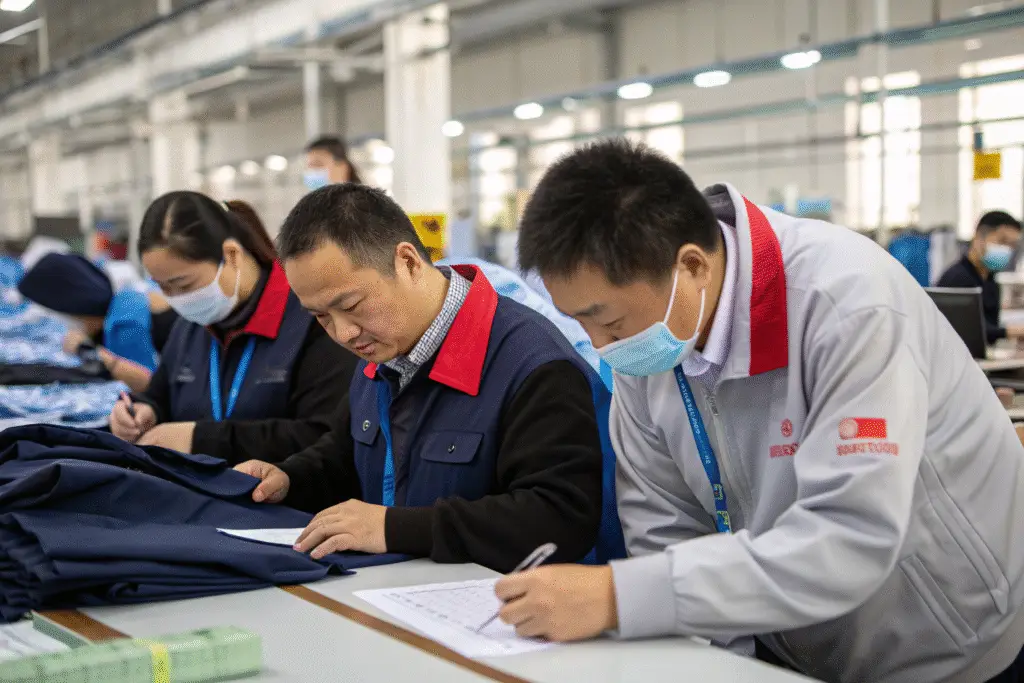
Direct access to production floors allows brands to identify potential quality issues during sampling and early production stages rather than discovering problems in finished goods. This proactive approach prevents costly rework and delays. We implemented early detection protocols with a client that identified a stitching tension issue during the first 50 units rather than after 2,000 units were completed. The $8,500 savings demonstrated the value of direct quality oversight.
Why Can Quality Standards Be Customized?
Direct relationships enable brands to develop customized quality checkpoints and acceptance criteria specifically tailored to their products and customer expectations. Trading companies typically apply generic standards across all clients. A luxury brand developed brand-specific quality protocols with us that included 27 unique inspection points beyond standard industry practices. This customization ensured their products consistently met their exacting standards, strengthening their brand reputation.
What Problem-Solving Advantages Come With Direct Access?
When production challenges inevitably arise, direct factory relationships provide significantly more effective problem-solving capabilities through streamlined communication and shared objectives.
Direct factory problem-solving offers faster response to issues, collaborative solution development, technical expertise application, relationship-based commitment to resolution, and preventive learning for future productions. The problem-solving advantages often transform potential crises into opportunities for improvement.
How Does Streamlined Decision-Making Help?
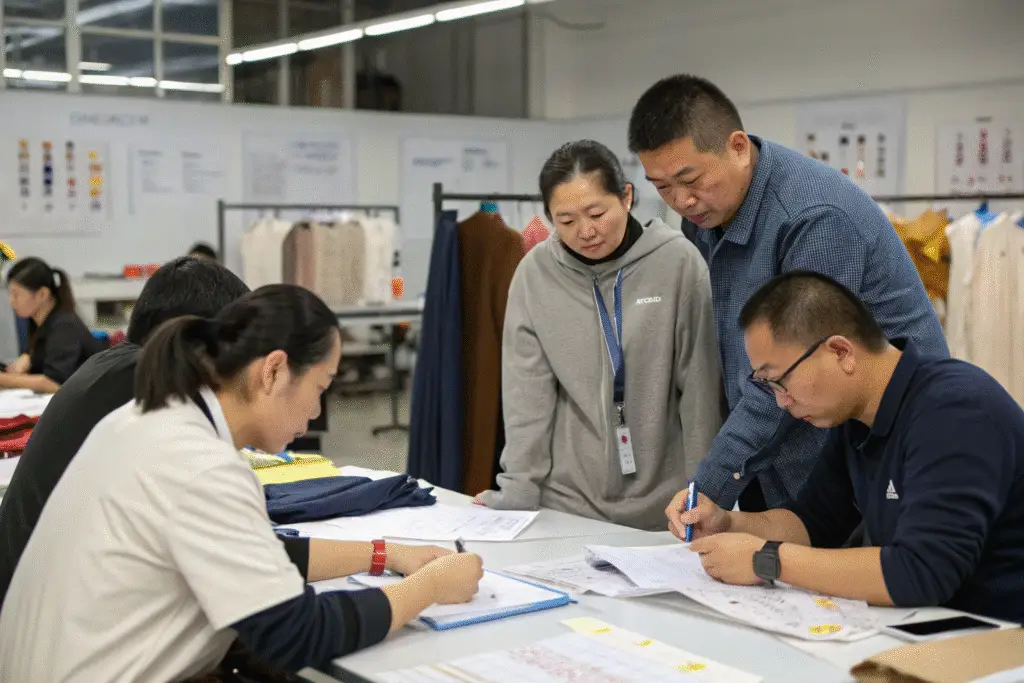
Eliminating intermediary layers enables faster decision-making when problems occur. Solutions can be implemented immediately rather than waiting for approval through multiple channels. When a fabric shipment was delayed for a client, our direct relationship allowed us to immediately adjust the production schedule and allocate alternative capacity. The streamlined response prevented a 3-week delay that would have been inevitable with trading company involvement due to communication layers.
Why Does Technical Collaboration Improve Solutions?
Direct access to factory engineers and technicians enables collaborative problem-solving that leverages specialized expertise from both brand and manufacturer. This technical partnership often creates better solutions than either party could develop independently. We worked directly with a client’s design team to solve a complex fit issue, combining their aesthetic vision with our technical pattern expertise to create a solution that maintained design integrity while improving manufacturability.
How Do Long-Term Partnership Benefits Develop?
The most significant advantages of direct factory relationships emerge over time as trust develops, understanding deepens, and collaborative processes evolve.
Long-term partnership benefits include continuous improvement processes, innovation collaboration, production efficiency gains, strategic capacity planning, and business growth support. These evolving advantages create sustainable competitive edges that trading company relationships cannot match.
How Does Continuous Improvement Work?
Long-term partnerships enable systematic improvement cycles where each production run informs refinements for the next. This iterative process optimizes quality, cost, and efficiency over time. A client we’ve worked with for 4 years has achieved a 28% reduction in production costs through continuous improvement initiatives that would be impossible with alternating trading company relationships. The partnership approach has also reduced their defect rate from 3.2% to 0.8%.
What Innovation Opportunities Emerge?
Deep manufacturer relationships create opportunities for collaborative innovation in materials, construction techniques, and production processes. This innovation capability becomes a significant competitive advantage. We’ve developed exclusive fabrications with long-term partners that cannot be easily replicated by competitors using standard trading company relationships. One partnership created a proprietary stretch woven fabric that became the brand’s signature material, driving significant market differentiation.
Conclusion
Working directly with a factory provides comprehensive advantages that extend far beyond initial cost savings to encompass improved communication, enhanced quality control, efficient problem-solving, and long-term partnership benefits. While establishing direct relationships requires more initial effort than working through intermediaries, the compounding returns make this investment overwhelmingly worthwhile for serious apparel brands.
The most successful brands view their factory relationships as strategic partnerships rather than transactional arrangements. This perspective transforms manufacturing from a cost center to a competitive advantage, enabling innovation, quality excellence, and sustainable growth. The trust, understanding, and collaboration developed through direct relationships create value that cannot be replicated through arm’s-length intermediary arrangements.
Ready to explore the benefits of a direct factory relationship for your brand? Contact our Business Director, Elaine, today at elaine@fumaoclothing.com to discuss how our direct partnership approach can help your business achieve new levels of quality, efficiency, and innovation.