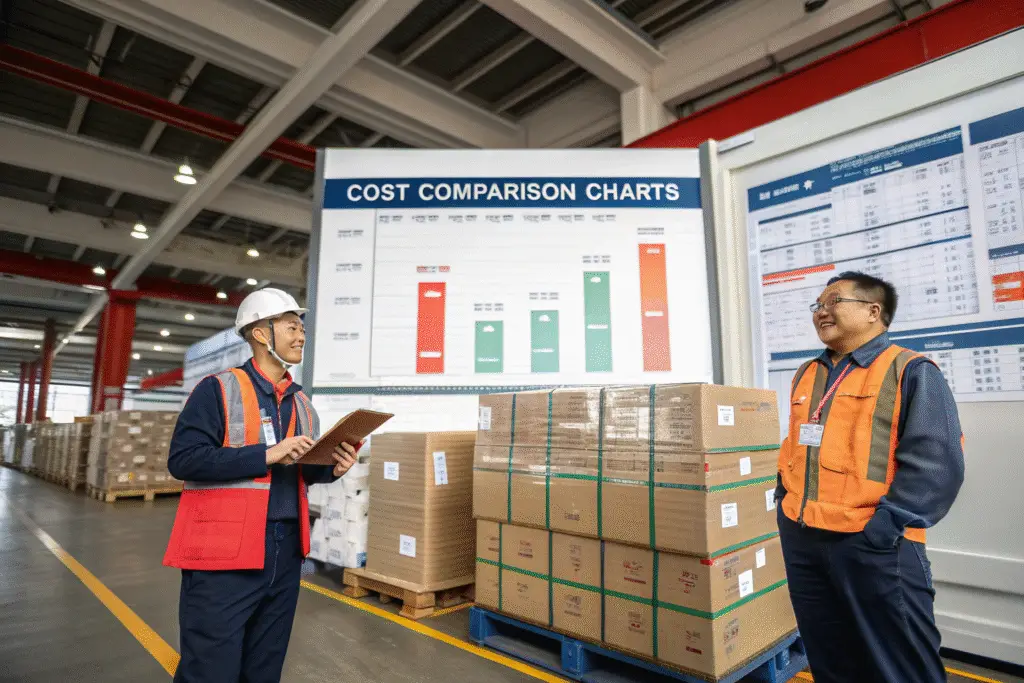
You’ve optimized your manufacturing costs, but then shipping expenses arrive and wipe out your carefully calculated margins. How can you control these seemingly unpredictable shipping costs that can add 15-40% to your landed cost? Reducing shipping expenses requires the same strategic approach you apply to manufacturing – systematic analysis and smart planning.
Reducing shipping costs involves optimizing packaging, consolidating shipments, selecting the right transportation mode, negotiating with carriers, and understanding the total cost impact of your shipping decisions. The most effective approaches combine practical packaging improvements with strategic logistics planning and relationship building with shipping partners. Successful brands treat shipping as an integral part of their cost structure rather than an unavoidable expense, implementing solutions that compound savings across multiple shipments.
A sustainable activewear brand reduced their shipping costs by 38% through a comprehensive strategy that included packaging optimization, shipment consolidation, and carrier negotiation. Their $12,500 annual savings directly improved their bottom line without compromising delivery times or product quality. Let’s explore practical strategies to reduce your garment shipping costs.
What Packaging Optimization Reduces Shipping Costs?
Packaging represents one of the most immediate opportunities for shipping cost reduction. Every ounce saved and every cubic inch optimized translates directly to lower shipping expenses.
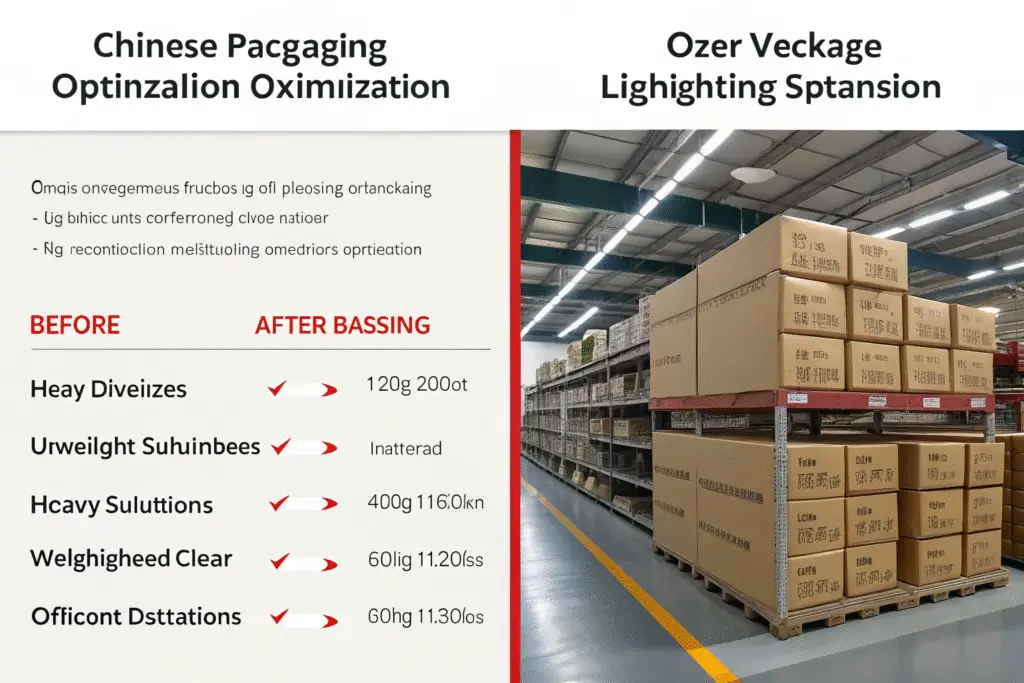
Effective packaging optimization includes right-sizing boxes, using lightweight materials, reducing dimensional weight penalties, and designing packaging that protects while minimizing bulk. The most successful approaches balance product protection with shipping efficiency, recognizing that packaging costs compound through the entire shipping process. Smart packaging decisions can reduce shipping costs by 15-30% while maintaining product integrity.
How Does Right-Sizing Packaging Impact Costs?
Using appropriately sized packaging reduces dimensional weight charges, which often determine shipping costs rather than actual weight. Most carriers charge based on whichever is greater – actual weight or dimensional weight. We helped a knitwear brand reduce their box size by 40% through better folding techniques and right-sized packaging, saving $2.85 per carton in shipping costs. Their packaging optimization also reduced material costs by 22%, creating double savings.
Why Are Lightweight Materials Crucial for Cost Reduction?
Every ounce saved in packaging materials reduces shipping costs, especially for air freight where weight directly determines pricing. Switching from corrugated cardboard to lightweight mailers or reducing internal packaging can create significant savings. A fashion brand switched from 24-ounce corrugated boxes to 14-ounce reinforced mailers for their knitwear, reducing their per-shipment cost by $1.75. The weight reduction strategy saved them $4,200 annually across their 2,400 shipments.
How Does Shipment Consolidation Save Money?
Consolidating multiple production runs or combining orders from different suppliers can dramatically reduce per-unit shipping costs through volume discounts and optimized container utilization.
Shipment consolidation strategies include combining multiple small orders into full container loads, using consolidation services for less-than-container loads, planning production to enable larger shipments, and coordinating with other brands when possible. Consolidation transforms small, expensive shipments into larger, cost-effective ones through better utilization of shipping capacity.
| Consolidation Strategy | Cost Reduction | Implementation Complexity |
|---|---|---|
| Full Container Loads | 25-40% savings | Medium – requires planning |
| Consolidation Services | 15-30% savings | Low – uses third parties |
| Production Planning | 20-35% savings | High – requires coordination |
| Multi-Brand Sharing | 30-50% savings | High – requires partnerships |
Why Are Full Container Loads More Cost-Effective?
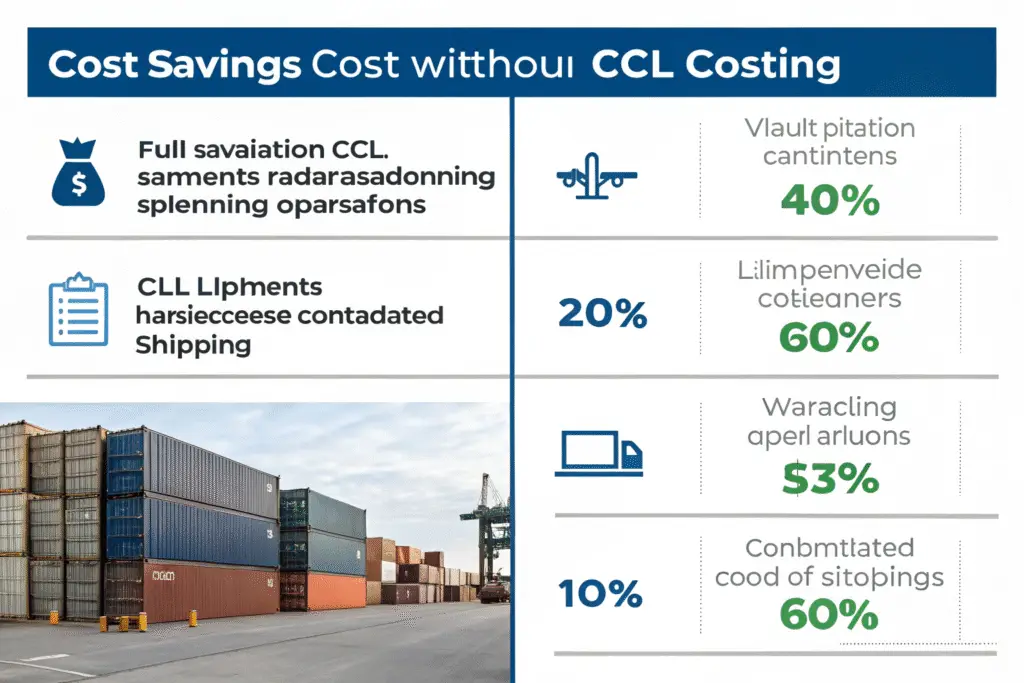
Shipping full container loads (FCL) rather than less-than-container loads (LCL) eliminates container sharing fees, reduces handling charges, and provides better pricing per unit volume. The cost difference can be 40-60% lower per garment. We helped a denim brand consolidate three separate LCL shipments into one FCL shipment, reducing their shipping cost from $8,500 to $4,200 for the same quantity. The consolidation strategy required careful production planning but delivered substantial savings.
How Can Consolidation Services Help Smaller Brands?
Freight consolidation services combine shipments from multiple companies into full containers, providing smaller brands access to volume pricing they couldn’t achieve independently. These services charge a fee but still deliver net savings. A startup using consolidation services reduced their per-unit shipping cost from $3.85 to $2.45 despite paying a 15% consolidation fee. The consolidation service approach made their overseas manufacturing financially viable despite smaller order quantities.
What Transportation Mode Selection Optimizes Costs?
Choosing the right transportation mode – air freight versus sea freight, or combinations of both – significantly impacts costs and delivery times. The optimal choice depends on your product value, urgency, and quantity.
Transportation mode optimization involves selecting air freight for high-value, time-sensitive goods; sea freight for bulk shipments with flexible timelines; and multimodal solutions that balance cost and speed. The most cost-effective approach often combines different modes based on product characteristics and business needs. Understanding the trade-offs between different transportation options enables informed decisions that align with your business requirements.

When Does Sea Freight Provide the Best Value?
Sea freight typically costs 70-85% less than air freight for equivalent volumes, making it ideal for large orders without urgent delivery requirements. The trade-off is longer transit times (30-45 days versus 5-10 days for air). A basic apparel brand shipping 10,000 units quarterly switched from air to sea freight, reducing their shipping costs from $28,000 to $7,500 per shipment. The sea freight strategy required increasing their inventory planning horizon but significantly improved their margins.
How Can Multimodal Solutions Balance Cost and Speed?
Multimodal shipping combines sea freight to regional hubs with air or truck delivery for the final segment, providing cost savings with improved speed over pure sea freight. This approach works well for brands needing faster delivery than sea freight allows but wanting to avoid full air freight costs. We helped a seasonal fashion brand use sea-air combination shipping through Dubai, achieving 35% cost savings versus pure air freight while cutting 15 days from pure sea freight timelines. The multimodal approach perfectly matched their seasonal planning needs.
What Negotiation Strategies Reduce Carrier Costs?
Building strong relationships with carriers and understanding shipping market dynamics enables effective negotiation that reduces costs without compromising service quality.
Effective carrier negotiation strategies include consolidating volume with fewer carriers, understanding and negotiating accessorial charges, committing to volume thresholds for better pricing, and building personal relationships with carrier representatives. The most successful negotiations focus on creating mutual value rather than simply demanding lower prices.

Why Does Volume Commitment Improve Pricing?
Carriers offer significantly better rates to clients who can commit to specific shipping volumes, as this predictability helps them optimize their capacity utilization. Even small brands can leverage volume commitments by focusing their shipments with selected carriers. A growing brand increased their shipping volume with one primary carrier from 15% to 70% of their shipments, achieving a 22% rate reduction through their volume commitment strategy. The consolidated volume gave them negotiating power despite their moderate size.
How Can You Reduce Accessorial Charges?
Accessorial charges for services like residential delivery, liftgate service, or inside delivery can add 15-40% to base shipping costs. Understanding these charges and minimizing them through operational adjustments creates significant savings. We helped a brand reduce their accessorial charges by 65% through simple changes like scheduling commercial address deliveries and using ground-level loading facilities. The accessorial charge management saved them $3,200 annually without affecting their customer experience.
How Does Shipping Timing Impact Costs?
Strategic timing of shipments can leverage seasonal pricing fluctuations and capacity availability to reduce costs. Understanding shipping market cycles enables smarter scheduling decisions.
Cost-saving timing strategies include avoiding peak season surcharges, leveraging shoulder season pricing, planning around Chinese holidays and factory closures, and understanding carrier capacity cycles. The most significant savings come from aligning your shipping schedule with market conditions rather than carrier preferences.
Why Does Avoiding Peak Season Save Money?
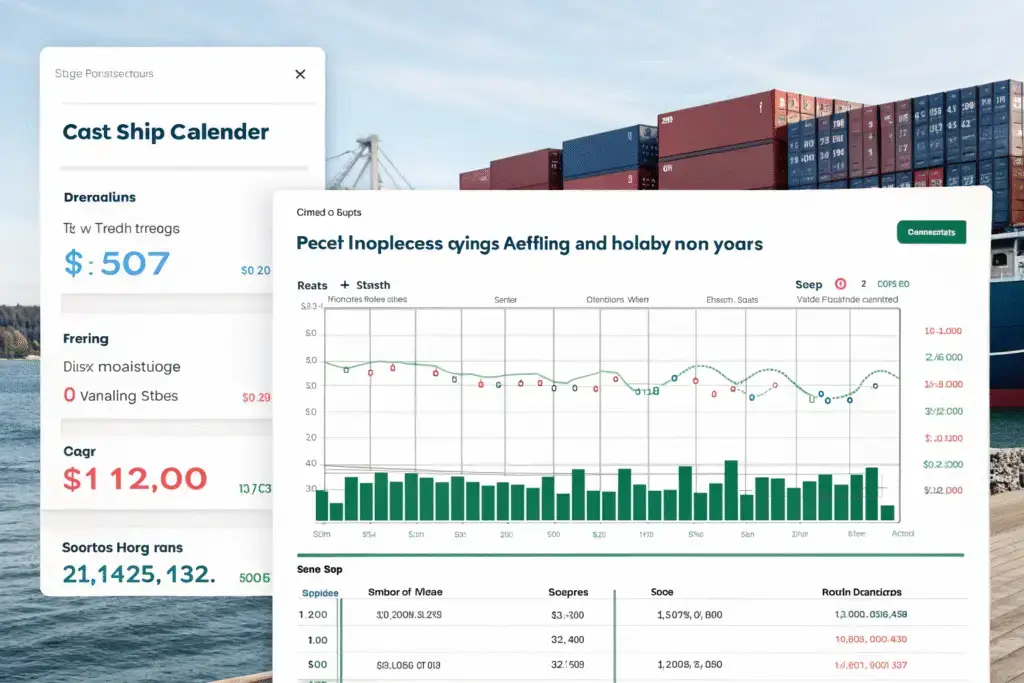
Shipping during peak seasons (August-October for holiday goods, January-February for Chinese New Year recovery) typically incurs 25-50% higher rates due to capacity constraints and peak season surcharges. Adjusting production schedules to ship during off-peak periods creates substantial savings. A brand shifted their production timeline to ship spring collection in November rather than January, avoiding Chinese New Year congestion and saving 32% on shipping costs. The strategic timing approach required earlier production but delivered significant financial benefits.
How Can You Leverage Shoulder Season Pricing?
Shoulder seasons (periods between peak and off-peak) often offer the best balance of reasonable rates and available capacity. Identifying these windows and planning shipments accordingly optimizes cost versus timing trade-offs. We help clients identify optimal shipping windows that balance cost savings with business needs. One client saved 18% annually by systematically shifting 60% of their shipments to shoulder season periods identified through our market analysis.
Conclusion
Reducing shipping costs requires a comprehensive approach that addresses packaging, consolidation, transportation mode selection, carrier negotiation, and strategic timing. The most successful brands implement coordinated strategies across all these areas, recognizing that shipping represents a significant and manageable cost component rather than a fixed expense.
Remember that the cheapest shipping option isn’t always the most cost-effective when considering total business impact. The optimal approach balances direct shipping costs with inventory carrying costs, customer service requirements, and operational efficiency. A holistic view ensures that shipping cost reductions support rather than undermine your broader business objectives.
Ready to implement a comprehensive shipping cost reduction strategy for your garment orders? Contact our Business Director, Elaine, today at elaine@fumaoclothing.com to discuss how our logistics expertise can help reduce your shipping costs while maintaining your quality and delivery standards.