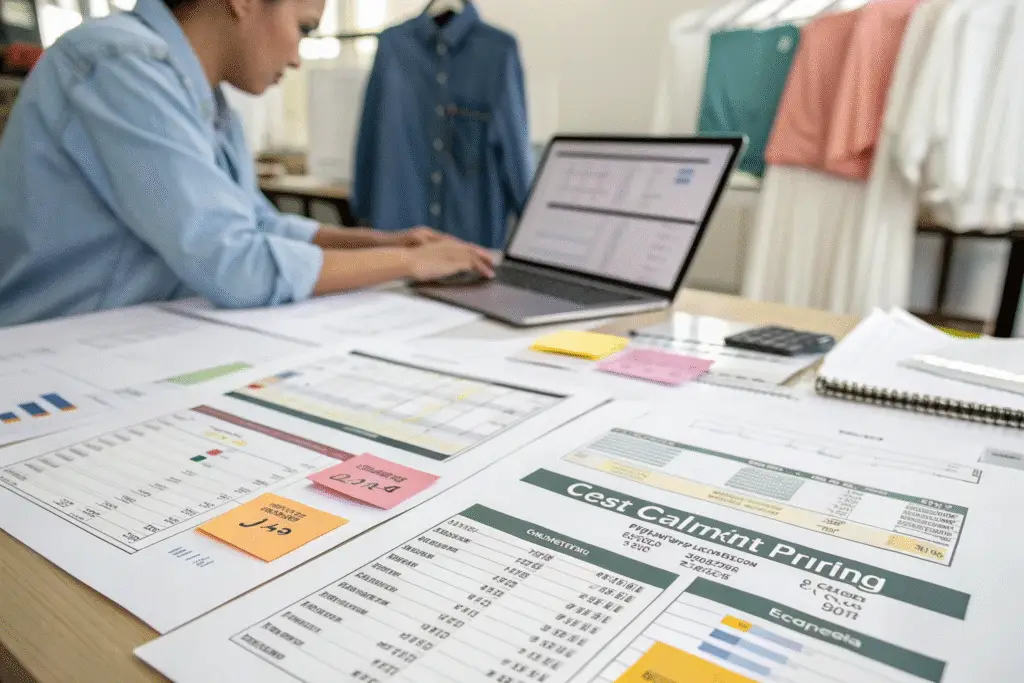
You've received a quotation for custom apparel that seems reasonable, but is this the actual total cost you'll pay? Many brands discover too late that the initial unit price was just the beginning, with hidden expenses emerging throughout production and shipping. Understanding how to calculate the true cost of custom apparel prevents budget overruns and ensures profitability.
Calculating the true cost of custom apparel requires accounting for manufacturing costs, materials, decoration, shipping, duties, and hidden expenses that don't appear in initial quotes. The true cost includes both direct manufacturing expenses and indirect costs like samples, testing, and inventory carrying costs that significantly impact your total investment. Many brands make the mistake of budgeting based solely on the per-piece manufacturing price, only to discover their actual costs are 20-40% higher once all factors are considered.
A startup activewear brand learned this lesson painfully when their $18.50 per unit quote became $27.35 actual cost after adding fabric testing, import duties, shipping surcharges, and unexpected sample revisions. The miscalculation turned their projected 45% margin into an actual 28% margin, jeopardizing their business model. After implementing comprehensive cost calculation methods, they now accurately forecast costs within 3% variance. Let's explore how to calculate your true apparel costs.
What Manufacturing Costs Are Often Overlooked?
The manufacturing process involves numerous cost components beyond basic labor and materials. Understanding these elements prevents surprises and enables accurate budgeting.
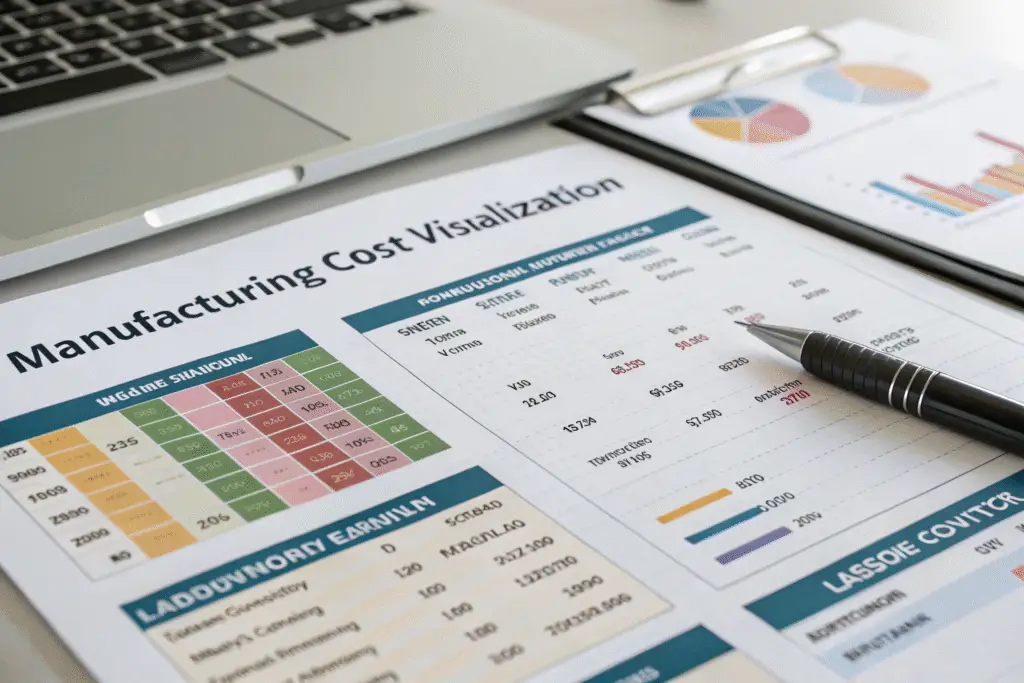
Often-overlooked manufacturing costs include pattern making, sample development, fabric waste, trim minimums, quality control, and factory overhead allocations. These expenses typically add 15-30% to the basic manufacturing cost and can make the difference between profitability and loss. Comprehensive cost analysis requires examining each production stage for potential additional expenses.
Why Does Fabric Waste Significantly Impact Costs?
Fabric waste from cutting patterns typically ranges from 15-25% of purchased fabric, depending on pattern efficiency and fabric width. Inefficient marker making or complex patterns can increase this percentage dramatically. We recently analyzed a client's asymmetrical dress design that generated 28% fabric waste instead of the standard 15% they had budgeted for, adding $3.25 to their cost per unit. Implementing pattern efficiency optimization reduced their waste to 18%, saving $1,850 on their 1,000-unit order.
How Do Sample and Development Costs Accumulate?
While many factories offer "free" initial samples, subsequent fit samples, size set samples, and pre-production samples often carry charges from $50-500 each. Complex designs requiring multiple iterations can accumulate thousands in unplanned development costs. A denim brand spent $2,300 on additional samples beyond their initial "free" sample because their design required four fit revisions and two wash development samples. We now provide clients with a transparent sampling cost schedule during quoting to prevent these surprises.
What Material Costs Extend Beyond Basic Fabrics?
Material costs encompass more than just main fabric, including trims, labels, packaging, and other components that collectively impact your total expense.
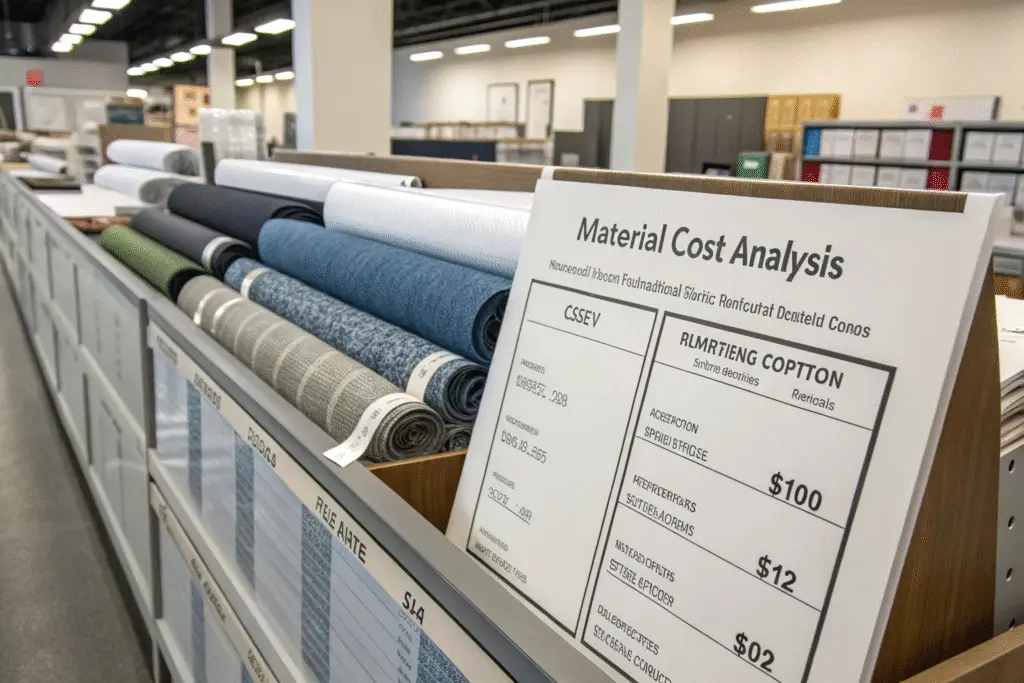
Material costs beyond basic fabrics include trims (zippers, buttons, elastics), labeling (main labels, care labels, size tags), packaging (polybags, hangtags, cartons), and any specialized components requiring minimum orders. These elements typically add 8-20% to your material costs and often have minimum order quantities that exceed your production needs.
| Material Category | Cost Impact | Minimum Order Considerations |
|---|---|---|
| Main Fabric | 45-65% of total cost | Mill minimums (500-2,000 yards) |
| Trims & Hardware | 5-15% of total cost | Component MOQs often high |
| Labeling | 2-5% of total cost | Setup charges for custom labels |
| Packaging | 3-8% of total cost | Custom printing minimums |
How Do Trim Minimums Increase Effective Costs?
Zippers, buttons, and other trims often have high minimum order quantities that exceed your production needs. You might pay for 10,000 custom buttons when you only need 2,500 for your current order, effectively increasing your per-unit cost. A sportswear brand paid $640 for custom aglets with their logo—enough for 12,000 units when their order was only for 3,000 pieces. The surplus inventory represented a 400% over-purchase that increased their effective cost by $0.14 per unit. Strategic trim selection matching order volume prevents this waste.
Why Does Packaging Often Exceed Budgets?
Custom packaging elements like printed polybags, hangtags, and retail boxes have setup charges and minimum quantities that small orders must absorb. A sustainable brand was surprised by $1,800 in costs for custom recycled polybags and FSC-certified hangtags that weren't in their initial quote. The packaging represented 9% of their total cost instead of the budgeted 5%. We now provide detailed packaging cost breakdowns during quoting to ensure accurate budgeting.
What Logistics and Compliance Costs Add to Totals?
Shipping, duties, and compliance requirements represent significant costs that many first-time importers underestimate. These expenses can add 15-35% to your manufacturing costs.
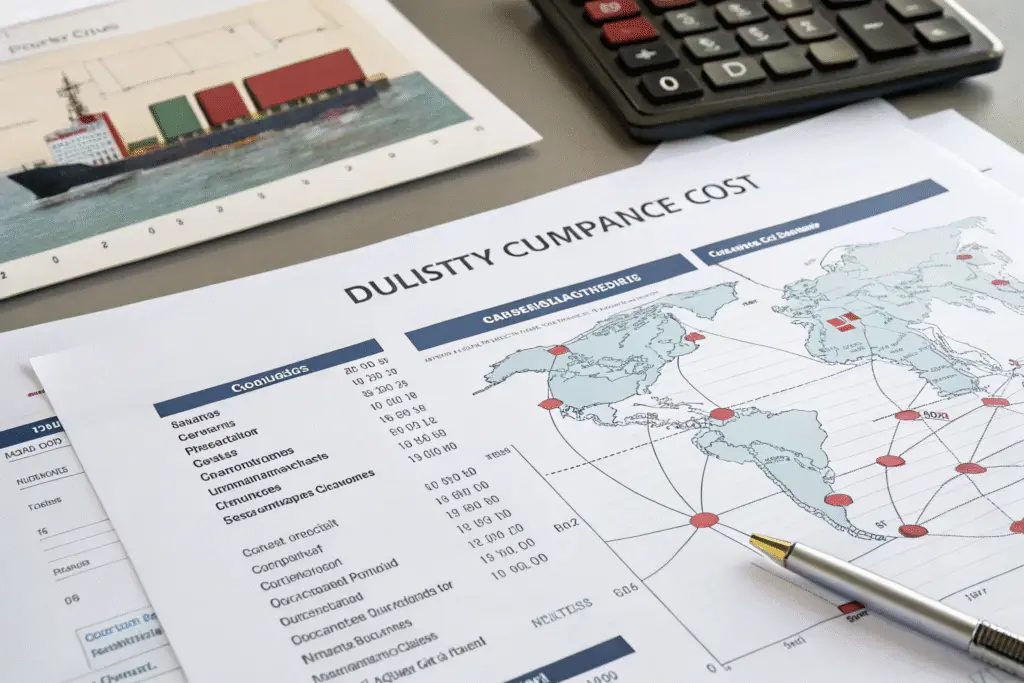
Logistics and compliance costs include ocean/air freight, insurance, customs duties, import taxes, compliance testing, and various handling fees. Understanding these expenses requires knowledge of Incoterms, duty rates for your product category, and destination market requirements. Proper planning for these costs prevents unexpected financial burdens upon shipment arrival.
How Much Do Duties and Taxes Impact Total Cost?
Import duties vary by product category and country of origin. For example, most knitted cotton apparel entering the US has duty rates of 10.2-16.5%, while synthetic fiber garments may range from 14.9-28.2%. Additionally, merchandise processing fees (0.3464% of shipment value) and harbor maintenance fees apply. A client importing $75,000 worth of sweaters was surprised by $12,800 in total import costs. Our duty calculation service now helps clients accurately forecast these expenses during budgeting.
What Testing and Certification Costs Should You Expect?
Fabric testing for colorfastness, shrinkage, pilling, and flammability typically costs $150-400 per test. Compliance certifications for standards like OEKO-TEX or GOTS can range from $500-2,000 depending on scope. A children's sleepwear brand didn't budget for $1,100 in mandatory CPSC flammability testing, turning their projected profit into a loss. We now include compliance cost assessment in our initial consultations to prevent such surprises.
How Do Decoration and Customization Affect Pricing?
Logo application and design customization represent significant cost variables that depend on method complexity, quantity, and placement.
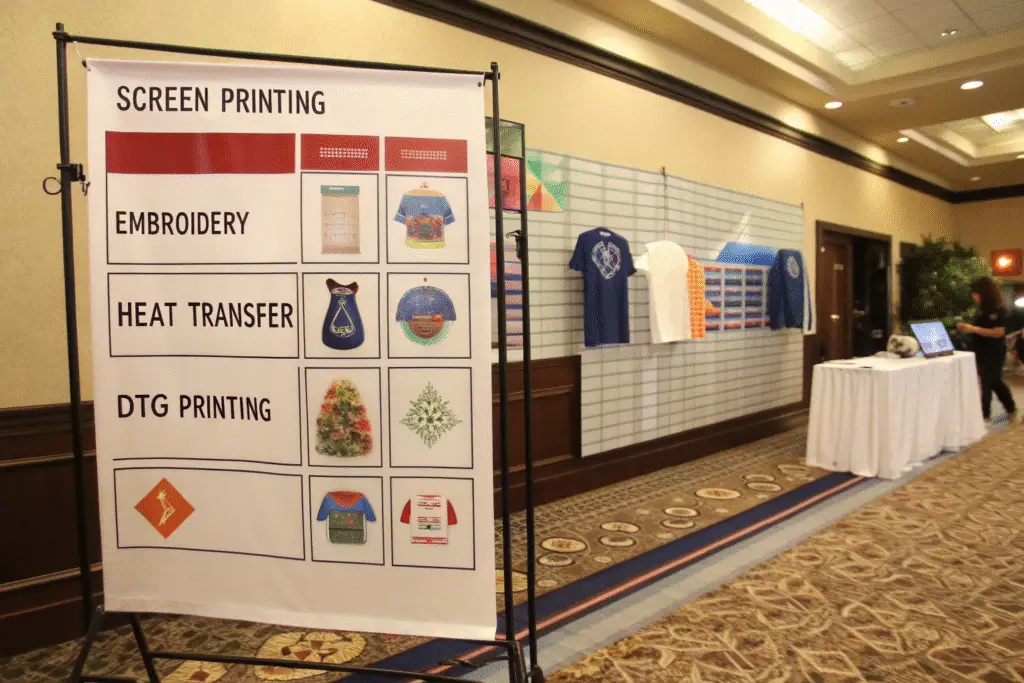
Decoration costs vary by method: screen printing ($1.50-4.00 per location), embroidery ($2.50-6.00 based on stitch count), heat transfer ($1.00-3.50), or direct-to-garment printing ($3.00-8.00). Additional factors include setup charges, color count, and placement complexity. Understanding these variables helps select the most cost-effective decoration method for your quantity and design.
Why Does Embroidery Cost Vary So Widely?
Embroidery pricing is primarily based on stitch count—the total number of stitches in your design. A simple 2,000-stitch logo might cost $2.50, while a complex 12,000-stitch design could cost $6.00. Additional factors include thread color changes and garment type. A corporate client reduced their embroidery cost by 40% by simplifying their logo from 8,500 to 4,200 stitches while maintaining brand recognition. The stitch count optimization saved them $1,050 on their 700-unit order.
How Can Design Placement Impact Costs?
Complex placements like sleeve or shoulder positions often require special handling and may incur higher charges. All-over prints or designs requiring precise pattern matching also increase costs. A fashion brand added $3.25 per unit by specifying a sleeve embroidery that required individual positioning instead of using our standard chest placement template. Understanding placement economics helps make cost-effective design decisions.
What Hidden and Operational Costs Complete the Picture?
Beyond direct manufacturing and shipping expenses, several hidden and operational costs significantly impact your total investment in custom apparel.
Hidden and operational costs include payment processing fees, currency exchange fluctuations, quality failure allowances, inventory carrying costs, and opportunity costs of capital tied up in production. These expenses typically add 5-15% to your total costs and are often overlooked in initial budgeting.

How Do Payment Terms Affect Your True Cost?
Payment processing fees for international transfers typically cost 1-3% of transaction value. Additionally, currency exchange rate fluctuations can impact costs by 2-8% depending on payment timing and market conditions. A brand paying in USD while we invoice in RMB experienced a 6.2% cost increase due to currency movement between deposit and balance payment. Our currency risk management advice now helps clients mitigate this exposure.
Why Must You Factor In Inventory Carrying Costs?
The capital tied up in production represents opportunity costs, storage expenses, and potential markdowns for unsold inventory. Carrying costs typically range from 20-30% of inventory value annually. A brand that over-ordered by 25% discovered their actual cost increased by 8% due to storage fees and eventual markdowns to clear excess stock. Understanding inventory economics helps optimize order quantities for true cost efficiency.
Conclusion
Calculating the true cost of custom apparel requires comprehensive analysis across manufacturing, materials, logistics, decoration, and hidden operational expenses. The most successful brands develop detailed cost models that account for all variables, enabling accurate pricing, margin management, and business planning.
Remember that the cheapest initial quote often becomes the most expensive option through hidden costs, quality issues, and operational inefficiencies. By implementing thorough cost calculation practices, you can make informed decisions that support sustainable business growth and profitability.
Ready to understand the true cost of your custom apparel project with complete transparency? Contact our Business Director, Elaine, today at elaine@fumaoclothing.com for a comprehensive cost analysis that leaves no expense unaccounted for.