You've decided to source your apparel manufacturing from China, attracted by the competitive pricing and manufacturing capabilities. But navigating the complex landscape of Chinese suppliers can be daunting. How do you avoid the common pitfalls that leave many brands with delayed shipments, quality issues, and unexpected costs? Implementing proven sourcing practices makes the difference between a successful partnership and a costly mistake.
The best practices for sourcing from China include thorough supplier verification, clear communication protocols, comprehensive quality control systems, understanding total costs beyond unit price, and building long-term partnership relationships. Successful sourcing goes beyond finding the lowest price to establishing reliable partnerships that deliver consistent quality, on-time delivery, and transparent communication. The most successful importers treat their Chinese suppliers as strategic partners rather than transactional vendors.
A Chicago-based fashion brand learned this lesson through painful experience when their first Chinese supplier delivered winter coats in February instead of October, missing the entire selling season. The $85,000 inventory write-off taught them to implement rigorous sourcing practices. Now they've successfully sourced 12 consecutive collections from China with a 99% on-time delivery rate. Let's explore the practices that ensure successful China sourcing.
How To Identify And Verify Reliable Chinese Suppliers?
Finding potential suppliers is easy, but verifying their reliability requires systematic due diligence. The verification process separates truly professional partners from those who overpromise and underdeliver.
Effective supplier verification involves factory audits, reference checks, certification validation, and capability assessments. Look for suppliers with proven experience in your specific product category, transparent business practices, and long-term client relationships. The goal is to identify partners who view your business as a strategic relationship rather than a one-time transaction.

Why Are Factory Audits Non-Negotiable?
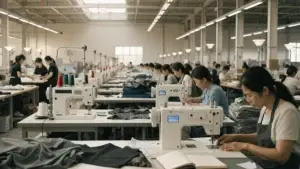
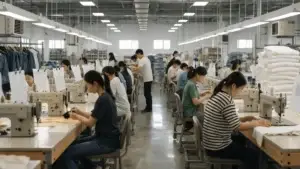
A comprehensive factory audit examines manufacturing capabilities, quality control systems, working conditions, and management practices. Either conduct audits yourself or hire third-party inspection services. We recommend clients visit our facility personally to see our operations, meet our team, and verify our capabilities. These factory assessments have helped brands identify potential issues like outdated equipment or inadequate quality systems before placing orders. One sportswear brand discovered during their audit that a potential supplier lacked the specialized sewing machines needed for technical fabrics.
How Important Are Reference Checks And Certifications?
Speaking with current clients provides insights into a supplier's real-world performance. Ask about communication responsiveness, problem-solving approach, and consistency. Also verify certifications like BSCI for social compliance, ISO 9001 for quality management, and OEKO-TEX for material safety. Our clients regularly speak with our long-term partners who can verify our performance history across multiple seasons and product categories. This reference checking has prevented several brands from partnering with suppliers who had hidden issues.
What Communication Strategies Ensure Project Success?
Clear, consistent communication is the foundation of successful China sourcing. Time differences, language barriers, and cultural differences can create misunderstandings without proper communication protocols.
Effective communication strategies include establishing single points of contact, scheduling regular update meetings, using visual references extensively, and creating detailed documentation for all requirements. The most successful sourcing relationships invest in communication infrastructure that prevents misunderstandings before they become costly errors.
| Communication Element | Best Practice | Impact |
|---|---|---|
| Primary Contacts | Designated reps for each side | Clear accountability |
| Update Schedule | Weekly production calls | Early issue identification |
| Visual References | Photos, videos, samples | Eliminates interpretation |
| Documentation | Detailed tech packs | Single source of truth |

Why Is A Single Point Of Contact Crucial?
Designating primary contacts on both sides streamlines communication and ensures accountability. Without clear ownership, messages get lost between departments. We assign a dedicated project manager to each client who becomes an expert on their specific requirements and preferences. This approach helped resolve a complex issue for a client when their fabric shipment was delayed - their dedicated manager coordinated across departments to adjust the production schedule without requiring client involvement.
How Can Visual Communication Prevent Errors?
Photos, videos, and physical samples communicate more effectively than written descriptions alone, especially across language barriers. Create comprehensive visual guides for quality standards, packaging requirements, and inspection procedures. We maintain a visual quality library showing approved and rejected examples for each client. This approach eliminated packaging errors for a client who had previously received garments with incorrect folding - now we reference photos of exactly how each garment should be presented.
What Quality Control Systems Ensure Product Consistency?
Implementing robust quality control throughout production prevents the costly discovery of issues after shipment. Quality must be monitored at multiple stages rather than just inspecting finished goods.
Effective quality control involves raw material inspection, in-process production checks, pre-shipment audits, and clear acceptance criteria. The AQL (Acceptable Quality Level) system provides a standardized approach for inspection sampling and defect classification. Consistent quality requires systematic monitoring rather than hope-based approaches.
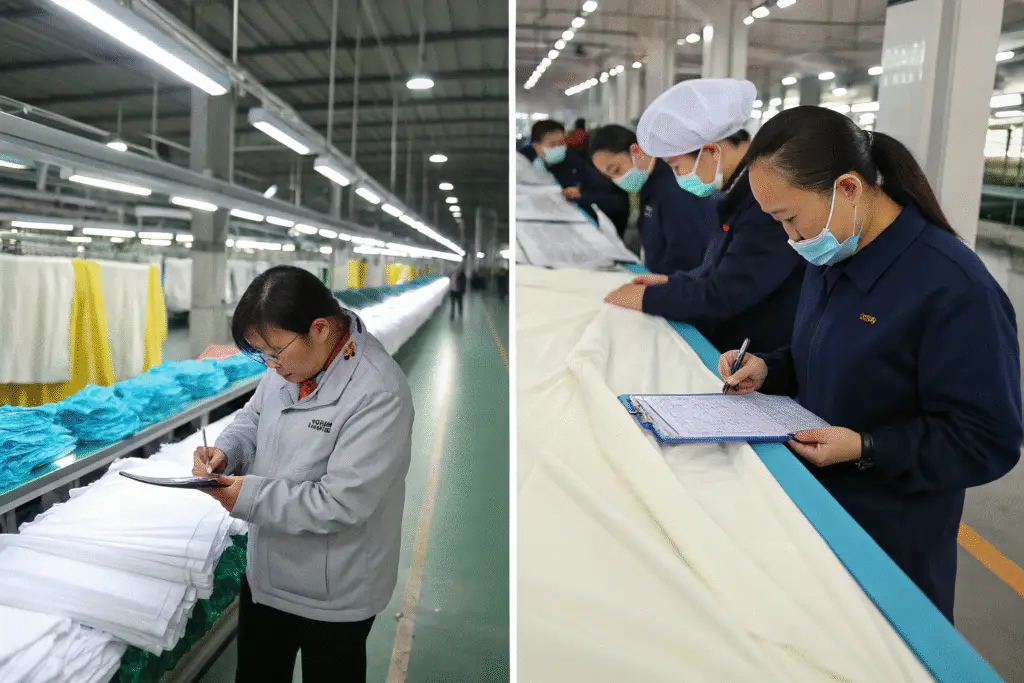
Why Is In-Process Quality Control More Effective Than Final Inspection?
Catching quality issues during production allows for corrections before errors multiply. Final inspection only identifies problems after all costs have been incurred. We implement in-process quality checks at critical production stages: after cutting, during sewing, and after finishing. This approach helped a client avoid a major issue when we detected inconsistent dye lots during cutting rather than after production was complete, saving $15,000 in potential rework costs.
How Does The AQL System Standardize Quality Acceptance?
The AQL system uses statistical sampling to determine how many units to inspect and defines acceptable defect levels. For general apparel, AQL 2.5 is standard for major defects and AQL 4.0 for minor defects. We provide clients with detailed inspection reports following AQL standards, including photographic evidence of any issues. This objective approach eliminated quality disputes with a client who had previously relied on subjective assessments from different inspectors.
How To Manage Logistics And Shipping Effectively?
Understanding and managing the logistics process is crucial for timely delivery and cost control. Shipping from China involves multiple steps that require careful coordination.
Effective logistics management includes understanding Incoterms, planning for lead times, preparing proper documentation, and building contingency plans for delays. The most successful importers develop strong relationships with freight forwarders and maintain visibility throughout the shipping process.

Why Is Understanding Incoterms Critical?
Incoterms define responsibility for costs and risks during shipping. Misunderstanding terms like FOB, EXW, or DDP leads to unexpected expenses and logistical problems. We educate clients about Incoterms selection based on their experience level and risk tolerance. A first-time importer avoided significant unexpected costs by choosing DDP shipping instead of FOB, as the all-inclusive price matched their need for simplicity despite the slightly higher cost.
How Can You Plan For Realistic Shipping Timelines?
Factor in production time, documentation preparation, customs clearance, and potential delays like weather or port congestion. Build buffer time into your schedule, especially for seasonal products. We provide clients with detailed production calendars that include conservative shipping estimates. This approach helped a holiday collection arrive in September instead of rushing for November, allowing for relaxed marketing and distribution.
What Financial Practices Protect Your Business?
Financial management in international sourcing requires understanding payment terms, currency risks, and total cost calculation beyond unit prices.
Sound financial practices include using secure payment methods, understanding total landed costs, verifying bank credentials, and maintaining financial records. Protecting your financial interests requires both caution and understanding of standard business practices in China.

What Payment Terms Balance Risk And Trust?
Standard payment terms in China often involve 30% deposit with order confirmation and 70% balance before shipment. For new relationships, consider using secure payment platforms or letters of credit. We offer staged payment terms that align with production milestones, providing security for both parties. This approach built trust with a new client who was hesitant about sending large deposits to an unknown supplier.
Why Must You Calculate Total Landed Costs?
The factory price is only part of your total cost. Include shipping, insurance, duties, taxes, and potential storage fees. Create comprehensive cost calculation templates that capture all expenses. A client avoided a 23% cost miscalculation by using our detailed cost breakdown that included often-overlooked items like merchandise processing fees and harbor maintenance charges.
Conclusion
Sourcing from China successfully requires a strategic approach that balances due diligence, clear communication, quality control, logistics management, and financial prudence. The most successful importers view their Chinese suppliers as long-term partners and invest in relationships that deliver consistent value beyond just low prices.
Remember that the cheapest initial price often becomes the most expensive option through quality issues, delays, and operational headaches. By implementing these best practices, you can build sourcing relationships that support your business growth with reliable quality and delivery.
Ready to implement these best practices with a proven Chinese manufacturing partner? Contact our Business Director, Elaine, today at elaine@fumaoclothing.com to discuss how our transparent sourcing approach can benefit your business.