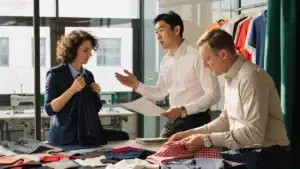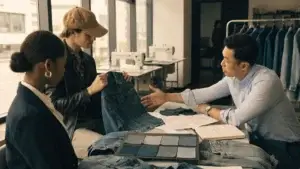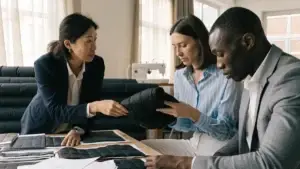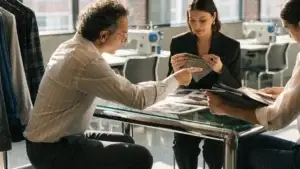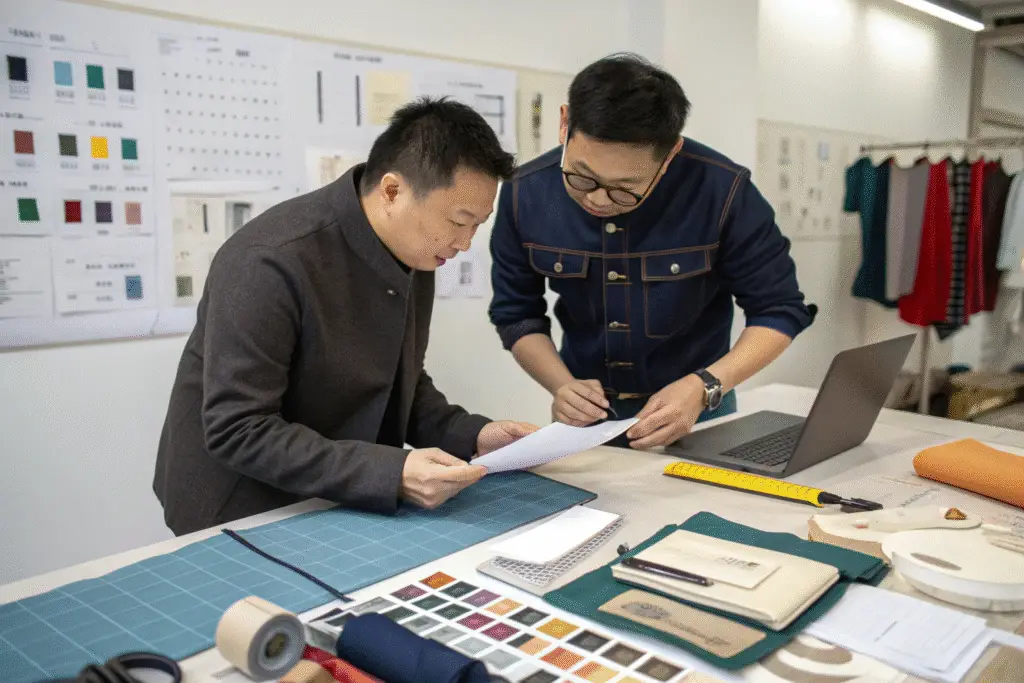
You have a beautiful design concept and a detailed tech pack. You're ready to jump into mass production to get your collection to market quickly. But wait - skipping the prototype sample stage could be the costliest decision you make. Why do experienced manufacturers and successful brands insist on creating prototype samples before full production begins?
A prototype sample is crucial because it transforms your two-dimensional design into a three-dimensional physical garment, allowing you to verify fit, test functionality, evaluate materials, and identify production issues before committing to mass production. This tangible representation serves as the single source of truth for all parties involved, preventing misinterpretations that can lead to expensive corrections during mass production. The prototype is your first opportunity to see, feel, and experience your design as a finished product.
A streetwear brand from Miami learned this lesson the hard way when they skipped proper sampling to meet a tight launch deadline. Their first production run of 5,000 hoodies had sleeve patterns that didn't align with the body graphics, making the garments unsellable. The $85,000 loss from that decision could have been prevented with a $350 prototype sample. Let's explore why this step is non-negotiable for successful apparel manufacturing.
What Problems Does A Prototype Sample Identify?
The prototype sample serves as your first reality check, revealing issues that are impossible to detect in digital designs or technical drawings. It acts as an early warning system for potential production disasters.
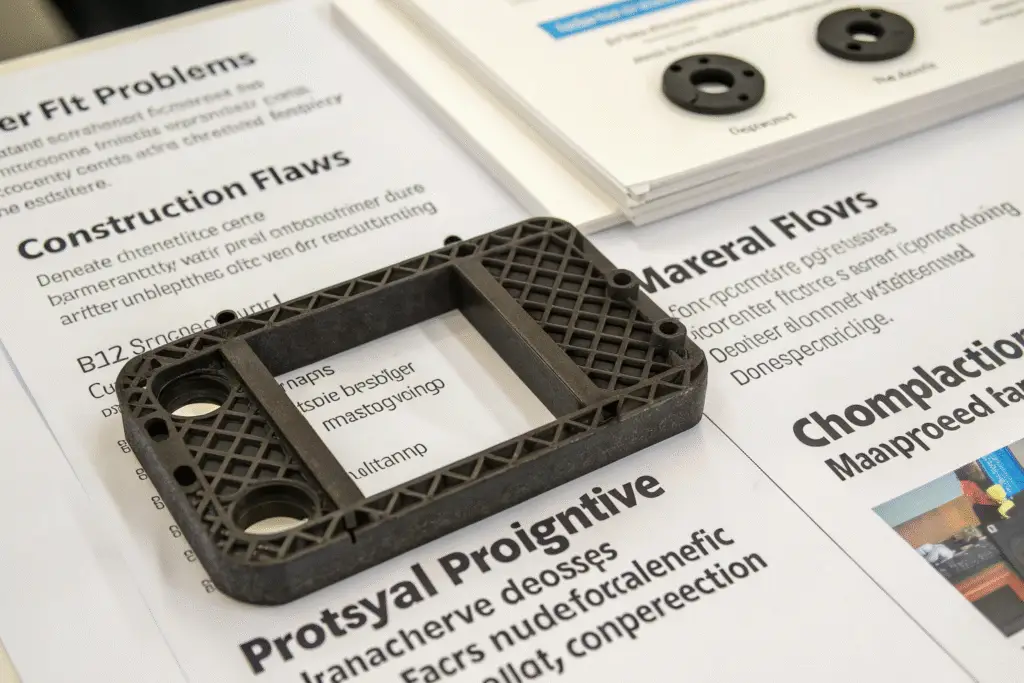
A prototype sample identifies fit problems, construction flaws, material incompatibilities, design impracticalities, and manufacturing challenges. It transforms theoretical specifications into testable reality, allowing you to catch errors when correction costs are minimal rather than catastrophic. The sample provides concrete evidence of how your design decisions translate into physical form.
How Does A Prototype Reveal Fit And Construction Issues?
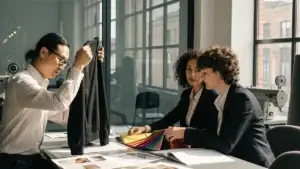
A prototype allows you to see how your garment actually fits on a body, revealing issues like tight armholes, incorrect sleeve pitch, or poor crotch construction that aren't apparent in flat sketches. You can assess ease, range of motion, and overall silhouette. We recently worked with a brand creating tailored blazers where the prototype revealed that the canvas and outer fabric had different shrinkage rates, causing bubbling after steam pressing. Catching this during prototype development allowed us to adjust the construction method before producing 800 units. The sample also showed that their designed sleeve head didn't provide enough ease for comfortable movement, requiring pattern adjustments.
What Material And Design Flaws Become Apparent?
The prototype demonstrates how your chosen fabrics behave in the finished garment - their drape, weight, stretch recovery, and how they interact with other materials. A activewear company discovered through sampling that their designed mesh insets created uncomfortable friction points during movement. Another client found that their decorative stitching caused the fabric to pucker unexpectedly. These material compatibility issues are often impossible to predict without creating a physical sample that can be tried on and tested under real-world conditions.
How Does A Prototype Sample Save Time And Money?
While creating a prototype requires an initial investment of time and money, this expense is minimal compared to the cost of correcting errors during mass production. The prototype stage is where you achieve the highest return on investment for your quality control efforts.
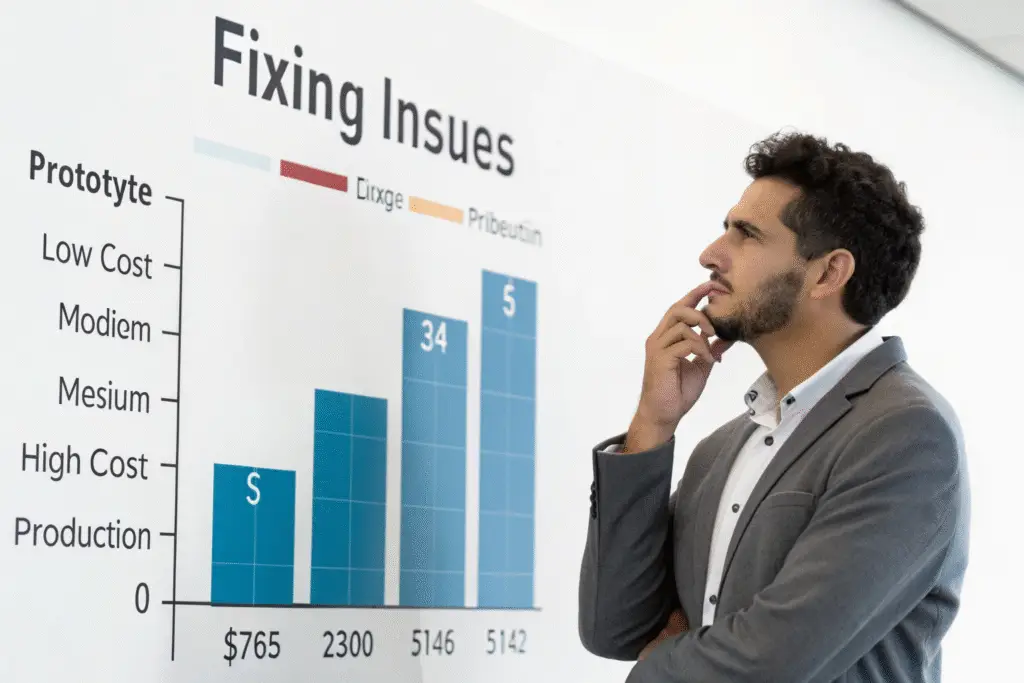
A prototype sample saves money by preventing bulk production of flawed garments, reducing revision cycles, minimizing material waste, and avoiding missed market deadlines due to production delays. It typically costs 50-100x less to fix a problem at the prototype stage than during mass production. This upfront investment protects your much larger production investment.
| Correction Stage | Typical Cost | Time Impact |
|---|---|---|
| Prototype Phase | $100-$500 | 1-2 weeks |
| During Production | $1,000-$5,000 | 3-4 weeks |
| After Production | $5,000-$50,000+ | 8-12 weeks |
How Much Can A Prototype Save In Production Errors?
The cost difference is dramatic. Adjusting a pattern during sampling might cost $200 in additional pattern making, while recutting fabric during mass production for the same issue could cost $5,000 in wasted materials and labor. A denim brand found through sampling that their pocket placement caused diagonal pulling across the hips. The pattern correction took two days and cost $350. If discovered during production of their 3,000-unit order, the cost savings would have been approximately $18,000 in fabric waste and rework, plus six weeks of delay.
How Does Prototyping Prevent Schedule Delays?
Identifying and resolving issues during prototyping prevents production line stoppages later. Factories cannot efficiently stop and restart assembly lines for major corrections without causing significant delays. We recently helped a client whose prototype revealed that their designed seam construction was too complex for efficient mass production. Addressing this during sampling added one week to their timeline, whereas discovering this issue during production would have caused a six-week delay while new equipment was sourced and workers retrained. This production planning benefit is often overlooked until delays occur.
How Does A Prototype Improve Communication And Alignment?
The prototype sample serves as a universal language between designers, product developers, and manufacturers. It bridges the gap between creative vision and technical execution, ensuring all parties share the same understanding of the final product.
A prototype improves communication by providing a physical reference that eliminates interpretation errors, establishes quality benchmarks, aligns stakeholder expectations, and serves as an approval basis for production. It transforms abstract descriptions into tangible standards. This alignment is especially crucial when working with overseas manufacturers where language and cultural differences can create misunderstandings.

How Does A Prototype Bridge The Design-Manufacturing Gap?
Designers and manufacturers often speak different languages - creative versus technical. The prototype translates aesthetic vision into manufacturable specifications. We worked with a designer who specified "soft, flowing drape" in their tech pack. The factory interpreted this differently until the prototype revealed the designer actually wanted a more structured silhouette than the factory had produced. The sample made the abstract term "drape" concrete, enabling precise technical communication about the desired effect and how to achieve it.
Why Is A Prototype Essential For Multi-Stakeholder Alignment?
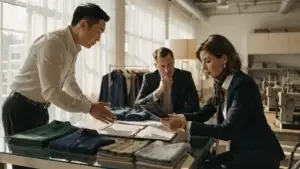
When buyers, merchandisers, designers, and production teams all review the same prototype, it ensures everyone has the same expectations before production begins. A prototype settled debates between a brand's design and marketing teams about pocket functionality versus aesthetics. The physical sample allowed both teams to test and experience the tradeoffs, leading to a consensus decision that wouldn't have been possible through discussion alone. This stakeholder alignment prevents costly changes after production has begun.
What Makes An Effective Prototype Sampling Process?
Creating a useful prototype requires more than just making a single sample. An effective process involves specific materials, construction methods, and evaluation procedures to maximize learning and minimize risk.
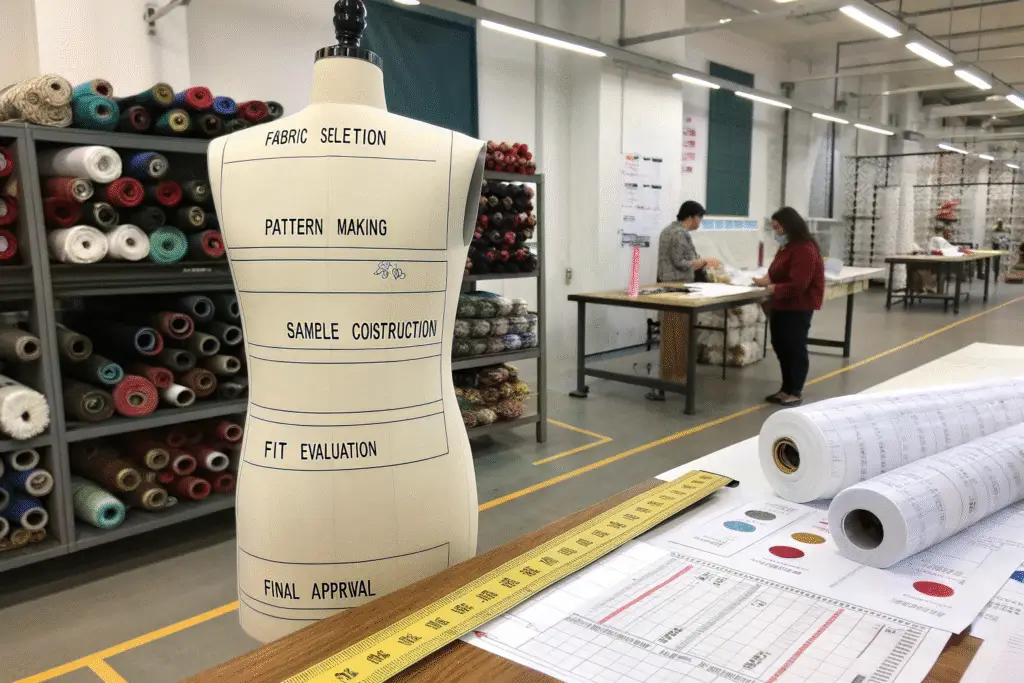
An effective prototype process uses actual production fabrics, includes all design details, undergoes rigorous testing, involves multiple try-on sessions, and results in clear approval documentation. The prototype should be as close to the final production garment as possible to provide meaningful insights. Half-measures in prototyping often lead to incomplete information and persistent risks.
What Materials Should Be Used In Prototype Samples?
Prototypes must use the exact fabrics, trims, and components planned for production whenever possible. Substituting materials defeats the purpose of testing how the final garment will behave. A sportswear brand made this mistake by prototyping with a similar but different stretch fabric than their production material. The production garments had unexpected tension issues that didn't appear in the prototype. We now insist on production-accurate materials for all prototypes, even when it requires ordering small quantities from mills specifically for sampling.
How Should Prototypes Be Evaluated And Approved?
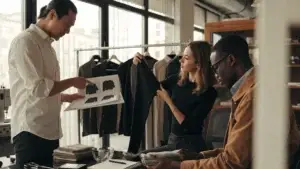
Create a standardized evaluation protocol that includes fit sessions on appropriate size models, movement tests, wash testing, and detailed inspection against the tech pack. Document feedback systematically with photos, notes, and specific revision requests. We provide clients with a structured sample evaluation form that covers 35 specific checkpoints. This systematic approach helped a client identify that their designed cuff construction limited wrist movement during golf swings - an issue that wasn't apparent during static fitting but crucial for their target customer.
Conclusion
The prototype sample is not an optional luxury in apparel manufacturing; it's an essential risk management tool that pays for itself many times over. By investing in thorough prototyping, you transform uncertainty into knowledge, preventing costly errors and ensuring your final product matches your creative vision. The sample serves as your insurance policy protecting your much larger production investment.
Remember that the cost of a comprehensive prototype process is minimal compared to the financial and reputational damage of a failed production run. A well-executed prototype aligns all stakeholders, verifies manufacturability, and ultimately determines whether your collection will succeed in the market.
Ready to implement a professional prototype process for your next collection? Contact our Business Director, Elaine, today at elaine@fumaoclothing.com to learn how our detailed sampling approach can save you time, money, and ensure your designs translate perfectly from concept to customer.