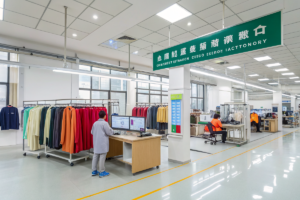
You’ve found the perfect manufacturer for your clothing line, negotiated the price, and are ready to place your order. But then comes the complex question of shipping and import duties. How do you ensure your goods arrive smoothly without unexpected fees or delays? For many apparel importers, the answer lies in DDP shipping.
DDP (Delivered Duty Paid) shipping means your manufacturer handles the entire shipping process, pays all costs including duties and taxes, and delivers the goods directly to your specified warehouse address. You pay one inclusive price and receive your shipment without dealing with customs clearance or surprise charges. This approach provides cost certainty and simplifies the import process, especially for brands new to international sourcing.
Many of our clients switched to DDP after experiencing frustrating surprises with other shipping terms. One client from California shared how their first shipment under DAP terms resulted in $4,200 in unexpected customs fees that nearly wiped out their profit margin. Let’s explore how DDP can provide a smoother, more predictable importing experience.
What Are The Key Benefits Of DDP For Clothing Importers?
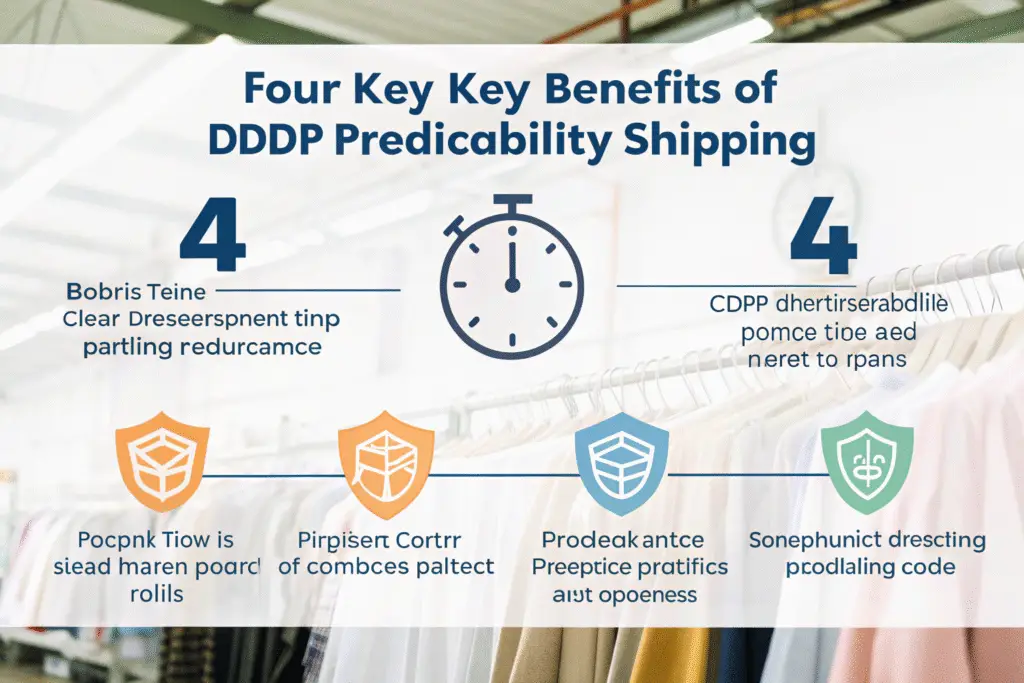
Choosing DDP shipping transforms your role from a logistics manager to a simple receiver of goods. This shift offers significant advantages that go beyond just convenience, directly impacting your bottom line and operational efficiency.
The main benefits include predictable total costs, simplified logistics, reduced administrative burden, and minimized risk of customs delays. You know your exact landed cost per garment upfront, which makes pricing and profitability calculations significantly more accurate. This transparency is particularly valuable for small to medium-sized brands that may lack dedicated logistics teams.
How Does DDP Provide Cost Certainty?
With DDP, you receive a single, all-inclusive price that covers manufacturing, ocean/air freight, insurance, customs duties, taxes, and final trucking to your door. There are no hidden costs or surprise bills. This allows for precise cost calculation and profit margin analysis. For example, a Miami-based swimwear brand we work with can now accurately calculate that their landed cost per bikini set is $8.75, enabling them to set retail prices with confidence. Before switching to DDP, they once received an unexpected $2,300 bill for customs bond fees that completely disrupted their financial planning for the quarter.
Why Does DDP Save Time And Reduce Stress?
DDP eliminates the need for you to find a freight forwarder, handle customs paperwork, or coordinate between multiple service providers. Your manufacturer becomes your single point of contact throughout the entire journey. We recently helped a startup in New York import their first collection of 5,000 organic cotton t-shirts. Under DDP, they simply provided their warehouse address and received their goods 45 days later. They estimated this saved them at least 20 hours of administrative work and eliminated the stress of navigating complex international trade regulations for the first time.
What Costs Are Included In A DDP Agreement?
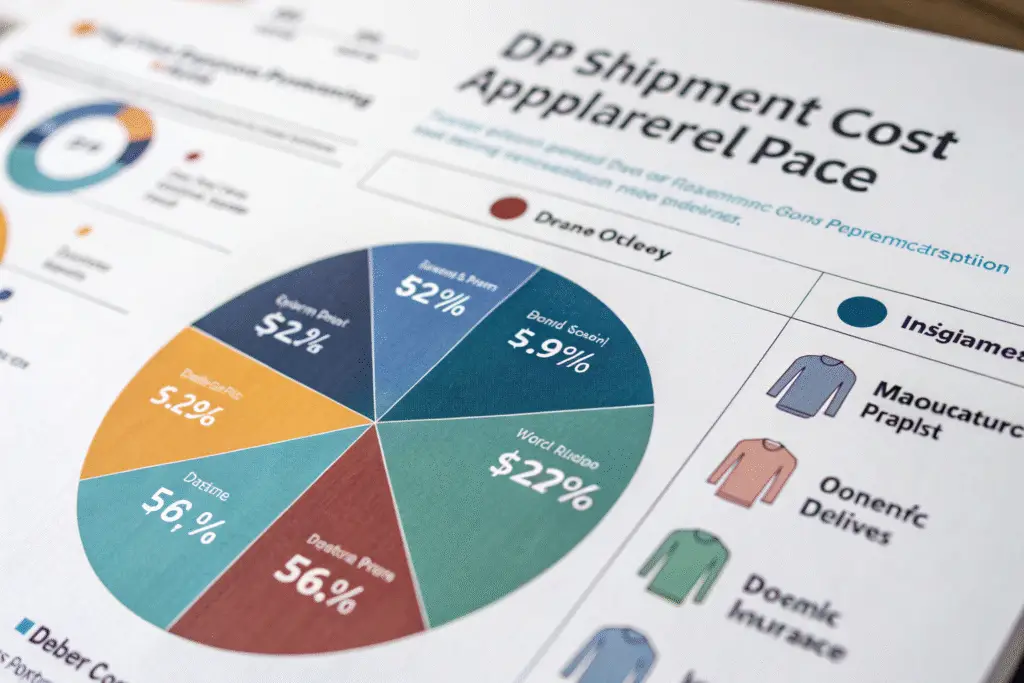
Understanding exactly what you’re paying for is crucial when evaluating DDP quotes from manufacturers. A comprehensive DDP agreement should cover every cost from factory exit to your warehouse entrance.
A complete DDP price includes: product manufacturing cost, export documentation, origin terminal charges, main ocean/air freight, marine insurance, destination port fees, customs clearance, import duties & taxes, and final truck delivery to your warehouse. Reputable manufacturers provide a detailed breakdown so you can see exactly where your money is going.
How Are Import Duties Calculated?
Import duties are calculated based on your product’s HTS (Harmonized Tariff Schedule) code and the declared value of your shipment. Different types of clothing have different duty rates. For example, most knitted cotton apparel has a duty rate of 10.2% to 16.5%, while synthetic fiber garments may range from 14.9% to 28.2%. An experienced apparel manufacturer will help classify your products correctly to ensure compliance. We recently assisted a client importing technical outerwear who was concerned about costs. By properly classifying their waterproof jackets under the correct HTS code, we secured a lower duty rate than they had budgeted for, saving them approximately $1.85 per jacket.
What About Taxes And Other Fees?
Beyond duties, your DDP price should include all applicable taxes like merchandise processing fees (MPF), harbor maintenance fees, and domestic sales tax where applicable. The MPF is typically 0.3464% of the shipment value. Some manufacturers try to exclude these smaller fees, but they add up. A complete DDP service includes every foreseeable cost. One of our clients previously worked with a supplier who quoted DDP but then requested additional payment for "unexpected port congestion fees." With our transparent DDP model, we absorb any such fluctuations as part of our service guarantee.
How Does The DDP Shipping Process Work?
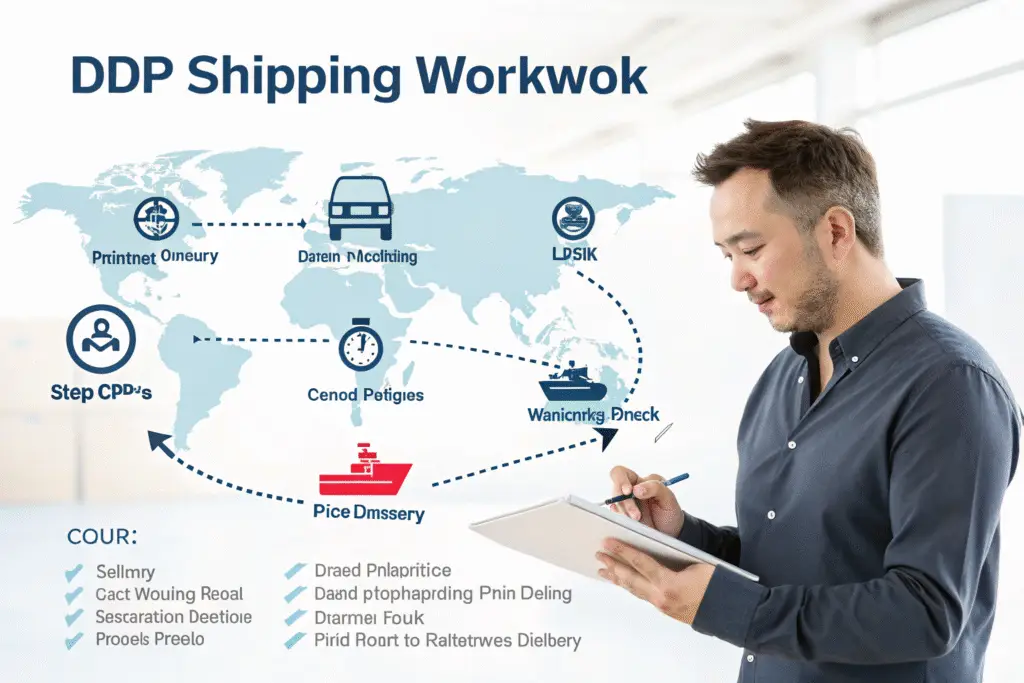
The DDP process follows a clear, managed workflow from production completion to your doorstep. Understanding each step helps you track progress and know what to expect throughout the journey.
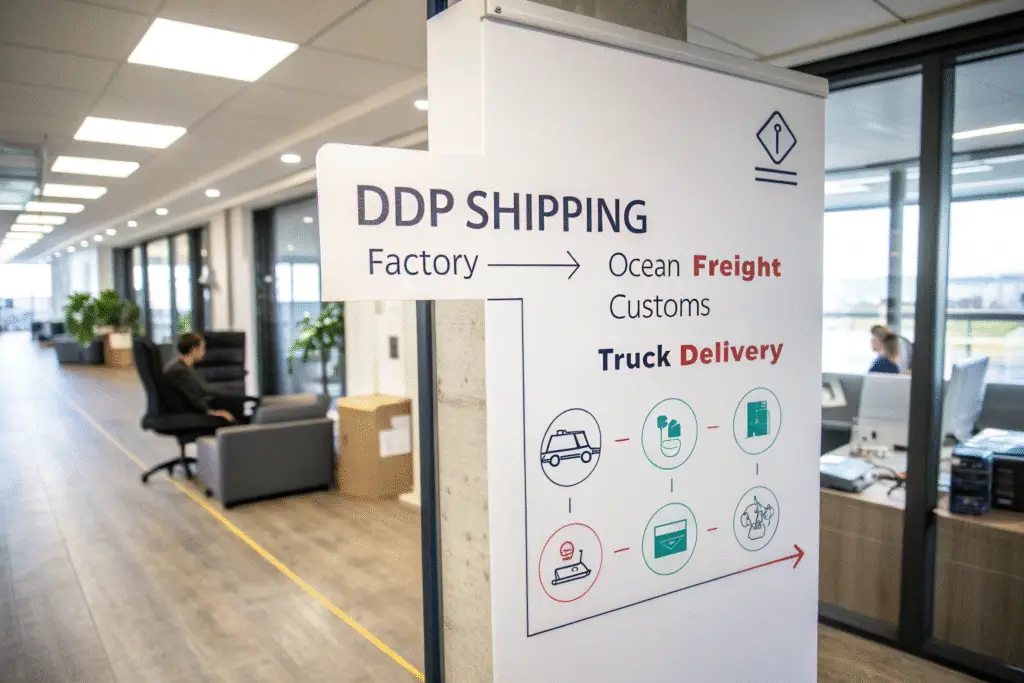
The process typically involves: production completion and quality inspection, export packaging and labeling, booking freight space, handling export formalities, ocean/air transportation, customs clearance at destination, payment of duties and taxes, and final ground transportation to your warehouse. At each stage, your manufacturer should provide updates and documentation.
What Documentation Is Required?
Proper documentation is the backbone of smooth customs clearance. Your manufacturer should prepare and provide: commercial invoice, packing list, bill of lading, certificate of origin, and any required textile labeling compliance documents. We create a complete document package for our clients and share digital copies in advance. Last month, we helped a client importing baby clothing navigate new safety certification requirements by ensuring all CPSIA documentation was properly prepared and included with their shipment, preventing potential customs holds.
How Long Does DDP Shipping Typically Take?
For ocean freight from China to major U.S. ports, expect 30-35 days for shipping plus 7-10 days for customs clearance and domestic delivery. West Coast deliveries typically take 35-45 days total, while East Coast shipments may require 45-55 days. These timelines account for modern supply chain management practices. A client in Seattle recently received their DDP shipment in 38 days door-to-door, which included a 5-day customs examination that we managed seamlessly without involving them.
What Are Common DDP Challenges And Solutions?
While DDP offers significant advantages, being aware of potential challenges helps you choose the right manufacturing partner and set appropriate expectations.
Common challenges include customs examinations, carrier delays, incorrect duty classification, and communication gaps. Working with an experienced manufacturer who has a proven track record with DDP shipments to your country minimizes these risks significantly. The key is transparency and proactive problem-solving.
How Are Customs Examinations Handled?
Approximately 3-5% of shipments undergo customs examination. Under DDP, your manufacturer’s logistics team handles this entire process, including coordinating with customs brokers, providing additional documentation if required, and covering any associated costs. There’s no action required from you. We recently had a shipment of knitted sweaters selected for examination. Our team provided the additional documentation within hours, and the shipment was released with only a 2-day delay, with no extra cost or effort required from our client.
What Happens If There Are Shipping Delays?
Reputable DDP providers monitor shipments closely and communicate proactively about any delays. They should have contingency plans for common issues like port congestion or carrier schedule changes. Look for manufacturers that provide regular tracking updates. Our quality control extends to our logistics partnerships too. We only work with A-rated carriers and maintain buffer time in our delivery estimates to account for potential delays, ensuring we still meet our promised delivery windows.
Conclusion
DDP shipping offers apparel importers a streamlined, predictable way to bring goods from international manufacturers to their warehouses. By consolidating all logistics, customs, and cost elements under one provider, you eliminate surprises and administrative burdens, allowing you to focus on growing your business rather than managing complex international shipping logistics.
The peace of mind that comes with knowing your exact landed costs and delivery timeline is invaluable for planning your inventory, marketing, and sales activities. With a transparent DDP partner, you can scale your import operations efficiently and profitably.
Ready to simplify your apparel importing with reliable DDP shipping? Contact our Business Director, Elaine, today at elaine@fumaoclothing.com to discuss how our comprehensive DDP service can make your next import smooth and predictable.