You want to create custom t-shirts that perfectly represent your brand, but the manufacturing process seems complex and mysterious. How do you transform your design concept into perfectly executed t-shirts that fit well, feel comfortable, and maintain consistent quality across production runs? Understanding the step-by-step process ensures you get exactly what you envision while avoiding costly mistakes and delays.
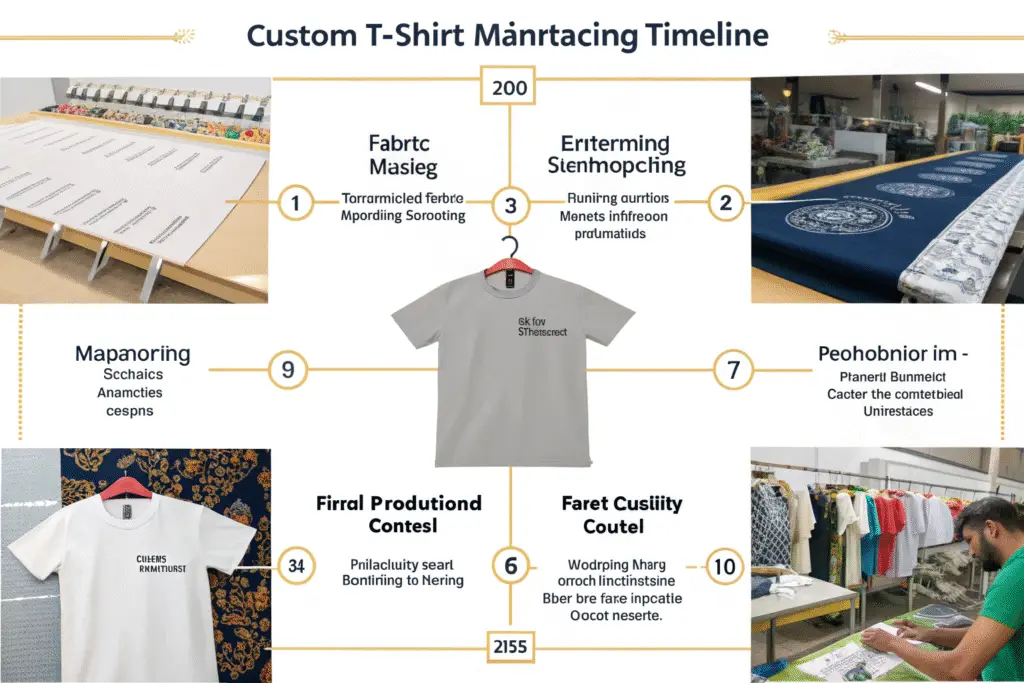
Custom t-shirt manufacturing follows a systematic process from design conceptualization to final delivery, involving fabric selection, pattern making, sampling, production, and quality control. This comprehensive approach ensures your t-shirts meet precise specifications for fit, quality, and branding while maintaining efficiency and cost-effectiveness. The process typically spans 6-10 weeks from initial concept to finished products, with each phase building upon the previous to refine and perfect your custom t-shirts. Let's explore each stage in detail to understand how your designs become reality.
What happens during the design and development phase?
The manufacturing journey begins long before production starts, with thorough preparation and planning that establishes the foundation for your entire order. This phase transforms your initial concept into manufacturable specifications that guide every subsequent step.
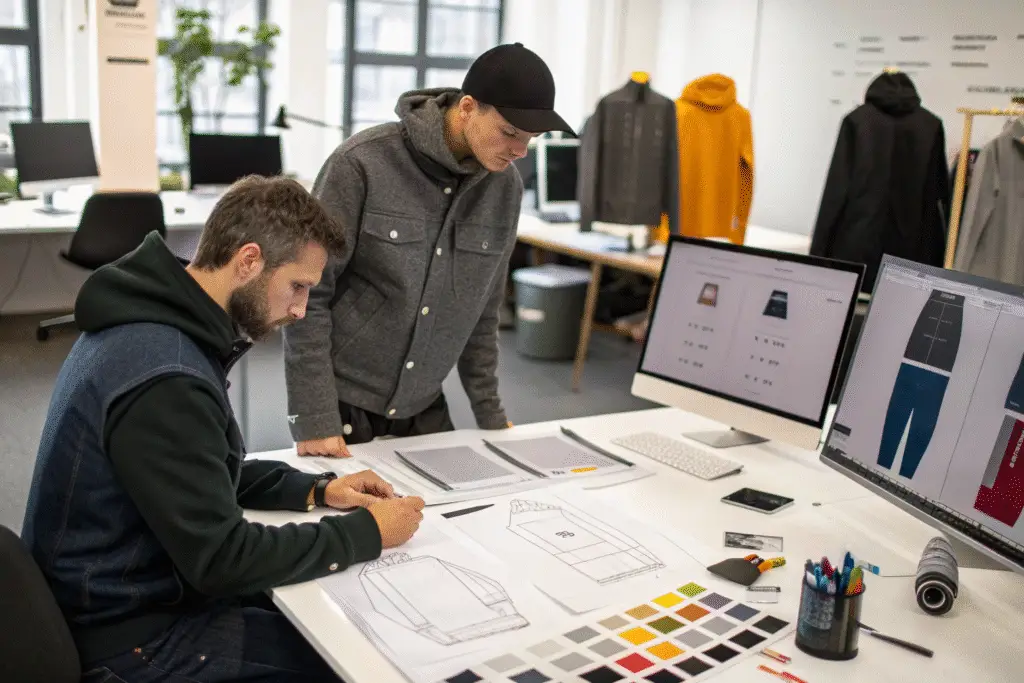
The development phase includes creating technical packages, selecting fabrics and trims, establishing fit standards, and planning production logistics. We require clients to provide complete tech packs including flat sketches with measurements, fabric specifications, color standards, and branding placement details. A startup streetwear brand recently learned the value of this preparation when their detailed tech packs enabled us to identify that their sleeve construction would require specialized sewing techniques—knowledge that helped them adjust their design before sampling, saving both time and cost in their product development process.
How important is fabric selection for t-shirts?
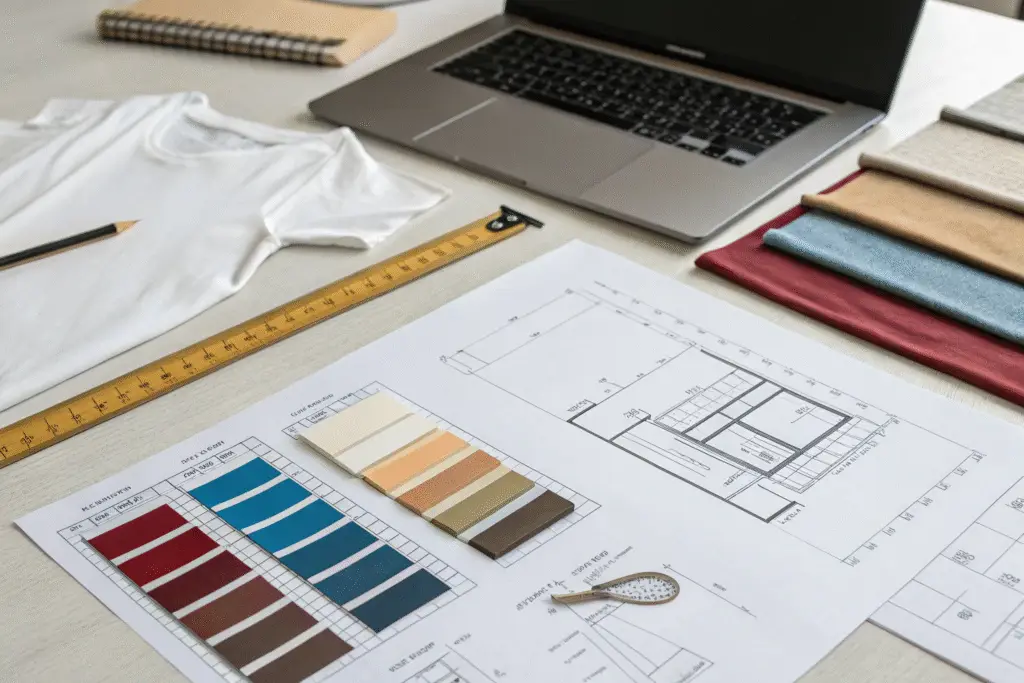
Fabric choice dramatically impacts your t-shirt's comfort, durability, appearance, and cost. The most common t-shirt fabrics include 100% cotton (various weights), cotton-polyester blends, triblends, and performance fabrics. We guide clients through selecting the optimal fabric based on their target price point, desired hand-feel, and performance requirements. A fitness brand discovered through our fabric consultation that a 60/40 cotton-polyester blend would provide better moisture management and durability than the 100% cotton they'd initially planned, better serving their active customers while reducing production challenges.
What technical specifications are needed?
Your tech pack should include complete measurement specifications for all sizes, stitch type requirements (coverstitch vs. overlook), seam construction details, neckline finishing methods, and branding application specifications. We recently helped a brand refine their tech pack to specify exact coverstitch requirements for their collar and hem finishes—this attention to detail ensured their samples matched their quality expectations from the first iteration, avoiding multiple sampling rounds that often delay new brands.
How does sampling ensure perfect results?
Sampling creates physical prototypes that validate your design, fit, and construction before committing to full production. This iterative process identifies and resolves potential issues when changes are still inexpensive and manageable.
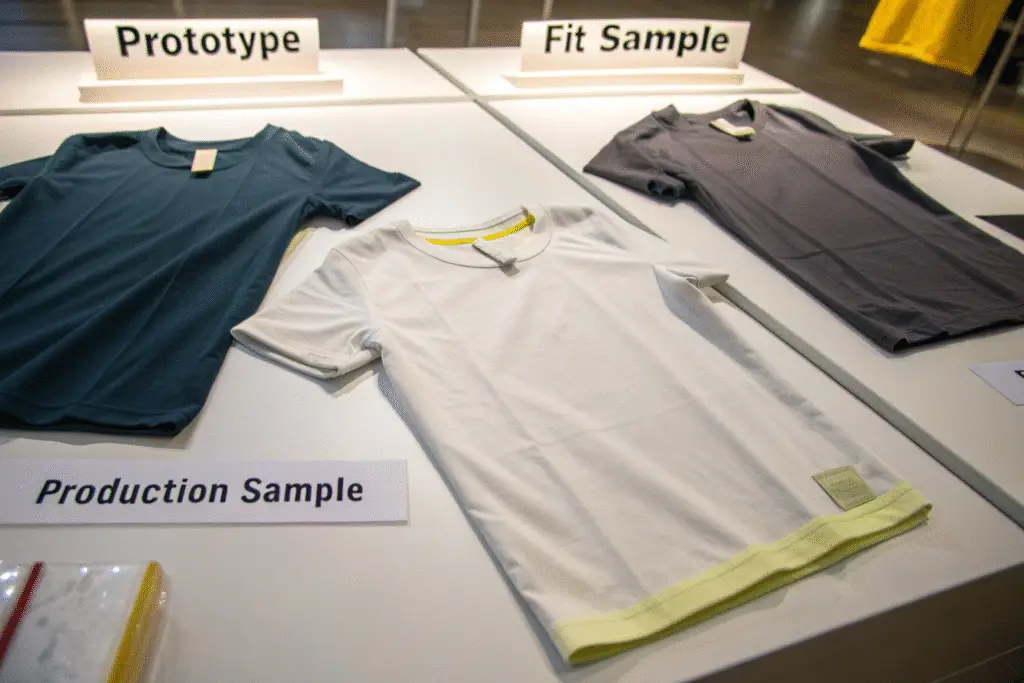
The sampling process typically involves creating proto samples to check basic shape and construction, followed by fit samples tested on live models to verify sizing and comfort. We create size sets (samples in multiple sizes) to ensure consistent fit across your size range. A contemporary brand avoided a fit disaster when their fit samples revealed that their chosen fabric stretched differently than anticipated, causing their medium size to fit like a large. This early discovery allowed us to adjust their pattern grading before production, ensuring consistent fit across all sizes.
What is the purpose of each sample type?
- Proto samples: Verify basic construction and design execution
- Fit samples: Test garment on live models to perfect sizing
- Production samples: Confirm final specifications before bulk production
- TOP samples (Top of Production): Randomly selected from first production run to verify quality
We recently implemented an enhanced sampling process that includes wear-testing samples to evaluate how fabrics and construction hold up through multiple washes—valuable feedback that helped a brand improve their t-shirt's durability before production.
How many sampling rounds are typically needed?
Most custom t-shirt projects require 2-3 sampling rounds to perfect fit, fabric, and construction details. The complexity of your design, fabric behavior, and fit requirements determine the exact number. A basic t-shirt with standard measurements might require only 2 rounds, while a fashion-forward silhouette with unique details could need 3-4 iterations. We provide clients with a clear sampling timeline upfront so they can plan their product development schedule accurately.
What occurs during production and manufacturing?
Once samples are approved, production begins with fabric procurement, pattern grading, marker making, and cutting before moving to sewing, finishing, and quality control. This phase transforms your approved samples into your complete order.
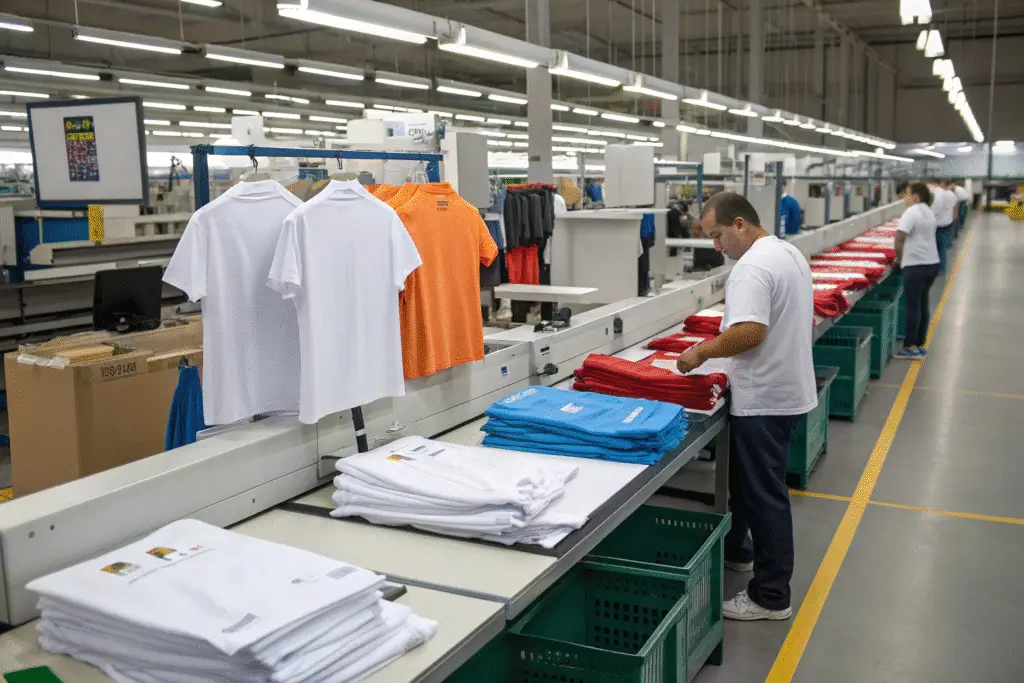
Production starts with sourcing and testing all materials, then creating production patterns graded for all sizes. We use computerized cutting for precision and efficiency, then move cut pieces to specialized sewing lines organized by operation. A recent client was impressed by our modular production approach where t-shirts move through dedicated stations for shoulder seams, neckline application, side seams, sleeve setting, and hemming—this specialized production workflow ensures consistent quality and efficiency.
How is fabric prepared for production?
Fabric undergoes several preparation steps including relaxation (allowing fabric to rest after rolling), shrinkage testing, and spreading for cutting. We recently helped a brand avoid excessive shrinkage issues by conducting comprehensive wash testing on their fabric before cutting—this identified that their chosen cotton jersey shrank 8% lengthwise, allowing us to adjust their patterns accordingly so finished garments maintained correct dimensions after customer washing.
What quality control measures are implemented during production?
Quality control occurs at multiple stages: fabric inspection upon arrival, in-process checks during sewing, and final inspection of finished garments. Our quality team conducts random checks at each production stage, measuring critical points and checking construction against approved samples. A brand specializing in premium basics appreciated our detailed quality documentation that tracked every inspection point, providing them with confidence in their product consistency and valuable data for their customer service team.
How are branding and customization applied?
Branding application represents your final opportunity to customize your t-shirts and make them uniquely yours. The application method significantly impacts appearance, durability, and cost, making this an important strategic decision.
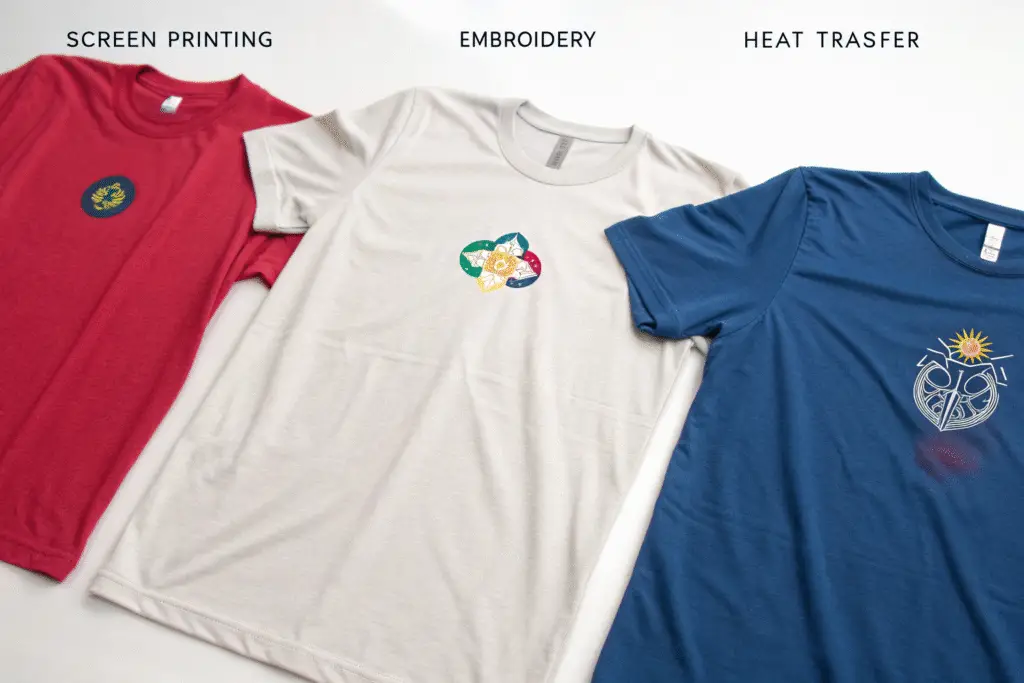
Common branding methods include screen printing, heat transfer, embroidery, and direct-to-garment printing, each with different characteristics, durability, and cost implications. We guide clients in selecting the optimal method based on their design complexity, quantity, fabric type, and budget. A startup learned the importance of method selection when their detailed multi-color design proved cost-prohibitive with embroidery but worked perfectly with screen printing at their 500-piece quantity, achieving their visual goals while staying within budget.
How do you choose the right branding method?
- Screen printing: Ideal for simple to moderate designs, larger quantities, best durability
- Embroidery: Premium look, excellent durability, works well for logos and simple text
- Heat transfer: Full-color designs, smaller quantities, moderate durability
- DTG printing: Photographic quality, smallest quantities, variable durability
We recently helped a brand navigate this decision by creating samples using different application methods—seeing the actual results helped them select embroidery for their logo and screen printing for their graphic elements, creating a sophisticated mixed-media approach.
Don't overlook the importance of care labels, size tags, and brand labels in completing your custom t-shirts. These elements require their own specifications including material, attachment method, and placement. A sustainable brand appreciated our guidance on eco-friendly labeling options, selecting recycled polyester labels and soybean-based ink printing that aligned with their environmental values.
What happens during final inspection and delivery?
The final phase ensures your t-shirts meet all quality standards before shipping and manages the logistics of getting your finished products to their destination efficiently and reliably.
Final inspection involves checking a statistical sample from your production run against predetermined quality standards, typically following AQL (Acceptable Quality Level) methodology. Approved garments are then folded, tagged, packaged, and prepared for shipping. We recently implemented an enhanced inspection process that includes measuring random samples from throughout the production run—this approach identified a minor sizing drift in mid-production that we corrected before it affected a significant portion of the order.
What standards govern final inspection?
We follow internationally recognized AQL standards, typically using AQL 2.5 for critical defects and AQL 4.0 for minor defects, though these can be adjusted based on client requirements. A luxury brand requested stricter AQL 1.5 inspection for visible defects—while this increased inspection time slightly, it ensured their quality expectations were fully met and reduced potential customer returns.
How are shipping and logistics managed?
We coordinate packaging according to client specifications, complete all export documentation, and arrange shipping via optimal methods based on timeline and budget. A direct-to-consumer brand appreciated our customized packaging service that included individual poly bags with custom stickers and carton box branding—creating a premium unboxing experience that supported their brand positioning and generated positive social media exposure.
Conclusion
Custom t-shirt manufacturing is a detailed, multi-stage process that transforms your design concept into professionally executed products. From initial technical development through sampling, production, and final delivery, each phase builds upon the last to ensure your t-shirts meet exact specifications for fit, quality, and branding. Understanding this process helps you plan effectively, make informed decisions, and ultimately receive t-shirts that perfectly represent your vision and quality standards.
The most successful custom t-shirt projects result from strong partnerships between brands and manufacturers, with clear communication and realistic expectations throughout the process. For guidance navigating your custom t-shirt manufacturing journey, contact our Business Director Elaine at elaine@fumaoclothing.com. Let's transform your t-shirt concepts into perfectly executed products that your customers will love.