You're designing your collection and facing one of the most critical decisions: fabric selection. The right choice elevates your designs, delights customers, and builds your brand reputation, while the wrong choice leads to poor performance, returns, and damaged credibility. With thousands of fabric options available, how do you navigate this complex landscape to find materials that align with your vision, budget, and quality standards?
Choosing the right fabric requires balancing aesthetic vision, functional requirements, cost constraints, and manufacturing feasibility. The optimal fabric enhances your design's drape, structure, and movement while meeting performance expectations for your specific category and price point. Successful fabric selection involves understanding fiber properties, construction methods, finishing techniques, and how these elements interact with your garment's intended use, care requirements, and target customer expectations. Let's explore a systematic approach to making informed fabric decisions that support your design vision and business objectives.
What are the key fabric characteristics to consider?
Fabric selection begins with understanding the fundamental properties that determine how a material will look, feel, and perform. These characteristics interact to create the overall hand-feel, drape, and durability that define your garment's quality and customer experience.
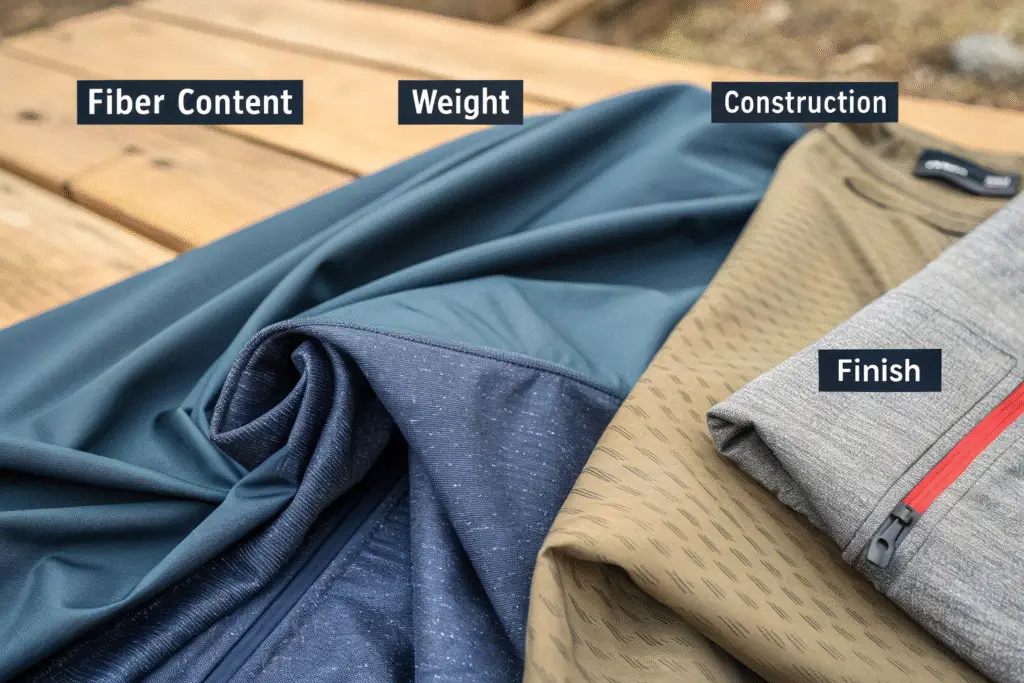
The most critical fabric properties include fiber content (natural, synthetic, or blends), weight (GSM or ounces per square yard), construction (knit vs. woven), stretch percentage and recovery, and finish (brushing, coating, washing). A activewear brand learned this comprehensively when they selected a fabric based solely on stretch and price, only to discover poor moisture-wicking properties caused customer discomfort during intense exercise. Their next collection succeeded by evaluating all key characteristics together, choosing a moisture-wicking blend with four-way stretch and odor resistance that performed as beautifully as it looked.
How does fiber content impact performance?
Natural fibers like cotton, wool, and silk offer breathability, comfort, and biodegradability but may lack durability and shrink if not properly finished. Synthetic fibers like polyester and nylon provide strength, elasticity, and wrinkle resistance but can trap moisture and generate static. Blends combine advantages—cotton-polyester mixes offer comfort with durability, while wool-nylon blends add strength to delicate wools. A luxury knitwear client achieved their perfect balance by selecting a 85% merino wool/15% nylon blend that maintained wool's natural temperature regulation while adding the durability needed for their sophisticated travel-focused designs.
Why is fabric weight crucial for design outcome?
Fabric weight directly influences drape, structure, seasonality, and perceived quality. Lightweight fabrics (under 150 GSM) offer fluid drape for flowing silhouettes but may require lining for opacity. Medium weights (150-250 GSM) provide structure for tailored pieces, while heavy fabrics (300+ GSM) create substantial outerwear with inherent warmth. We helped a contemporary brand avoid a costly mistake when their chosen 180 GSM fabric lacked the body needed for their structured blazer—switching to a 280 GSM wool blend provided the architectural silhouette they envisioned while actually reducing production challenges with handling and pressing.
How do you match fabric to garment type and function?
The most successful fabric choices align with the garment's intended use, movement requirements, and care expectations. Different apparel categories have established fabric standards for good reason—these materials have proven their performance through extensive real-world testing and customer feedback.
Consider your garment's functional requirements: activewear needs stretch recovery and moisture management, outerwear requires weather protection and durability, while luxury eveningwear demands exquisite drape and hand-feel. A sustainable workwear brand transformed their product performance by moving from a basic cotton twill to a technical twill blend with stretch, stain resistance, and wrinkle recovery—maintaining their aesthetic while dramatically improving functionality for their professional customers who needed to look polished throughout long workdays.
What fabrics work best for different apparel categories?
- Knitwear: Cotton, wool, or blend jerseys, ribs, and sweaters with good recovery
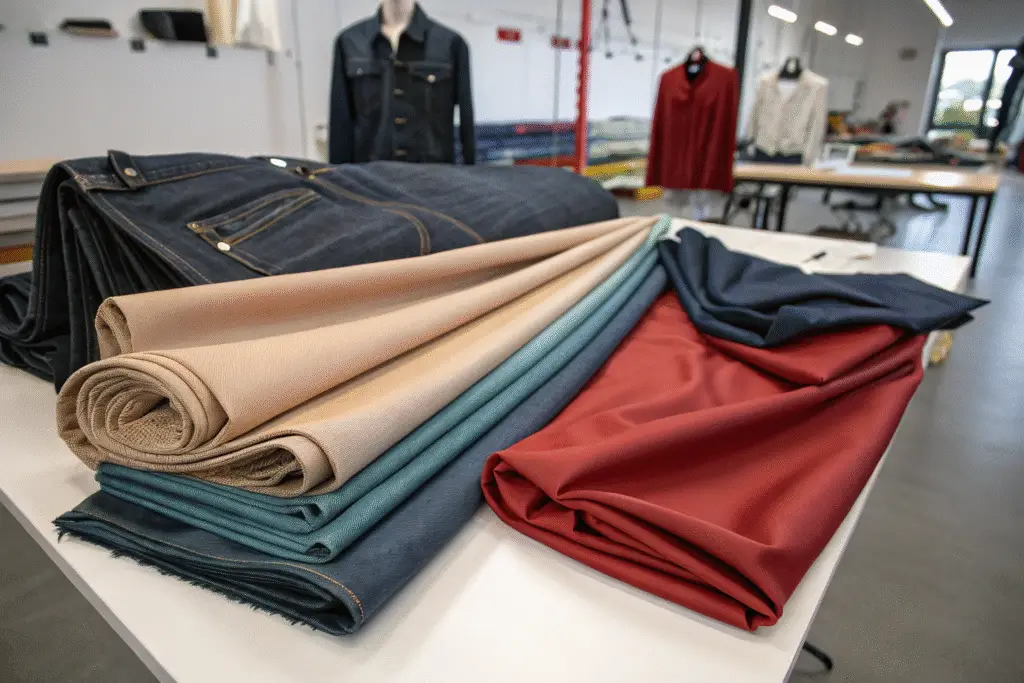
- Woven bottoms: Denim, twill, or canvas with minimal stretch for structured styles
- Shirting: Cotton poplin, broadcloth, or linen with crisp hand-feel
- Outerwear: Technical fabrics with weather resistance or substantial wools for coats
- Dresses: Flowing rayons, crepes, or jerseys depending on silhouette
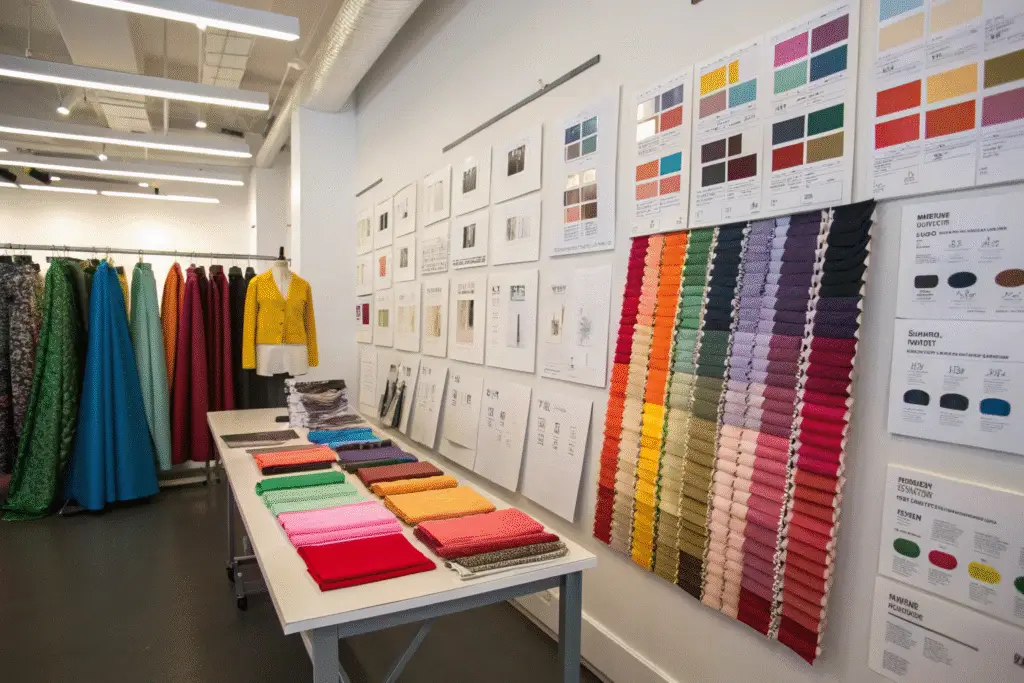
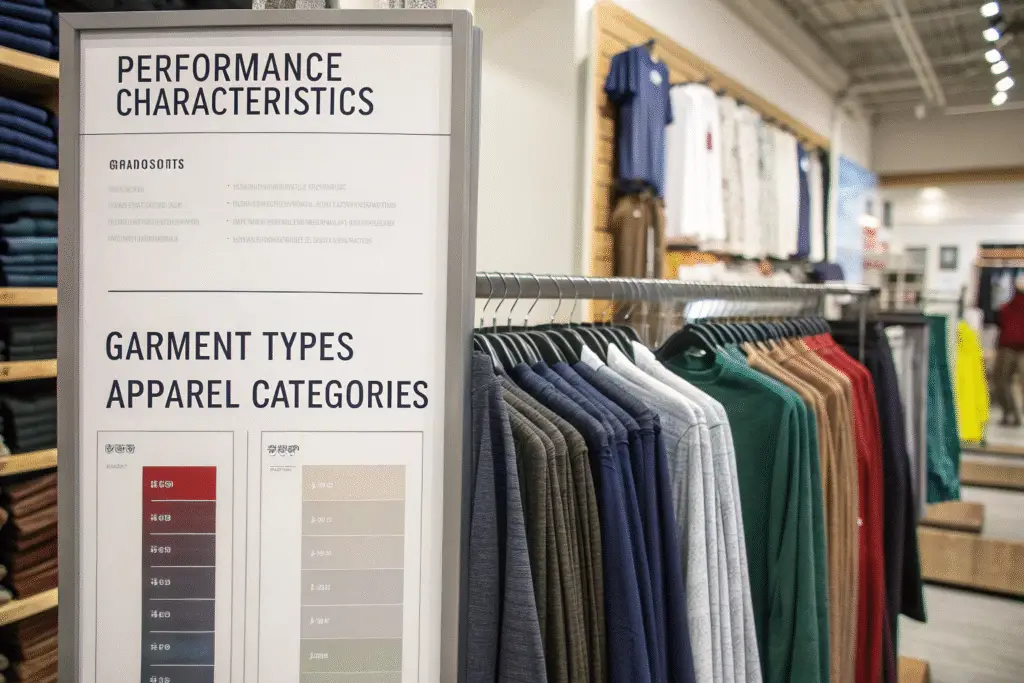
We maintain a categorized fabric library that helps clients quickly identify options suited to their specific garment types, then refine based on their unique design requirements and price points.
How do care requirements influence fabric selection?
Consider your customer's willingness to handle special care instructions. Dry-clean-only fabrics limit appeal for everyday wear, while machine-washable materials broaden your market. A luxury brand targeting busy professionals specifically sought beautiful fabrics that maintained their appearance through machine washing—leading them to high-quality linen blends and wool crepes that offered elegance without demanding special care that would deter their time-pressed customers.
How does fabric choice impact manufacturing and cost?
Your fabric selection directly influences production feasibility, timeline, and cost structure. Some beautiful materials present manufacturing challenges that increase defect rates or require specialized equipment, while others streamline production and improve your margin structure.
Complex fabrics like slinky knits, delicate silks, or technical laminates often require specialized machines, experienced operators, and slower production speeds—increasing labor costs and potential quality issues. We recently helped a brand reformulate their fabric strategy by identifying materials that maintained their aesthetic vision while improving manufacturing efficiency by 30%. By switching from an unstable knit to a similar-weight fabric with better recovery, they reduced sewing challenges and improved their first-quality yield from 85% to 96%.
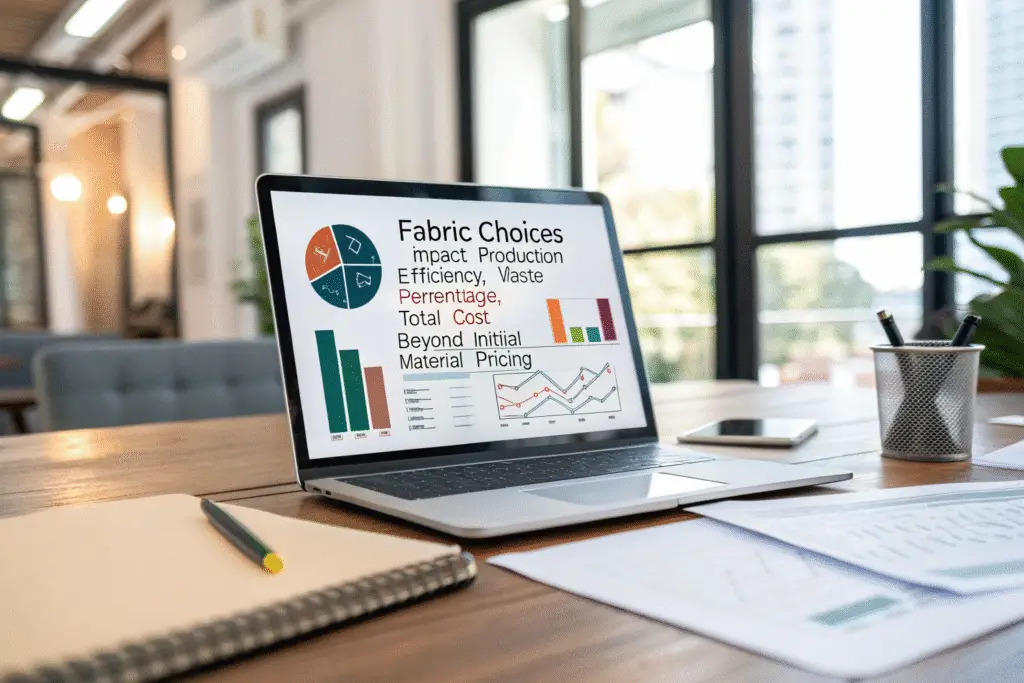
Beyond per-yard pricing, consider fabric waste during cutting, shrinkage during production, and performance during sewing. A beautiful jacquard that frays excessively might generate 15% waste versus 8% for a stable woven, while a fabric that shrinks inconsistently requires additional processing. We provide clients with total cost analysis that includes these often-overlooked factors. One brand discovered their "affordable" fabric actually cost 22% more in total due to high waste and additional quality control requirements—switching to a slightly more expensive but more stable fabric actually reduced their total cost.
How do fabric minimums affect new brands?
Many mills impose minimum order quantities (100-500 yards typically) for custom fabrics, creating inventory risk for emerging brands. We help clients navigate this by identifying quality stock fabrics with lower minimums or coordinating fabric pooling among complementary brands. A sustainable startup accessed our fabric collective program, sharing a GOTS-certified organic cotton order with two other brands to meet mill minimums while each receiving their needed yardage—an approach that made premium sustainable materials accessible at their early stage.
How can you test and validate fabric choices?
Never finalize fabric selection based on swatches alone—comprehensive testing reveals how materials will perform in production and throughout the garment's lifecycle. Proper validation prevents costly mistakes and ensures your fabric delivers consistent quality across your production run.
Implement a rigorous testing protocol that includes lab tests for shrinkage, colorfastness, pilling, and strength, plus real-world wear tests for comfort, durability, and care performance. A premium denim brand avoided a reputation-damaging issue when their wear testing revealed that their chosen fabric developed unattractive whiskering patterns after multiple wears—they switched to a different denim with better aging characteristics that developed the desirable vintage appearance their customers expected.
What laboratory tests are essential?
Standard testing should include:
- Shrinkage: After washing and drying to specification
- Colorfastness: To washing, light, and rubbing/crocking
- Pilling resistance: Using Martindale or random tumble methods
- Tensile strength: For durability assessment
- Composition verification: Ensuring fiber content matches claims
We require clients to approve lab dip testing before bulk fabric production and conduct additional testing on finished garments to ensure performance standards are met throughout production.
How does prototyping reveal fabric behavior?
Make full prototypes in your actual fabric rather than relying on substitutes—how a material behaves in pattern form often differs dramatically from how it appears on a roll. A designer creating dramatic evening gowns discovered through prototyping that their chosen silk chiffon lacked the body needed for their sculptural sleeves, while a slightly heavier georgette created the exact architectural effect they envisioned. This prototyping phase, though initially delaying their timeline, ultimately saved them from producing an entire collection that wouldn't have matched their vision.
Conclusion
Fabric selection is both an art and a science—balancing aesthetic vision with technical performance, cost considerations, and manufacturing feasibility. The right fabric elevates your designs, enhances customer satisfaction, and builds your brand reputation through consistent quality and performance. By taking a systematic approach that considers fiber properties, functional requirements, production implications, and thorough testing, you can make informed decisions that support your creative vision and business objectives.
Remember that your fabric choices communicate your brand values as powerfully as your designs themselves. For guidance navigating fabric selection with access to comprehensive swatch libraries and technical expertise, contact our Business Director Elaine at elaine@fumaoclothing.com. Let's help you choose materials that bring your designs to life while meeting your quality standards and business requirements.