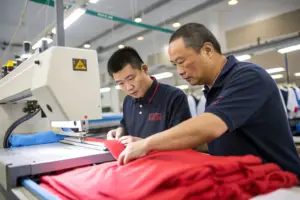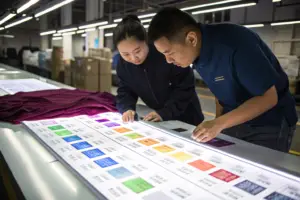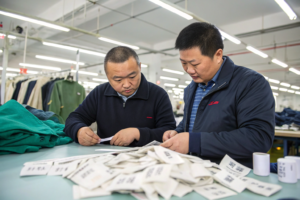
You want to make your fashion line more sustainable, but the fabric prices seem overwhelming. Conventional cotton at $3.50 per meter versus organic at $6.00. Recycled polyester at a 40% premium. The math seems impossible within your production budget. But what if you could source sustainable fabrics without breaking your budget? The secret lies in strategic sourcing, smart substitutions, and understanding the true cost of "cheap" conventional materials.
Sourcing sustainable fabric within budget requires a holistic approach that combines strategic fabric selection, production efficiency, and understanding total cost of ownership. By focusing on GOTS-certified basics, recycled synthetics, and deadstock materials—while optimizing pattern efficiency and minimizing waste—brands can achieve sustainability goals without sacrificing profitability. The perception that eco-friendly always means expensive is outdated; with the right strategy, sustainability can actually improve your bottom line through waste reduction and brand value. Let's explore practical approaches that deliver both environmental and economic benefits.
Which sustainable fabrics offer the best value?
Not all sustainable fabrics carry premium prices. Strategic selection of materials that balance environmental credentials with cost-effectiveness allows you to make meaningful progress without exceeding your budget. The key is understanding which certifications and fiber types deliver maximum sustainability impact per dollar spent.
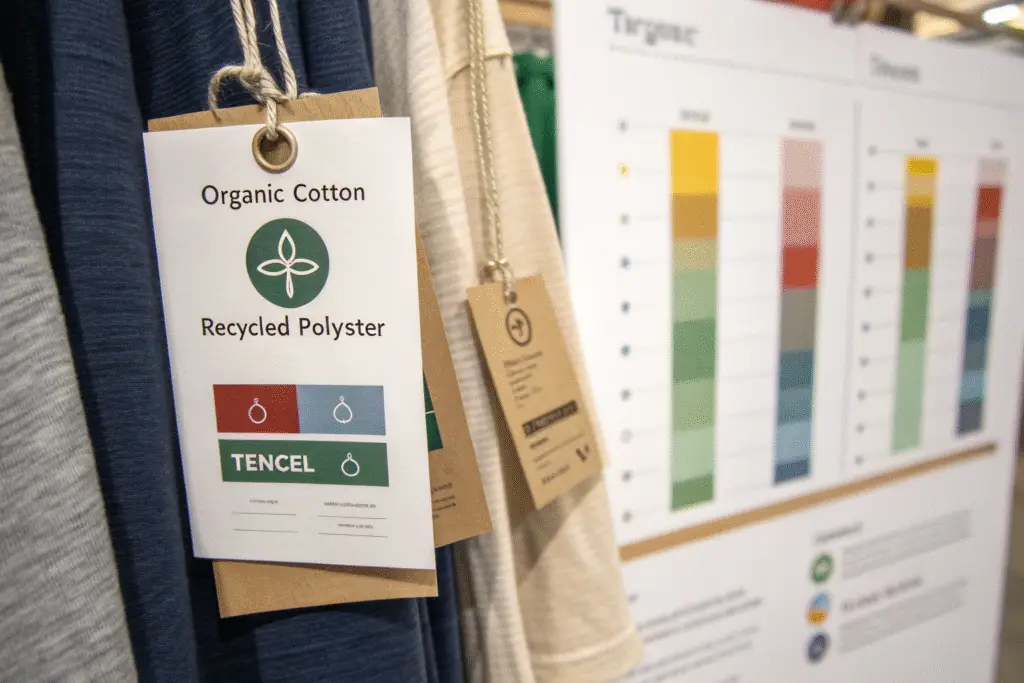
Our analysis for clients consistently shows that GOTS-certified organic cotton, recycled polyester, and Lenzing Tencel provide the best value combination of sustainability credentials, performance, and accessibility. For a streetwear brand working with a tight $8.50 per garment budget, we demonstrated how switching from conventional cotton to a GOTS-certified organic blend added only $0.85 per unit while providing legitimate sustainability messaging. By combining this with pattern optimization that reduced fabric waste by 12%, we actually lowered their total cost while upgrading their environmental profile.
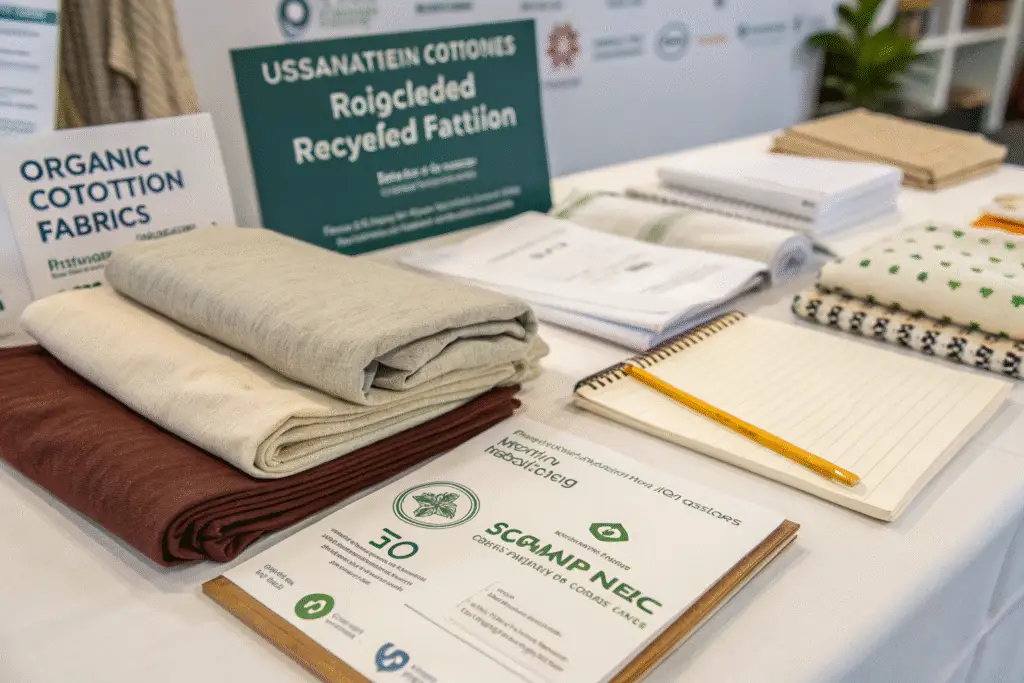
Why does GOTS-certified cotton make financial sense?
While GOTS-certified organic cotton carries a 20-30% premium over conventional, its consistent quality and dye affinity can reduce production losses and rework costs. The certification also provides legitimate marketing value that converts to sales. We recently helped a children's wear brand calculate that the $1.20 per garment premium for GOTS-certified cotton was offset by a 15% reduction in fabric defects and the ability to command 12% higher retail pricing due to their authentic sustainability story. The net result was improved margins despite the higher material cost.
How can recycled polyester save money?
Recycled polyester often costs the same or slightly less than virgin polyester while providing superior sustainability credentials. The technology for creating high-quality rPET has advanced significantly, eliminating the performance gap that once existed. A sportswear client was surprised to discover that switching to recycled polyester actually saved them $0.35 per meter while allowing them to prominently feature sustainability in their marketing. With major brands increasingly committing to recycled materials, the supply chain efficiencies have made rPET competitively priced while future-proofing their product against changing consumer expectations.
How can production efficiency offset fabric costs?
The highest fabric cost in the world can be mitigated through intelligent production planning and waste reduction. Many brands focus exclusively on per-meter pricing while ignoring how manufacturing efficiency can absorb sustainable material premiums through smarter pattern making, cutting, and inventory management.
We've helped numerous clients implement efficiency measures that completely offset their sustainable fabric premiums. For a denim brand switching to organic cotton, we redesigned their pattern layout to achieve 8% better fabric utilization, effectively covering the entire cost increase. Then, by implementing a fabric saving program that repurposed cutting waste into pocketing and labeling, we created an additional 3% saving that improved their overall margin. The combination of these efficiencies meant they upgraded to sustainable materials while actually reducing their total cost per garment.
What pattern efficiency strategies work best?
Digital pattern making and nesting software can optimize fabric usage by 5-15% compared to manual methods. We use Lectra's pattern software to maximize material utilization, particularly important with expensive sustainable fabrics. A womenswear brand discovered that our automated nesting of their complex dress patterns achieved 11% better fabric utilization than their previous manufacturer, saving enough material to completely cover the premium for their preferred Tencel blend. This technical approach to efficiency transforms sustainability from a cost center to a value optimization process.
How does reduced waste impact total cost?
Fabric waste typically accounts for 10-20% of material costs. Sustainable sourcing should include waste reduction strategies that recover value from this inevitable byproduct. We work with partners who transform our cutting waste into insulation, paper, or new yarns, creating both environmental benefits and cost offsets. One client's fabric waste, previously a disposal cost, now generates modest revenue through our recycling partnerships, helping to fund their transition to more sustainable primary materials while demonstrating circular economy principles to their customers.
What blended materials provide affordable sustainability?
Pure sustainable fabrics often carry significant premiums, but strategic blending with conventional fibers can deliver substantial environmental benefits at accessible price points. The key is identifying which blends maintain meaningful sustainability credentials while achieving cost targets that work for your production budget.
We frequently recommend 50/50 blends of organic and conventional cotton, or recycled polyester blends with virgin fibers, as entry points to sustainable sourcing. A menswear brand achieved their first sustainability milestone by switching to a 50% organic cotton blend at only a 12% cost increase rather than the 45% premium for 100% organic. This allowed them to authentically market their progress while staying within their mass-market price constraints. The blend approach created a pathway for gradually increasing their sustainable content as costs decreased through scale.

Why do cotton blends make financial sense?
A 50/50 organic-conventional cotton blend typically costs 15-20% more than 100% conventional cotton, compared to 40-50% more for 100% organic. This blend still reduces water consumption and pesticide use by approximately half while maintaining the familiar cotton hand-feel customers expect. We helped a basic apparel brand calculate that their switch to a blended approach would cost only $12,000 annually across their entire line while providing legitimate sustainability claims for marketing. The return through improved brand perception and customer loyalty far exceeded this investment.
How can recycled content blends reduce costs?
Incorporating 30-50% recycled content into synthetic fabrics often adds minimal cost while delivering substantial environmental benefits. The economics of recycling have improved to where mid-percentage blends are increasingly competitive. An outdoor brand found that a 40% recycled nylon blend cost only 8% more than virgin nylon while reducing their dependence on petroleum-based materials. As recycling infrastructure expands and costs continue to decrease, these blended approaches become increasingly accessible for brands at various price points.
How does strategic sourcing timing reduce costs?
Sustainable fabrics often have price volatility based on harvest cycles, production schedules, and market demand. Strategic timing of your fabric purchases can secure premium materials at conventional prices by aligning with natural price dips in the sustainable textile market.
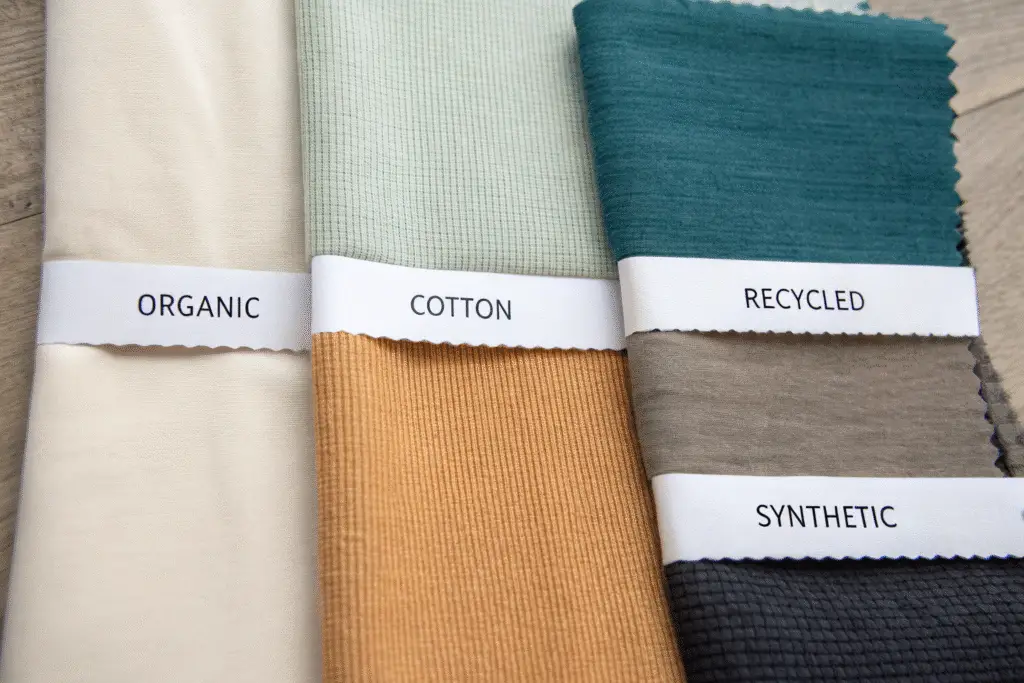
We maintain a sustainable fabric calendar that tracks price patterns for various eco-friendly materials. By advising clients to order GOTS-certified cotton during the post-harvest period (January-March) and recycled synthetics during periods of PET bottle abundance (summer months), we've secured materials at 15-20% below peak pricing. A contemporary fashion brand saved $8,200 on their seasonal collection by timing their Tencel purchase to coincide with Lenzing's production cycle, achieving their sustainability goals while staying 5% under their fabric budget.
What seasonal purchasing patterns exist?
Sustainable natural fibers like organic cotton, hemp, and linen have predictable price fluctuations based on harvest times and processing capacity. We guide clients to purchase these materials during periods of maximum supply. Similarly, recycled synthetics often see price advantages when raw material (post-consumer waste) is most abundant. Understanding these seasonal patterns transforms sustainable sourcing from a constant premium to a strategically timed investment that aligns with natural production cycles.
How can deadstock fabrics provide opportunities?
Premium sustainable deadstock fabrics offer some of the best value in eco-friendly sourcing. These are high-quality materials that brands ordered but never used, typically sold at 30-60% discounts. We recently sourced GOTS-certified organic cotton jersey from a major brand's canceled order at 45% below market price for a startup client. The limited quantity forced creative design solutions, but the combination of premium sustainable material and dramatic cost saving made the compromise worthwhile. Deadstock sourcing requires flexibility but delivers unmatched value for sustainability-focused brands.
Conclusion
Sourcing sustainable fabrics within your production budget is not only possible but increasingly smart business. By combining strategic material selection, production efficiencies, intelligent blending, and timed purchasing, you can achieve meaningful sustainability progress without sacrificing profitability. The key is moving beyond simple per-meter cost comparisons to understand the total value equation—including waste reduction, marketing advantages, and future-proofing against changing consumer expectations.
Sustainable sourcing requires a partnership with manufacturers who understand both environmental credentials and commercial realities. For a manufacturing partner who can help you navigate sustainable fabric sourcing while protecting your budget, contact our Business Director Elaine at elaine@fumaoclothing.com. Let's build your collection on a foundation of responsible materials and smart economics.