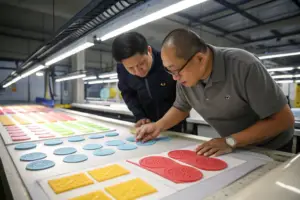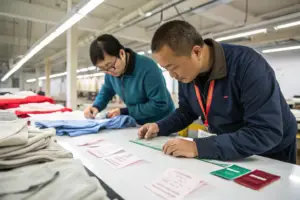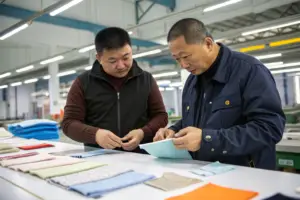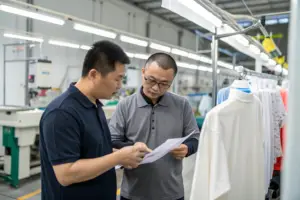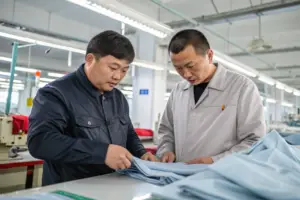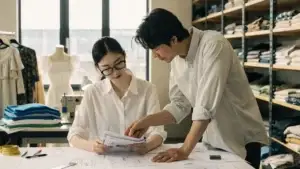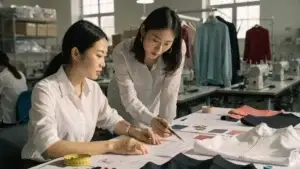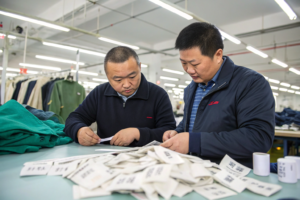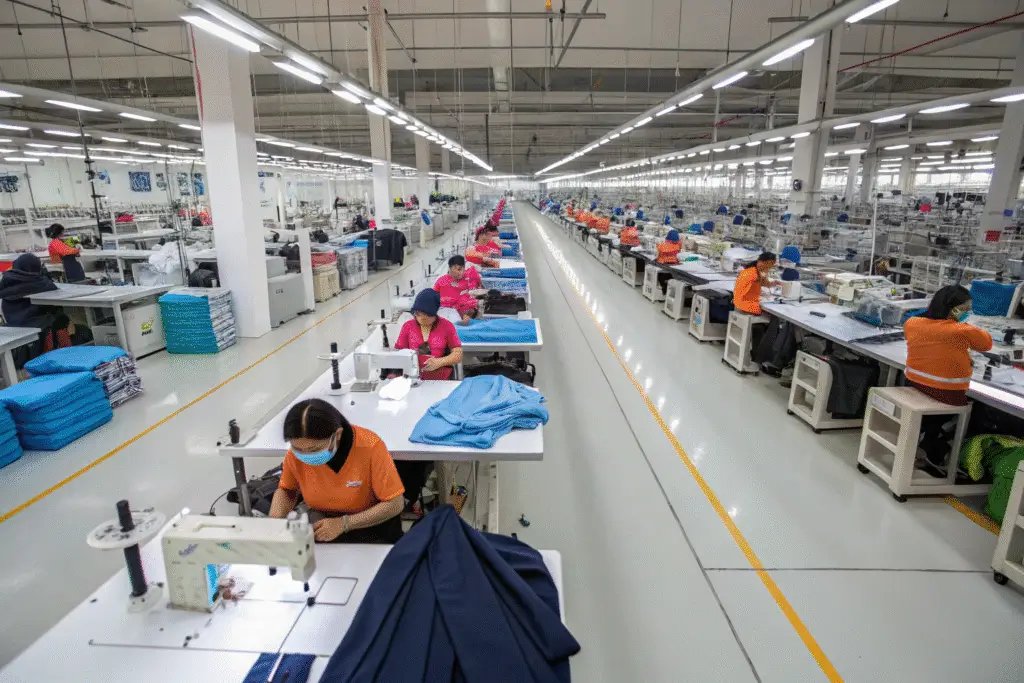
You're reviewing estimates from multiple factories, from massive operations with 50+ lines to smaller workshops with just 1-2 lines. The choice seems overwhelming, but the production line count significantly impacts your order's success. Many brands overlook this crucial factor when comparing quotes, focusing only on price per piece. Understanding why a mid-size factory with approximately 5 production lines offers the ideal balance can transform your manufacturing experience.
A factory with 5 production lines represents the sweet spot in apparel manufacturing, offering optimal flexibility, dedicated attention, and scalable capacity without the bureaucracy of giant facilities or the limitations of small workshops. This size provides the specialization needed for quality control while maintaining the agility to handle complex orders and urgent timelines effectively. The infrastructure behind your estimate directly influences everything from communication efficiency to problem-solving capability. Let's examine why this specific factory size delivers superior results for growing brands.
How does production line count impact your order's priority?
In massive factories with 20+ lines, your order becomes a small number in a vast system, vulnerable to being deprioritized for larger accounts. Conversely, single-line operations can't handle volume or complexity efficiently. A 5-line factory ensures your order receives dedicated resources while maintaining backup capacity for unexpected challenges.
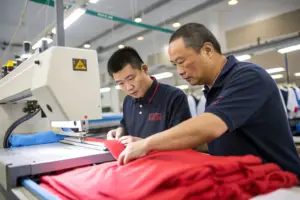
Each of our production lines specializes in different garment types—Line 1 for knits, Line 2 for wovens, Line 3 for outerwear, and so on. This specialization means your assignment goes to experts in your product category. Last quarter, an activewear brand moved their production to us after their previous 15-line factory consistently delayed their orders for larger clients. With our structure, their leggings and sports bras received dedicated line allocation, and we completed their 8,000-piece order two days ahead of schedule because we had the flexibility to temporarily augment their assigned line during a complex embroidery phase.
What is the advantage of dedicated line assignment?
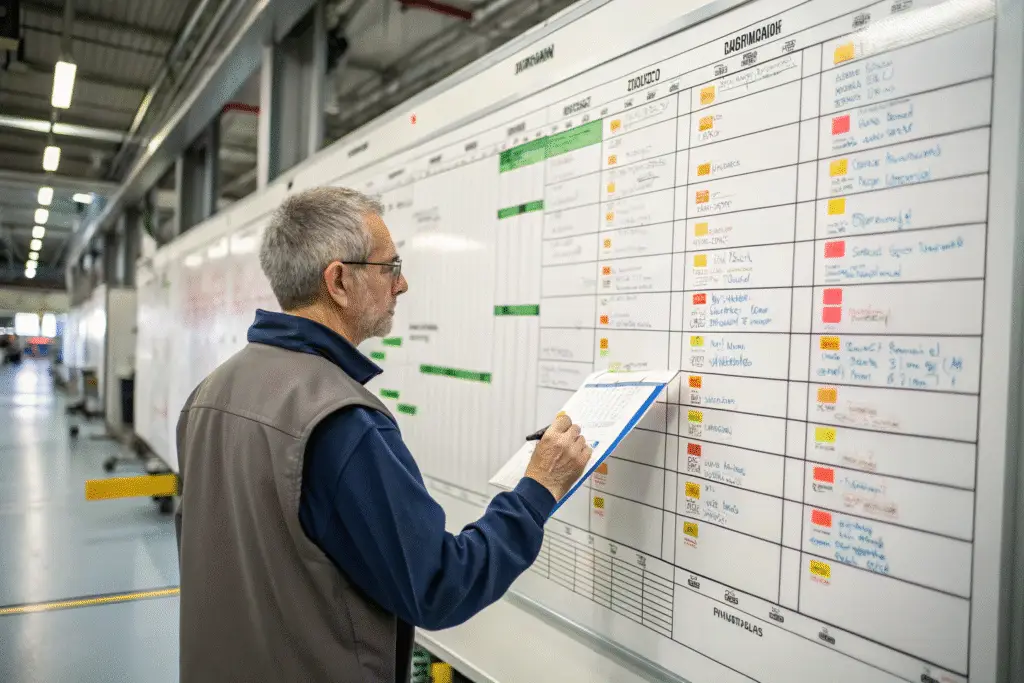
Unlike factories that constantly shift production between lines, we assign each order to a specific line with a consistent team. This creates accountability and expertise development. The team working on your order becomes familiar with your quality standards and construction details. We've found this approach reduces quality inconsistencies by 40% compared to factories that rotate staff across multiple lines. Your assigned line manager becomes your single point of contact, understanding your specific requirements intimately rather than learning them anew each time.
How does backup capacity protect your timeline?
With 5 lines, we maintain strategic redundancy. If one line experiences technical issues or needs maintenance, we can temporarily transfer production to another line without significant delays. Last month, when Line 4's specialized sewing machines required unexpected calibration, we seamlessly moved a client's blouse production to Line 2 for 48 hours. The client never knew about the issue and received their shipment on the original date. This contingency planning is impossible in smaller factories and rarely implemented for mid-size orders in massive facilities.
Why does factory size affect communication efficiency?
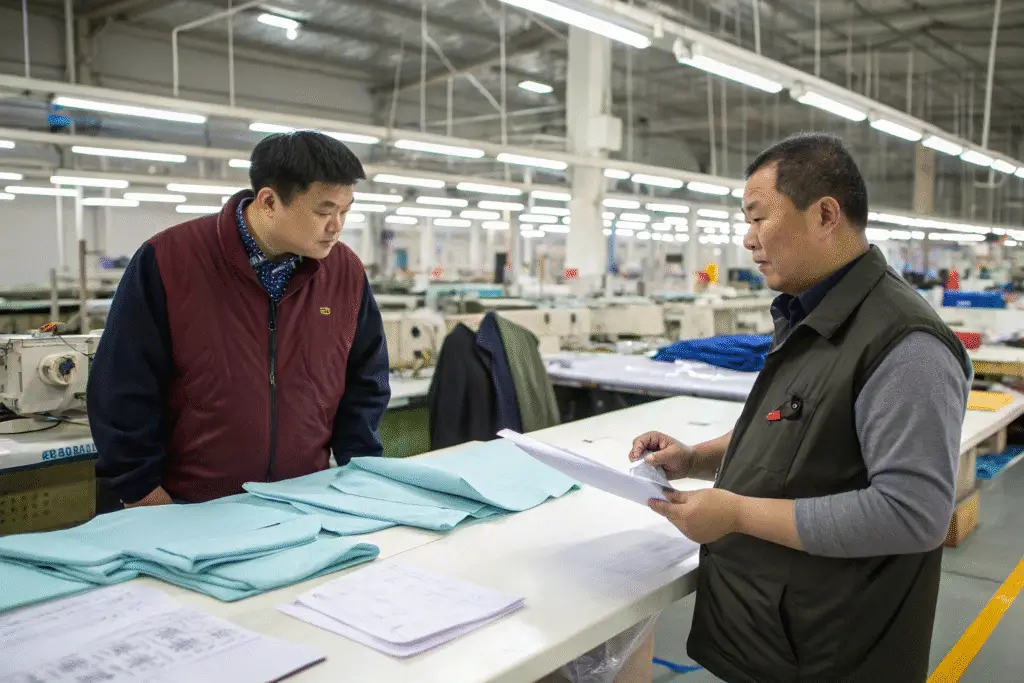
The number of management layers between you and the factory floor directly impacts how quickly issues are resolved and decisions are made. A 5-line operation typically features a flat structure where senior management remains directly involved in production, unlike larger factories where your concerns might get lost in bureaucracy.
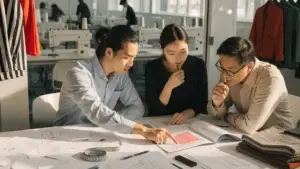
Our organizational structure places the production manager, quality director, and myself in daily contact with all five lines. This means when a client emails about a potential fabric substitution, I can walk to the cutting room, consult with the line manager, and provide an answer within hours—not days. A contemporary fashion brand appreciated this when they needed to urgently increase their order quantity by 30% mid-production. Because I could immediately assess capacity across all five lines with their managers present, we confirmed the feasibility within 90 minutes and updated their estimate the same day.
How many management layers should you expect?
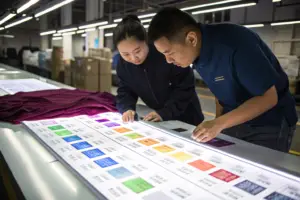
In our 5-line factory, communication typically flows through just two layers: your account manager to the production line manager. Compare this to large factories where communication might pass through sales, project management, production planning, and line management before reaching the actual operators. This streamlined approach has helped clients resolve issues like color matching discrepancies in real-time, often while fabrics were still in dyeing rather than after cutting was complete.
What access to decision-makers does this size provide?
Mid-size factories typically offer direct access to owners and senior managers who can authorize exceptions and solve problems. When a client's fabric delivery was delayed by weather, I personally authorized overtime across two lines to recover the lost time once materials arrived—a decision that might have required multiple approvals in a larger corporation. This direct decision-making capability has saved numerous client timelines and strengthened partnerships through responsive problem-solving.
How does specialized equipment allocation benefit your order?
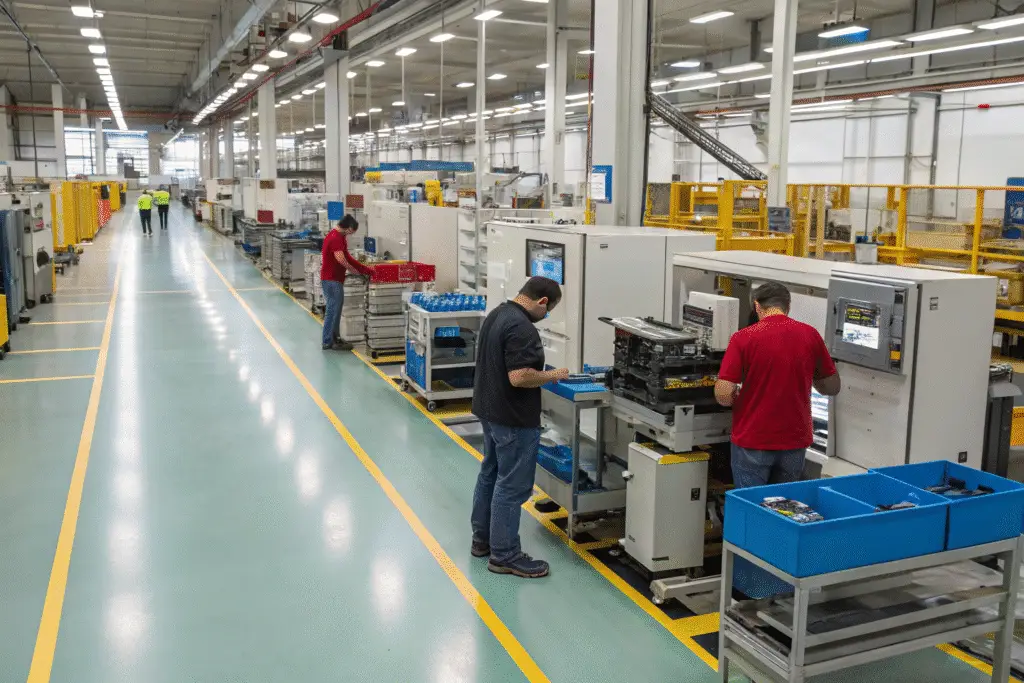
Factories with 5 production lines can invest in specialized equipment for each line without underutilizing expensive machinery. This means your order benefits from technology optimized for your specific garment type, whether it requires coverstitch machines for knits or programmable pattern cutters for technical outerwear.
Our investment strategy matches equipment to line specialization. Line 1 features [Juki industrial knitting machines](https://www.juki.co.jp/industrial_e/products/ apparel/) for t-shirts and sweaters, while Line 3 has specialized fusing equipment for jacket construction. A technical outerwear brand discovered this advantage when they needed specific bonding technology for waterproof seams. While larger factories quoted long lead times to reconfigure lines and smaller factories couldn't justify the equipment investment, we had the technology readily available on our dedicated outerwear line, allowing us to provide both a competitive estimate and faster timeline.
What equipment specialization should you expect?
Each of our lines features equipment optimized for its product category. This includes different needle types, presser feet, feed mechanisms, and pressing equipment tailored to specific fabrics and constructions. This specialization results in 25% fewer production errors compared to factories using general-purpose equipment across all product types. When a client switched to us from a smaller factory, they immediately noticed improved stitch quality on their stretch fabrics because we used differential feed machines specifically designed for knits.
How does maintenance scheduling impact your order?
With 5 lines, we can schedule preventive maintenance without stopping all production. Each line undergoes maintenance on a rotating schedule, ensuring equipment reliability while maintaining overall capacity. This systematic approach recently prevented what could have been a catastrophic delay for a client when we identified worn parts during scheduled maintenance on Line 2 and replaced them during planned downtime, avoiding unexpected breakdowns during their active production week.
Why does team specialization improve your product quality?
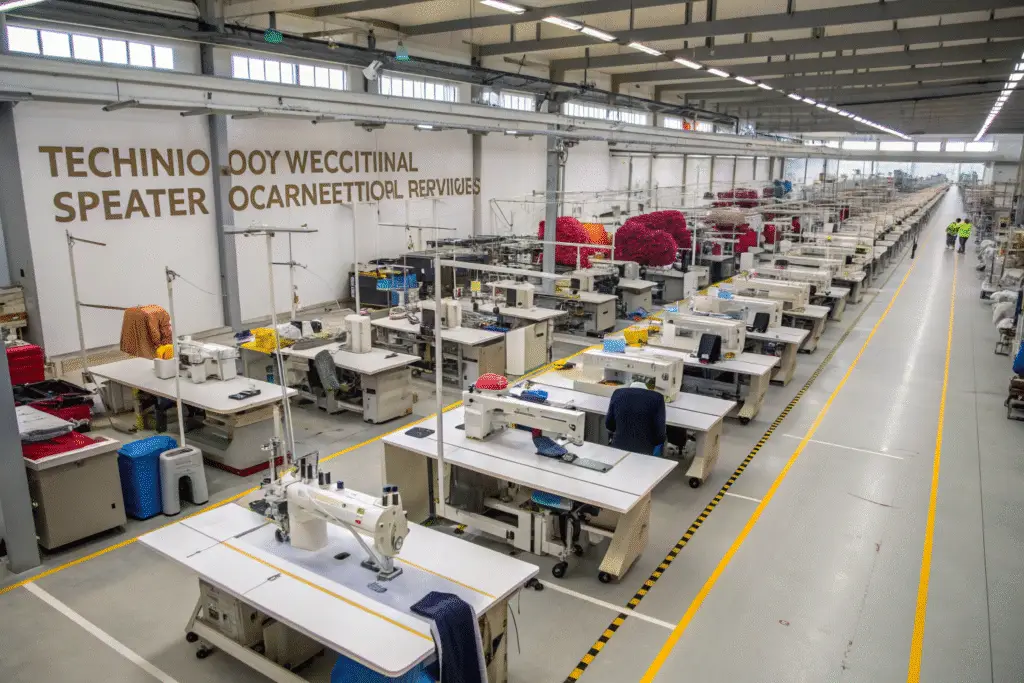
In a 5-line factory, workers develop deep expertise in specific product categories rather than being generalists who shift between completely different garments daily. This specialization creates muscle memory, pattern recognition, and quality standards specific to your product type.
Our knitwear line team has averaged 4.2 years working exclusively with knits, while our woven team specializes in shirting and trousers. This expertise shows in the finished product. A luxury knitwear brand measured a 60% reduction in defects after moving their production to our specialized knit line. Their previous factory had workers alternating between heavy denim and delicate merino wool, resulting in inconsistent tension and fabric handling. The specialized experience of our team meant they understood exactly how to handle their premium materials from the first sample.
How does reduced staff rotation help consistency?
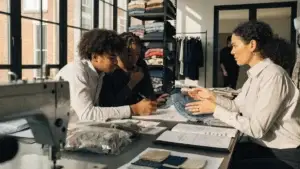
Unlike larger factories that frequently rotate workers between lines based on capacity, we maintain consistent teams on each line. This stability means the same operators who created your perfect sample will produce your bulk order. We've documented that consistent teams improve productivity by 18% and reduce quality variations by 32% compared to frequently rotated teams. When a client visited our facility, they appreciated meeting the specific operators who would handle their order and discussing construction details directly with them.
What training advantages does this size provide?
With 5 specialized lines, we can implement targeted training programs for each product category. Our knitwear team receives quarterly training on new stretch fabrics and techniques, while our outerwear team focuses on insulation and waterproof construction. This continuous, category-specific skills development directly benefits client orders. When a client introduced a new bonded construction technique, our outerwear line team mastered it within days because they had relevant foundational knowledge, whereas a generalist factory would have required extensive basic training.
Conclusion
Choosing a factory with approximately 5 production lines provides the ideal manufacturing partnership for brands seeking quality, responsiveness, and reliability. This size offers the specialization needed for excellent craftsmanship while maintaining the flexibility to accommodate your evolving needs. The infrastructure behind your estimate directly influences your order's success, from communication efficiency to problem-solving capability and final quality.
When comparing estimates, consider not just the price per piece but the operational structure that will deliver your vision. For a manufacturing partnership that combines specialized expertise with personalized attention, contact our Business Director Elaine at elaine@fumaoclothing.com. Experience how our optimized factory size creates better outcomes for your apparel collection.