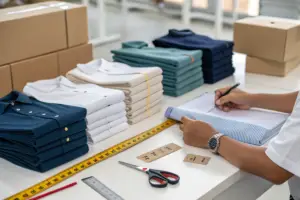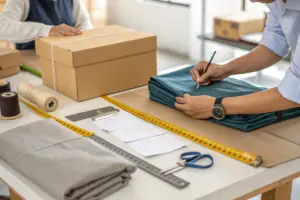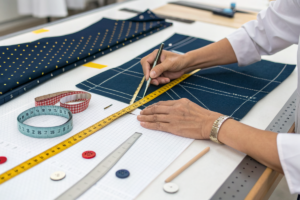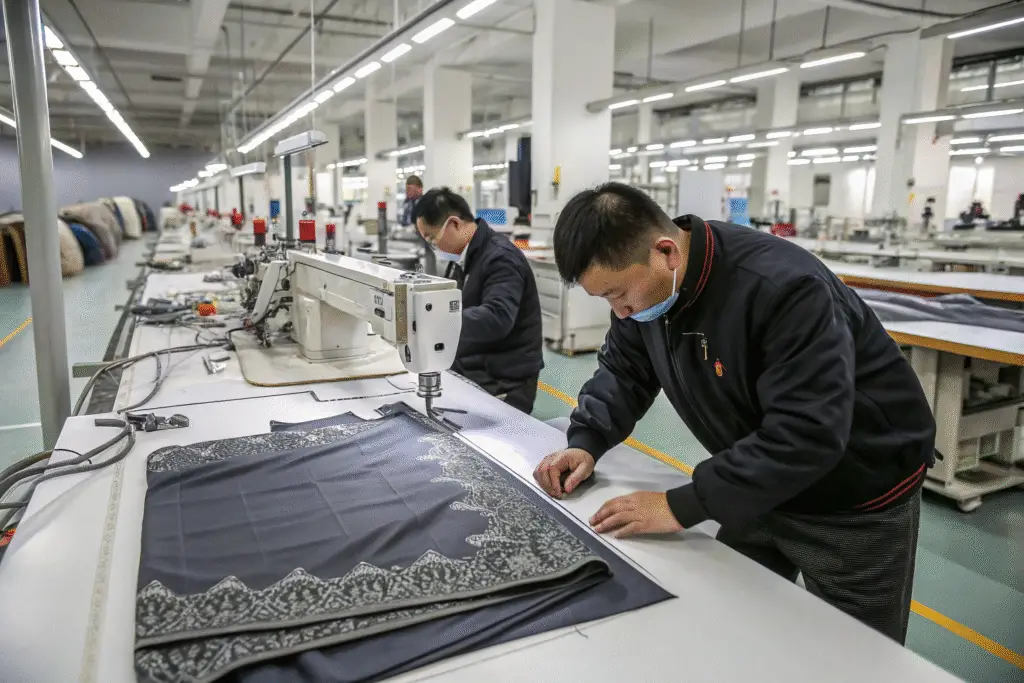
You've developed a unique clothing design that doesn't follow conventional construction methods - perhaps it features unconventional draping, innovative closures, or complex structural elements. You're excited about its potential but worried whether a factory can actually execute your vision properly. Can a manufacturing facility truly handle rare or unconventional clothing designs without compromising your creative intent?
Yes, our factory specializes in producing rare and unconventional clothing designs through our specialized technical team, flexible production systems, and problem-solving approach that treats each unique design as an exciting challenge rather than a production obstacle. We've successfully manufactured everything from architectural silhouettes and complex draping to technical innovations and avant-garde constructions by combining traditional craftsmanship with modern manufacturing capabilities. The key lies in our detailed evaluation process, technical development approach, and specialized equipment that accommodates non-standard productions.
Let's explore how we assess and execute rare style clothing designs and what makes our factory particularly suited for unconventional fashion projects.
How Do You Evaluate Unconventional Designs For Production?
Before accepting any rare style project, we conduct a thorough technical analysis to identify potential production challenges and develop appropriate manufacturing strategies.
This evaluation process ensures we can maintain your design integrity while achieving production feasibility.
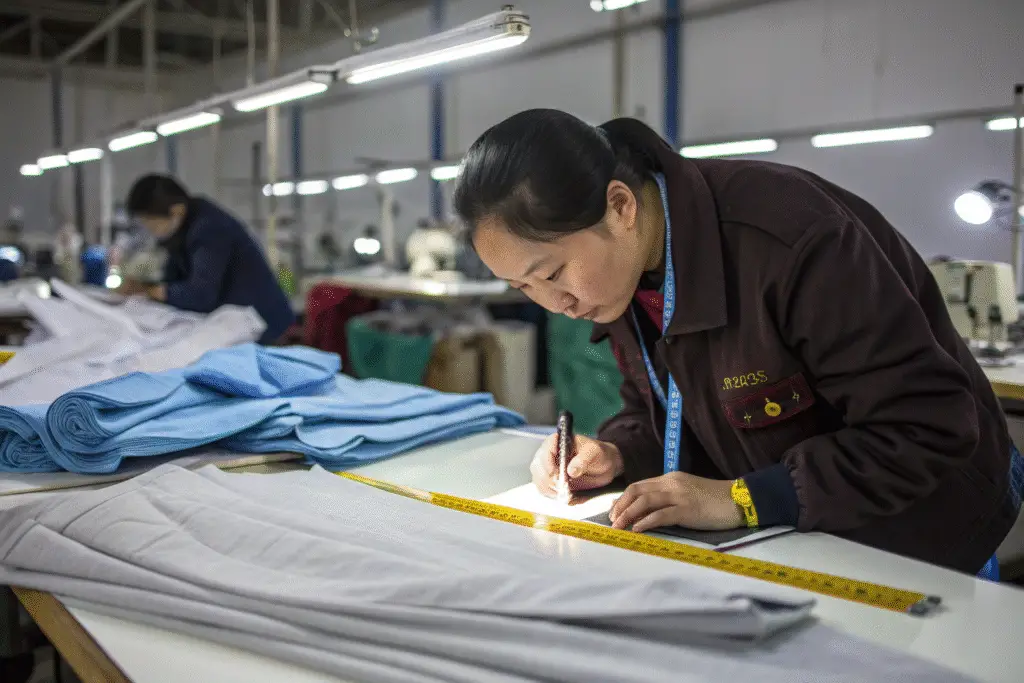
What specific elements make a design "rare" or challenging?
Rare designs typically feature unconventional pattern making, complex constructions, unique material applications, or specialized techniques not commonly used in mass production. We recently evaluated a design with three-dimensional structural elements that required internal support systems rather than traditional garment construction. Another project involved garments with asymmetrical closures that needed custom-developed fastening solutions. Our technical team documents 27 specific complexity factors during evaluation, from unusual seam placements to non-standard material combinations.
How do you assess production feasibility for unconventional designs?
We conduct virtual 3D prototyping, physical mock-ups, and technique testing before committing to production. Our evaluation process includes digital pattern simulation that identifies construction challenges before cutting any actual fabric. A designer creating garments with integrated LED lighting benefited from this process, as we identified potential issues with wiring channels and battery placement before committing to sampling, saving significant development costs.
What Specialized Equipment Supports Rare Style Production?
Conventional production equipment often can't accommodate unusual designs, which is why we maintain specialized machinery and tools for non-standard manufacturing requirements.
Our investment in flexible manufacturing technology enables us to handle designs that typical factories would reject as "unproducible."
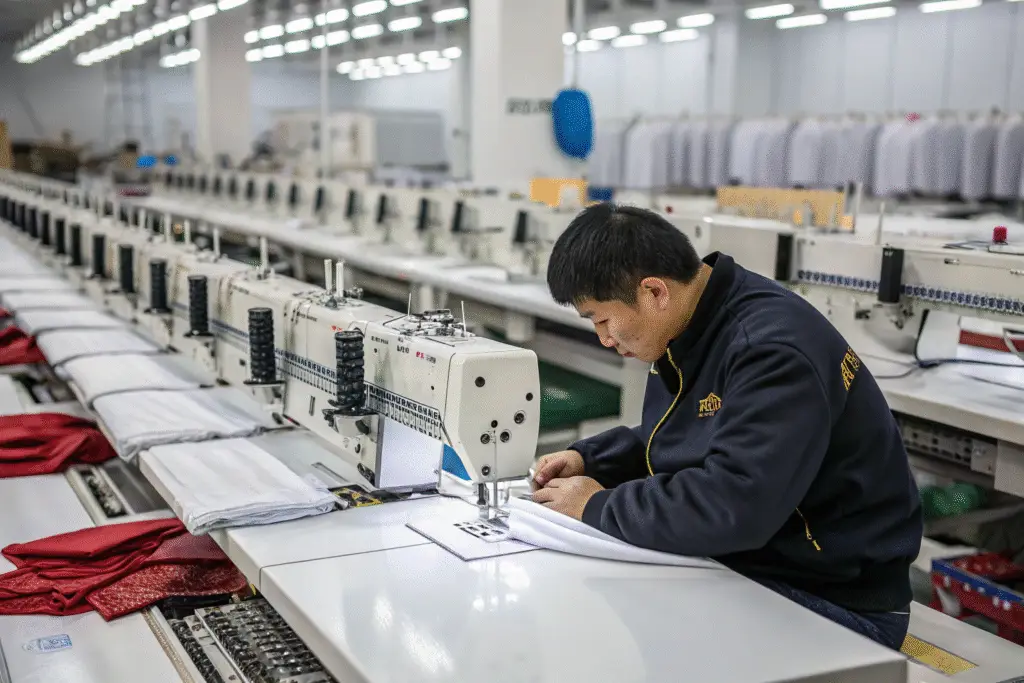
What specialized machines handle unconventional constructions?
We operate specialized equipment including single-needle programmable machines, 3D sewing units, and custom pressing forms that accommodate unusual shapes and constructions. Our specialized sewing stations can handle everything from extreme fabric thicknesses to delicate materials requiring precise tension control. A designer creating garments with integrated metal components utilized our heavy-duty machines capable of sewing through multiple layers of fabric and thin metal, achieving their vision without equipment limitations compromising the design.
How does your sample room support complex development?
Our dedicated sample room operates separately from production with technicians specifically trained in problem-solving and technique development. Unlike typical sample rooms focused on replicating standard garments, our team specializes in developing new construction methods for unconventional designs. A recent project involving heat-molded fabric elements required 12 different technique experiments in our sample room before achieving the desired result - a level of development support most factories cannot provide.
How Do You Approach Technical Development For Unique Designs?
Rare styles require customized technical development rather than applying standard approaches, demanding flexibility and creativity from our technical team.
Our development process respects design integrity while ensuring production feasibility and wearability.
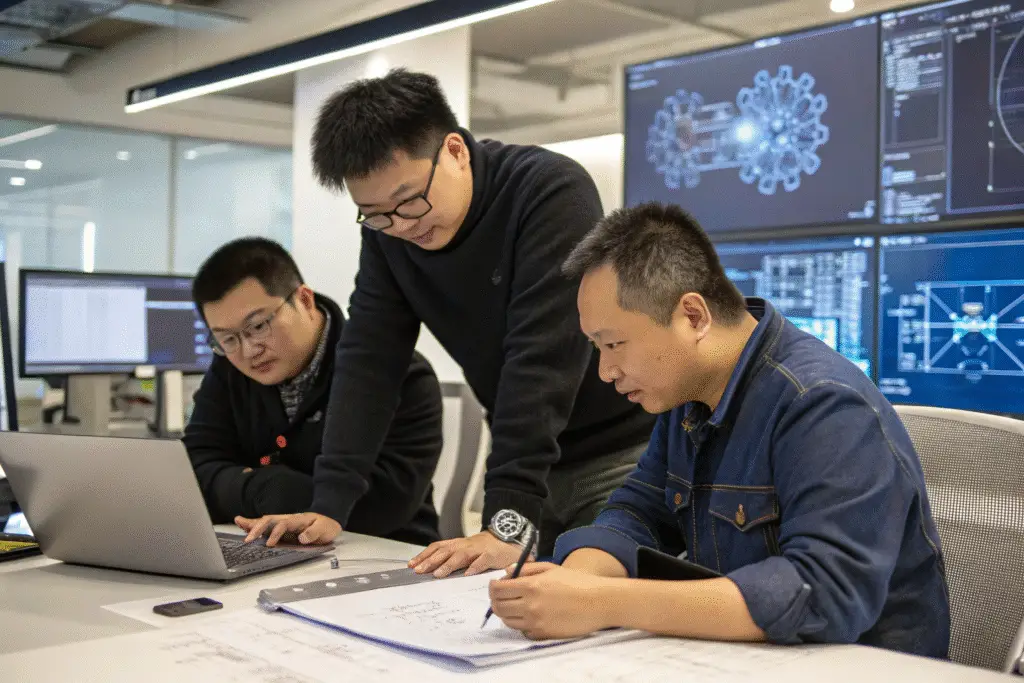
What is your pattern-making approach for unconventional shapes?
We combine digital pattern making with physical toile development to translate conceptual designs into producible garments. For truly architectural fashion, we often create multiple toiles at different scales to understand how complex shapes translate to human movement. A designer known for sculptural silhouettes appreciated our willingness to create four separate toiles at 25%, 50%, 75%, and 100% scale to perfect their complex armature system before cutting into their expensive specialty fabric.
How do you handle designs requiring new techniques?
We document and systematize new techniques developed for specific projects, creating detailed work instructions for production teams. Our technique documentation system includes video references, step-by-step image guides, and quality checkpoints. A project involving a never-before-attempted seam treatment resulted in a new technique that we've since applied to three other unconventional projects, demonstrating how rare style production can drive manufacturing innovation.
What Materials Experience Supports Rare Style Execution?
Unconventional designs often utilize unusual materials that require specialized handling knowledge and sourcing capabilities beyond standard apparel fabrics.
Our extensive material experience helps navigate the challenges of working with non-traditional materials.
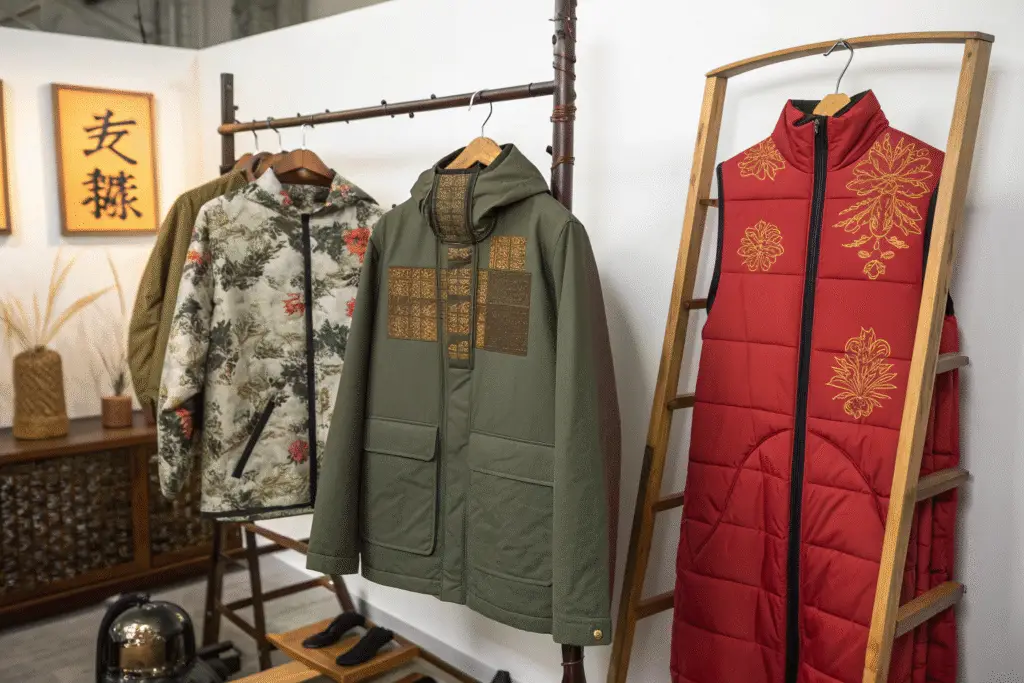
What unusual materials have you successfully worked with?
We've manufactured garments using technical materials like memory fabrics, architectural mesh, industrial materials, and unconventional natural fibers. Recent projects have included garments incorporating carbon fiber elements, silicone applications, and thermo-chromatic fabrics. A designer working with laser-sensitive materials benefited from our experience with similar technical fabrics, avoiding the trial-and-error approach that had plagued their previous manufacturing attempts.
How do you source materials for one-of-a-kind designs?
We maintain relationships with specialty mills and material innovators worldwide, enabling access to unique materials not typically used in apparel. Our material sourcing network includes connections with industrial material suppliers, technical fabric developers, and artisan textile producers. A sustainable designer creating garments from upcycled industrial materials appreciated our ability to source consistent quantities of unusual materials that typically aren't available through standard textile channels.
How Does Your Production System Accommodate Low-Volume Complex Work?
Rare style clothing typically can't follow standard mass production models, requiring flexible systems that maintain quality while accommodating lower volumes and higher complexity.
Our production approach balances the needs of unique designs with manufacturing efficiency.
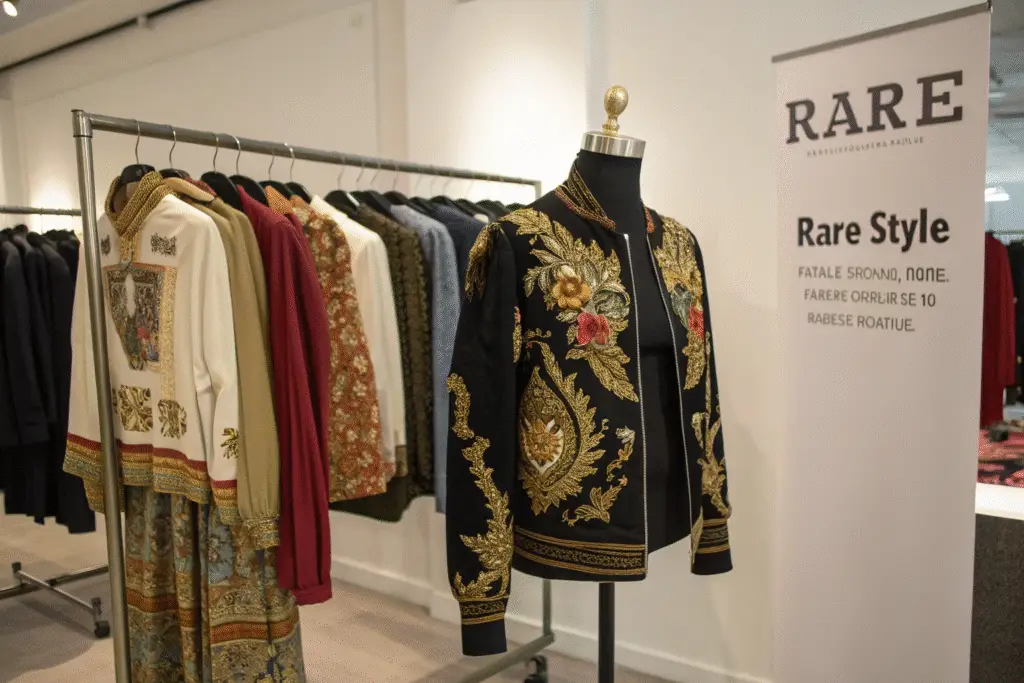
How do you handle low-volume production of complex designs?
We maintain dedicated production lines for complex, low-volume work with operators specifically trained in technique-focused manufacturing. Unlike our high-volume lines focused on speed and efficiency, our specialized production cells prioritize precision and problem-solving. A designer producing only 200 pieces of an extremely complex jacket utilized this system, receiving the attention to detail their design required without the cost penalties typically associated with such low volumes of complicated work.
What quality control approaches suit unconventional garments?
We develop custom quality standards and inspection protocols for each rare style project rather than applying generic checklists. Our quality team creates project-specific inspection criteria that reflect the unique aspects of each design. For a garment with intentionally irregular elements, we developed quality standards that distinguished between acceptable design variations and actual defects - a nuanced approach that preserved design intent while maintaining quality standards.
What Communication Processes Ensure Design Integrity?
Maintaining design integrity for rare styles requires exceptional communication throughout development and production, ensuring your vision survives the transition from concept to physical product.
Our communication protocols are specifically designed for complex, unconventional projects.
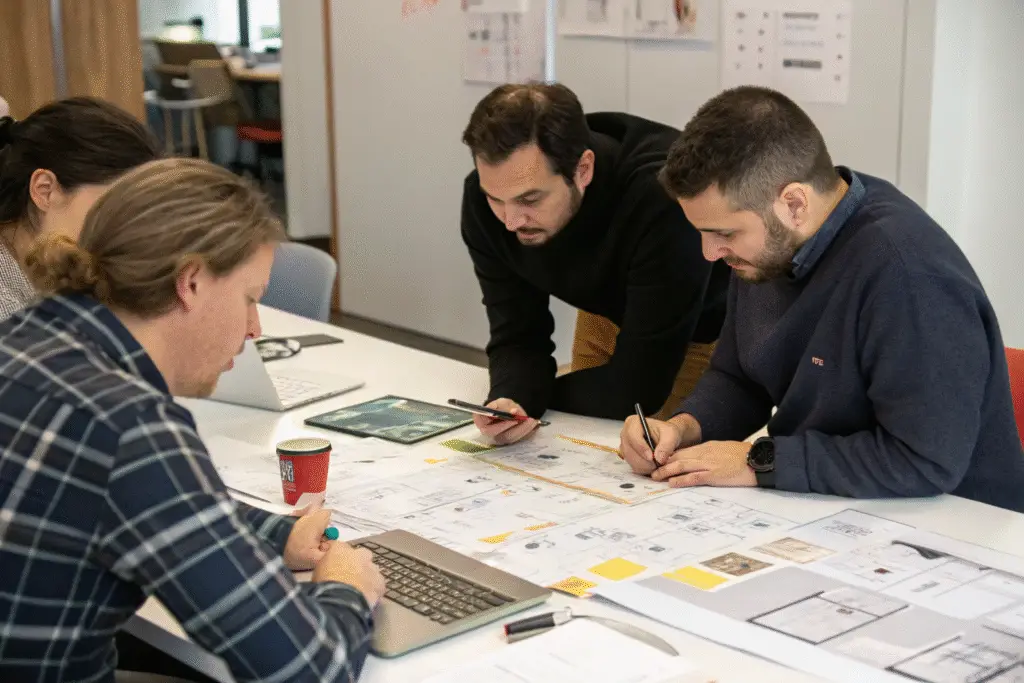
How do you handle the technical translation of creative concepts?
We employ technical developers with both manufacturing expertise and design sensitivity, capable of understanding aesthetic intent while solving production challenges. Our technical team includes members with formal design education alongside manufacturing experience, creating a bridge between creative vision and production reality. A designer creating fluid, non-western silhouettes found that our technical team understood their aesthetic references in a way that previous manufacturers had not, enabling accurate translation of their cultural design elements.
What visualization tools help maintain design accuracy?
We utilize 3D prototyping, detailed photographic documentation, and video demonstrations to ensure complete understanding of complex designs. Our 3D visualization system allows designers to see their garments in virtual form before physical sampling, identifying potential issues early in the process. A designer working remotely appreciated how this system enabled them to evaluate drape and proportion without waiting for international sample shipping, maintaining project momentum despite geographical separation.
Conclusion
Our factory is uniquely equipped to produce rare style clothing designs through our specialized technical capabilities, flexible production systems, and problem-solving approach. We view unconventional designs not as manufacturing challenges but as opportunities to push the boundaries of what's possible in apparel production. By combining technical expertise with creative sensitivity, we help designers transform their most ambitious concepts into producible realities without compromising their vision or quality standards.
If you have a rare or unconventional clothing design that requires manufacturing partnership rather than just production execution, we should discuss your specific project. At Fumao Clothing, we've built our reputation on successfully producing designs that other factories consider too complex or unusual. Contact our Business Director, Elaine, at elaine@fumaoclothing.com to schedule a technical review of your rare style design and explore how we can help bring your unique vision to life.