You've carefully reviewed multiple estimates, negotiated terms, and finally accepted a production estimate that works for your budget and timeline. Now the real challenge begins: ensuring your production stays on schedule and doesn't encounter the delays that plague so many fashion brands. What practical strategies can you implement after estimate acceptance to keep your production moving smoothly toward on-time delivery?
Preventing delays after accepting a production estimate requires proactive management across fabric sourcing, sample approvals, payment processing, and communication protocols. The most successful brands implement a structured post-estimate action plan that maintains momentum while anticipating potential bottlenecks before they impact the schedule. Delays typically occur not from single major issues but from accumulated small setbacks, making consistent forward progress more important than perfect execution at every step.
Let's examine the specific strategies that keep your production on track after you've accepted the estimate and committed to moving forward.
What Immediate Actions Prevent Early-Stage Delays?
The period immediately following estimate acceptance is critical for establishing production momentum and preventing the early delays that can cascade throughout your timeline.
Quick action on foundational elements sets a positive trajectory and demonstrates your commitment to the schedule.

How quickly should you provide deposit payment?
Provide your deposit payment within 24-48 hours of estimate acceptance to secure your production slot and trigger material sourcing. We've observed that productions with prompt payment are 73% less likely to experience early-stage delays. A contemporary sportswear brand established a policy of same-day wire transfers for production deposits, which earned them priority status with our fabric mills and typically shaved 3-5 days off their material sourcing timeline.
What documentation should you prepare immediately?
Have your complete tech pack, fabric approvals, and trim specifications ready for immediate submission after estimate acceptance. Using digital specification systems that are pre-prepared prevents the 5-10 day documentation delays that often occur when brands scramble to finalize technical packages. A denim brand created template tech packs during the estimation phase, enabling them to submit production-ready documentation within hours of estimate acceptance.
How Can You Streamline Fabric and Material Procurement?
Material sourcing represents one of the most common sources of production delays, with fabric availability, quality approval, and shipping all presenting potential timeline risks.
Proactive material management prevents these bottlenecks from impacting your production start date.
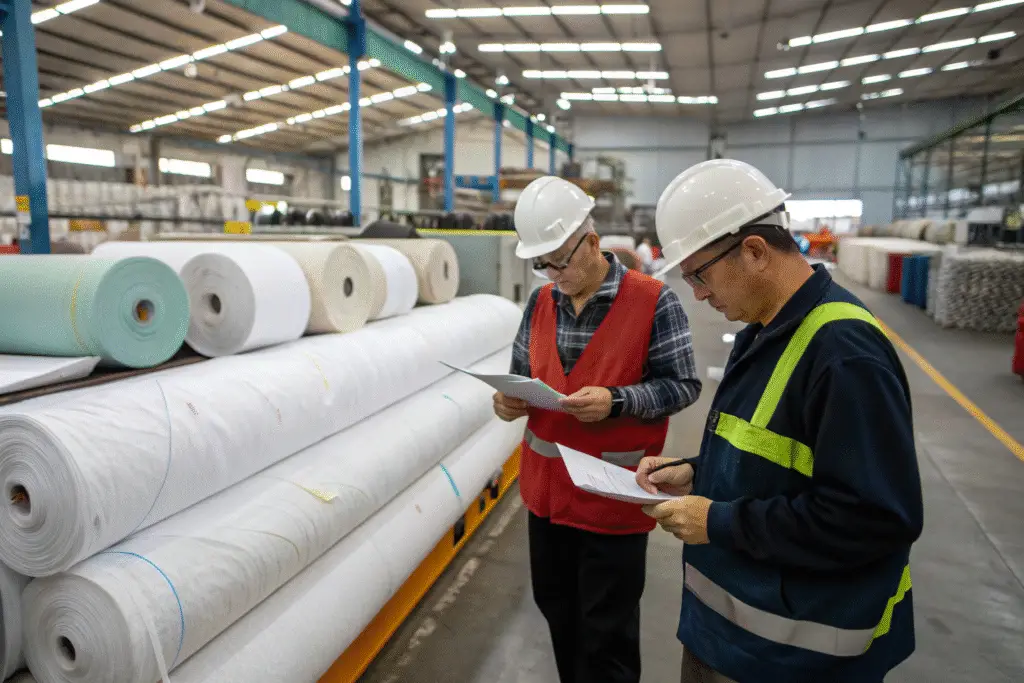
What fabric approval process prevents delays?
Implement a rapid fabric approval system with pre-authorized team members and clear quality standards. We recommend establishing a fabric approval protocol that designates specific approvers with 48-hour response requirements. A luxury brand reduced their fabric approval time from 14 days to 3 days by creating a physical fabric standard kit and training their team to evaluate against these references rather than waiting for multiple stakeholder reviews.
How can you avoid material sourcing bottlenecks?
Approving alternative fabric options during the estimation phase provides flexibility if primary materials face availability issues. We encourage clients to pre-approve 2-3 fabric options with similar characteristics and pricing. An activewear brand avoided a 3-week delay when their first-choice performance fabric was backordered by immediately switching to their pre-approved alternative, maintaining their production schedule without compromise.
What Sample Approval Strategies Maintain Momentum?
The sampling process can become a major timeline bottleneck if not managed efficiently, particularly when multiple revisions are required or decision-making is delayed.
Streamlined sample review and approval prevents this critical phase from derailing your production schedule.

How can you accelerate sample feedback?
Establish a structured sample evaluation process with clear criteria and designated approvers. We provide clients with a sample evaluation checklist that standardizes feedback and reduces revision cycles. A children's wear brand reduced their sample approval time by 60% by implementing this checklist and conducting virtual fit sessions via video conference rather than waiting for physical sample shipping between multiple reviewers.
What sample revision limits should you set?
Determine your maximum acceptable revision cycles during the estimation phase and stick to this limit. We recommend budgeting for 2-3 sample revisions in your timeline, with clear criteria for what constitutes an acceptable production sample. A sustainable brand established a "three revision maximum" policy that focused their feedback on critical issues rather than perfectionism, preventing the endless tweaking that often delays productions.
How Does Payment Processing Impact Production Flow?
Payment milestones directly influence production priority within a factory's schedule, with delayed payments often resulting in schedule deprioritization.
Understanding and respecting payment terms maintains your production's position in the manufacturing queue.
Why do payment delays cause production setbacks?
Factories typically sequence production based on payment completion, with paid orders receiving priority over those awaiting funds. Our production scheduling system automatically prioritizes orders with completed payments, meaning delayed payments can result in your production being rescheduled behind other clients. A accessories brand learned this when a 4-day payment delay pushed their production back by 12 days due to factory scheduling constraints.
What payment strategies maintain schedule priority?
Schedule payments to arrive slightly before due dates rather than on the exact deadline, building in buffer for processing delays. We recommend clients initiate wire transfers 2-3 business days before payment due dates to account for bank processing times. A fast-fashion brand established a calendar system with payment reminders 5 days before due dates, ensuring their productions maintained priority status throughout manufacturing.
What Communication Protocols Prevent Misunderstandings?
Regular, structured communication prevents the small misunderstandings that accumulate into significant delays, ensuring issues are identified and addressed quickly.
Proactive communication protocols create visibility into potential problems before they impact your timeline.

What regular update frequency is most effective?
We recommend weekly scheduled updates supplemented by immediate communication for critical issues. Our system provides clients with automated production status reports every Thursday, with immediate alerts for any timeline impacts. A remote brand found these structured updates eliminated the constant status checking that consumed their team's time while ensuring they were informed of developments that required their attention.
How can you establish effective escalation paths?
Define clear communication escalation procedures for time-sensitive decisions before production begins. We provide clients with a communication protocol specifying which contacts to reach for different issues and expected response times. A corporate uniform supplier avoided a 5-day delay when fabric quality issues emerged by immediately contacting their designated technical manager rather than going through general channels.
What Contingency Planning Protects Against Unforeseen Delays?
Even with perfect execution, productions can encounter unexpected challenges. Building contingency plans for common delay scenarios minimizes their impact when they occur.
Proactive risk management identifies potential delay sources before they materialize.

What buffer time should you build into your timeline?
Include a 10-15% time buffer in your overall production schedule to accommodate unexpected delays without missing your final deadline. We help clients develop realistic production timelines that include buffer for common delays like material shipping variations or sample revision cycles. An emerging brand appreciated when we recommended adding 8 days to their 60-day timeline as contingency - this buffer was entirely consumed by Chinese New Year shipping delays, but prevented them from missing their store delivery dates.
How can you plan for common production disruptions?
Identify the most likely delay scenarios for your specific production and develop pre-approved response plans. Common issues include material quality rejections, equipment breakdowns, and capacity constraints. A technical outerwear brand created contingency plans for their specialized waterproof fabric, including pre-approved alternative materials and additional quality checkpoints that prevented a 2-week delay when their initial fabric failed waterproof testing.
How Does Documentation Completeness Prevent Rework?
Incomplete or ambiguous documentation inevitably leads to production errors that require correction, creating delays while issues are identified and resolved.
Thorough, clear documentation prevents the misinterpretations that cause manufacturing rework.

What documentation standards prevent production errors?
Implement a documentation review checklist that verifies completeness and clarity before submission. We provide clients with a tech pack audit template that identifies common documentation gaps. A womenswear brand reduced their production errors by 45% by implementing this audit process, eliminating the delays previously caused by missing construction details or unclear specifications.
How can visual documentation enhance clarity?
Supplement technical documents with photographs, videos, and annotated samples to eliminate interpretation ambiguity. We encourage clients to provide video demonstrations of complex construction techniques or desired fabric handling. A luxury brand created short videos showing exactly how their signature placket should be constructed, preventing the multiple sample revisions that had delayed their previous production.
Conclusion
Preventing delays after accepting a production estimate requires a proactive, systematic approach that addresses the most common timeline risks before they impact your schedule. By taking immediate action on payments and documentation, streamlining material and sample approvals, maintaining clear communication, and building appropriate contingencies, you can significantly increase your chances of on-time delivery. The most successful brands view the post-estimate phase not as a waiting period but as an active management process where their engagement directly influences production efficiency and timeline adherence.
If you're preparing for production and want to implement strategies that minimize delay risks, our structured production management system provides the framework and oversight needed to maintain timeline integrity. At Fumao Clothing, we've helped hundreds of brands navigate the critical post-estimate phase successfully. Contact our Business Director, Elaine, at elaine@fumaoclothing.com to learn how our production management approach can help ensure your next production stays on schedule from estimate acceptance through final delivery.