You're comparing production estimates from multiple manufacturers and noticing significant price variations. One factory's estimate seems surprisingly low, while another includes costs for various certifications you don't fully understand. What certifications should legitimately appear in a garment factory estimate, and are you paying for essential quality assurance or unnecessary overhead?
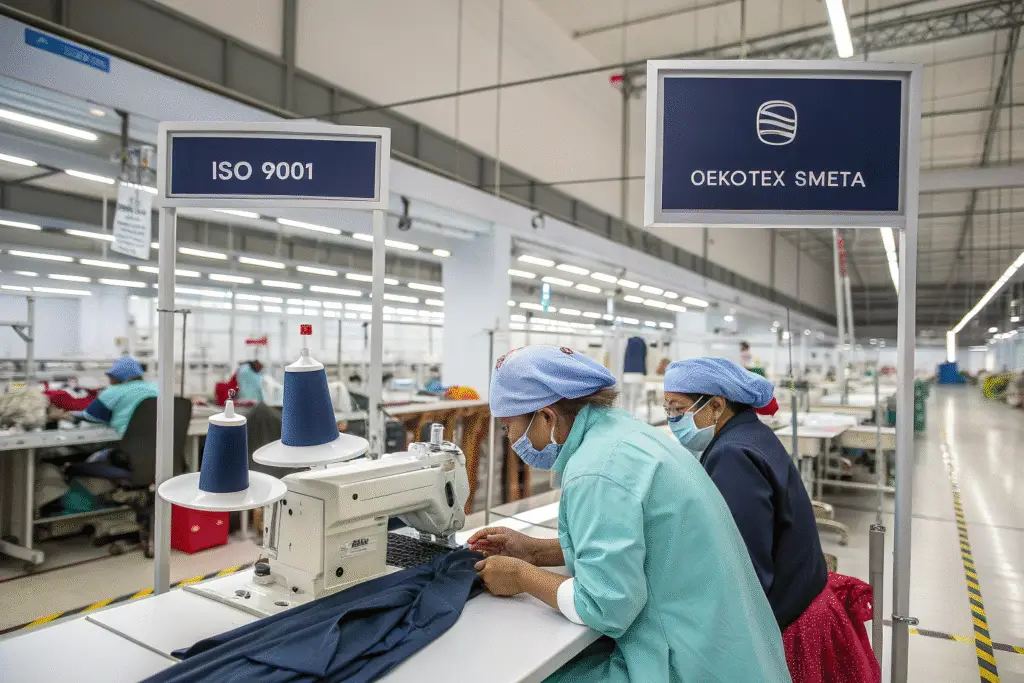
Reputable garment factory estimates should transparently include costs for maintaining essential certifications like ISO 9001 for quality management, OEKO-TEX for material safety, and SMETA for ethical compliance. These certifications represent real investments in quality systems, testing protocols, and social accountability that directly benefit your production through better quality control, reduced compliance risks, and enhanced brand protection. Understanding which certifications matter for your specific market and product category helps you evaluate whether a factory's certification costs represent valuable quality assurance or unnecessary expenses.
Let's examine which certifications typically appear in professional garment factory estimates and how they impact your production quality and compliance.
What Quality Management Certifications Should Be Included?
Quality management certifications demonstrate that a factory has implemented systematic processes for maintaining consistent quality standards throughout production.
These certifications require ongoing investment in training, documentation, and process improvement that should be transparently reflected in your estimate.
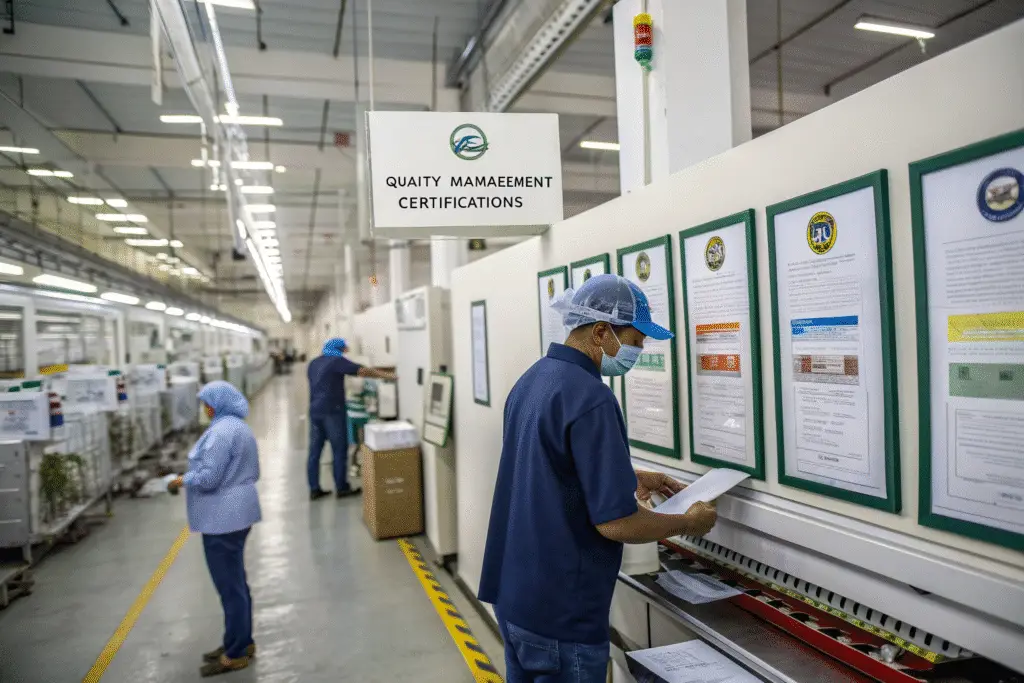
Is ISO 9001 certification included in your estimates?
Yes, our ISO 9001 quality management system certification costs are included in our overhead allocation, typically representing 1-2% of our total operational costs. Maintaining this certification requires annual audits, continuous staff training, and documented quality management processes that ensure consistency across all productions. A sportswear brand from Chicago specifically sought ISO-certified manufacturers after experiencing quality inconsistencies with uncertified factories, recognizing that the minimal cost impact delivered significant value through reliable quality.
How do quality certifications actually benefit my production?
Certified quality systems prevent defects rather than just detecting them, reducing the costly rework and delays that often plague uncertified factories. Our implementation of statistical process control as part of our ISO system has reduced our defect rate by 35% over three years, directly benefiting clients through fewer production delays and more consistent output. A denim brand reported 40% fewer quality issues after switching to our certified factory, despite our estimate being 8% higher than uncertified competitors.
What Material Safety Certifications Impact Cost?
Material safety certifications verify that fabrics and components meet specific safety standards, which is particularly important for children's wear, intimate apparel, and products marketed as eco-friendly.
These certifications require regular testing and verification that represent legitimate costs in your estimate.
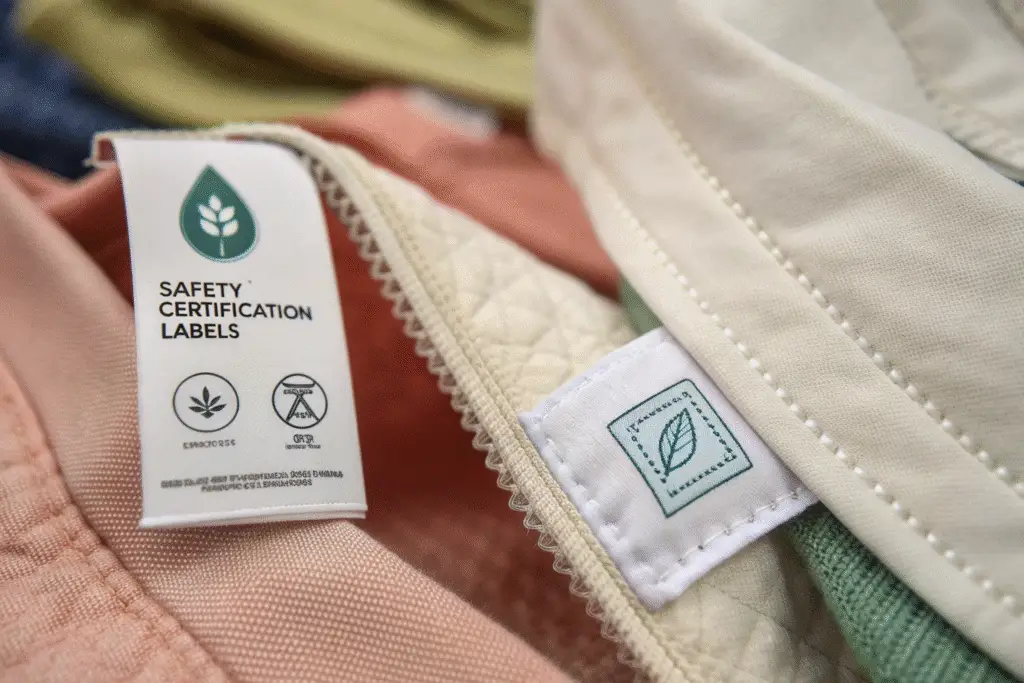
Is OEKO-TEX Standard 100 certification included?
Our base estimate includes OEKO-TEX Standard 100 certification for all standard fabrics, with the cost distributed across our fabric sourcing overhead. This certification ensures textiles are tested for harmful substances and is particularly valued by European brands and those marketing to health-conscious consumers. A sustainable children's wear brand specifically verified our OEKO-TEX inclusion after discovering another factory charged separately for this certification despite claiming "all fabrics are safe."
What about REACH compliance testing?
We include basic REACH compliance testing in our standard estimate, with specialized testing for specific restricted substances quoted separately when required. REACH compliance is essential for European markets and represents a significant testing investment that legitimate factories build into their costing. A luxury brand exporting to Germany appreciated our transparent REACH cost breakdown after another factory's surprisingly low estimate omitted these essential compliance costs.
What Ethical Manufacturing Certifications Appear in Estimates?
Ethical manufacturing certifications verify that factories maintain proper working conditions, fair labor practices, and environmental responsibility.
These certifications require regular audits, facility improvements, and ongoing compliance monitoring that represent real costs.
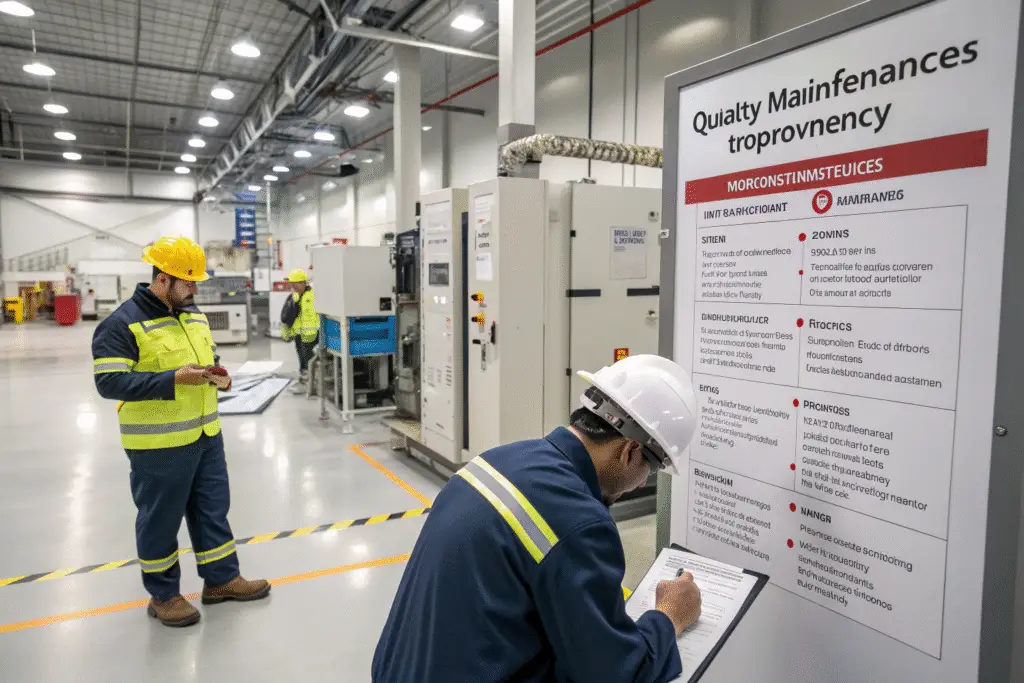
Is SMETA audit compliance included?
Our estimate includes costs for maintaining SMETA (Sedex Members Ethical Trade Audit) compliance, which covers labor standards, health and safety, environment, and business ethics. Maintaining SMETA compliance requires quarterly internal audits, facility improvements, and detailed documentation systems. A prominent UK retailer requires all suppliers to maintain SMETA certification, making this cost essential for factories serving European markets.
What about BSCI or WRAP certification?
We include costs for maintaining WRAP (Worldwide Responsible Accredited Production) certification, which many American brands require. WRAP certification focuses on lawful, ethical, and safe manufacturing conditions and requires semi-annual audits. A corporate uniform supplier specifically sought WRAP-certified factories to meet their client requirements, recognizing that certification costs represented essential due diligence rather than optional expenses.
What Environmental Certifications Might Impact Pricing?
Environmental certifications demonstrate a factory's commitment to sustainable manufacturing practices, which is increasingly important for brands marketing their eco-credentials.
These certifications require investments in equipment, monitoring systems, and verification processes.

Is ISO 14001 environmental management included?
Our estimate includes costs for maintaining ISO 14001 environmental management certification, which covers waste reduction, energy efficiency, and pollution prevention. Implementing ISO 14001 requires environmental impact assessments, monitoring equipment, and regular management reviews. An eco-conscious activewear brand valued this certification as part of their sustainability story, with the minimal cost impact justified by their marketing benefits.
How about GOTS or GRS certifications?
While not included in our standard estimate, we provide optional costing for Global Organic Textile Standard (GOTS) and Global Recycled Standard (GRS) certification when clients require specifically certified sustainable production. GOTS certification requires segregated production areas, detailed tracking systems, and additional documentation that legitimately increase production costs. A sustainable fashion brand properly budgeted for GOTS certification by understanding these specific requirements upfront rather than being surprised by later costs.
What Specialized Certifications Apply to Specific Products?
Certain product categories require specialized certifications that may appear in estimates for those specific productions.
Understanding these category-specific certifications helps you evaluate their necessity for your particular products.

What certifications apply to children's products?
Children's product estimates often include costs for CPSIA (Consumer Product Safety Improvement Act) compliance testing and certification, which is mandatory for the US market. CPSIA compliance requires specific testing for lead content, phthalates, and small parts safety. A children's wear brand learned the importance of this certification when a competitor faced massive recalls for non-compliant products, validating their decision to work with properly certified factories.
What technical performance certifications might appear?
Technical apparel estimates may include costs for performance certifications like ISO 6330 for washing durability or specific moisture management testing. These performance certifications require specialized equipment and testing protocols that represent legitimate costs. A outdoor gear manufacturer included specific waterproof certification costs in their budget after learning that unverified performance claims had damaged a competitor's reputation.
How Can You Verify Certification Value in Estimates?
Simply seeing certification costs in an estimate doesn't guarantee their legitimacy or value. Understanding how to verify these certifications helps ensure you're paying for genuine quality systems.
Proper verification separates factories with real certification investments from those making empty claims.
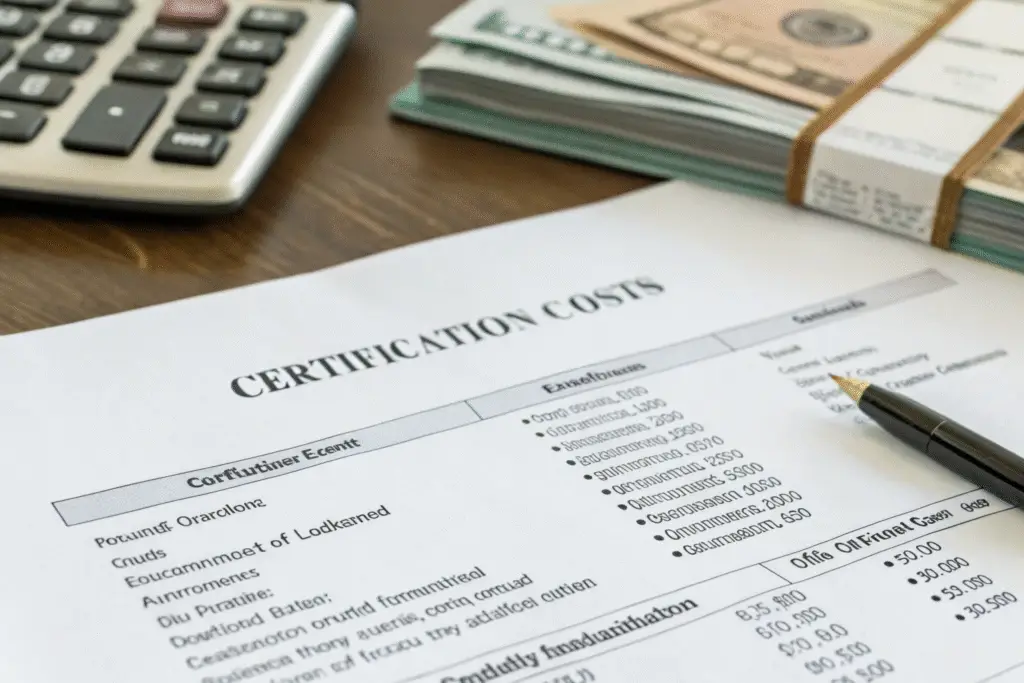
What questions should you ask about certification costs?
Ask for specific cost breakdowns, certification copies, and audit schedules to verify legitimate certification maintenance. We provide clients with our certification documents and explain exactly how each certification benefits their production. A cautious startup brand requested our most recent audit reports before production, verifying that our certification claims matched our actual practices.
How do certification costs vary between factories?
Certification costs typically represent 3-8% of a factory's overhead, with variations based on the number and type of certifications maintained. Factories with comprehensive certification portfolios might have 5-7% higher overhead than uncertified factories, but this investment typically delivers 15-30% better quality outcomes. A brand analyzing multiple estimates found that factories with proper certification costing consistently delivered better quality, while surprisingly low estimates often omitted essential certifications.
Conclusion
Legitimate garment factory estimates should transparently include costs for essential certifications that ensure quality consistency, material safety, ethical compliance, and environmental responsibility. While these certifications represent real operational expenses, they deliver significant value through reduced quality issues, better compliance outcomes, and enhanced brand protection. Understanding which certifications matter for your specific products and markets helps you evaluate whether these costs represent valuable quality assurance or unnecessary expenses, ensuring you partner with factories that maintain the standards your brand requires.
If you're evaluating production estimates and want to understand which certifications are essential for your specific products and which might represent unnecessary costs, we can provide transparent breakdowns and recommendations. At Fumao Clothing, we maintain comprehensive certifications because we believe they represent fundamental manufacturing integrity rather than optional extras. Contact our Business Director, Elaine, at elaine@fumaoclothing.com to discuss which certifications matter for your production and how they impact both cost and quality outcomes.