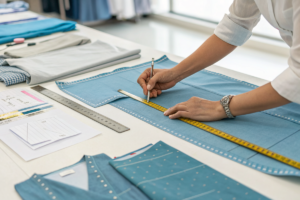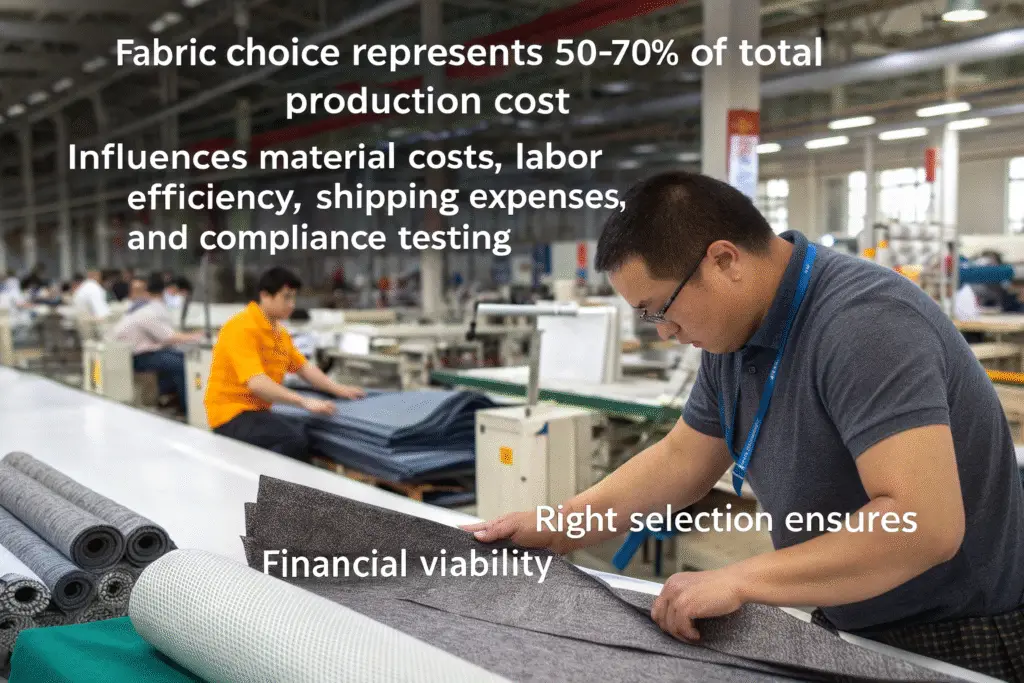
You're developing your new collection and facing dozens of fabric options. The difference between a $4/yard cotton and a $28/yard technical fabric seems obvious, but you're wondering about all the subtle ways fabric choice impacts your bottom line beyond the price per yard. How significantly does this single decision affect your overall production estimate?
Fabric choice typically represents 50-70% of your total production cost and influences virtually every aspect of your estimate, from material costs and labor efficiency to shipping expenses and compliance testing. The right fabric selection can make your production financially viable, while the wrong choice can render your project economically impossible regardless of other cost-saving measures. Understanding these interconnected impacts helps you make informed decisions that balance aesthetic vision, functional requirements, and budget realities.
Let's explore the specific ways different fabric choices affect your production estimate and how to optimize this critical decision.
How Do Material Costs Vary Across Fabric Types?
The most obvious impact of fabric choice is direct material cost, but understanding the full spectrum of pricing helps you make informed trade-offs between quality and budget.
Fabric prices range dramatically based on fiber content, construction, finishing, and sourcing origin, with each factor carrying different implications for your final product.
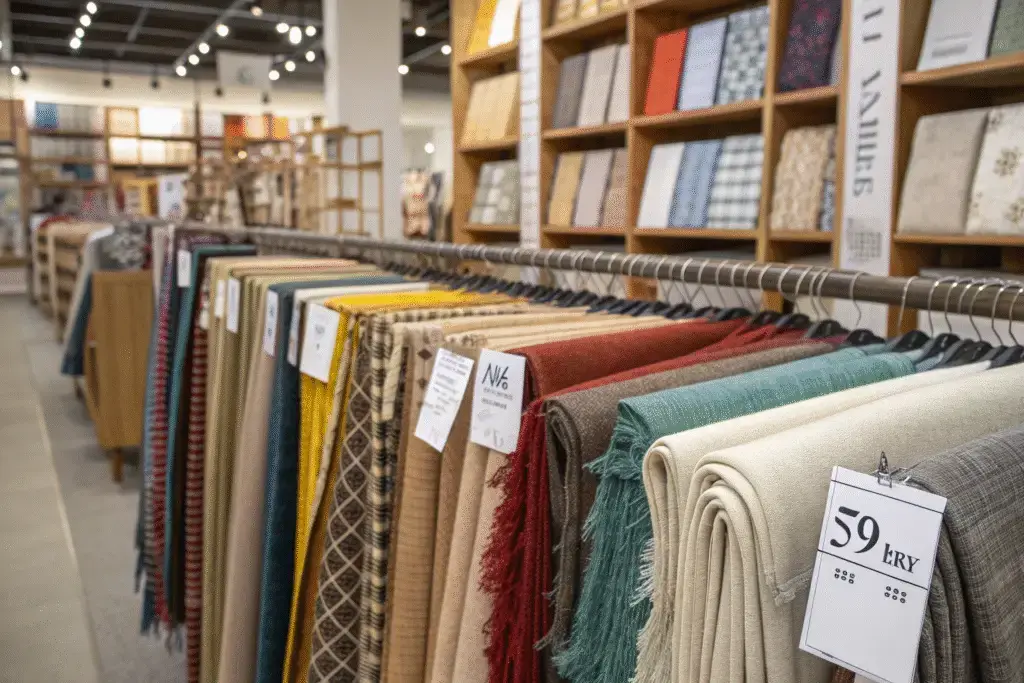
What is the typical price range for common apparel fabrics?
Basic cotton jersey might cost $2.50-4.50/yard, while premium organic cotton could reach $6-9/yard. Technical fabrics like moisture-wicking polyester typically range from $5-12/yard, and luxury materials like silk charmeuse can exceed $25/yard. We recently helped a contemporary brand analyze their fabric options for a blouse - their initial choice of Japanese cotton voile at $14/yard would have consumed 68% of their total budget, while a comparable Korean cotton at $8/yard maintained their quality standards while freeing up 22% of their budget for better construction details.
How do fabric minimums affect material costs?
Many mills impose minimum order quantities that can significantly impact your material costs, especially for smaller productions. Standard fabrics might have 500-1,000 yard minimums, while specialty fabrics often require 2,000-5,000 yards. A sustainable activewear brand discovered this when their chosen recycled polyester had a 3,000-yard minimum - by switching to a fabric with similar performance from our stock program, they avoided the excess material commitment and reduced their fabric cost by 18%.
How Does Fabric Choice Influence Production Efficiency?
Beyond material costs, your fabric selection directly impacts manufacturing efficiency, labor requirements, and overall production timeline - all of which affect your final estimate.
Some fabrics require specialized equipment, additional processing steps, or slower production speeds that increase labor costs and extend timelines.
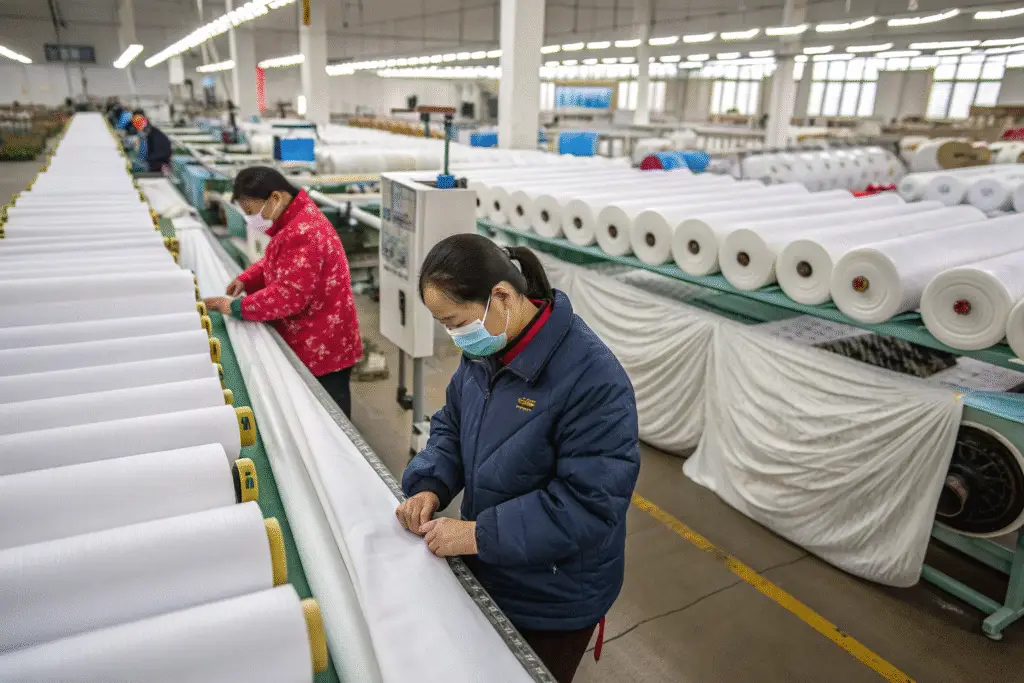
Which fabrics require specialized handling?
Technical fabrics, delicate materials, and unstable knits often need special equipment and skilled operators. Stretch fabrics require specialized needles, feed systems, and operator training that can increase labor costs by 15-25%. We recently produced a collection using a technical four-way stretch fabric that required our most experienced operators and specific machine adjustments, adding 12% to the labor cost compared to a standard cotton jersey.
How does fabric stability affect production speed?
Unstable fabrics like lightweight silks or loose knits typically slow production by 20-40% due to additional handling requirements and higher rejection rates. Our production data shows that working with chiffon typically reduces output by 30% compared to stable woven cotton, directly impacting labor efficiency. A luxury brand learned this when their delicate silk georgette dresses required 45 minutes of labor each compared to 28 minutes for similar designs in cotton voile.
How Do Fabric Properties Impact Other Cost Components?
Your fabric choice creates ripple effects across your entire estimate, influencing trimming selection, finishing requirements, quality control protocols, and shipping costs.
Understanding these interconnected impacts helps you evaluate the true total cost of your fabric decision.
How does fabric weight affect shipping costs?
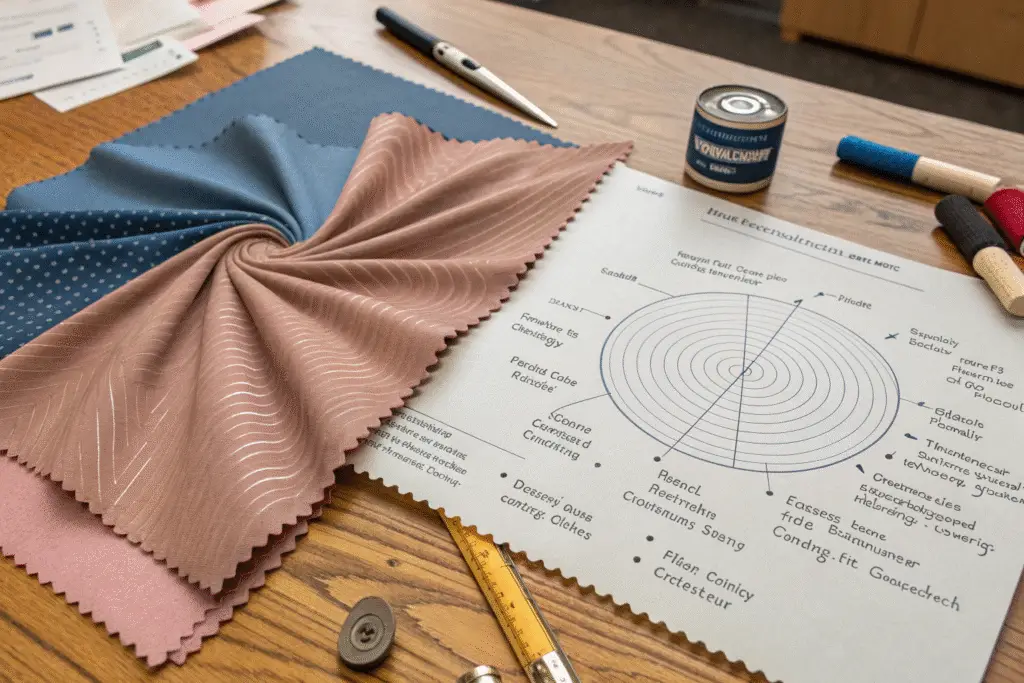
Heavier fabrics increase your shipping costs both through material weight and finished garment weight. A denim brand discovered that switching from 14oz to 12oz denim reduced their shipping costs by 8% due to lower total shipment weight. Similarly, technical outerwear fabrics with coatings or laminations often have higher weight and bulk, increasing shipping costs by 10-15% compared to standard woven equivalents.
What testing requirements vary by fabric type?
Different fabrics require specific testing protocols that add to your quality control costs. Natural fibers typically need shrinkage and colorfastness testing, while synthetic fabrics might require pilling, abrasion, or performance testing. A children's wear brand found that their chosen flame-resistant fabric required $1,200 in additional specialized testing compared to standard cotton, an expense they hadn't initially considered.
How Can Strategic Fabric Selection Optimize Your Estimate?
Smart fabric decisions can significantly reduce your production estimate without compromising quality or design integrity, often through substitutions, consolidation, or strategic sourcing.
Working with an experienced manufacturer helps identify optimization opportunities you might overlook independently.
What fabric substitutions maintain quality at lower cost?
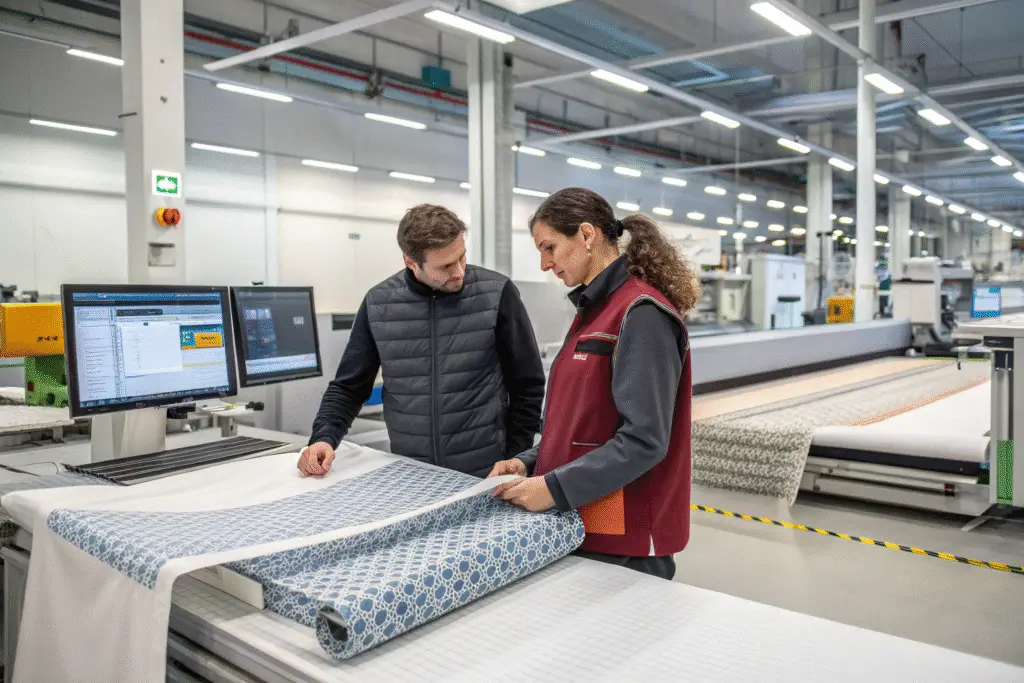
Knowledgeable manufacturers can often suggest alternative fabrics with similar characteristics at better price points. We recently helped a sportswear brand switch from an Italian performance fabric to a Korean equivalent with identical technical specifications but 25% lower cost. Another client achieved 18% savings by opting for a cotton-polyester blend instead of 100% cotton while maintaining their desired hand feel and durability.
How can fabric consolidation reduce costs?
Using common base fabrics across multiple styles or collections can yield significant savings through volume pricing. A contemporary brand consolidated from seven different fabrics to three core materials across their collection, achieving 22% better pricing through increased volume per fabric. This approach also simplified their fabric sourcing and reduced minimum order quantity challenges.
What Hidden Costs Should You Consider?
Beyond obvious material and labor impacts, fabric choices can introduce less apparent costs that significantly affect your total estimate if not properly anticipated.
These hidden costs often emerge during production rather than appearing in initial estimates.
How do waste factors vary by fabric type?
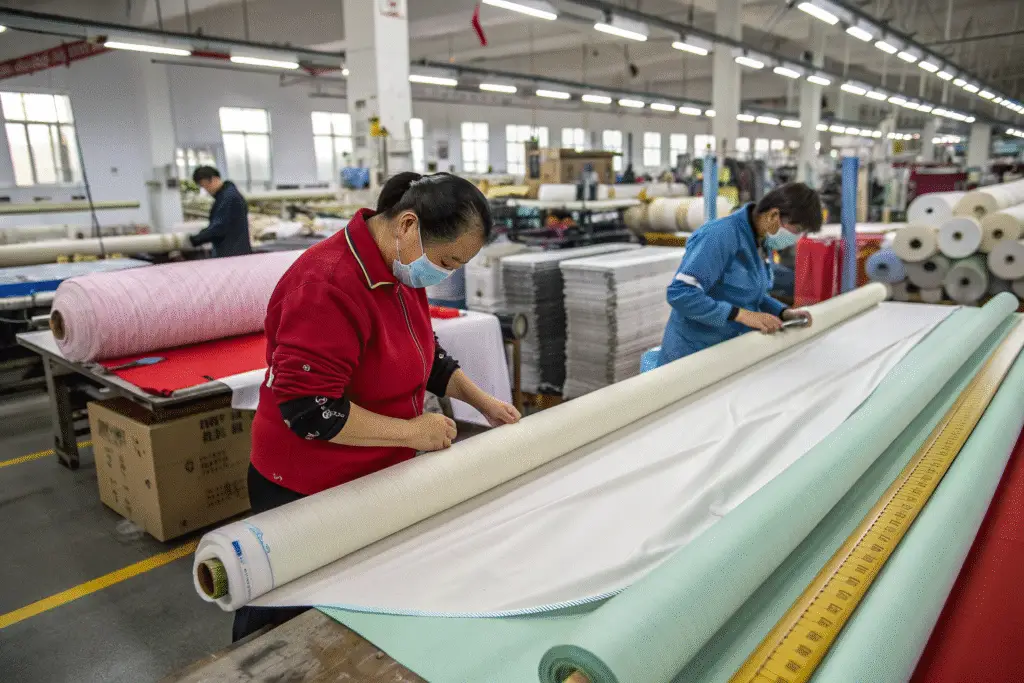
Different fabrics have varying waste percentages that impact your effective material costs. Patterned fabrics might have 15-25% waste compared to 8-12% for solids. A brand working with large-scale prints discovered their fabric waste was 28% due to pattern matching requirements, significantly impacting their effective cost per garment despite a reasonable price per yard.
What finishing requirements add cost?
Special fabric finishes like enzyme washing, coating, or special dyeing techniques add both time and cost to your production. A denim brand learned that their chosen laser finishing technique added $3.50 per garment compared to standard washing, an expense that represented 12% of their total production cost.
How Does Fabric Choice Affect Long-Term Value?
While initial cost is important, considering long-term value helps evaluate whether a higher fabric investment might yield better returns through improved quality, durability, and customer satisfaction.
Sometimes spending more upfront saves money through reduced returns, better brand reputation, and longer product lifecycles.
How does fabric quality impact customer satisfaction?
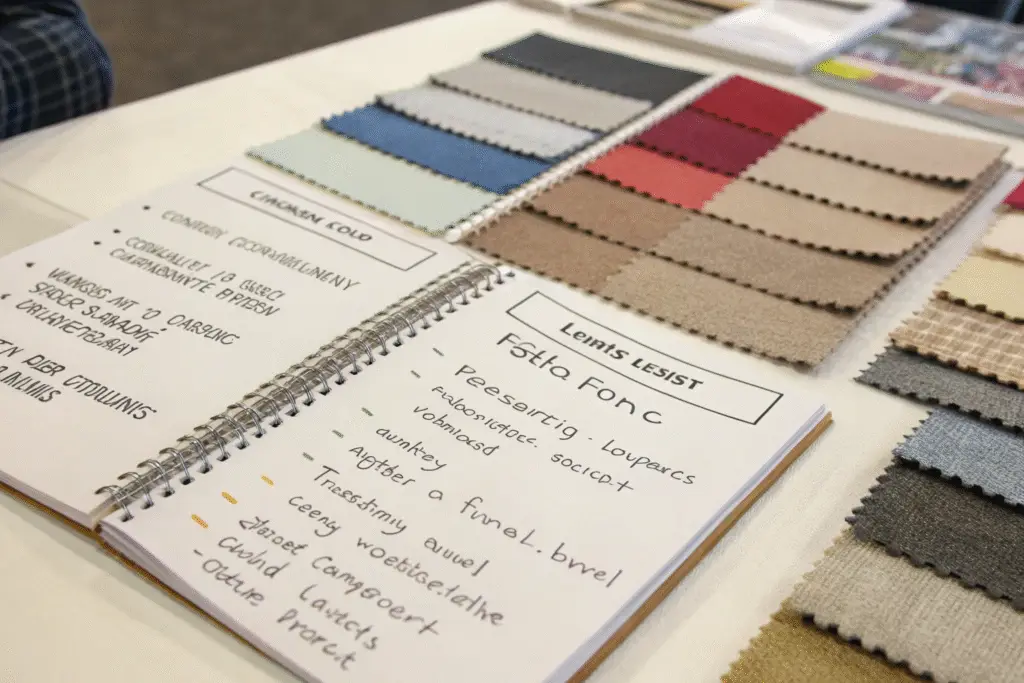
Higher-quality fabrics typically result in lower return rates and better customer reviews. Our data shows that products using premium fabrics have 25-40% lower return rates than those using basic materials. A sustainable brand invested in better-quality organic cotton and saw their return rate drop from 8% to 3%, effectively increasing their profitability despite higher initial fabric costs.
What is the relationship between fabric and brand positioning?
Your fabric choices communicate important messages about your brand values and quality standards. A luxury brand maintained their premium positioning by using exclusive Japanese denim despite its 35% higher cost, knowing their customers valued and recognized the quality difference. This strategic fabric choice supported their brand story and justified their premium pricing.
Conclusion
Fabric choice profoundly impacts your production estimate through direct material costs, manufacturing efficiency, additional processing requirements, and long-term product performance. The right fabric selection balances your design vision, functional requirements, and budget constraints while considering the complete cost picture rather than just price per yard. By understanding how different fabrics affect your total production economics and working with an experienced manufacturing partner, you can make informed decisions that optimize your estimate without compromising your product quality or brand values.
If you're evaluating fabric options for your next production and want to understand how different choices will impact your overall costs, we can provide detailed analysis and recommendations. At Fumao Clothing, we've helped hundreds of brands navigate fabric selection to achieve the perfect balance of quality, aesthetics, and budget. Contact our Business Director, Elaine, at elaine@fumaoclothing.com to discuss how different fabric choices might impact your specific production estimate.