You've received a complimentary estimate from a clothing manufacturer that looks promising. The numbers work for your budget, the timeline fits your schedule, but now you're wondering: does this estimate lock me into anything? What happens if you need to make changes or decide to go with another supplier?
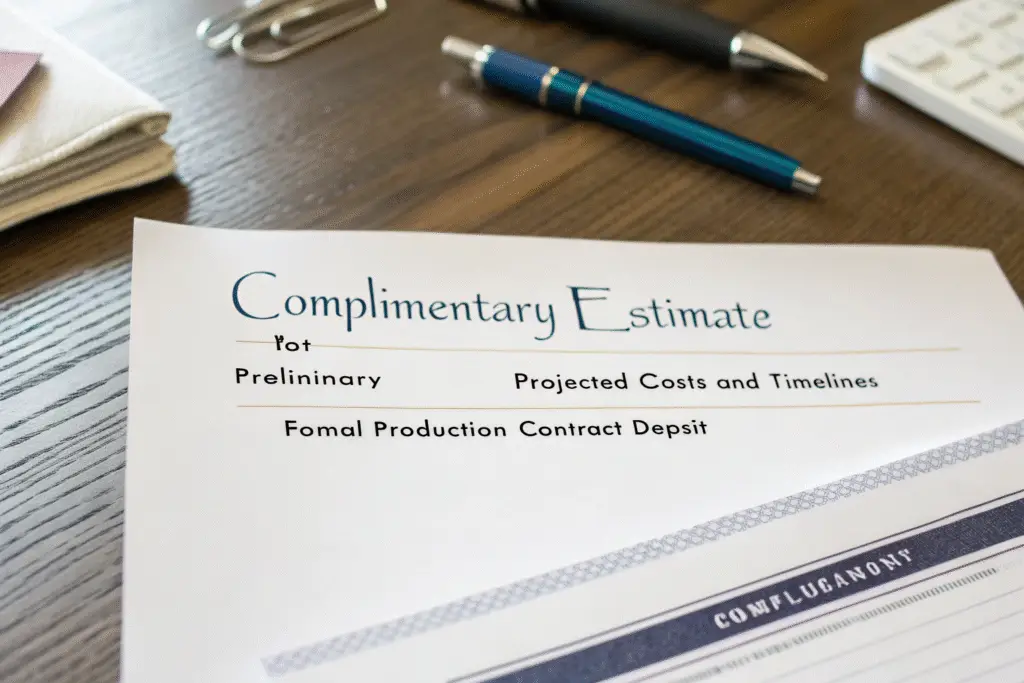
A complimentary estimate is not legally binding for your clothing order. It serves as a preliminary quotation detailing projected costs and timelines based on the information you've provided, but it doesn't obligate either party to proceed with production. The binding agreement occurs only when you sign a formal production contract and provide a deposit. Understanding this distinction protects you from unexpected commitments while maintaining professional relationships with potential manufacturing partners.
Let's explore what a complimentary estimate really means for your business and when the commitment actually begins.
What Legal Status Does A Complimentary Estimate Have?
Complimentary estimates fall into the category of preliminary business discussions rather than formal contracts. They represent the manufacturer's initial pricing based on your specifications.
These documents are essentially invitations to do business rather than firm offers that create legal obligations upon receipt.
How do estimates differ from binding contracts?
Estimates lack several key elements that make contracts legally enforceable: specific terms and conditions, detailed specifications, payment schedules, and mutual consideration. While a well-prepared estimate will include your garment specifications and projected costs, it typically doesn't include the comprehensive legal protections found in production agreements. We learned this distinction early when a client misunderstood our detailed estimate as a binding commitment - since then, we've implemented clearer language stating "This estimate is provided for planning purposes only and does not constitute a binding agreement."
What elements are missing from typical estimates?
Most estimates omit crucial contractual elements like cancellation terms, liability limitations, dispute resolution procedures, and detailed quality standards. These are typically reserved for formal production agreements. A sportswear brand recently compared estimates from three manufacturers and found that while all provided detailed cost breakdowns, none included provisions for production delays or quality dispute resolution - elements that were only addressed in their subsequent formal contracts.
When Does Your Clothing Order Become Legally Binding?
The transition from non-binding estimate to binding agreement happens through specific actions that demonstrate mutual commitment to the production.
Understanding these trigger points helps you manage your commitments and avoid unexpected obligations.

What actions typically create a binding agreement?
A binding agreement is typically created when you sign a production contract, provide a deposit, or authorize the manufacturer to proceed with specific irreversible actions. In our factory, the binding moment occurs when clients sign our production agreement and provide the 30% deposit. This policy protected both us and a denim brand client when fabric prices suddenly increased 15% between estimate and contract signing - since they hadn't yet signed or paid, we renegotiated the terms rather than absorbing the unexpected cost.
How do purchase orders relate to estimates?
Formal purchase orders often convert estimates into binding agreements when accepted by the manufacturer. Your purchase order terms combined with the manufacturer's acceptance typically create the binding contract. We recently worked with a corporate uniform supplier whose purchase order included specific delivery penalties - by accepting their PO, we became bound to those terms, moving beyond the preliminary estimate stage into a formal contractual relationship.
What Can You Change After Receiving An Estimate?
The period between receiving an estimate and signing a formal contract offers flexibility to refine your project details without financial penalty.
This is your opportunity to optimize designs, adjust quantities, and negotiate terms before making commitments.

How can you negotiate terms after receiving an estimate?
You can negotiate pricing, timelines, payment terms, and specifications after receiving an estimate. Most manufacturers expect some negotiation during this phase. We encourage clients to request adjustments during this period - a luxury accessories brand recently negotiated 10% better pricing by increasing their order quantity 25% beyond their initial estimate request, demonstrating how flexibility before commitment benefits both parties.
What changes might affect your estimated pricing?
Several factors can change your final pricing from the initial estimate: material cost fluctuations, design modifications, quantity adjustments, and timeline changes. Our estimates clearly state that material costs are valid for 30 days, as we learned when cotton prices surged 20% in 2021, affecting numerous projects between estimate and production stages.
What Protection Do You Have With A Complimentary Estimate?
While estimates aren't binding, they do provide important protection and establish a foundation for your business relationship.
A detailed estimate creates accountability and sets expectations before either party makes firm commitments.

How do estimates establish pricing credibility?
A written estimate prevents manufacturers from significantly increasing prices without justification once you're committed. While not legally binding, reputable manufacturers honor their estimate pricing within reasonable periods. We maintain estimate prices for 45 days unless material costs change significantly, a policy that helped a startup brand secure funding without worrying about price increases during their capital raise.
What recourse do you have if estimates are misleading?
While you can't force production based on an estimate, significantly misleading estimates may violate consumer protection laws. Documentation of estimates helps identify bad faith pricing practices. We maintain all estimate records for two years after a situation where a competitor provided unrealistically low estimates to secure deposits, then claimed "calculation errors" to justify 40% price increases after commitment.
How Should You Proceed After Receiving An Estimate?
Your actions after receiving an estimate should focus on due diligence and clear communication to ensure a smooth transition to production when you're ready.
A systematic approach to evaluating estimates helps you make informed decisions and build strong manufacturer relationships.

What steps should you take before committing?
Verify estimate details, request clarifications on unclear items, compare with other suppliers, and assess the manufacturer's credibility. We recommend clients use our two-week estimate validity period to conduct proper due diligence, including checking references and reviewing our factory certifications. A activewear brand recently used this period to visit our facility virtually, confirming our capabilities matched our estimate assumptions.
How can you formally accept an estimate?
Formal acceptance typically involves signing a production agreement, issuing a purchase order, or providing a deposit according to the manufacturer's specified process. Our clients formally accept by signing our digital production contract and wiring the initial deposit, which triggers our fabric sourcing and production scheduling. Clear acceptance procedures prevent misunderstandings about when commitment occurs.
Conclusion
A complimentary estimate provides valuable planning information without creating binding obligations for your clothing order. It serves as a detailed projection that helps you budget and plan while maintaining flexibility to make changes or pursue other options. The binding commitment occurs only when you sign a formal production agreement and provide financial commitment through a deposit. Understanding this distinction allows you to use estimates effectively as planning tools while protecting your ability to make informed decisions about your manufacturing partnerships.
If you're looking for a manufacturing partner who provides transparent, detailed estimates without pressure for immediate commitment, we should talk. At Fumao Clothing, we view estimates as the starting point for collaborative planning rather than sales tools. Contact our Business Director, Elaine, at elaine@fumaoclothing.com to receive a comprehensive, no-obligation estimate for your next clothing production project.