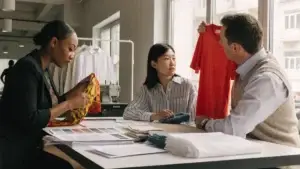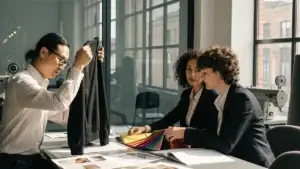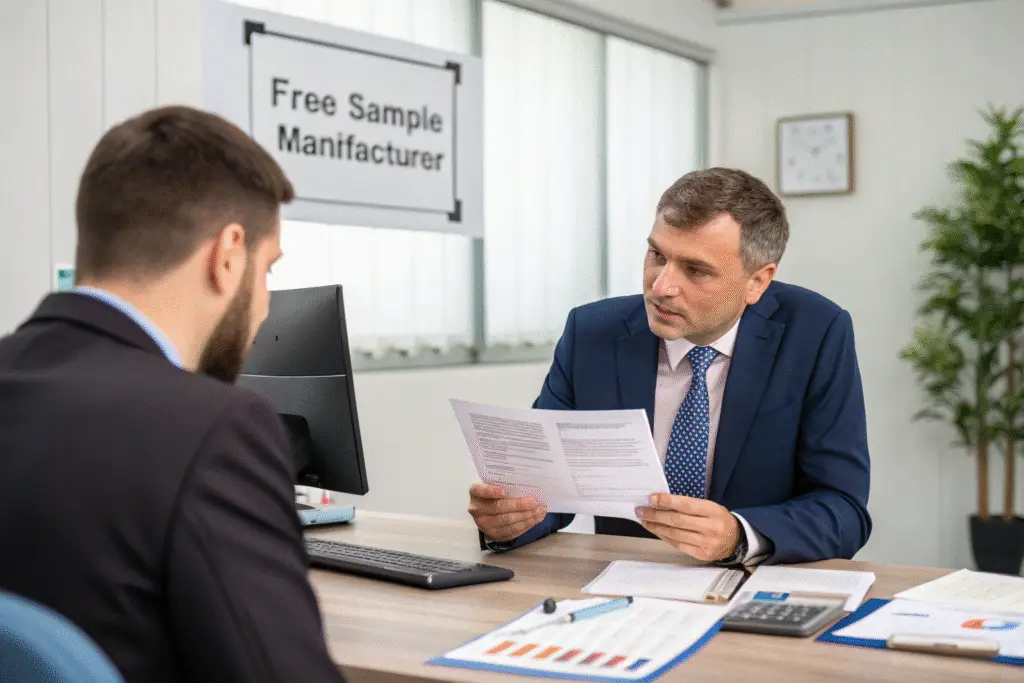
You're ready to move forward with a new clothing manufacturer, but you're hesitant to commit to a full production run without seeing and feeling the quality firsthand. The question remains: is it possible to get a free sample that truly represents the manufacturer's capabilities without committing to a large order?
Yes, you can get a free sample from reputable manufacturers, but understanding the conditions and strategies is crucial. Most established factories offer free initial samples to serious potential clients, but they typically require you to cover shipping costs and demonstrate genuine business potential. The key is approaching the request professionally and understanding what constitutes a reasonable sample request versus what requires financial commitment.
Let me guide you through the process of securing a quality free sample that will help you make an informed decision about your manufacturing partner.
What Types Of Free Samples Can You Realistically Request?
Not all samples are created equal, and understanding what manufacturers are willing to produce for free will help you set realistic expectations for your sampling request.
Manufacturers typically offer two types of free samples: standard catalog items or simple modifications of existing designs that don't require significant development work.
What standard samples are typically available for free?
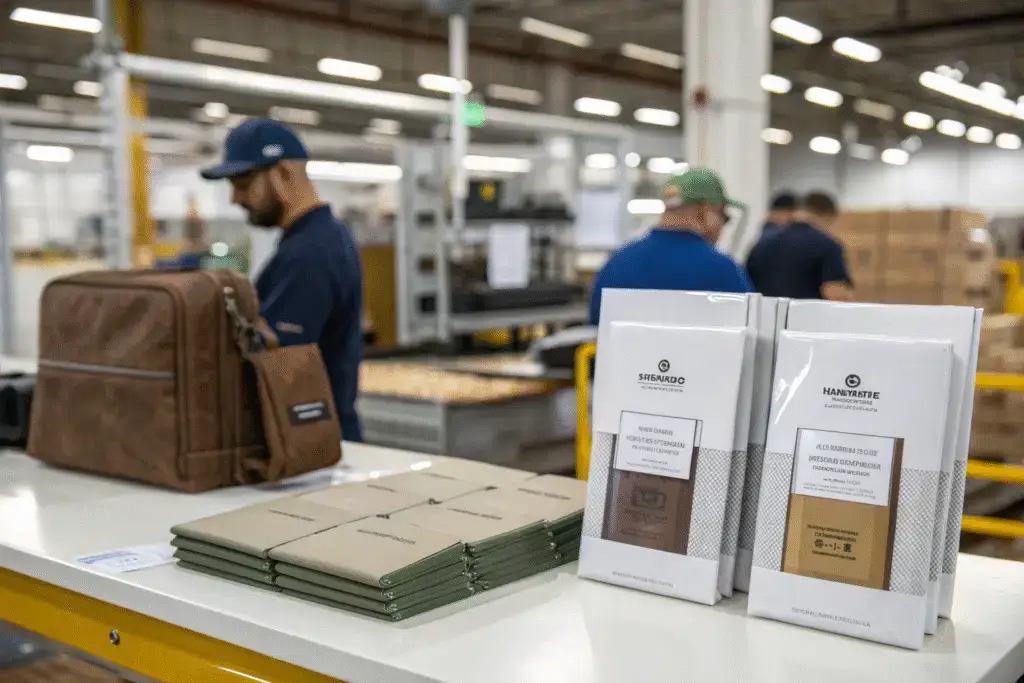
Most factories maintain a collection of their standard products that they can send as free samples. These might include basic t-shirts, polo shirts, simple woven shirts, or other core items from their production line. We keep approximately 50 different standard samples in our showroom that we regularly ship to potential clients. These samples demonstrate our fabric quality, stitching techniques, and finishing standards without requiring new development. A streetwear brand from Miami recently requested our standard heavyweight hoodie sample, which helped them evaluate our ribbing quality and construction methods before discussing their custom design.
How simple can your customization requests be?
Most manufacturers will accommodate minor customizations to standard samples at no cost, such as color changes or simple logo additions using existing techniques. We typically allow up to two color changes and basic screen printing or embroidery on standard samples without charging development fees. However, complex designs requiring new screens, special dyes, or unique fabric treatments usually involve costs. Understanding this distinction helped a startup activewear brand get their logo added to our standard performance tee at no charge, giving them a realistic sense of our embroidery quality.
How Should You Approach A Manufacturer For Free Samples?
Your approach and professionalism when requesting samples significantly impact whether manufacturers will invest in sending you free samples or require payment upfront.
Manufacturers receive numerous sample requests daily and have developed filters to identify serious business inquiries versus casual requests.

What information should you include in your sample request?
A professional sample request should include your business details, target market information, projected order quantities, and timeline. We're 60% more likely to provide free samples to clients who share their business registration, website, or previous production experience. Last month, a new boutique hotel chain provided their business license and explained they needed 2,000 uniform sets quarterly - this professional approach earned them free samples of three different uniform styles with their logo embroidery.
How can you demonstrate your serious business intent?
Providing specific technical details, realistic timelines, and showing knowledge of your market needs demonstrates serious intent. Mentioning your planned order quantity range and target delivery date shows you've thought through your business plan. When a sustainable children's wear brand approached us, they included their technical specifications for fabric weight and safety standards, along with their planned 3,000-unit initial order. This detailed approach convinced us to produce a custom sample using their specified Oeko-Tex certified fabric at no cost.
What Costs Should You Expect To Cover?
While the sample itself might be free, understanding what associated costs you'll need to cover helps you budget appropriately and avoids surprises.
Shipping costs, custom duties, and specialized materials typically represent the expenses clients cover even when receiving "free" samples.

Why will you likely need to cover shipping costs?
Sample shipping costs can range from $25-150 depending on speed and destination, and manufacturers almost always require clients to cover these expenses. We use a simple system where clients provide their FedEx or DHL account number or prepay shipping via PayPal. An Australian brand recently learned this when requesting samples - while our three garment samples were free, the express shipping to Sydney cost $85, which they happily covered to receive samples within three days rather than three weeks.
When might material costs affect sample pricing?
If your request requires special materials not regularly stocked by the factory, you may need to cover material costs even if labor is free. Specialty fabrics, unique trims, or custom-developed materials often require minimum purchases that make free samples impractical. We encountered this with a luxury brand that wanted samples using Japanese selvedge denim - while we waived our sampling fee, the fabric alone cost $45 per meter with a 50-meter minimum purchase.
How Can You Evaluate Sample Quality Effectively?
Receiving a free sample is only valuable if you know how to properly evaluate it for quality, construction, and suitability for your brand.
A systematic approach to sample evaluation helps you make informed decisions and provides specific feedback to the manufacturer.
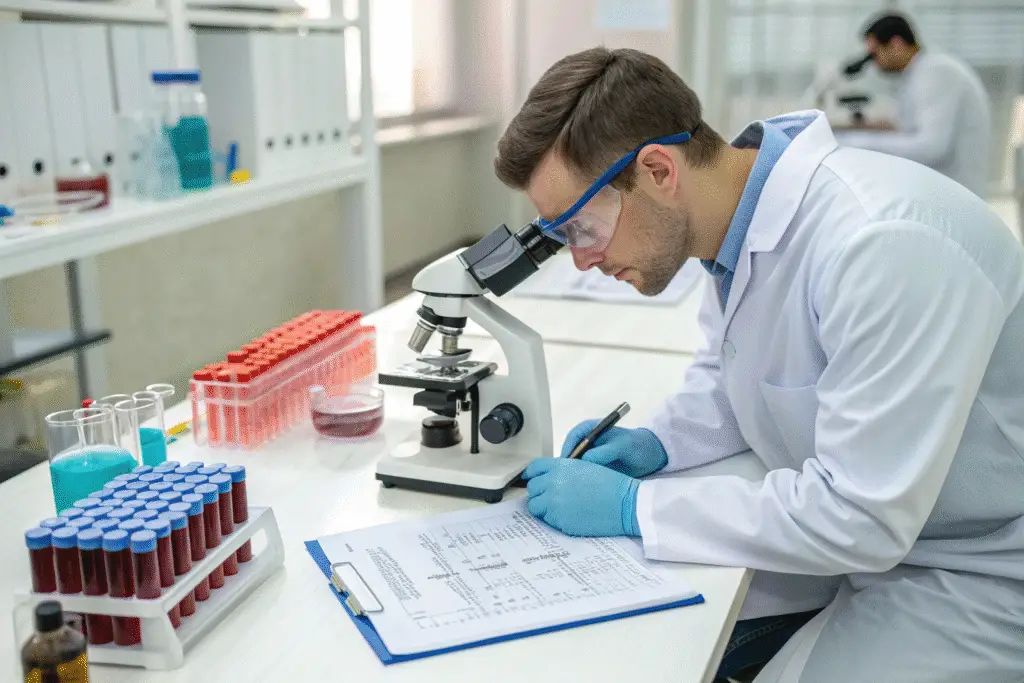
What construction details should you examine?
Check stitch quality, seam strength, pattern matching, and finishing details. Look for consistent stitch tension, secure bar tacks at stress points, and neat inside finishing. We provide clients with a sample evaluation checklist that covers 25 key quality points. A sportswear brand used this checklist and discovered that while our competitor's sample looked good initially, their flatlock seams unraveled after minimal stress testing - a crucial finding that influenced their manufacturer selection.
How should you test fabric performance?
Conduct simple performance tests like checking colorfastness, shrinkage after washing, and pilling resistance. Even basic home testing can reveal potential issues. One of our clients performed a simple wash test on our sample and a competitor's - ours showed 2% shrinkage while the competitor's showed 8%, information that significantly impacted their decision. For technical fabrics, consider investing in professional fabric testing for critical properties like moisture-wicking or UV protection.
What Are The Next Steps After Receiving Your Sample?
The sample evaluation process doesn't end when you receive the garment - what you do next determines whether you can move forward successfully with production.
Professional feedback and clear communication after sample receipt set the stage for a productive manufacturing relationship.
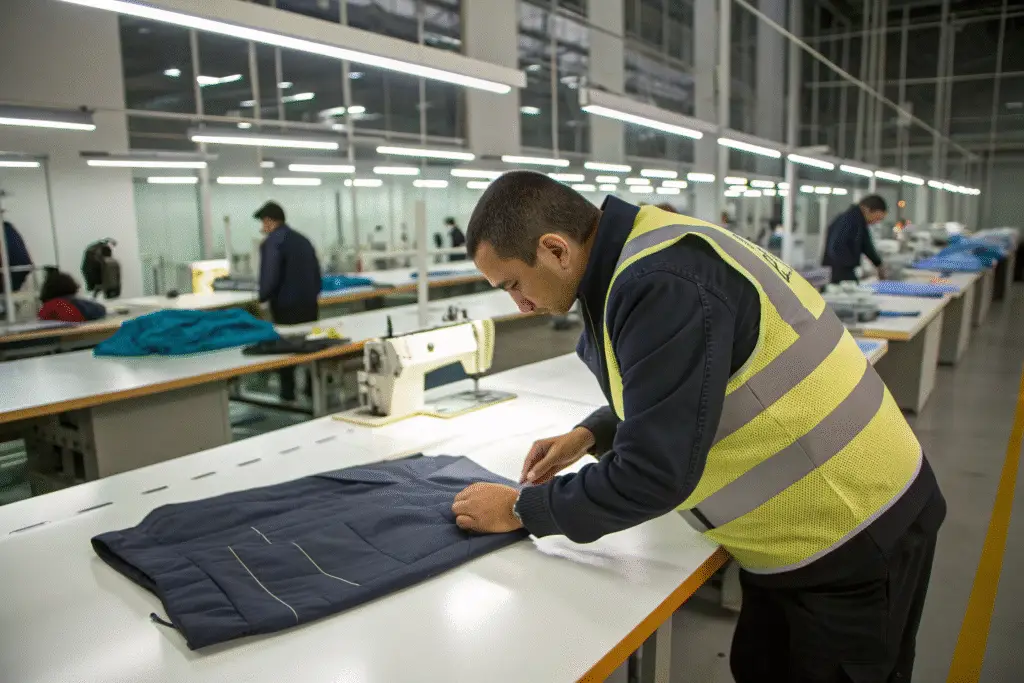
How should you provide sample feedback?
Provide specific, constructive feedback with photos highlighting both positive aspects and areas needing improvement. Instead of "I don't like the fit," try "The shoulder seams sit 2cm too wide, and the sleeve length needs reduction by 3cm." We recently worked with a brand that provided detailed fit notes with photographic references, enabling us to perfect their sample in just one revision round, saving both time and additional sampling costs.
When should you discuss production terms?
Once you're satisfied with the sample quality, promptly discuss minimum order quantities, pricing, and timeline. Manufacturers appreciate clients who move efficiently from sampling to production discussion. A jeans brand we work with approved their sample on Friday and had a production contract in place by Monday - this efficiency allowed us to reserve production space in our schedule and begin fabric sourcing immediately.
Conclusion
Securing a free sample from a clothing manufacturer is absolutely achievable when you approach the process professionally and understand the manufacturer's perspective. By demonstrating serious business intent, being reasonable in your requests, and covering associated costs like shipping, you can obtain quality samples that help you make informed manufacturing decisions. Remember that samples represent an investment from both parties - your professionalism and clear communication significantly increase your chances of receiving free samples that accurately represent the manufacturer's capabilities.
If you're looking for a manufacturing partner who provides transparent sampling processes and quality samples, we'd be happy to discuss your specific needs. At Fumao Clothing, we offer free standard samples and reasonable customization options for serious business inquiries. Contact our Business Director, Elaine, at elaine@fumaoclothing.com to request samples that will help you evaluate our manufacturing quality and compatibility with your brand vision.